Ten Injured After Car Ploughs Into Rugby League Fans in Australia
Darwin, October 04: Ten people, including three children, have been injured after a car crashed into a crowd of rugby league fans in Newcastle, eastern…



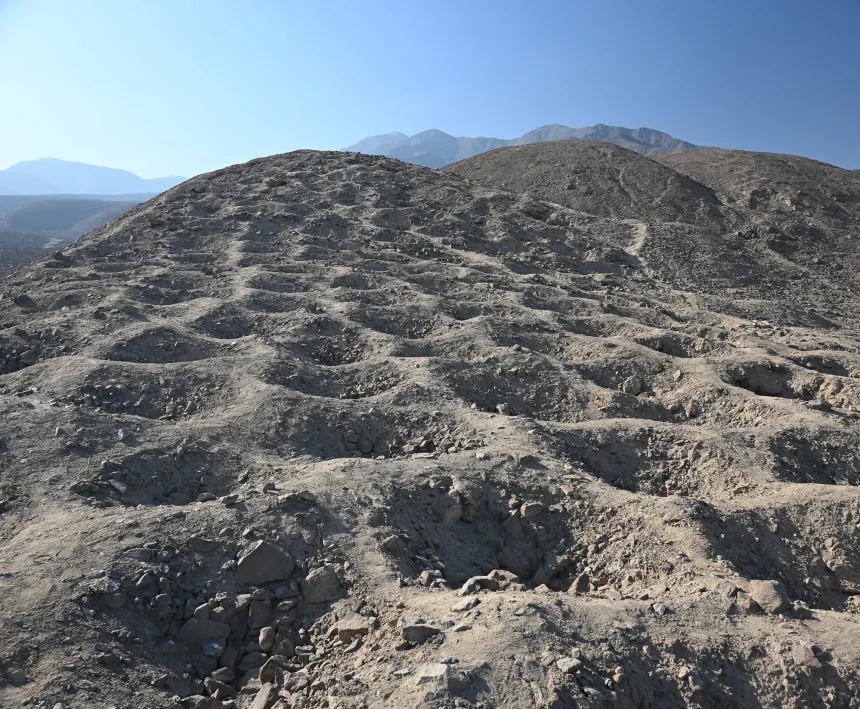
Peru— One of Andean archaeology’s most enduring mysteries—a series of approximately 5,200 human-carved holes stretching nearly a mile (1.5 km) across the Pisco Valley—may finally be solved.
New research published in the journal Antiquity suggests the site, known as Monte Sierpe or the “Band of Holes,” was originally a thriving pre-Inca marketplace that was later adapted into a large-scale Inca accounting device.
For nearly a century, the purpose of the holes, which measure 3.3 to 6.6 feet wide and 1.6 to 3.3 feet deep, had been debated, with theories ranging from defense to extraterrestrial connections.
Jacob Bongers, a digital archaeologist at the University of Sydney, and his team used advanced methods to gather the first compelling data:
Microbotanical analysis of soil inside the holes revealed grains of maize and wild plants like reeds and willow, traditionally used to make baskets. This suggests crops and other goods were periodically placed in the holes, supporting the marketplace hypothesis for the pre-Inca Chincha Kingdom (AD 1000–1400).
High-resolution drone imagery revealed that the holes are not random but organized into roughly 60 distinct, segmented sections .
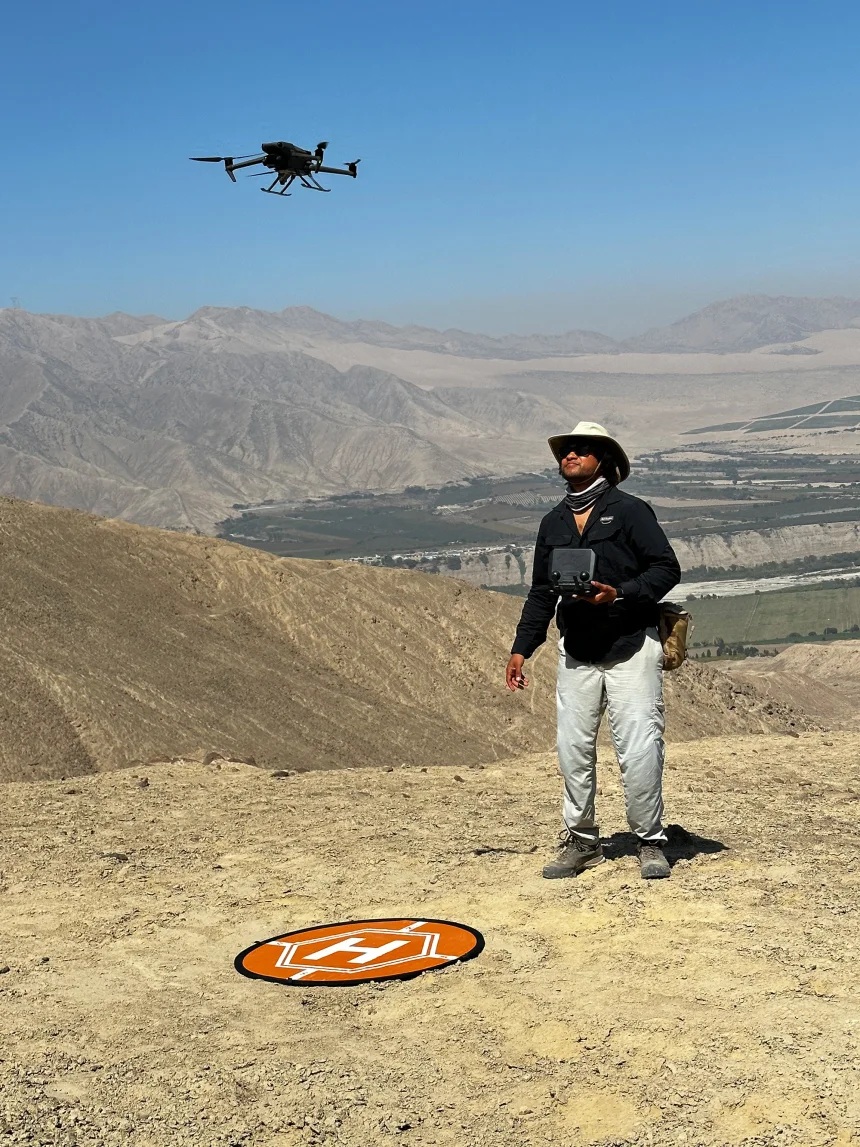
Dr. Jacob Bongers used drones to capture high-definition footage of the sprawling site.
The most intriguing finding links Monte Sierpe to the Inca Empire (AD 1400–1532). The segmented, mathematically structured layout of the holes strongly mirrors the structure of a khipu (or quipu), the complex Andean accounting tool made of knotted strings.
“In a sense, Monte Sierpe could have been an ‘Excel spreadsheet’ for the Inca Empire,” Dr. Bongers suggested.
The Inca, known for their complex bureaucracy but lack of a traditional writing system, used khipus to record census data, inventory, and tribute (taxes). The massive structure of Monte Sierpe, situated strategically near a pre-Hispanic road network and between two major Inca sites, could have served as a tangible, fixed record for tribute collection, managed by officials using the portable khipu system.
The study provides valuable insight into ancient indigenous economic practices in the Andes, a region where evidence of pre-Hispanic currencies or formal writing systems is scarce.

Darwin, October 04: Ten people, including three children, have been injured after a car crashed into a crowd of rugby league fans in Newcastle, eastern…

Darwin, October 4: Australia’s central bank has raised interest rates to their highest level in 15 years, increasing mortgage repayments for millions of Australian households….

Darwin, October 3: Under pressure from US President Donald Trump to bring down rising fuel prices, G7 leaders are set to release up to 100…

Darwin, October 3: Russia’s daily attacks are filling the lives of Kyiv residents with fear and uncertainty. From schools and hospitals to bridges, power plants…
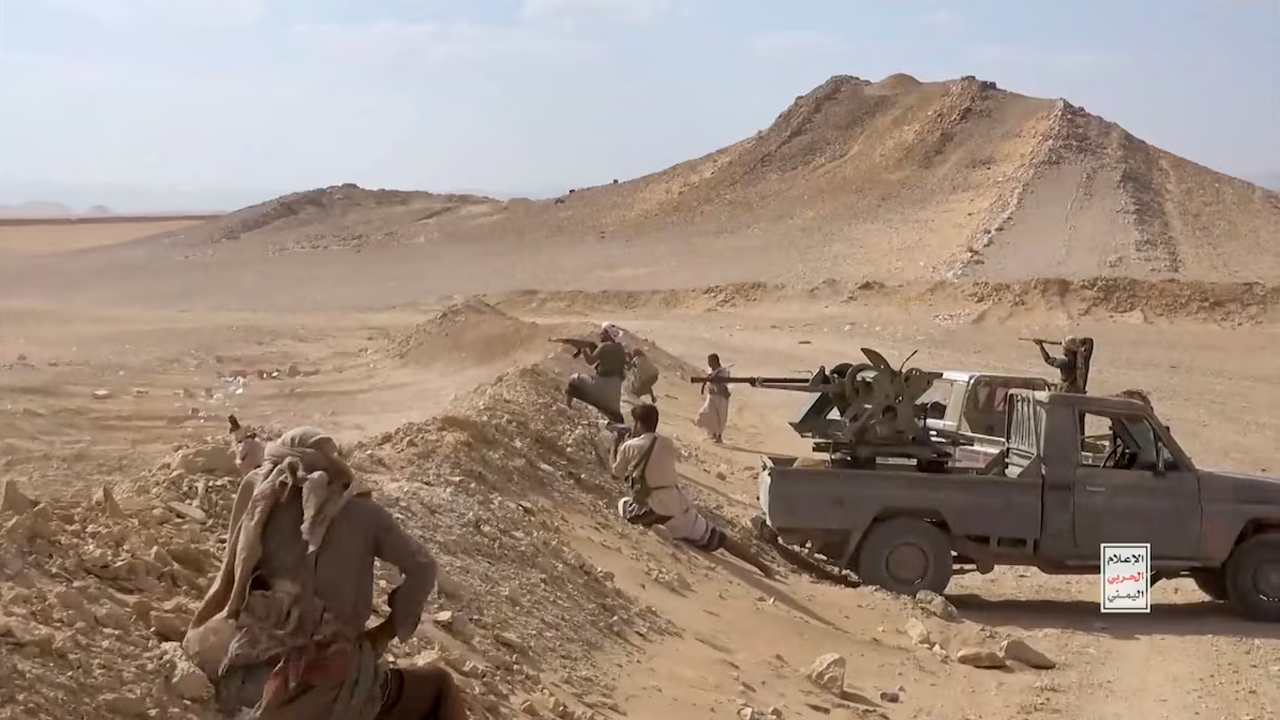
Darwin, October 3: At least 80 fighters have been killed over the past 24 hours in fierce fighting between Iran-backed Houthi rebels and Saudi-backed government…

Darwin, October 3: As the Iran war enters its eighth month, the United States is sending a third aircraft carrier strike group to waters near…

Darwin, September 30 : The United States is preparing to withdraw its military forces from Iraq after more than two decades of war and the…

Darwin, September 30: Russia has urged Iran not to withdraw from the Treaty on the Non-Proliferation of Nuclear Weapons (NPT), calling on Tehran to remain…