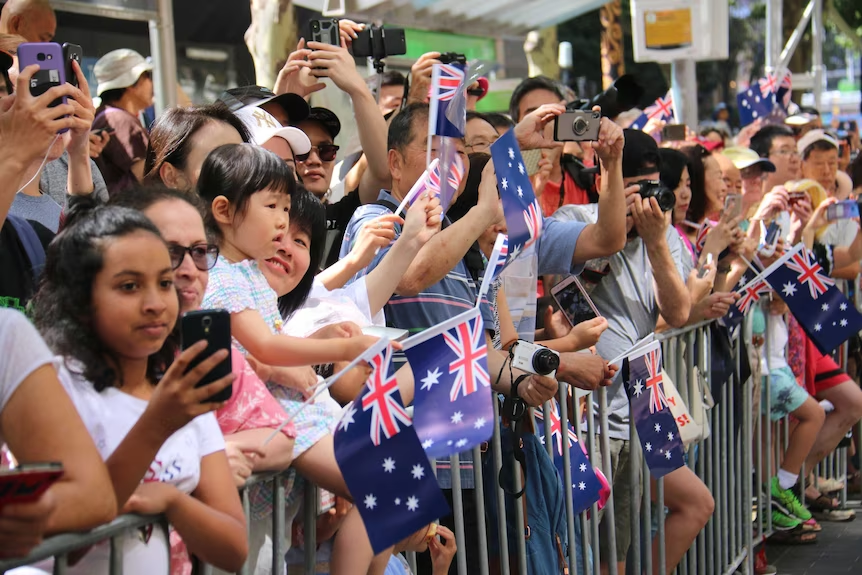
Ten Injured After Car Ploughs Into Rugby League Fans in Australia
Darwin, October 04: Ten people, including three children, have been injured after a car crashed into a crowd of rugby league fans in Newcastle, eastern…



Darwin, 10 January:
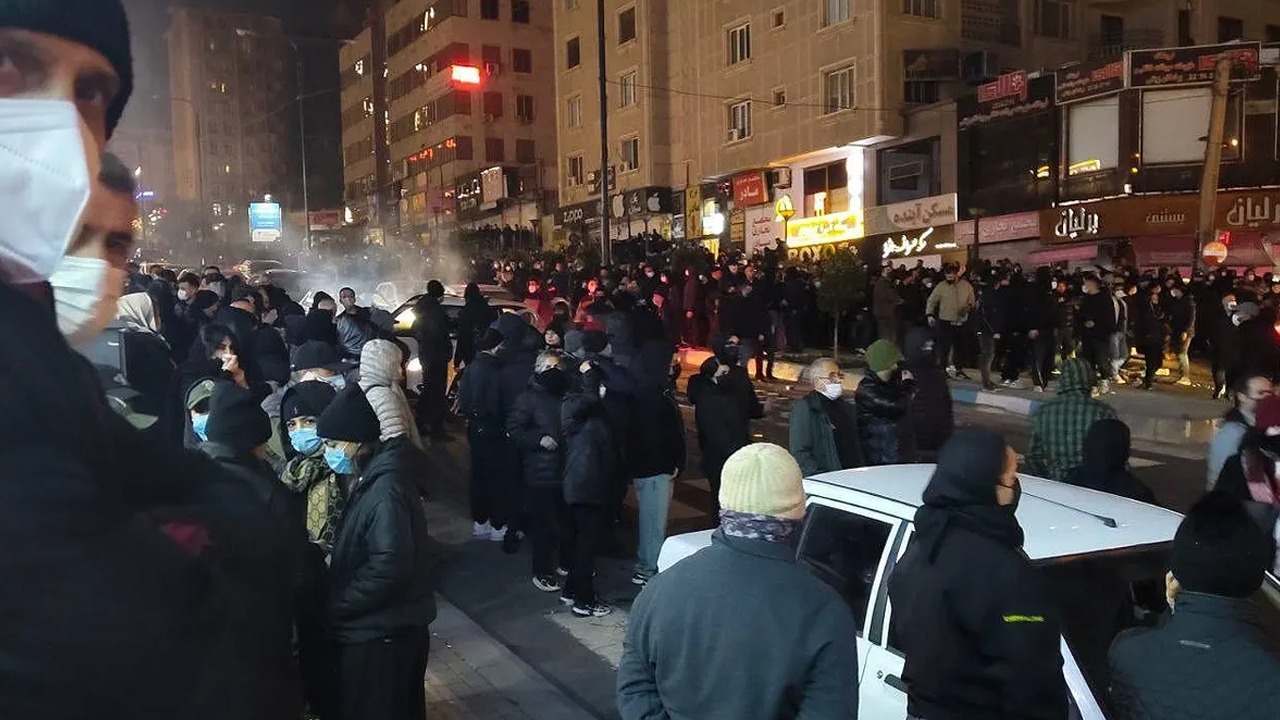
Iran has been gripped by intense anti-government protests for several days as the country faces mounting economic pressure from Western sanctions. Demonstrations have escalated after former US President Donald Trump openly expressed support for the protesters, a move Iranian leaders say has further inflamed unrest.
Iran’s Supreme Leader Ayatollah Ali Khamenei warned citizens not to “fall into Trump’s trap,” accusing the United States of having Iranian blood on its hands. Despite a nationwide internet shutdown for the past two days, international media outlets including The New York Times and The Times of Israel report that more than 50 people have been killed in clashes with security forces, including eight members of Iran’s elite Islamic Revolutionary Guard Corps (IRGC).
According to Al Jazeera, two consecutive nights of intense protests have taken place in Tehran and other major cities. In one incident, demonstrators reportedly set fire to a mosque in the capital and waved Iran’s pre-1979 revolution flag, symbolizing opposition to the Islamic Republic and nostalgia for the former monarchy.
Amid the unrest, Reza Pahlavi—the exiled son of Iran’s last Shah—has issued fresh calls for protests. In a message shared on social media, he described the current demonstrations as “unprecedented.” Speaking at a press conference in Paris following Israeli airstrikes in 2025 that killed several senior Iranian military commanders, Pahlavi said he is prepared to lead an interim government if the current system collapses.
Critics note, however, that despite more than four decades in exile, Pahlavi has failed to build a strong political organization or independent media network. His 2023 visit to Israel, where he attended a Holocaust remembrance event and met Prime Minister Benjamin Netanyahu, sparked further controversy. Nonetheless, some protesters have openly invoked his father’s legacy, chanting pro-monarchy slogans and displaying the old national flag.
A 60-year-old woman identified as Ladan told The New York Times that she joined the protests for a second consecutive night in Tehran’s Sa’adat Abad neighborhood, where she witnessed demonstrators setting a mosque on fire.
Protests spread again on Friday night to cities including Mashhad, Tabriz, Urmia, Isfahan, Karaj, and Yazd. Videos published by BBC Persian show crowds chanting anti-government slogans, calling for the death of Supreme Leader Khamenei and expressing support for the return of monarchy.
Iran’s state television urged citizens to stay away from demonstrations, warning parents not to allow their children to participate. Broadcasters cautioned that if violence breaks out and protesters are harmed, families should not lodge complaints.
Despite these warnings and the internet blackout, thousands continued to take to the streets. Amir Reza, a 42-year-old engineer in Tehran, said he heard gunfire and stun grenades. He reported that plainclothes militia and police began firing, prompting him to return home. According to him, security forces fired shots into the air to disperse crowds.
The protests began on December 28, when merchants at Tehran’s Grand Bazaar launched a peaceful demonstration. The movement quickly turned violent and has now continued for 13 consecutive days.
Iran has blamed the United States for the unrest, telling the UN Security Council that American provocation turned peaceful protests into violence. Trump has since issued fresh threats, warning that if the Iranian government kills protesters, the US would launch a “powerful attack” on Iran. He claimed that the Iranian government is currently “in serious trouble.”
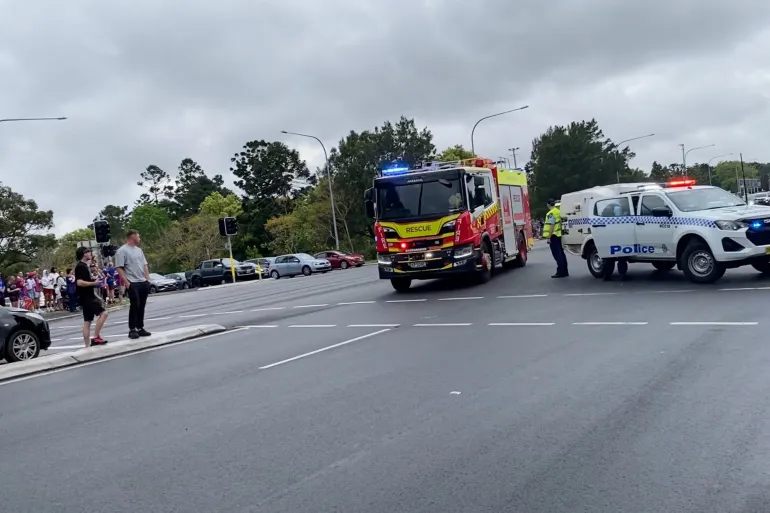
Darwin, October 04: Ten people, including three children, have been injured after a car crashed into a crowd of rugby league fans in Newcastle, eastern…
Darwin, October 4: Australia’s central bank has raised interest rates to their highest level in 15 years, increasing mortgage repayments for millions of Australian households….
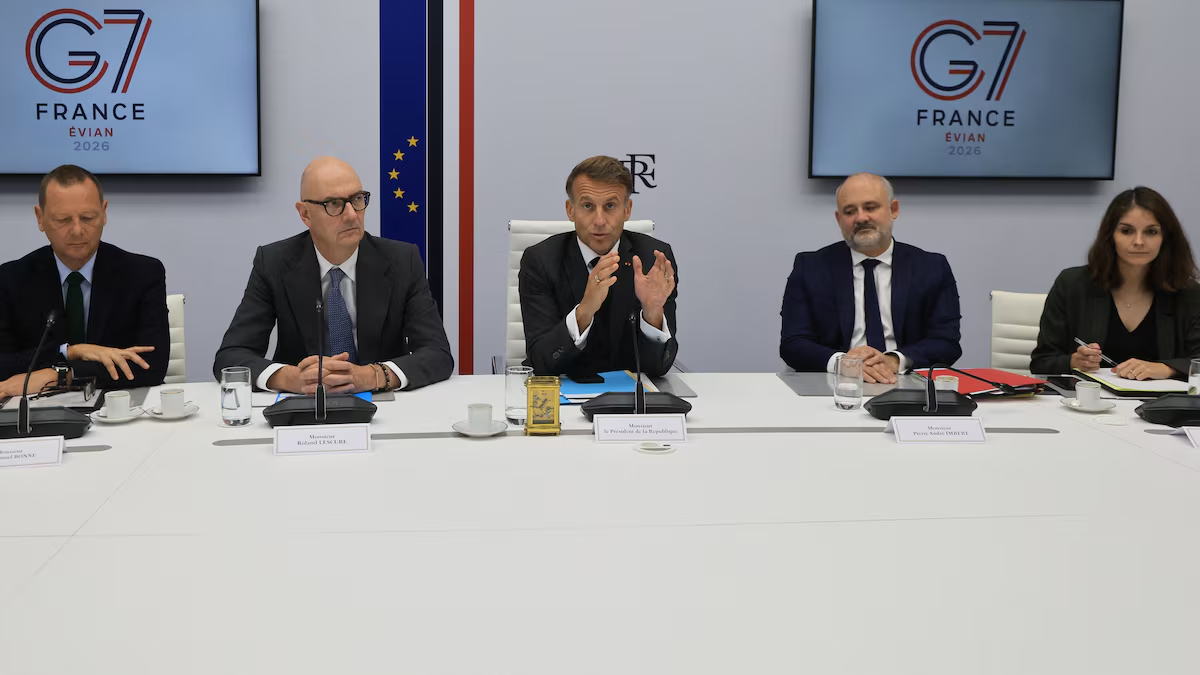
Darwin, October 3: Under pressure from US President Donald Trump to bring down rising fuel prices, G7 leaders are set to release up to 100…
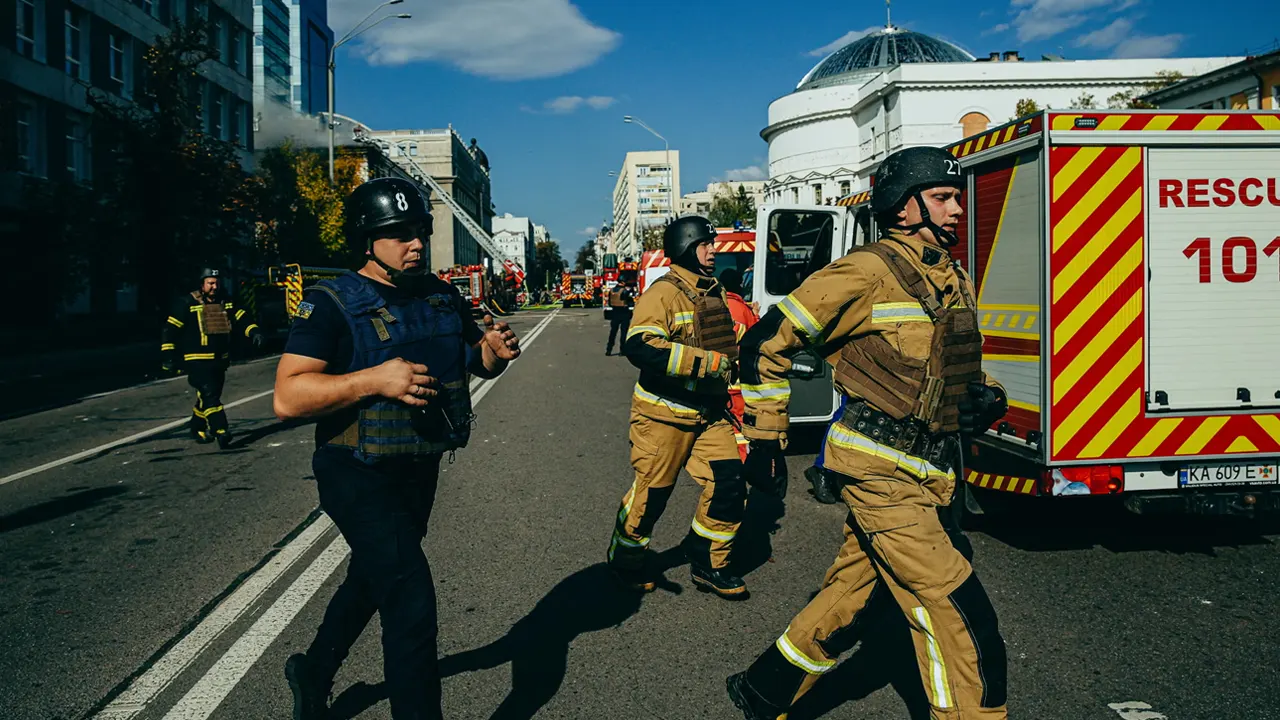
Darwin, October 3: Russia’s daily attacks are filling the lives of Kyiv residents with fear and uncertainty. From schools and hospitals to bridges, power plants…
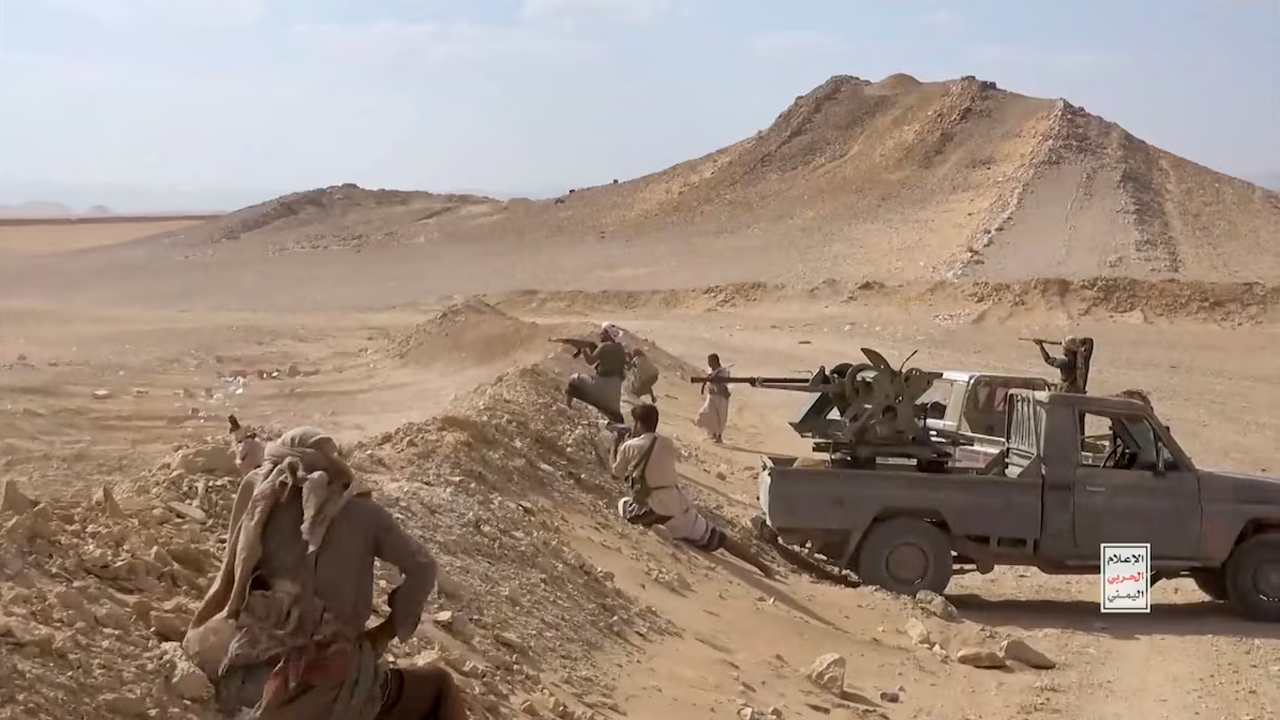
Darwin, October 3: At least 80 fighters have been killed over the past 24 hours in fierce fighting between Iran-backed Houthi rebels and Saudi-backed government…
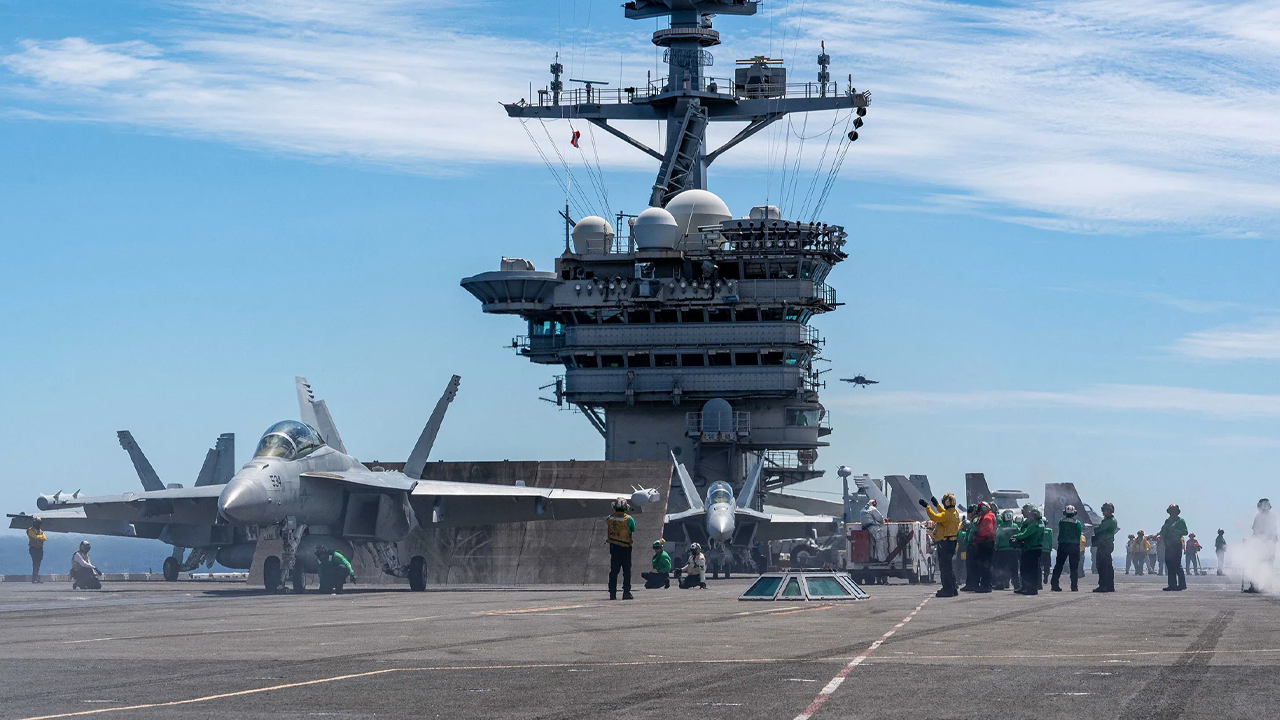
Darwin, October 3: As the Iran war enters its eighth month, the United States is sending a third aircraft carrier strike group to waters near…
Darwin, September 30 : The United States is preparing to withdraw its military forces from Iraq after more than two decades of war and the…
Darwin, September 30: Russia has urged Iran not to withdraw from the Treaty on the Non-Proliferation of Nuclear Weapons (NPT), calling on Tehran to remain…