Ten Injured After Car Ploughs Into Rugby League Fans in Australia
Darwin, October 04: Ten people, including three children, have been injured after a car crashed into a crowd of rugby league fans in Newcastle, eastern…



TEHRAN : While an internet blackout continues to shield the Iranian government’s actions from the world, a mounting body of evidence—including verified video and medic testimonies—suggests a massacre of historic proportions is unfolding.
From the Kahrizak Forensic Medical Centre in Tehran to the cemeteries of Mashhad, reports indicate that the official death tolls represent only a fraction of the actual fatalities.
Graphic footage verified by fact-checkers shows a warehouse-like facility at Kahrizak packed with bodies in black bags. In one clip, a truck is seen being unloaded of corpses while families attempt to identify loved ones from photos displayed on screens. Eyewitnesses describe bodies “stacked on top of each other,” with security forces reportedly hesitant to release them to grieving relatives.
In the north-eastern city of Mashhad, a mortuary worker reported a chilling scene: between 180 and 200 bodies with severe head injuries were brought in before sunrise on Friday and buried immediately under security supervision. Similar reports from Rasht suggest that 70 bodies were transferred to a single hospital mortuary on Thursday alone.
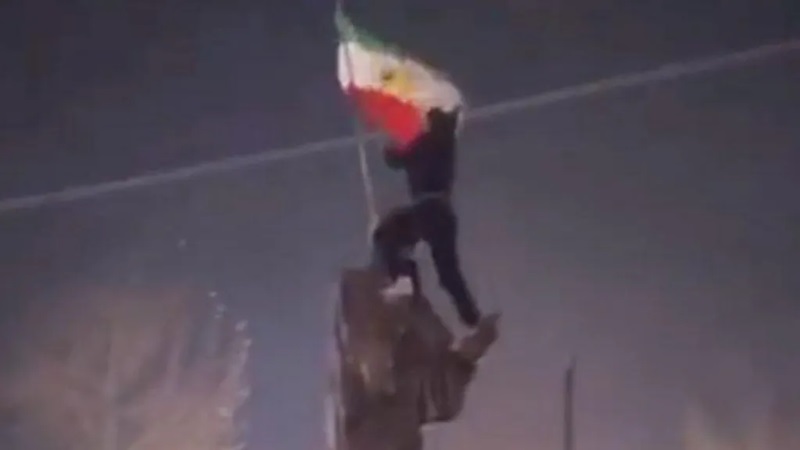
Images posted on Thursday from Khorramabad in western Iran showed a man holding Iran’s pre-revolutionary flag
Perhaps most disturbing are allegations that security forces have demanded “bullet payments”—reimbursement for the ammunition used to kill the protesters—before releasing remains to their families.
Eyewitnesses in Fardis and Tehran describe a “one-sided war.” While state media claims 100 security personnel have been killed by “rioters,” protesters describe a different reality:
Unmarked cars driving into residential alleys, shooting at anyone in sight.
Paramilitary forces on motorcycles charging crowds with live ammunition.
Medics report head and eye injuries are the most common, with many facilities unable to cope with the sheer volume of trauma.
UN Secretary-General António Guterres stated he is “shocked” by the reports of excessive force. With Norway-based Iran Human Rights (IHRNGO) confirming at least 648 deaths, the international community is facing increased pressure to intervene as the “wall of silence” begins to crack via Starlink satellite connections.
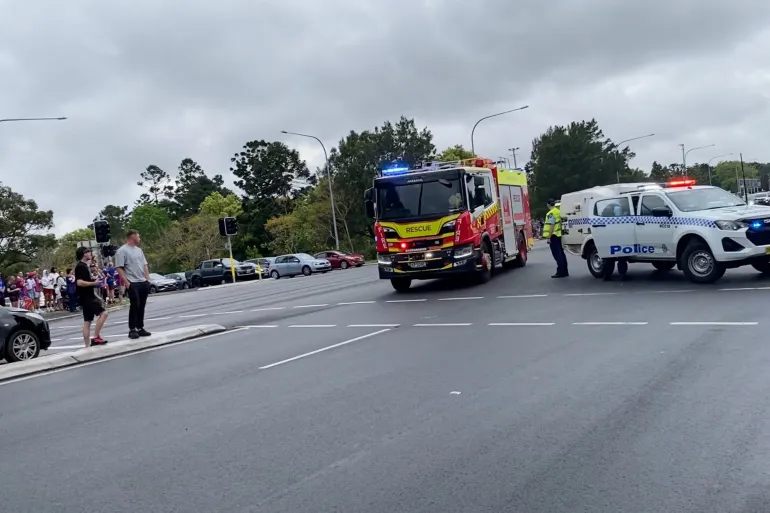
Darwin, October 04: Ten people, including three children, have been injured after a car crashed into a crowd of rugby league fans in Newcastle, eastern…
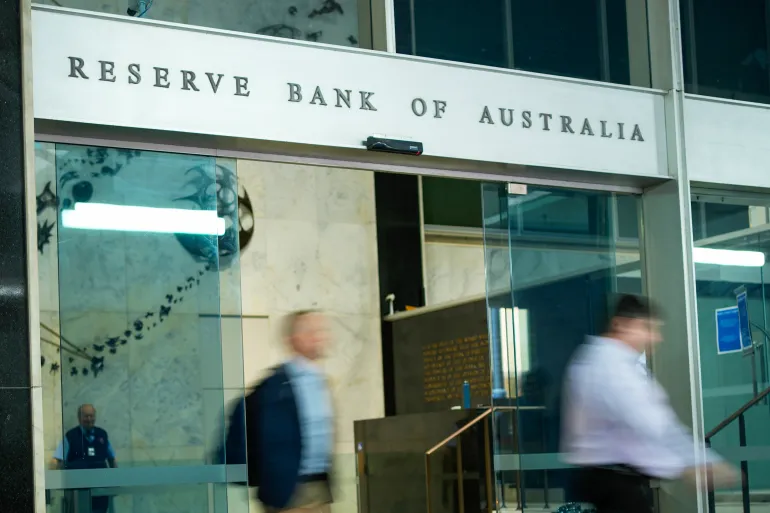
Darwin, October 4: Australia’s central bank has raised interest rates to their highest level in 15 years, increasing mortgage repayments for millions of Australian households….

Darwin, October 3: Under pressure from US President Donald Trump to bring down rising fuel prices, G7 leaders are set to release up to 100…
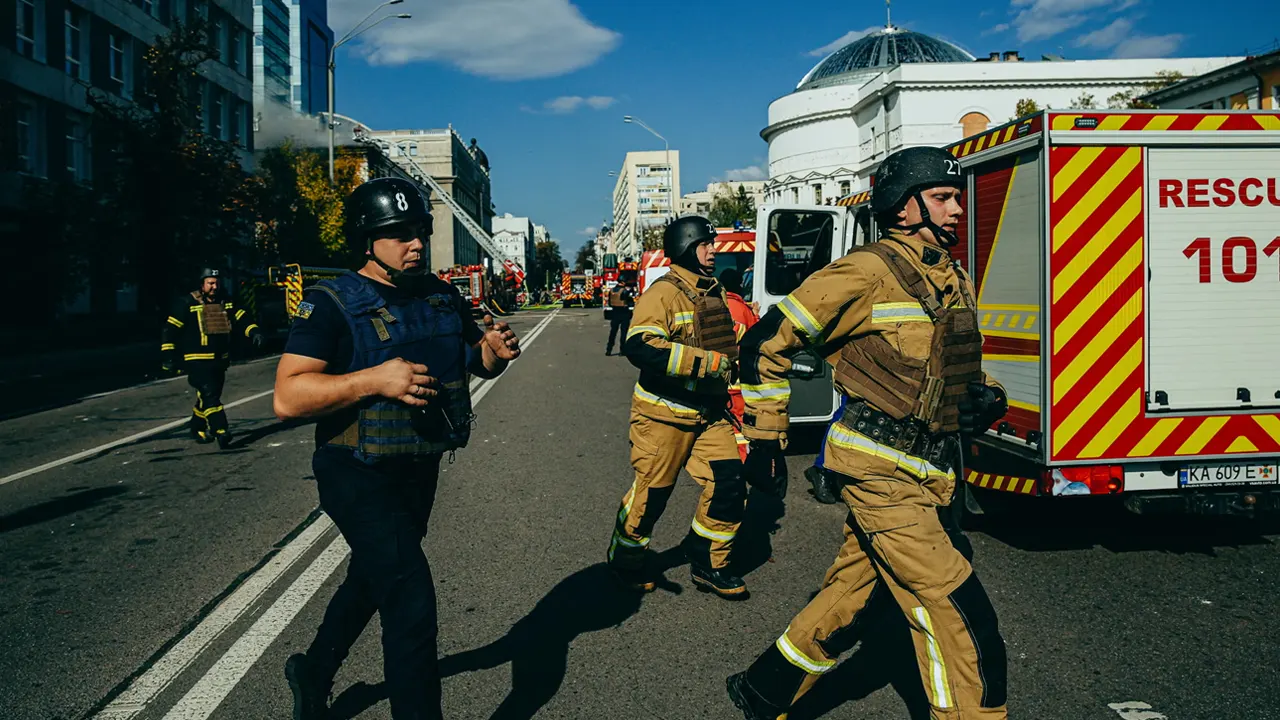
Darwin, October 3: Russia’s daily attacks are filling the lives of Kyiv residents with fear and uncertainty. From schools and hospitals to bridges, power plants…
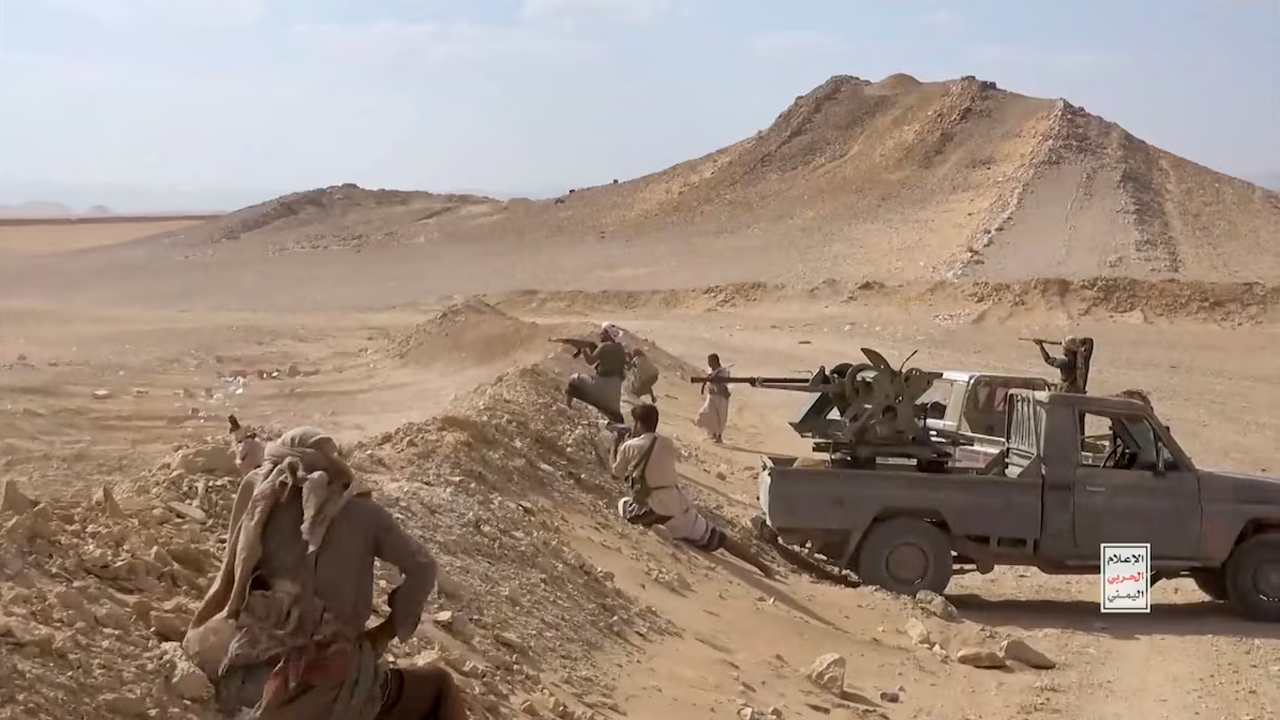
Darwin, October 3: At least 80 fighters have been killed over the past 24 hours in fierce fighting between Iran-backed Houthi rebels and Saudi-backed government…
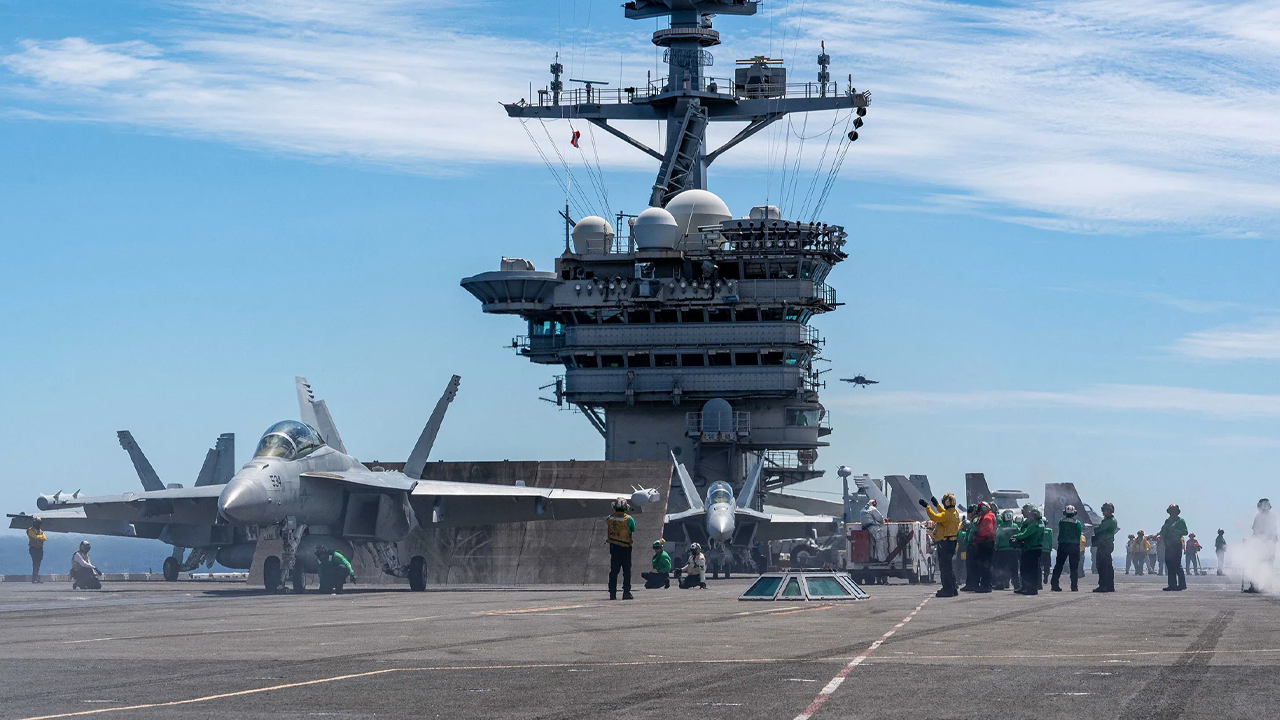
Darwin, October 3: As the Iran war enters its eighth month, the United States is sending a third aircraft carrier strike group to waters near…
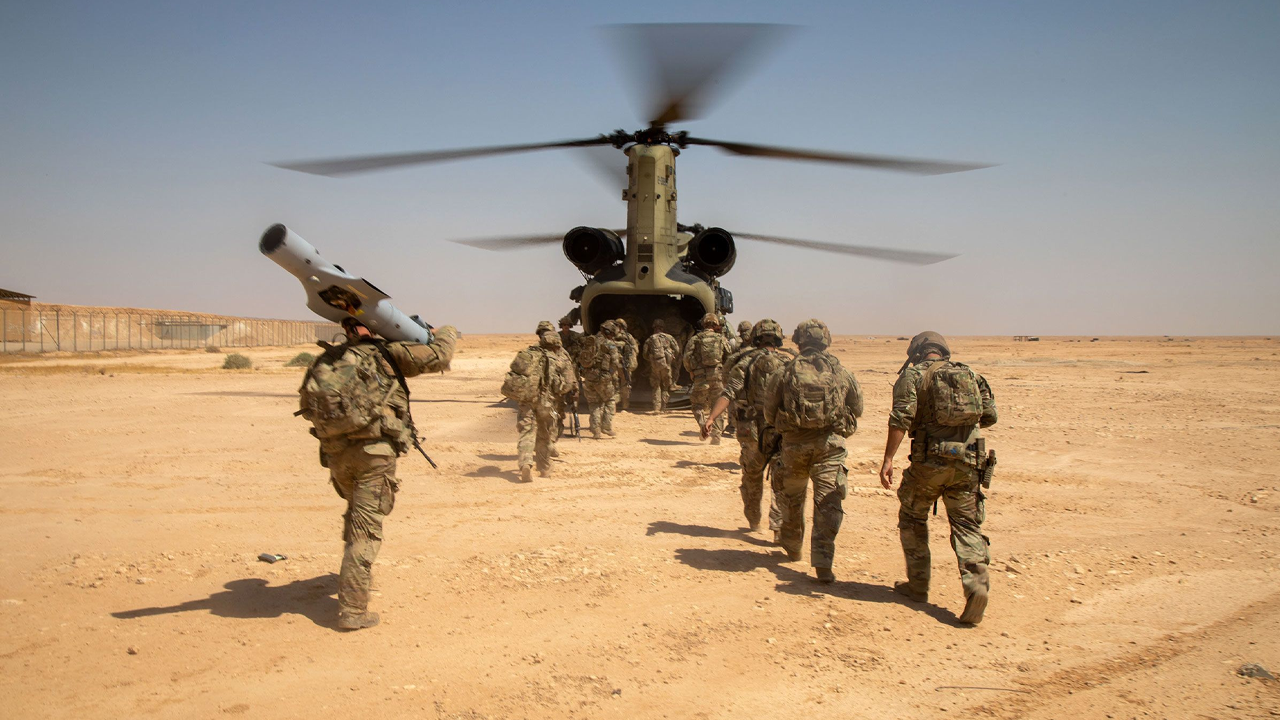
Darwin, September 30 : The United States is preparing to withdraw its military forces from Iraq after more than two decades of war and the…
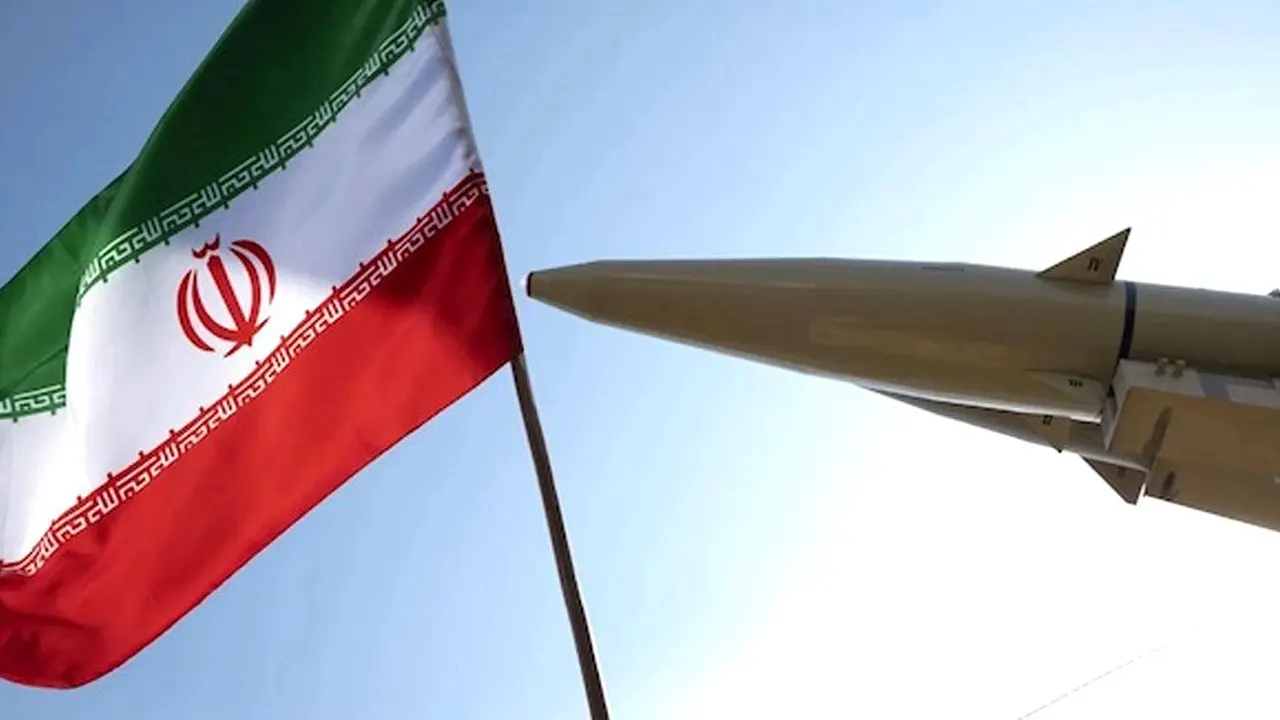
Darwin, September 30: Russia has urged Iran not to withdraw from the Treaty on the Non-Proliferation of Nuclear Weapons (NPT), calling on Tehran to remain…