UK–US Drug Deal Could Lead to 229,000 Additional Deaths in Britain, Study Warns
Darwin, 03 July : A new study has warned that a pharmaceutical trade agreement between the United Kingdom and the United States could result in…



Darwin, 19 January: Brussels — Calls are growing within the European Union (EU) for unprecedented economic countermeasures after U.S. President Donald Trump threatened to impose higher tariffs on European allies over the Greenland issue.
On Sunday, EU leaders urged the activation of the bloc’s so-called “Anti-Coercion Instrument” (ACI), a special mechanism that has never been used before in Europe.
President Trump has warned that the United States will gradually raise tariffs on Denmark, Sweden, France, Germany, the Netherlands and Finland, along with the United Kingdom and Norway, unless Washington is allowed to purchase Greenland.
These countries are already subject to U.S. tariffs of 10 to 15 percent. Trump announced the latest tariff threat on Saturday, citing the deployment of a limited number of troops to Greenland for NATO military exercises.
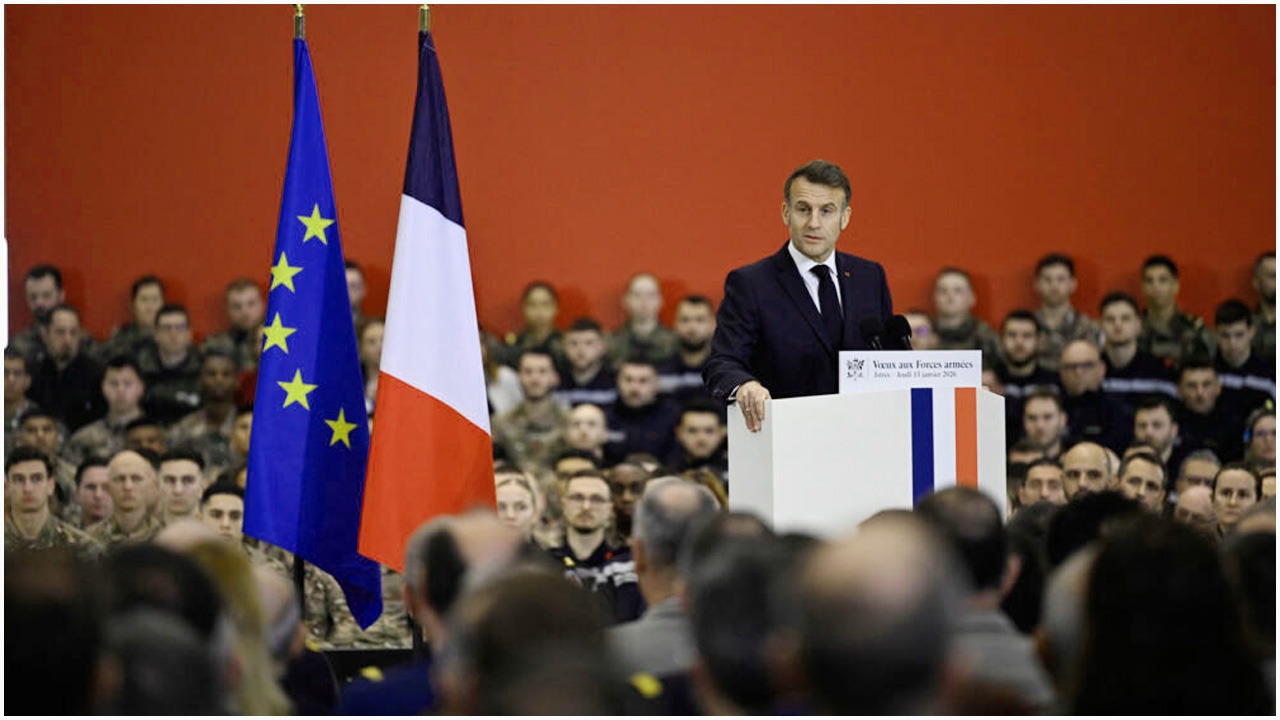
Following the threat, Cyprus — the current holder of the EU presidency — convened an emergency meeting of EU ambassadors in Brussels on Sunday. A source close to French President Emmanuel Macron said he has begun working to build a coordinated European response and is strongly pushing for activation of the ACI.
Under this mechanism, the EU could restrict U.S. access to public procurement tenders within the bloc or impose limitations on trade in services.
Bernd Lange, chair of the German parliament’s trade committee, and Valérie Hayer, leader of the Renew Europe group in the European Parliament, echoed the same demand in social media posts. Germany’s engineering industry association has also voiced support for activating the measure.
However, several EU diplomats cautioned that escalating tensions with the United States at this stage may not be advisable.
Diverging views and the UK’s position
Italian Prime Minister Giorgia Meloni, widely seen as closer to Trump than many other European leaders, described the tariff threat as “wrong.” She said she had spoken with President Trump a few hours earlier and that he would also discuss the matter with other European leaders on Sunday. Italy has not sent any troops to Greenland so far.
UK Culture Secretary Lisa Nandy said allies must work with the United States to find a solution. She stressed that Britain’s position on Greenland is non-negotiable and that all sides aim to avoid a war of words.
Trade deals at risk
Trump’s tariff threats have cast doubt on several limited trade agreements signed between the United States and its partners — including a U.S.–UK deal in May and a U.S.–EU agreement in July. While U.S. tariffs were to remain in place under these agreements, partner countries had agreed to reduce their own import duties.
The European Parliament is now expected to consider suspending the approval process for the July EU–U.S. trade agreement. A vote on lowering EU import tariffs was scheduled for January 26–27, but Manfred Weber, leader of the European People’s Party, said approval is unlikely for the time being.
Meanwhile, amid the escalating tensions, the EU has signed what it describes as its largest-ever free trade agreement with the South American Mercosur bloc.
European Commission President Ursula von der Leyen said the deal sends a strong message to the world: “We choose fair trade over tariffs, and long-term partnerships over isolation.”
Source: Reuters
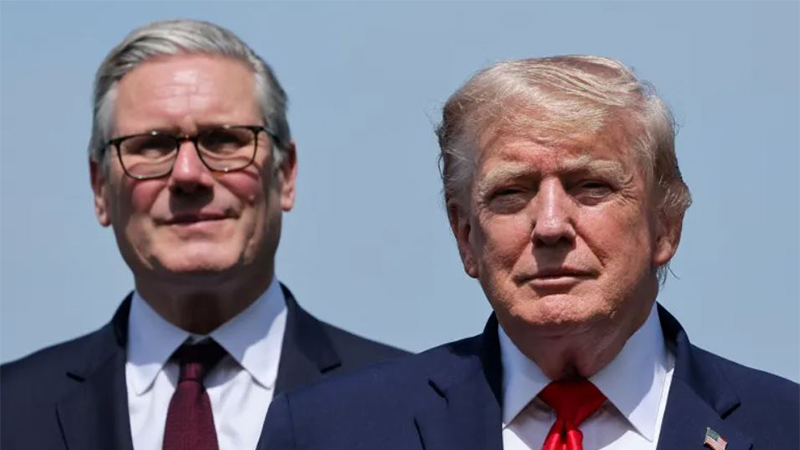
Darwin, 03 July : A new study has warned that a pharmaceutical trade agreement between the United Kingdom and the United States could result in…
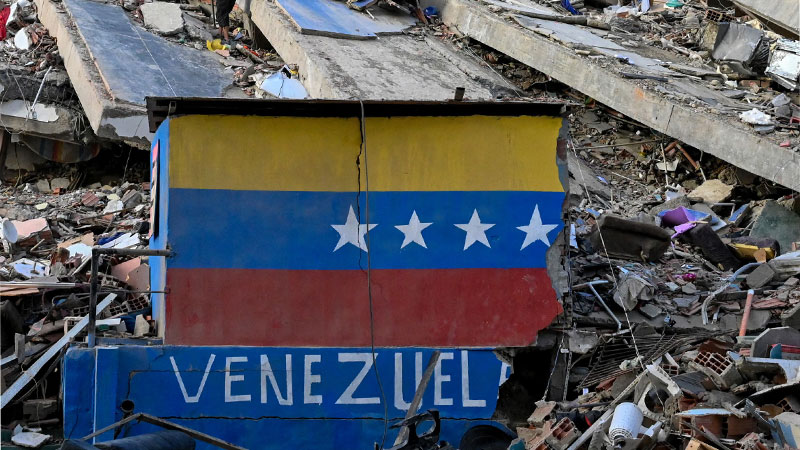
Darwin, 03 July : The death toll from the devastating earthquake that struck Venezuela a week ago has risen to 2,300, while more than 11,000…
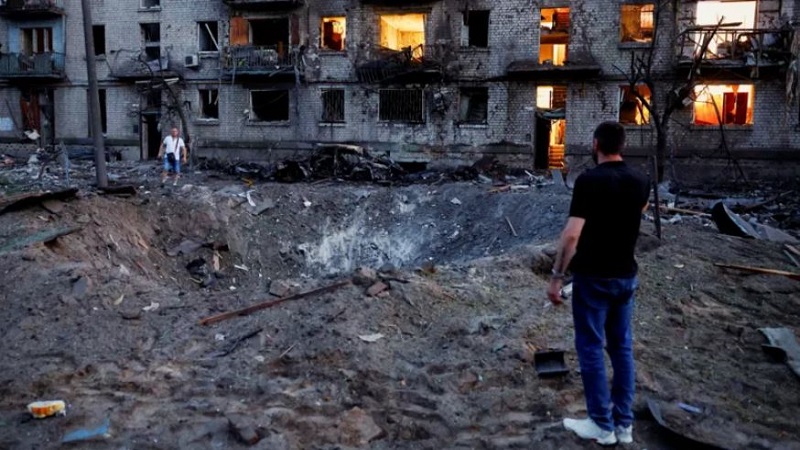
Darwin, 03 July : At least 18 people were killed and nearly 90 others injured after Russia launched a massive overnight drone and missile attack…

Darwin, 01 July : Sea surface temperatures reached a new record high in June this year, raising concerns over the possibility of another period of…
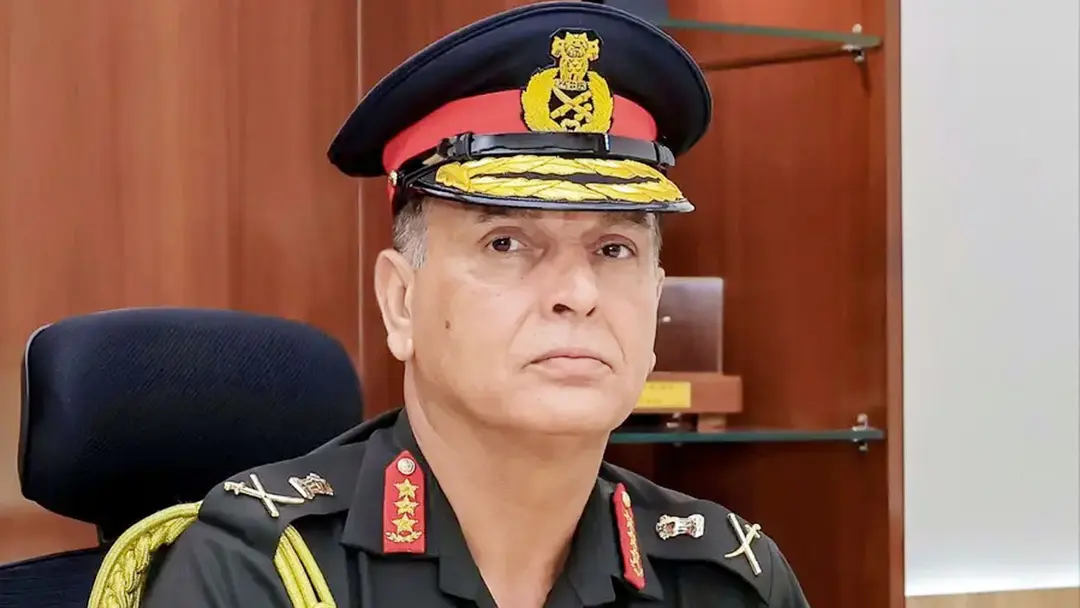
Darwin, 01 July : General Dhiraj Seth has taken charge as the new Chief of the Indian Army. He was appointed to the post on…

Darwin, 01 July : A three-year-old boy was rescued alive from beneath the rubble in Venezuela’s capital, Caracas, on Tuesday, six days after a devastating…

Darwin, 01 July : Iran and Oman have held the first meeting of their joint committee to discuss the future management of the Strait of…
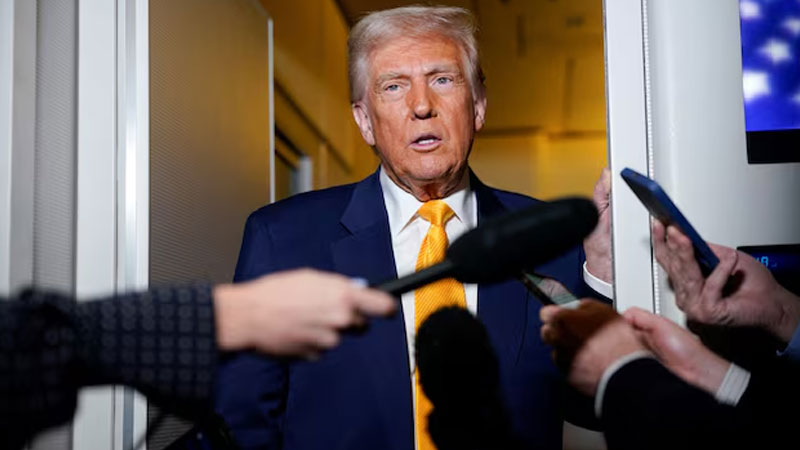
Darwin, 30 June: U.S. President Donald Trump has expressed frustration that consumers are not benefiting from the recent decline in global crude oil prices. Calling…