Silver, Platinum and Palladium Prices Fall in Global Markets
Darwin, September 8: Precious metal prices declined in the international market on Tuesday. In the spot market, silver prices fell 0.5% to $65.76 per ounce….



Darwin, 05 March:
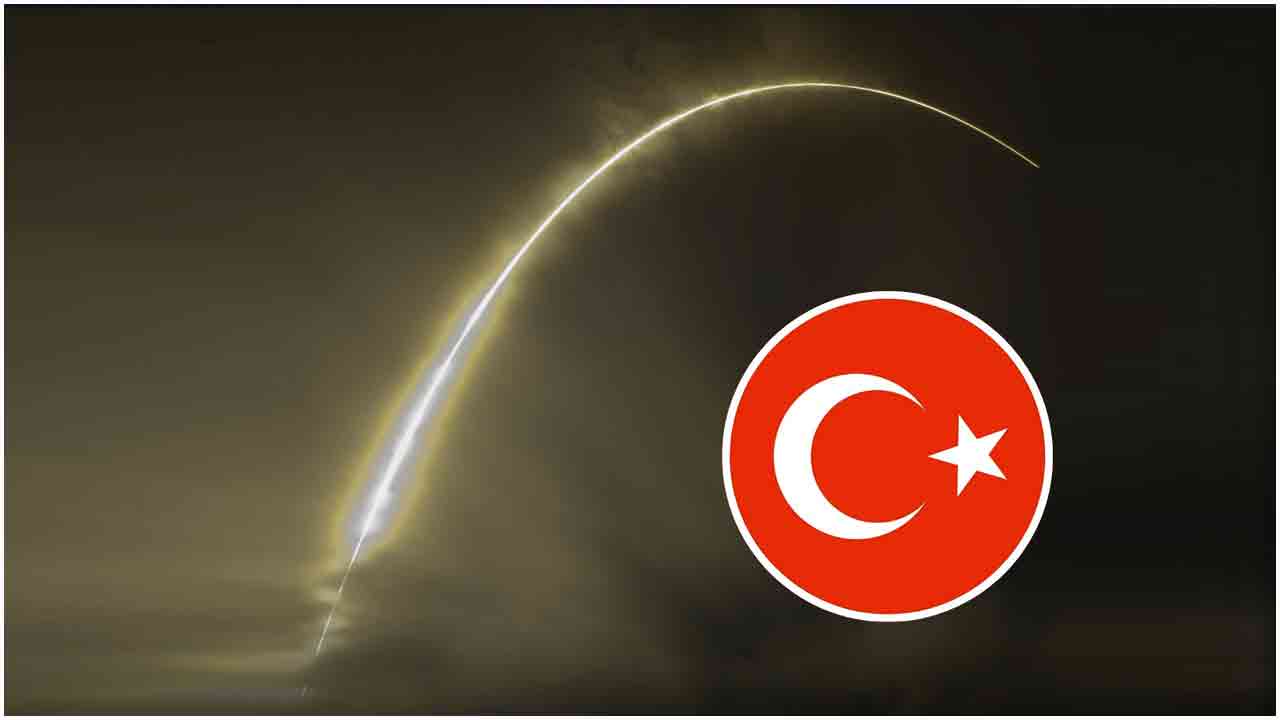
Turkey has issued a stern warning to Iran following what officials described as a missile incident near Turkish airspace, urging Tehran to avoid actions that could further destabilize the region. The development comes at a time of heightened tensions across the Middle East, with international actors calling for restraint.
According to international media reports, Turkish authorities said a projectile believed to have originated from Iran was detected and intercepted before it posed a direct threat. Ankara emphasized that any escalation could have serious consequences for regional security and urged diplomatic channels to remain open.
The North Atlantic Treaty Organization (NATO) strongly condemned the incident, reiterating its commitment to the collective defense of member states. In a statement, NATO officials stressed that any attack or provocation targeting alliance territory would be taken seriously and addressed in line with Article 5 obligations.
Turkish officials underscored that while the missile was neutralized before impact, the episode highlights the fragile security environment in the region. They called on Iran to refrain from steps that could widen the conflict and urged all parties to prioritize dialogue over confrontation.
The incident unfolds against the backdrop of intensifying hostilities involving Iran and Western allies, raising concerns that localized clashes could spiral into a broader regional confrontation. Diplomatic sources say backchannel communications are ongoing in an effort to prevent further escalation.
Analysts note that Ankara, while maintaining complex relations with Tehran, remains firmly aligned with NATO’s collective security framework. Observers warn that continued provocations could test regional alliances and further strain diplomatic ties at a time when stability is already under pressure.
International stakeholders continue to call for de-escalation, stressing that protecting civilian lives and avoiding a wider war must remain the top priority.

Darwin, September 8: Precious metal prices declined in the international market on Tuesday. In the spot market, silver prices fell 0.5% to $65.76 per ounce….
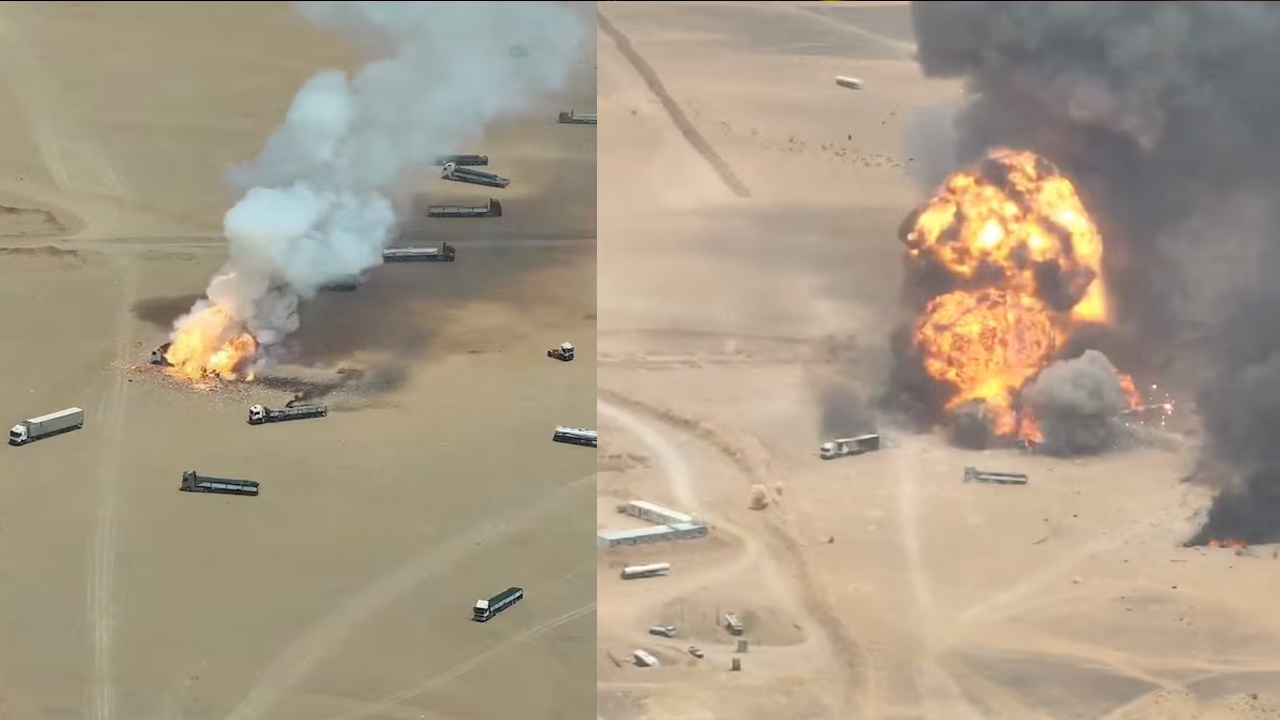
Darwin, Septermber 08 : At least 73 civilians, including women and children, have been injured in attacks by Yemen’s Houthi rebels targeting civilian and economic…

Darwin, 08 September : Ukraine has taken steps toward legalizing pornography as a way to raise funds for its war with Russia. According to The…
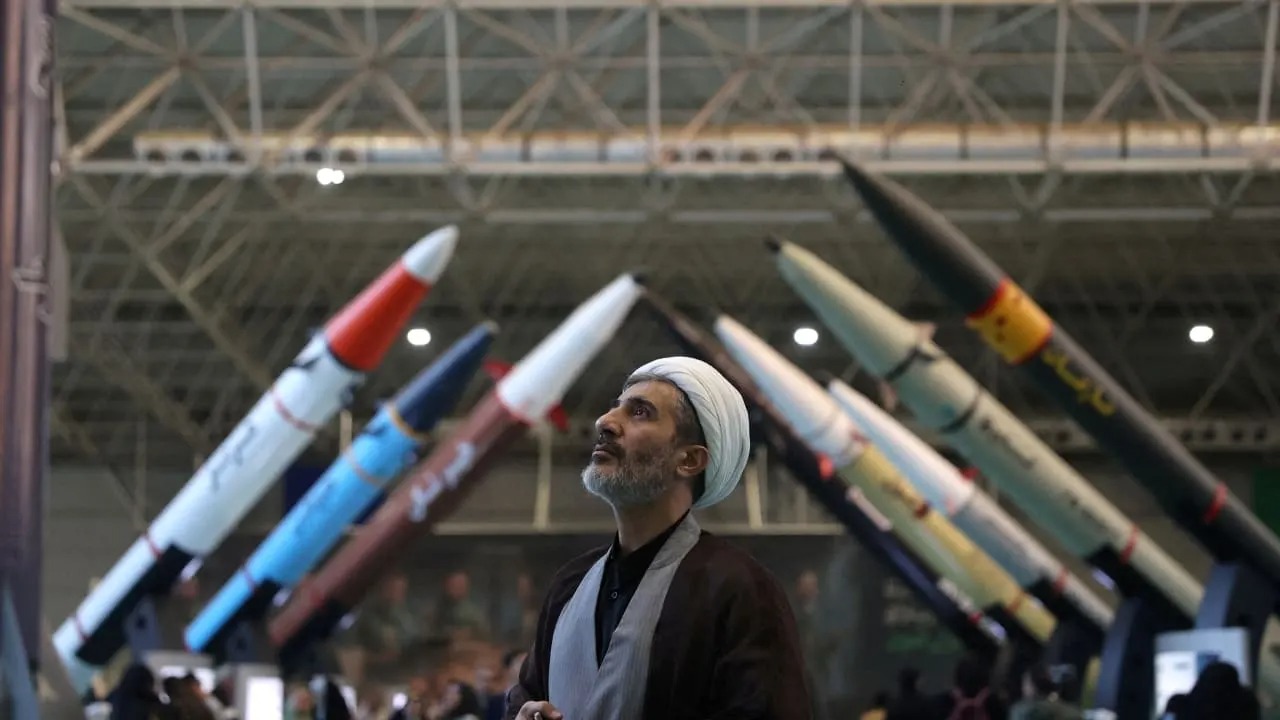
Darwin, September 07: Iran is preparing for a major, multi-front attack against Israel, according to an Israeli intelligence assessment. The report says Iran is seeking…
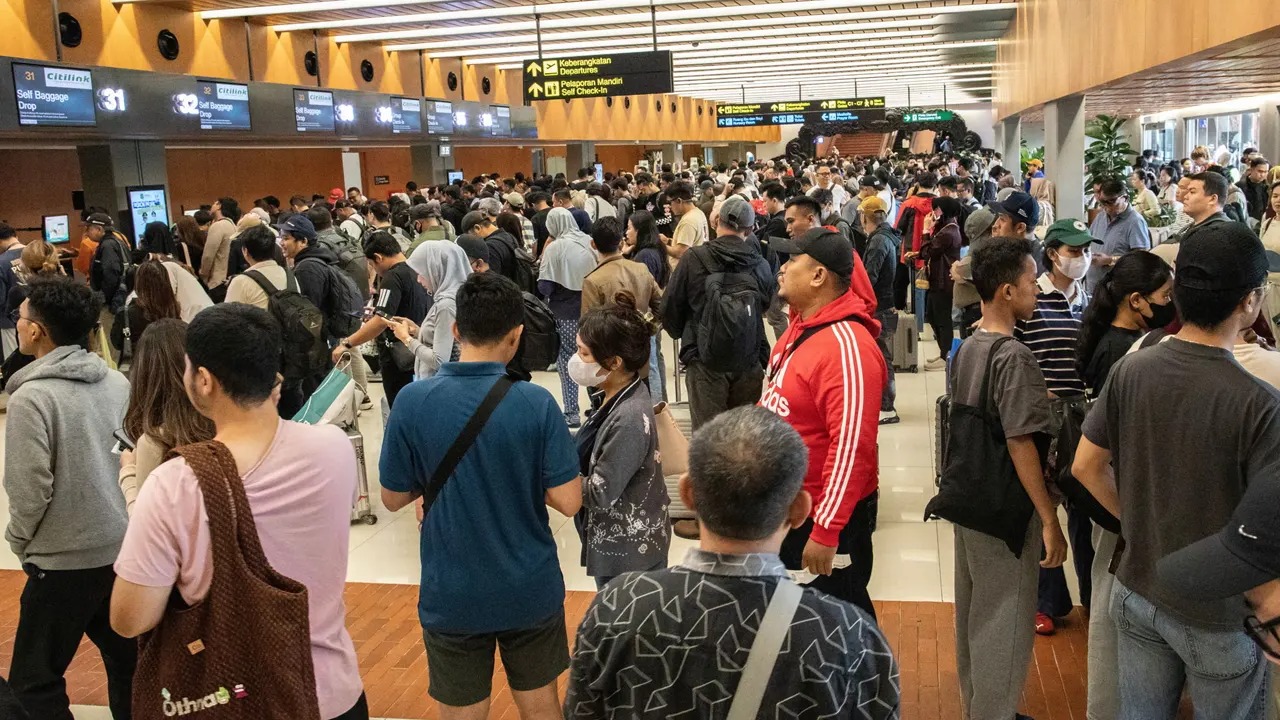
Darwin, 07 September: Air travel in Indonesia has been disrupted by ash from the eruption of Anak Krakatau volcano. As of Monday morning, seven airports,…
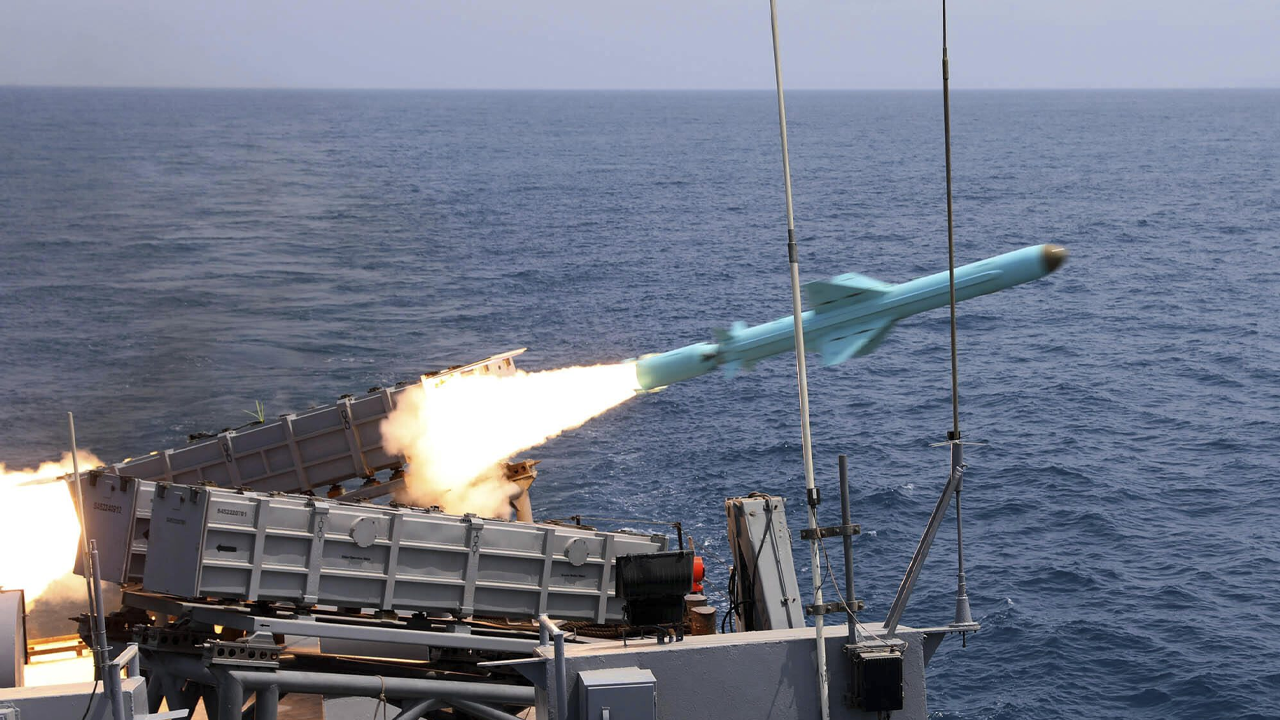
Darwin, September : Iran’s Islamic Revolutionary Guard Corps (IRGC) has launched ballistic missile attacks on a US aircraft carrier and a US Navy destroyer. In…
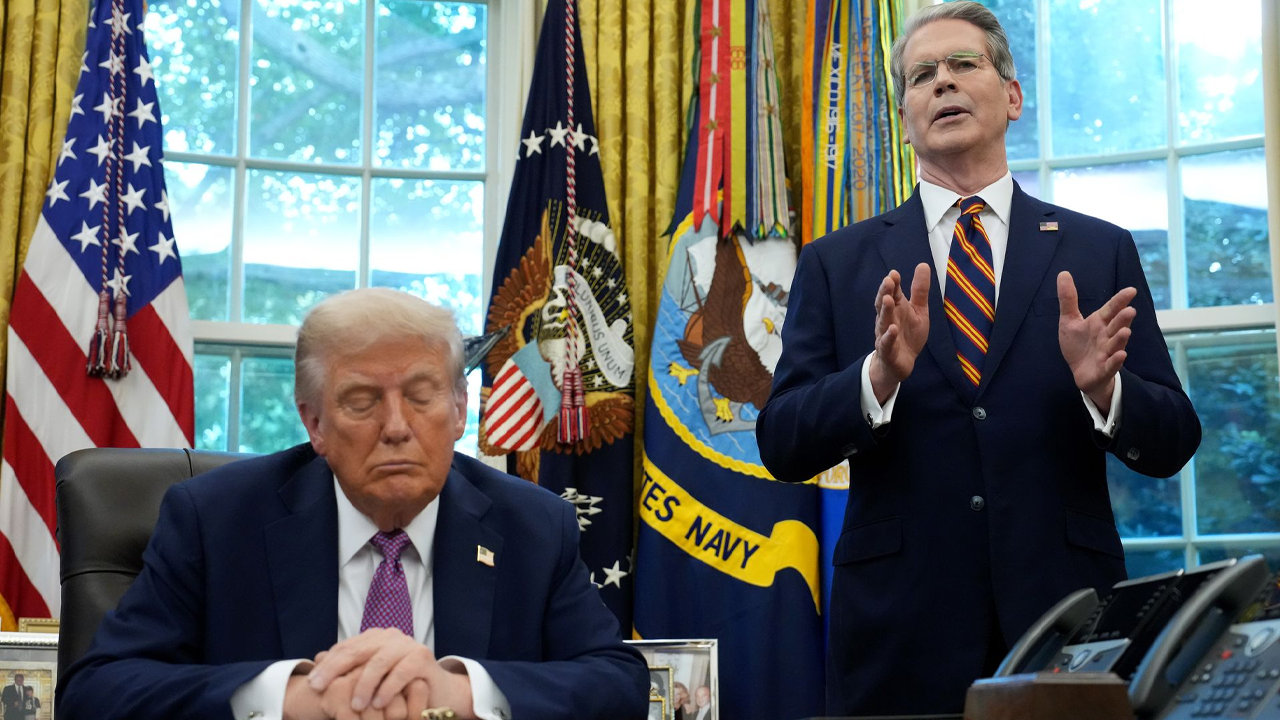
Darwin, September 05: The Trump administration’s efforts to intensify economic pressure on Iran could accelerate the emergence of a new global order less dependent on…
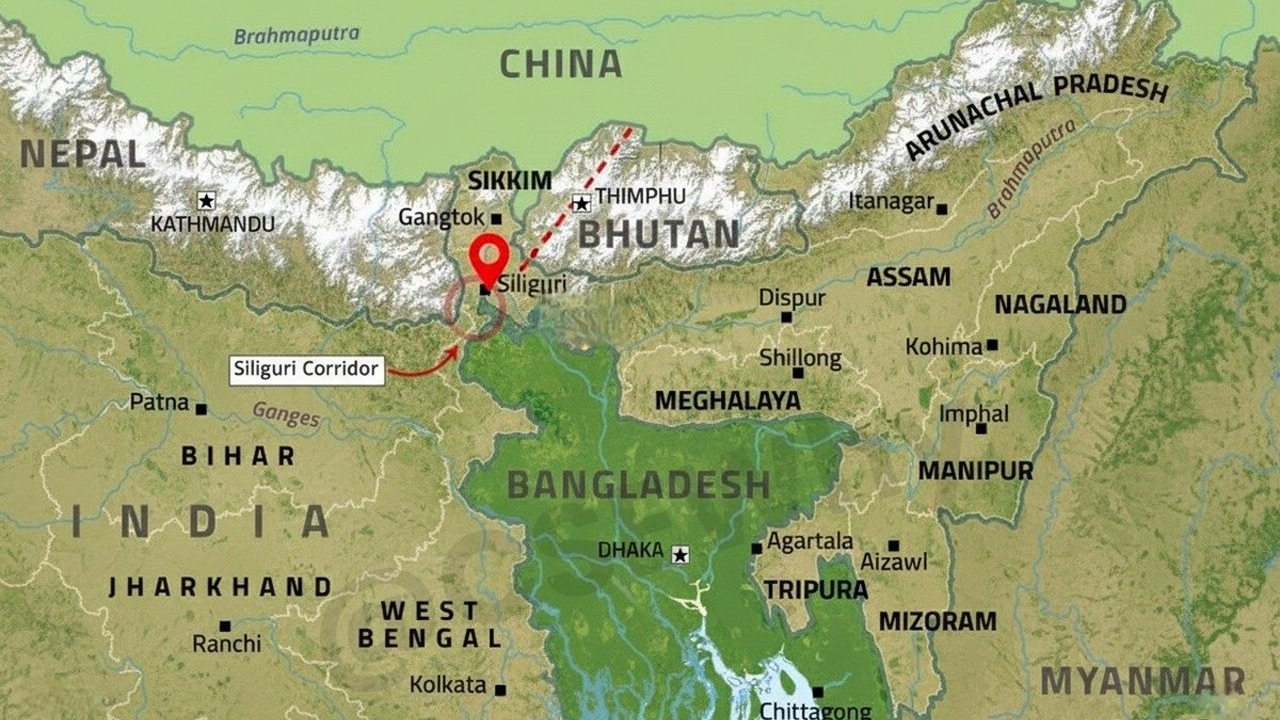
Darwin, September 04 : India’s central government has allocated Rs 2,077 crore for the construction of a new four-lane highway in the strategically important Siliguri…