Silver, Platinum and Palladium Prices Fall in Global Markets
Darwin, September 8: Precious metal prices declined in the international market on Tuesday. In the spot market, silver prices fell 0.5% to $65.76 per ounce….



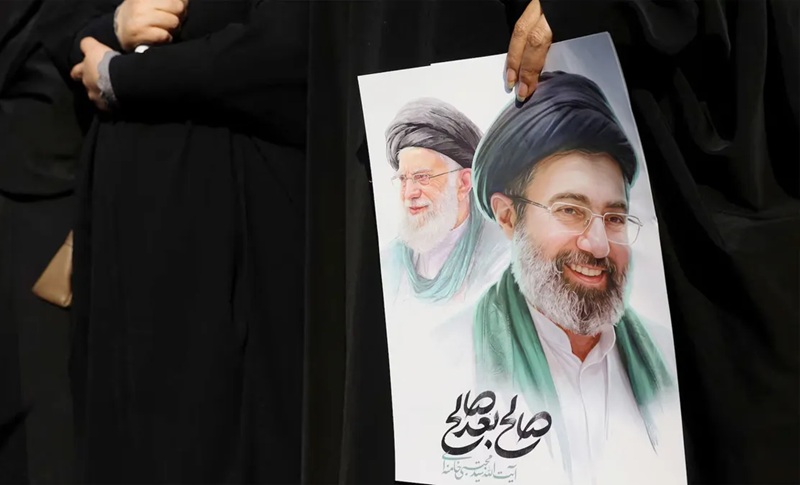
Darwin, 13 March: Despite 12 days of extensive attacks by the United States and Israel, Washington does not see any possibility of the collapse of Iran’s ruling Islamic Republic government.
This information was reported by Reuters, citing at least four senior U.S. intelligence officials involved with the war in Iran.
Several intelligence reports regarding the Iran war and the possibility of the fall of the ruling Islamic Republic have already been submitted to the U.S. Central Intelligence Agency.
One U.S. official told Reuters that since the beginning of the attacks, there has been no indication that the Iranian government might collapse.
On the contrary, public acceptance of the ruling Islamic Republic appears to be increasing, even though much of that support had eroded during the anti-government protests in December and January.
The Iran–U.S.–Israel war began on October 28 with joint attacks by the United States and Israel in Tehran. Earlier, from February 6 to February 27, Iran and the United States held 21 days of negotiations regarding Iran’s nuclear program. The talks ended on February 27 without any agreement.
The following day, February 28, the U.S. military launched “Operation Epic Fury” in Iran. At the same time, Israel began its own military campaign in Iran called “Operation Roaring Lion.”
On the first day of the war, October 28, Iran’s Supreme Leader Ayatollah Ali Khamenei was killed along with at least 40 other high-ranking military and civilian officials. Among those killed were several top commanders of Iran’s elite military force, the Islamic Revolutionary Guard Corps (IRGC).
In late December, Iran was shaken by intense anti-government protests. By mid-January 2026, the ruling Islamic Republic government in Tehran suppressed the demonstrations, reportedly killing around 15,000 people.
A few days before the attacks on Iran began, U.S. President Donald Trump had posted a video message calling on the Iranian people to seize power.
However, after the death of Supreme Leader Ayatollah Khamenei, Iran’s influential Assembly of Experts elected his son Mojtaba Khamenei as the new Supreme Leader. Many of the vacant positions left by the deaths of senior IRGC commanders and officials have also already been filled.
A U.S. official told Reuters that Israel strongly opposes the survival of the Islamic Republic government in Iran. However, at this stage of the war, President Trump is not willing to send ground troops to Iran.
U.S. intelligence officials also said that Washington had considered deploying Kurdish rebel fighters to weaken the IRGC. U.S. officials have already held meetings with Kurdish leaders in Iraq regarding this issue.
The main bases of Iranian Kurdish rebel forces are located in neighboring Iraq. From there, Kurdish fighters cross the border and carry out attacks on Iran’s regular military forces and the IRGC.
Abdullah Mohtabi, leader of the Kurdish political party Komala and a coalition of six Kurdish political groups, told Reuters in an interview on Wednesday:
“Our hundreds of thousands of Kurdish fighters are ready to confront the IRGC. If the United States gives the signal, they will begin entering Iran in large numbers.”
However, U.S. intelligence officials say Washington remains uncertain about this option. There are serious doubts about whether Kurdish armed groups have sufficient numbers, skills, and ammunition to pose an effective threat to the IRGC.
Moreover, President Trump is also not in favor of this plan. He has already said that he does not want Kurdish fighters to enter Iran from Iraq.
Under these circumstances, Reuters contacted the White House to ask about the United States’ next steps, but no spokesperson agreed to comment on the matter.

Darwin, September 8: Precious metal prices declined in the international market on Tuesday. In the spot market, silver prices fell 0.5% to $65.76 per ounce….
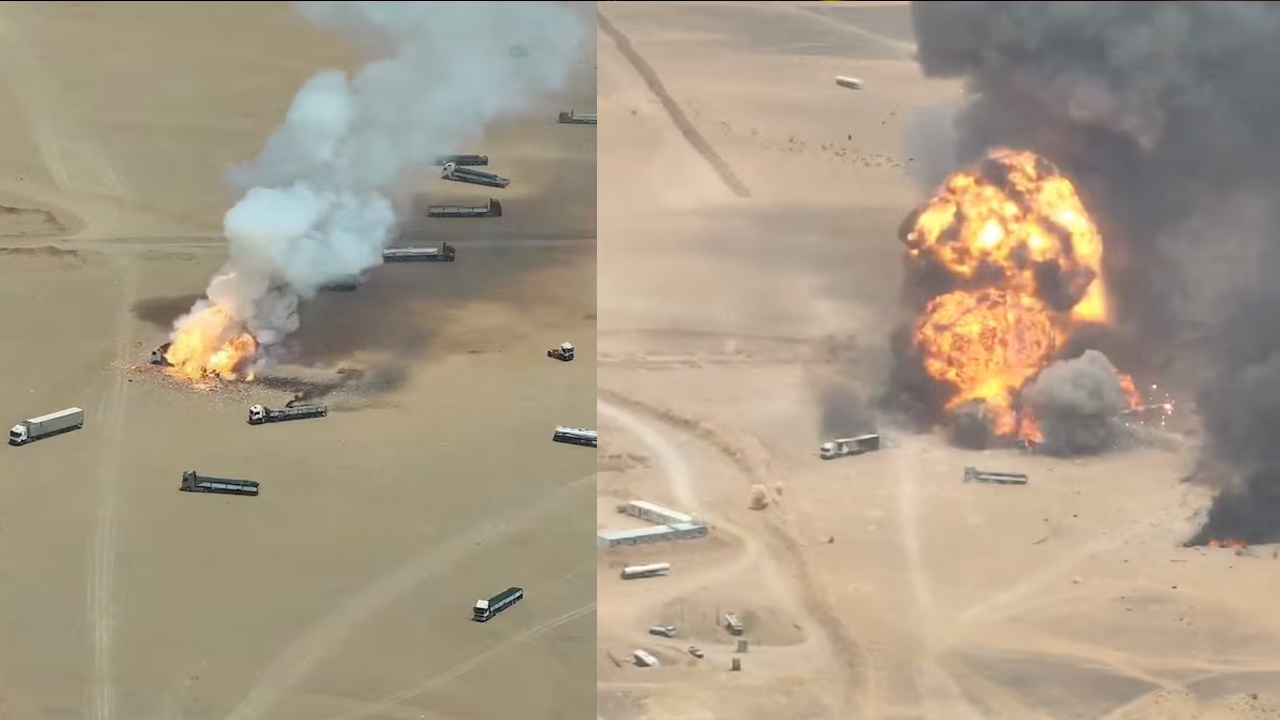
Darwin, Septermber 08 : At least 73 civilians, including women and children, have been injured in attacks by Yemen’s Houthi rebels targeting civilian and economic…

Darwin, 08 September : Ukraine has taken steps toward legalizing pornography as a way to raise funds for its war with Russia. According to The…
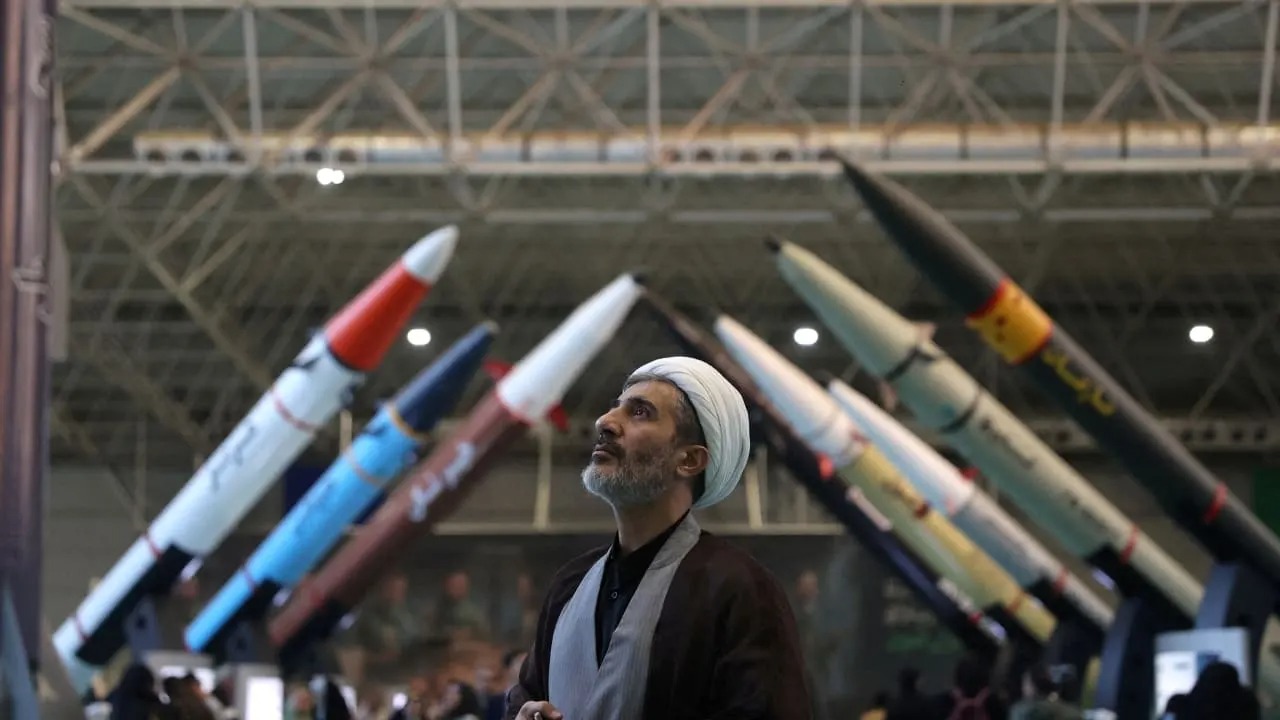
Darwin, September 07: Iran is preparing for a major, multi-front attack against Israel, according to an Israeli intelligence assessment. The report says Iran is seeking…

Darwin, 07 September: Air travel in Indonesia has been disrupted by ash from the eruption of Anak Krakatau volcano. As of Monday morning, seven airports,…
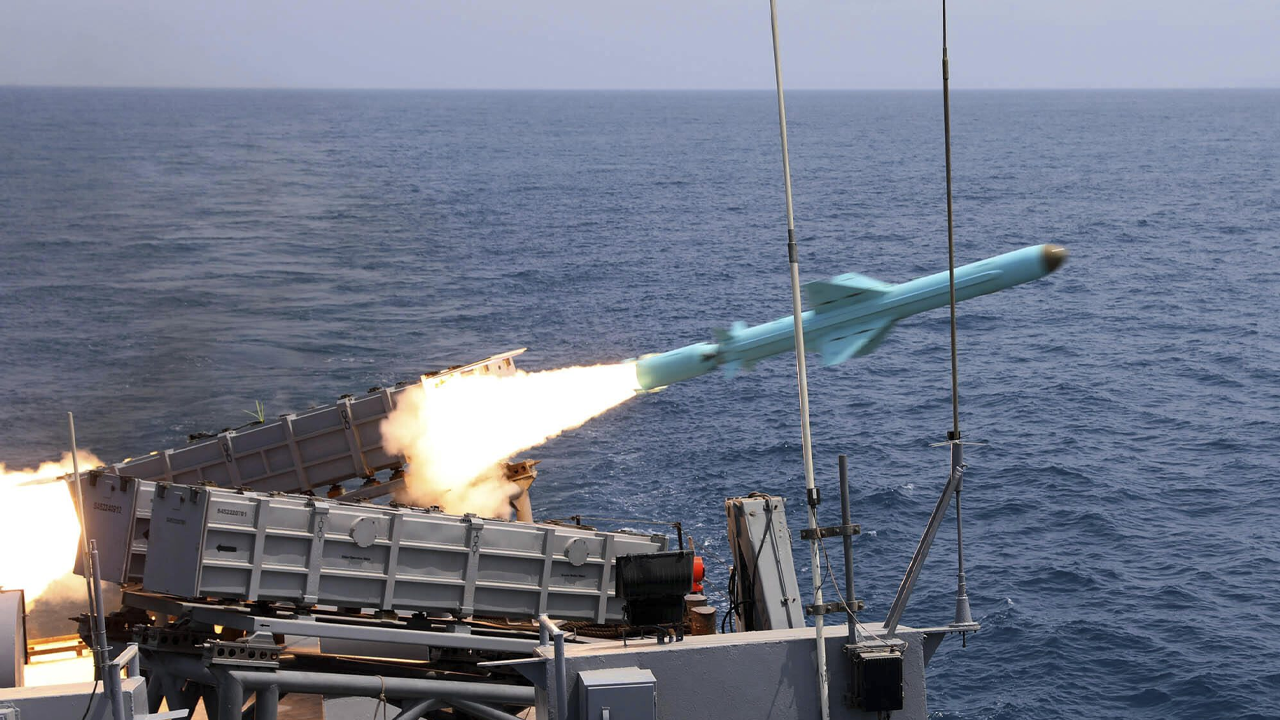
Darwin, September : Iran’s Islamic Revolutionary Guard Corps (IRGC) has launched ballistic missile attacks on a US aircraft carrier and a US Navy destroyer. In…
Darwin, September 05: The Trump administration’s efforts to intensify economic pressure on Iran could accelerate the emergence of a new global order less dependent on…
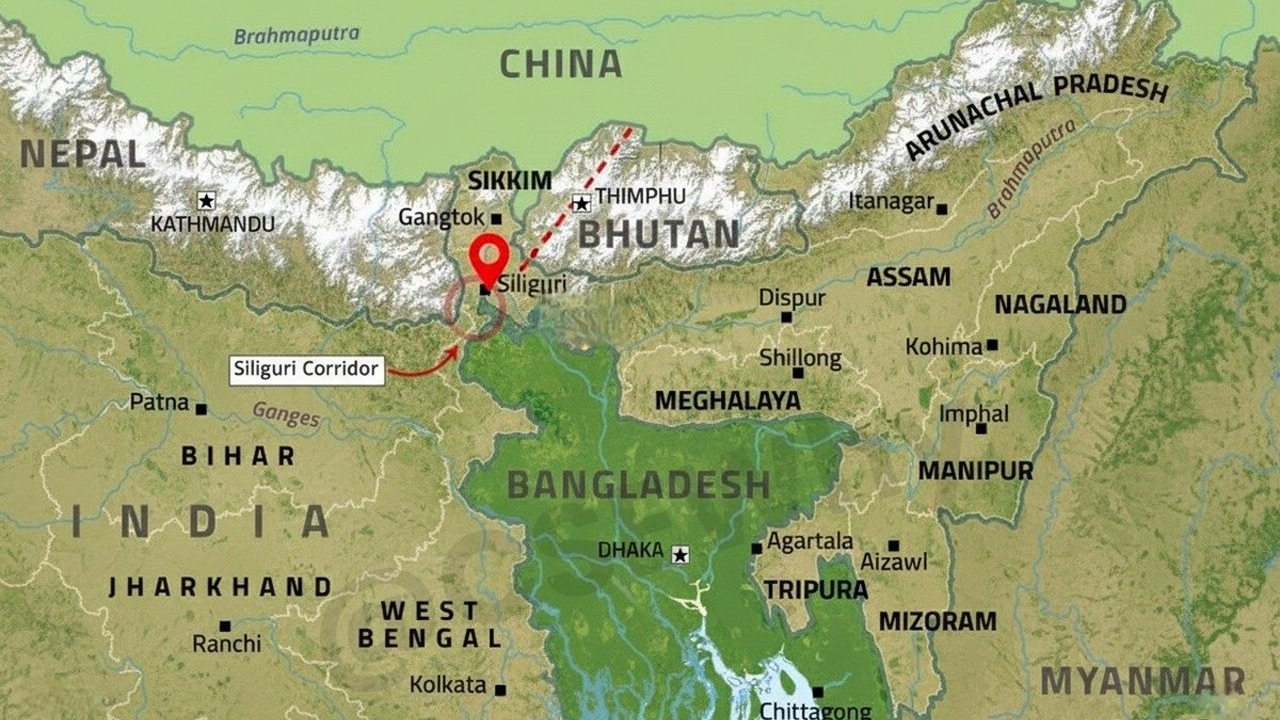
Darwin, September 04 : India’s central government has allocated Rs 2,077 crore for the construction of a new four-lane highway in the strategically important Siliguri…