US Forces to Leave Iraq After Two Decades and 4,500 Military Deaths
Darwin, September 30 : The United States is preparing to withdraw its military forces from Iraq after more than two decades of war and the…



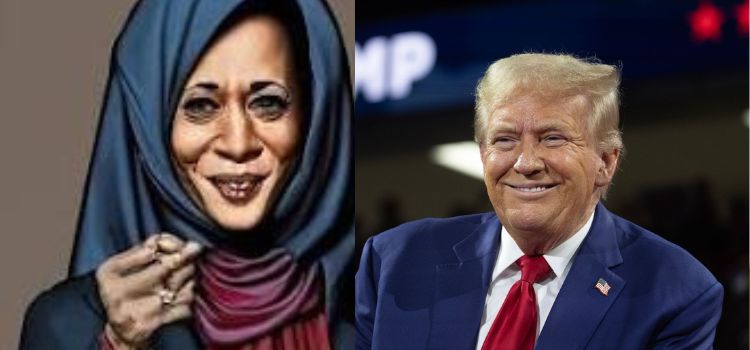
The 2024 presidential election has come to a historic conclusion with former President Donald Trump defeating Vice President Kamala Harris in a highly anticipated and closely watched race. The “Trump vs. Harris” matchup captivated the nation, drawing intense focus on their contrasting political ideologies, policy priorities, and voter bases.
As Trump returns to the White House in a historic comeback, this election underscores America’s deeply divided political landscape.
trump vs harris odds
In this article, we’ll examine the pivotal factors that influenced the “Trump vs. Harris” showdown, explore the issues that shaped voter sentiment, and analyze how betting odds and polling trends evolved in this remarkable race.
Donald Trump’s re-election bid was built on a familiar foundation of populist messaging and “America First” policies, appealing enormously to his conservative base. Since leaving office, Trump has remained highly visible, shaping the Republican platform and rallying nationwide support.
His campaign focused on immigration, economic reform, and a return to what he sees as traditional American values, promising a stark shift from the current administration’s priorities.
Vice President Kamala Harris, campaigning as the first female, Black, and Asian-American presidential candidate from a major party, brought a progressive vision to her candidacy. Harris’s platform focused on healthcare reform, climate action, and social justice, aligning with the Biden administration’s goals and appealing to a younger, diverse voter base.
Her campaign also leaned on the accomplishments of her administration’s work in areas like infrastructure and environmental policy. Yet, challenges in key regions like economic stability and national security remained focal points of debate.
In the months leading up to the election, betting odds reflected the close and unpredictable nature of the Trump vs. Harris race. Offshore betting markets showed Trump a slight edge, mirroring his solid base in conservative regions.
However, polling averages indicated a narrow margin, with Harris holding a slight edge in specific analyses. The fluctuating odds underscored the dynamic nature of this election, reflecting shifts in public sentiment in response to critical issues like the economy, healthcare, and voter concerns over national security.
Trump and Harris drew support from distinctly different voter bases, mirroring the profoundly polarized state of the nation. Trump’s base remained strong among rural voters, conservatives, and older demographics, while Harris appealed to younger voters, urban communities, and minority groups.
Swing demographics—such as suburban voters, independents, and moderates—proved pivotal, with many ultimately leaning toward Trump due to growing concerns over the country’s economic direction and national security issues.
The policy divide between Trump and Harris was stark. Trump campaigned on economic nationalism, deregulation, and a conservative approach to social issues, promising to reduce inflation and bring back a solid American manufacturing base.
Harris, conversely, emphasized progressive social reforms, expanded healthcare, and climate policies aimed at achieving net-zero emissions. These policy differences highlighted two vastly different visions for the nation’s future and strongly influenced voter turnout and sentiment.
Public image and media coverage significantly shaped each candidate’s appeal. Trump’s image as an outspoken populist leader resonated with many who felt disconnected from the current administration’s policies. Harris’s inclusive, progressive leader image aligned well with urban voters and younger demographics.
However, controversies and low approval ratings for both candidates influenced swing voters, ultimately impacting Harris’s support among moderates.
Trump faced legal issues, ongoing investigations, and lingering controversies from his previous term, which posed challenges to winning moderate and independent voters. His divisive reputation also alienated some swing voters in critical battleground states.
However, Trump’s messaging on economic recovery and national security resonated strongly in essential states contributing to his victory.
Harris faced hurdles in distancing herself from specific criticisms of the current administration, particularly regarding economic challenges, inflation, and healthcare costs. Her tenure as Vice President was met with mixed public opinion.
While her policies resonated with younger voters, concerns among independent and moderate voters in swing states affected her campaign’s reach and effectiveness.
Trump’s campaign emphasized a return to conservative principles, focusing on economic revitalization, border security, and traditional values. His strategy included high-energy rallies, a solid social media presence, and a consistent message of national pride.
By addressing voters’ concerns on inflation, job creation, and public safety, Trump aimed to appeal not only to his base but also to undecided voters concerned about the economy.
Harris’s strategy focused on inclusivity and progressive reform, aligning with many of the achievements of the Biden administration. Her campaign highlighted environmental initiatives, healthcare expansion, and social equity, hoping to energize younger and more diverse voters.
However, Harris’s strategy of grassroots mobilization and urban outreach faced challenges in swing states where voter concerns over the economy played a larger role.
Swing states such as Pennsylvania, Wisconsin, Arizona, and Georgia were crucial in this election, each playing a decisive role in Trump’s ultimate victory. Trump performed well in key battleground states, particularly where economic concerns, inflation, and national security resonated with voters. Harris’s appeal in urban centers was strong, but Trump’s success in rural and suburban areas in swing states ultimately contributed to his win.
Public opinion and polling data throughout the race showed a nation divided, with each candidate drawing strength from distinct demographics. While Trump led among older, rural, and conservative voters, Harris held strong support among younger, urban, and minority groups.
Polling reflected shifts in voter sentiment around economic issues, national security, and healthcare, showing a slight edge for Harris in national polls, though ultimately not enough to secure her a win.
The Trump vs. Harris race in 2024 will be remembered as a historic election, with Trump’s return marking a significant moment in U.S. politics. His victory highlights the continuing influence of populist conservatism in America and underscores a deepening political divide.
The election’s outcome reflects the priorities and concerns of a diverse voter base, making it a defining moment in shaping the direction of American policy and national identity. This pivotal election exemplifies U.S. politics’ unpredictable and dynamic nature, where shifts in public sentiment, key policy issues, and voter turnout have once again made history.

Darwin, September 30 : The United States is preparing to withdraw its military forces from Iraq after more than two decades of war and the…

Darwin, September 30: Russia has urged Iran not to withdraw from the Treaty on the Non-Proliferation of Nuclear Weapons (NPT), calling on Tehran to remain…

Darwin, September 30: Russia currently lacks sufficient military capability to launch a major attack against NATO because its forces are engaged in the war in…

Four personnel of India’s Central Industrial Security Force (CISF), including an officer, were killed after a colleague allegedly opened fire on them at a hydropower…

Darwin, September 25: The Netherlands is seeking to build an international coalition to evacuate at least 1,000 sick and injured children from Gaza for medical treatment,…

Darwin, September 25: Police arrested at least 100 people, including Oscar-winning actress Susan Sarandon, during a protest against Israeli Prime Minister Benjamin Netanyahu outside the…
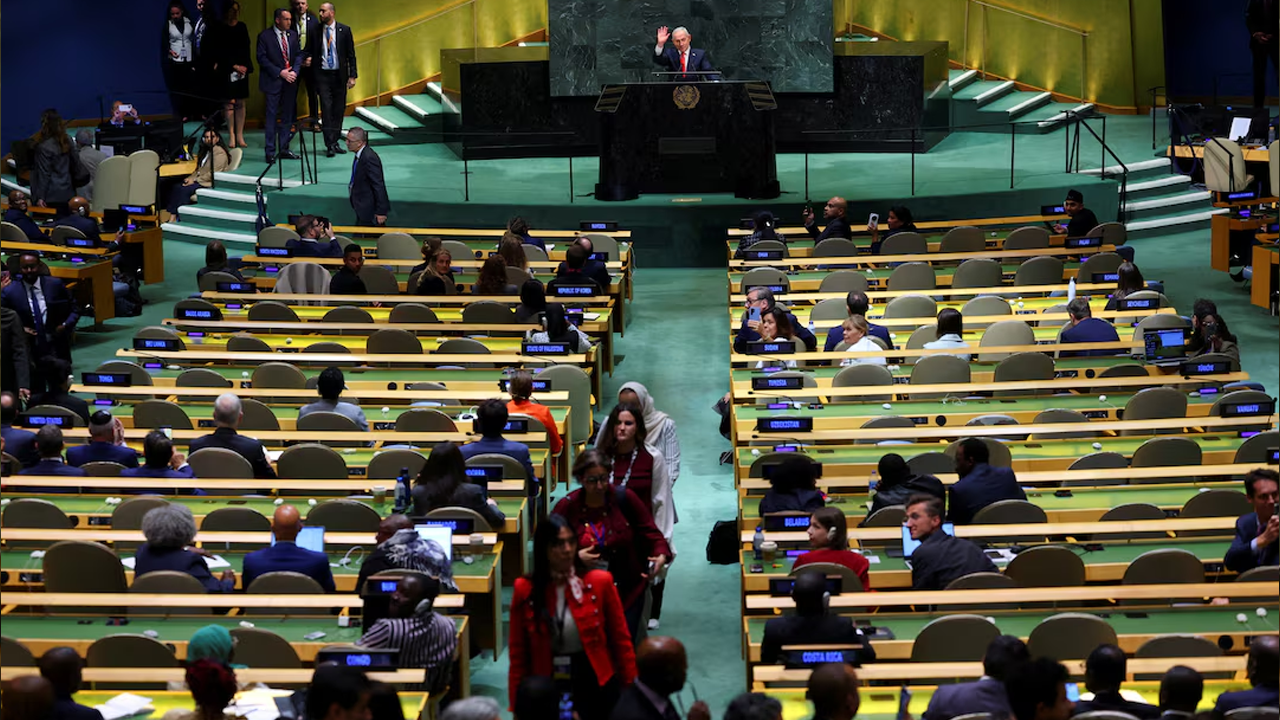
Darwin, September 25: Representatives from Bangladesh and 76 other countries walked out of the United Nations General Assembly hall as Israeli Prime Minister Benjamin Netanyahu…

Darwin, September 25 : Israeli Prime Minister Benjamin Netanyahu brought a pager to the United Nations General Assembly while delivering a speech, using it to highlight…