US Forces to Leave Iraq After Two Decades and 4,500 Military Deaths
Darwin, September 30 : The United States is preparing to withdraw its military forces from Iraq after more than two decades of war and the…



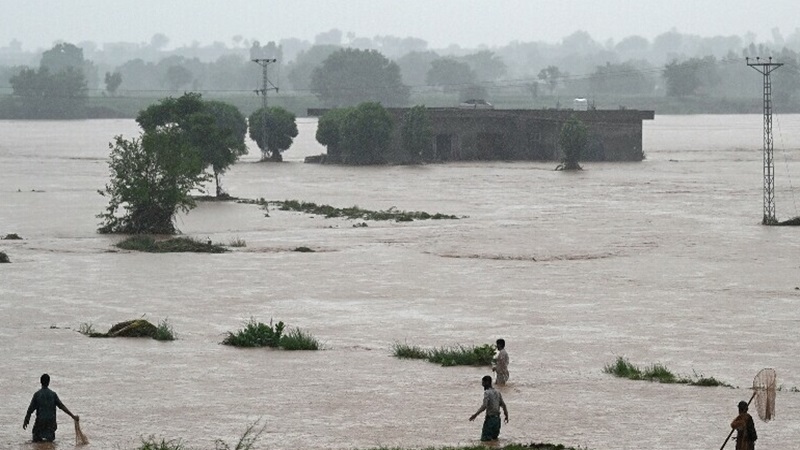
Melbourne, July 21 — Torrential monsoon rains have wreaked havoc across Pakistan, with the death toll rising to 180 and over 500 people injured, according to the country’s National Disaster Management Authority (NDMA).
The NDMA reported that this year’s monsoon season has brought 60% more rainfall intensity than previous years. Weather authorities have warned of continued rain in the next 24 hours across major cities including Karachi, Hyderabad, Sukkur, Badin, Larkana, Jacobabad, Nawabshah, and Mirpurkhas, with heavy downpours expected in some areas.
Authorities have issued urban flood warnings for low-lying areas and advised residents to stay indoors, avoid traveling through vulnerable regions, and help keep drainage systems clear.
Punjab and Khyber Pakhtunkhwa Face Severe Threat
In Punjab, a fresh wave of monsoon rain began on Saturday and is expected to continue until July 25. Rainfall has been forecast across cities including Rawalpindi, Murree, Galiyat, Chakwal, Gujranwala, Lahore, Faisalabad, Sialkot, Jhang, Dera Ghazi Khan, and Bahawalpur.
Provincial disaster authorities have warned of rising water levels in rivers such as the Chenab, Jhelum, Ravi, Sutlej, and Indus, increasing the risk of flooding in nearby low-lying areas.
In Khyber Pakhtunkhwa, both rainfall and accelerated glacier melt have raised the threat of flash floods in the Kabul, Swat, Panjkora, Bara, and Kalpani rivers.
In the federal capital Islamabad and parts of central Punjab, urban flooding is also anticipated. In Rawal Dam, water levels reached the maximum threshold of 1,748 feet, prompting the opening of the spillways at 6 a.m. Sunday.
Children Among the Dead
In Attock, rain-related accidents claimed the lives of three children on Saturday. In Amanpur, a six-year-old girl named Fatima drowned; in Bhattar, a 12-year-old boy named Suleman died when a roof collapsed; and in Ghorghushti, five-year-old Umer Ayub was electrocuted.
Separately, a 45-year-old man named Inayat Rehman was shot dead on his way to the mosque, though the incident was unrelated to the weather.
Rescue and Compensation Efforts
Since June 25, more than 1,594 people have been rescued across Punjab. During this period, 119 deaths were recorded, including 27 in Lahore, 15 in Faisalabad, 11 in Sheikhupura, and 10 in Rawalpindi.
Disaster records show 369 building collapses, 23 electrocutions, and 62 other rain-related incidents. Over 312 personnel and more than 100 boats have been deployed for rescue operations.
Punjab Chief Minister Maryam Nawaz visited Chakral on Saturday, where she announced compensation of 5 million rupees for families of those who lost their lives due to the floods.
Earlier this week, five people died in Chakral after receiving a record 430 mm of rainfall. The Chief Minister ordered the evacuation of people from vulnerable homes and directed the construction of a steel bridge in place of a damaged one in the Dumman area.
She also ordered an investigation into whether privately built mini-dams had worsened the flood situation.
Early Warnings and Climate Impact
NDMA Chairman Lieutenant General Inam Haider Malik said that the monsoon season started a month earlier than usual, and forecasts had been issued four months in advance.
He attributed the intense rainfall to climate change and rapid glacial melt, stating that under the Prime Minister’s directive, the military, provincial authorities, NGOs, and various agencies have been working in coordination to manage the disaster.

Darwin, September 30 : The United States is preparing to withdraw its military forces from Iraq after more than two decades of war and the…

Darwin, September 30: Russia has urged Iran not to withdraw from the Treaty on the Non-Proliferation of Nuclear Weapons (NPT), calling on Tehran to remain…

Darwin, September 30: Russia currently lacks sufficient military capability to launch a major attack against NATO because its forces are engaged in the war in…
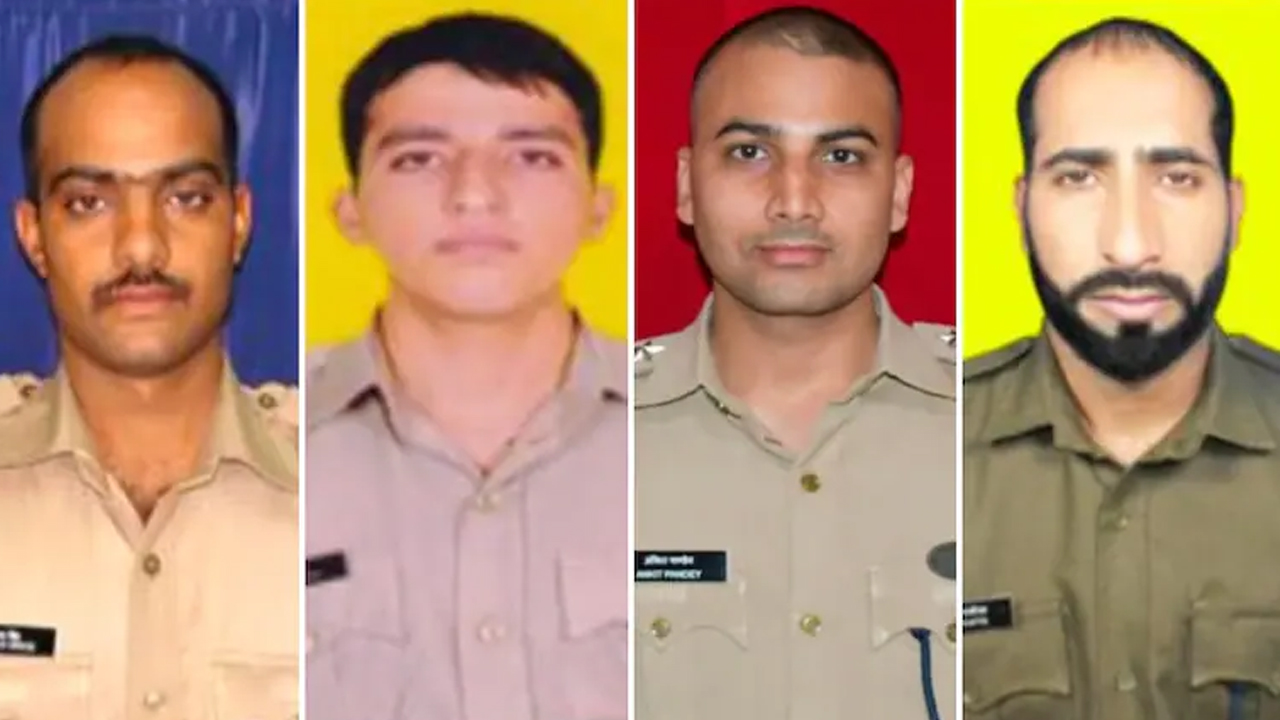
Four personnel of India’s Central Industrial Security Force (CISF), including an officer, were killed after a colleague allegedly opened fire on them at a hydropower…

Darwin, September 25: The Netherlands is seeking to build an international coalition to evacuate at least 1,000 sick and injured children from Gaza for medical treatment,…

Darwin, September 25: Police arrested at least 100 people, including Oscar-winning actress Susan Sarandon, during a protest against Israeli Prime Minister Benjamin Netanyahu outside the…

Darwin, September 25: Representatives from Bangladesh and 76 other countries walked out of the United Nations General Assembly hall as Israeli Prime Minister Benjamin Netanyahu…

Darwin, September 25 : Israeli Prime Minister Benjamin Netanyahu brought a pager to the United Nations General Assembly while delivering a speech, using it to highlight…