US Forces to Leave Iraq After Two Decades and 4,500 Military Deaths
Darwin, September 30 : The United States is preparing to withdraw its military forces from Iraq after more than two decades of war and the…



Melbourne, 24 July — Throughout human history, fire has not only illuminated our path but also brought immense destruction. Some of the world’s most catastrophic fires didn’t just take lives—they wiped out invaluable knowledge, architecture, and culture. From the ancient Library of Alexandria to a New York garment factory, behind these flames were tales of war, negligence, or critical failures. Yet each of these events forced humanity to rethink, rebuild, and find new paths forward.
The Library of Alexandria was the greatest center of knowledge in the ancient world. It was part of the temple complex known as the “Mouseion.” The library housed around 500,000 scrolls from Assyria, Greece, Persia, Egypt, and India. Scholars and thinkers from all corners of the world—such as Euclid and Ptolemy—gathered there.
Established around 283 BCE, the library was founded under the patronage of Ptolemy, one of Alexander the Great’s generals. Tragically, this vast repository of knowledge was eventually destroyed by fire. Some historians believe Julius Caesar set it ablaze during a naval battle in 48 BCE, while others argue it was destroyed in 391 CE by Christian bishop Theophilus and his followers. Regardless of who was responsible, the loss of countless ancient manuscripts marked an irreparable blow to human knowledge.
In 1666, during the Black Plague pandemic, London was hit by a massive fire. In just four days, nearly 13,000 homes were destroyed, leaving 100,000 people homeless. The diarist Samuel Pepys wrote, “I had to flee at 4 a.m. in my nightgown.” Even the iconic St. Paul’s Cathedral was lost to the flames.
However, architect Christopher Wren led the city’s reconstruction. Under his vision, London’s narrow medieval alleys were transformed into the stone-built metropolis we know today. The fire also spurred the creation of the first fire brigade and the birth of the modern insurance industry.
In December 1835, while the city battled a cholera outbreak, a devastating fire broke out in New York. With freezing temperatures and high winds, 17 city blocks were reduced to ashes. So intense was the blaze that even the ice-covered East River caught fire due to spilled oil.

The Burned City of New York
This disaster prompted the construction of the Croton Aqueduct, which supplied 12 million gallons of water daily to the city. This revolutionary project would go on to inspire water infrastructure systems across the United States.
From October 8 to 10, 1871, Chicago was ravaged by a fire that killed 300 people and left 90,000 homeless. One-third of the city’s buildings were destroyed. Since Chicago was then the hub of America’s telegraph network, this became one of the first international breaking news stories.

chicago-burned by massive fire.
What followed was “The Great Rebuilding.” With massive investment and public support, Chicago was rapidly rebuilt, transforming it into a symbol of modern America.
On March 25, 1911, a fire broke out at the Triangle Shirtwaist Factory in New York City, killing 146 workers. Many jumped to their deaths because the exit doors were locked. Most victims were young immigrant women who had come to America in search of a better life.
This tragedy sparked a massive labor rights movement. Frances Perkins, a witness to the fire, later helped establish the Factory Investigation Commission and served as U.S. Secretary of Labor. Her efforts brought sweeping reforms to workers’ rights across the country.
Source: History.com
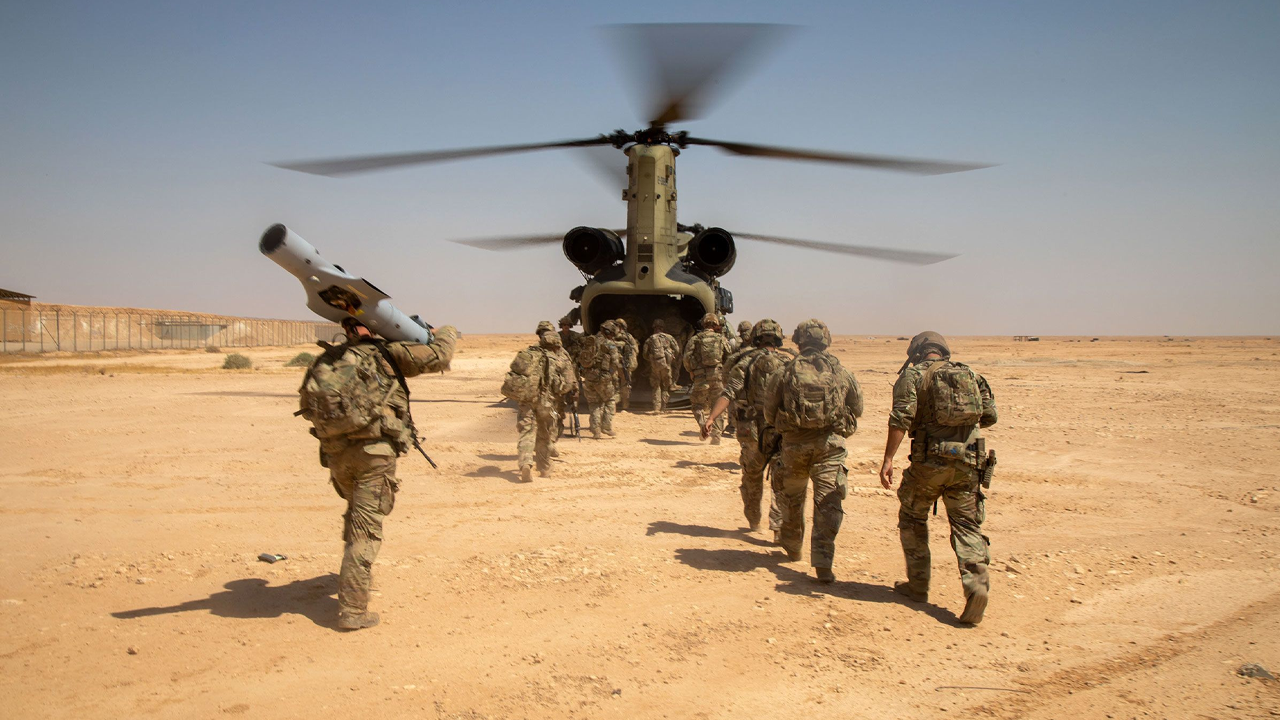
Darwin, September 30 : The United States is preparing to withdraw its military forces from Iraq after more than two decades of war and the…
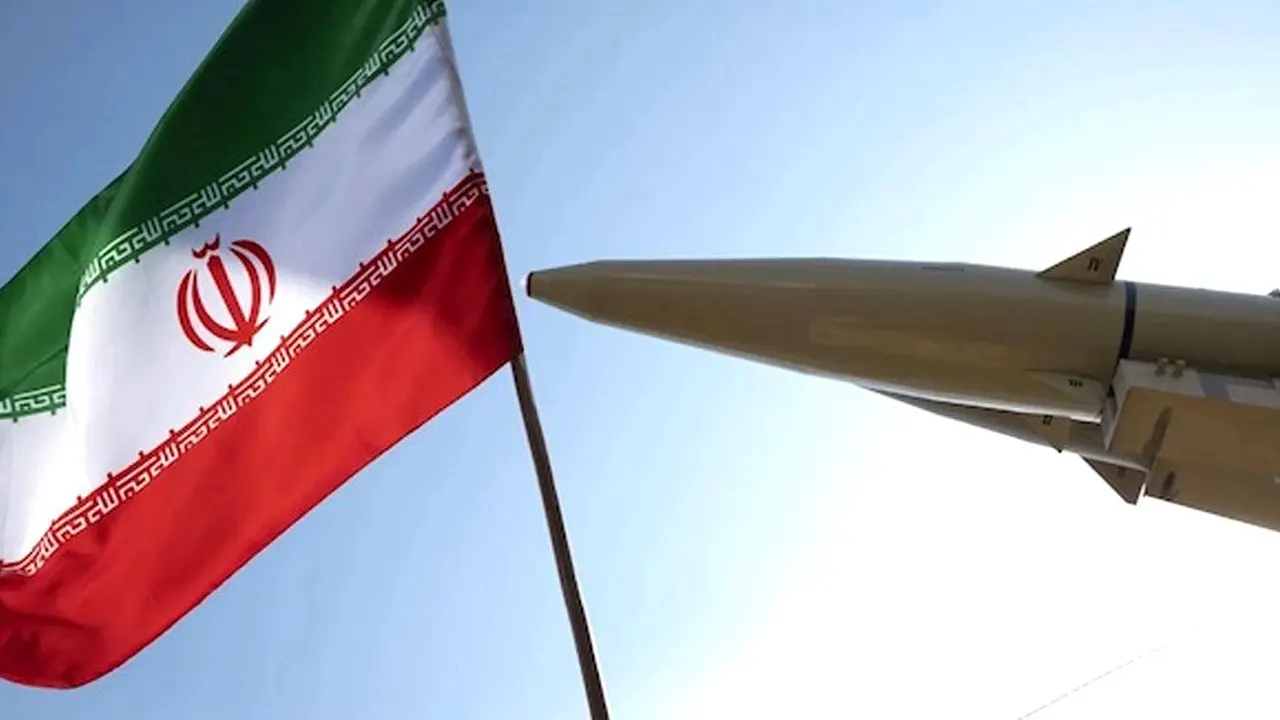
Darwin, September 30: Russia has urged Iran not to withdraw from the Treaty on the Non-Proliferation of Nuclear Weapons (NPT), calling on Tehran to remain…

Darwin, September 30: Russia currently lacks sufficient military capability to launch a major attack against NATO because its forces are engaged in the war in…
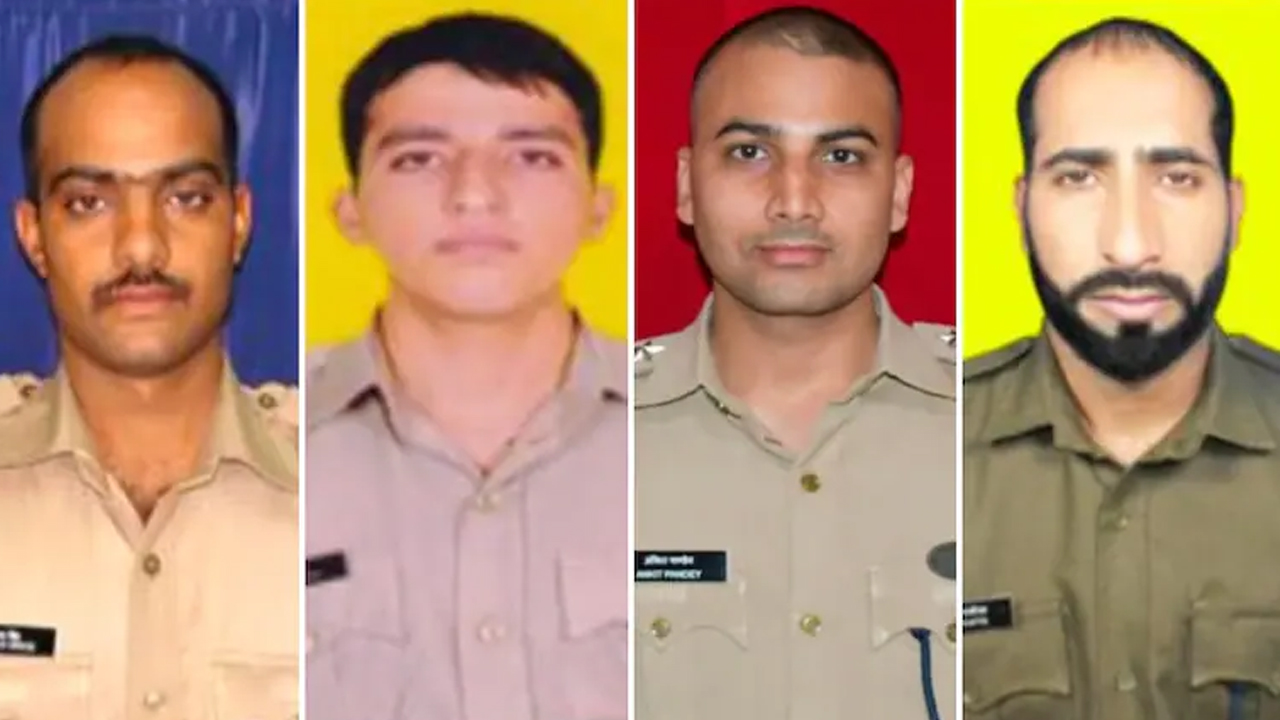
Four personnel of India’s Central Industrial Security Force (CISF), including an officer, were killed after a colleague allegedly opened fire on them at a hydropower…

Darwin, September 25: The Netherlands is seeking to build an international coalition to evacuate at least 1,000 sick and injured children from Gaza for medical treatment,…

Darwin, September 25: Police arrested at least 100 people, including Oscar-winning actress Susan Sarandon, during a protest against Israeli Prime Minister Benjamin Netanyahu outside the…
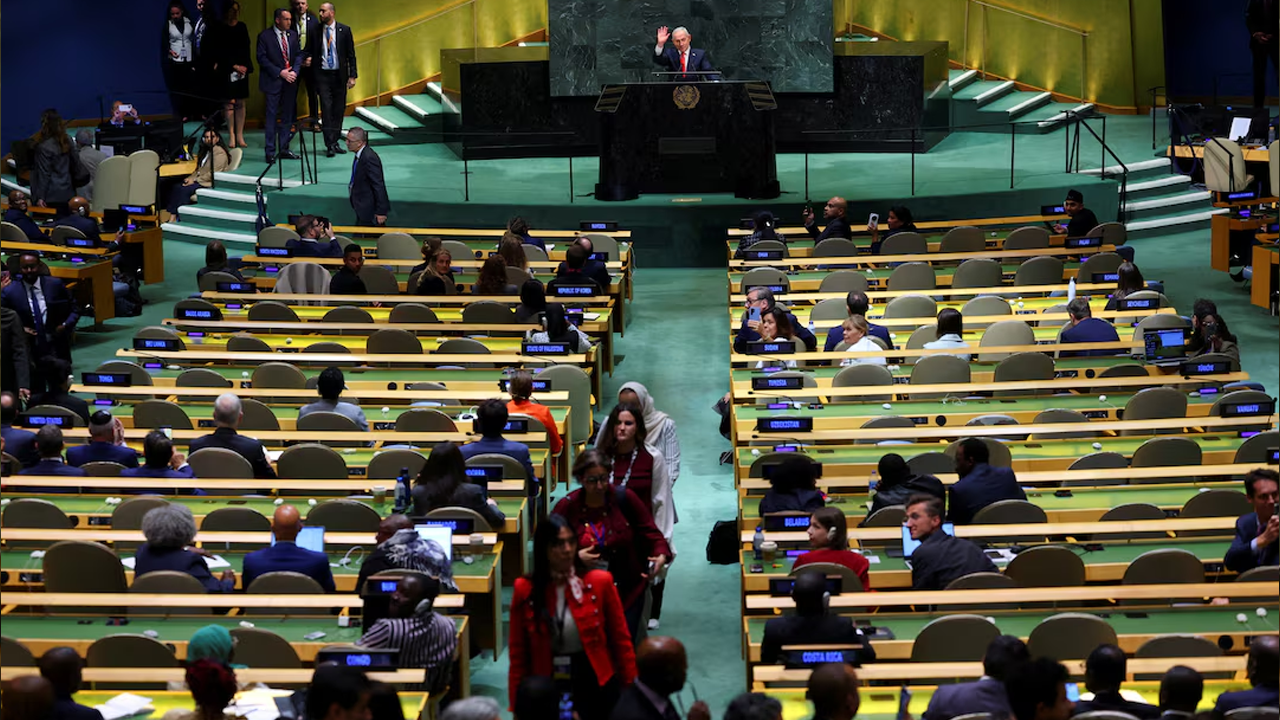
Darwin, September 25: Representatives from Bangladesh and 76 other countries walked out of the United Nations General Assembly hall as Israeli Prime Minister Benjamin Netanyahu…
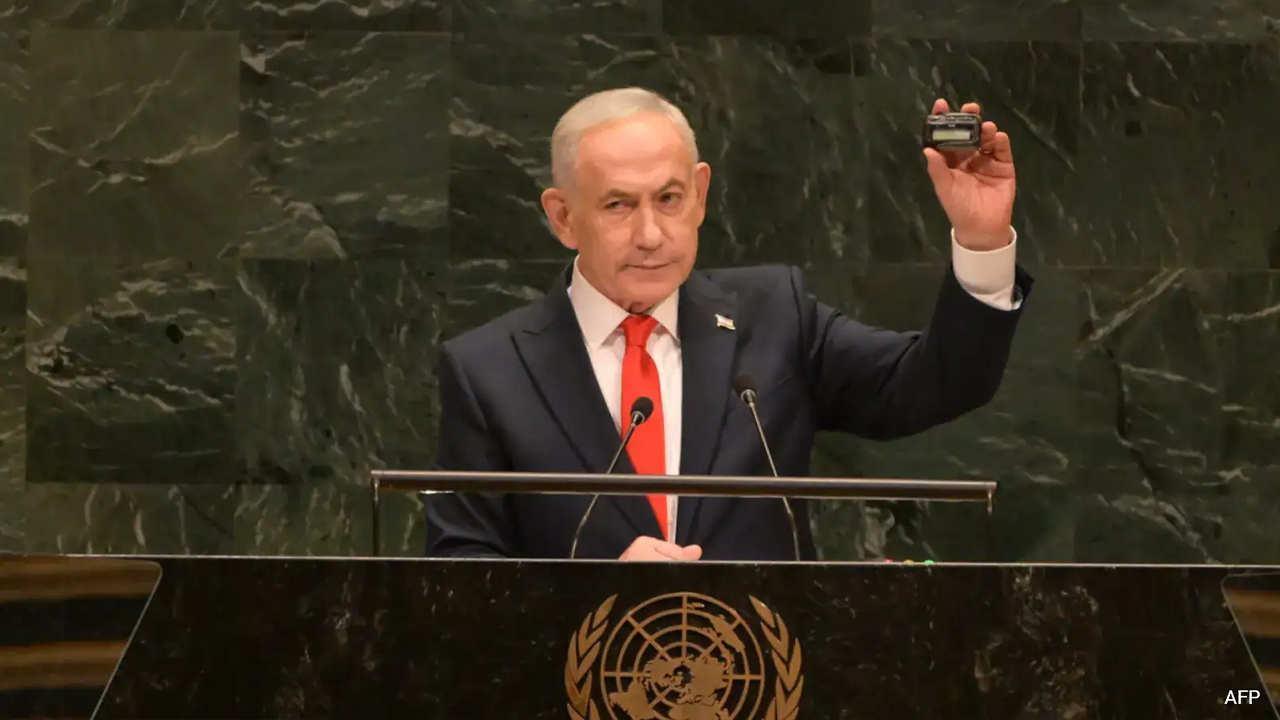
Darwin, September 25 : Israeli Prime Minister Benjamin Netanyahu brought a pager to the United Nations General Assembly while delivering a speech, using it to highlight…