Saudi Crown Prince ‘Shuttles Between Palaces’ Amid Houthi Attacks: Report
Darwin, October 13: Saudi Crown Prince Mohammed bin Salman has reportedly been moving from one palace to another amid growing security concerns as Yemen’s Houthi…



Melbourne, 26 July— International human rights organization Human Rights Watch (HRW) alleges that Indian authorities are expelling hundreds of Bengali‑speaking Muslims from India to Bangladesh without any legal process, declaring them “illegal immigrants.” Many among them are Indian citizens residing in border states of Bangladesh.
HRW has published a detailed report on these claims. According to the report, from May 7 to June 15, India expelled more than 1,500 Muslim women, men, and children to Bangladesh. Among them were almost 100 Rohingya refugees originally from Myanmar. However, the Indian government did not provide any official figures on this matter, HRW notes, and these numbers were obtained from Border Guard Bangladesh (BGB) data.
Elaine Pearson, Asia director at HRW, states that by arbitrarily expelling Bengali Muslims, including Indian citizens, India’s ruling BJP is creating discrimination.
What does the report say?
HRW conducted 18 interviews in June with individuals who have experienced these expulsions firsthand, and nine more interviews with relatives of those affected. The interviews include Indian citizens who were expelled to Bangladesh and later returned to India, yet remained missing after being detained upon their return. HRW’s report also publishes detailed narratives from these interviews.
Many of the affected individuals are migrant laborers from Assam and West Bengal who speak Bengali and follow Islam, as HRW repeatedly highlights. On July 8, HRW sent a letter containing its collected data to the Indian Ministry of Home Affairs, but received no response.
HRW reports that governments in BJP‑ruled states like Assam, Uttar Pradesh, Maharashtra, Gujarat, Odisha, and Rajasthan are detaining Muslims—most of whom are impoverished migrant workers—and handing them over to India’s border forces. In some cases, the border forces allegedly beat those detained and forcibly push them across the Bangladesh border without proper verification of citizenship. After these individuals cross the border, dozens who later proved their Indian citizenship are compelled to return to India.
HRW notes that after a deadly attack on Hindu tourists in Pahalgam, Kashmir, in April, police began targeting Muslims—disregarding proof of Indian citizenship, confiscating phones and personal belongings—even preventing detainees from contacting their families.
Although Bangladeshi Muslims have entered India for decades, there are no reliable official records of this, and HRW asserts that such issues are often politically exaggerated.
Illegal expulsions of Rohingya and migrant workers
HRW’s report states that Indian authorities claim to be deporting only those who entered India illegally from Bangladesh. Yet many expelled individuals assert they are Indian citizens, while others insist they are Bengalis—not Bangladeshis. Due to the absence of any fair and transparent process, many Bengali‑speaking Muslims who are Indian citizens have been illegally expelled.
HRW adds that the Bangladeshi government has repeatedly protested this “push‑back” approach, urging India to use transparent and internationally recognized procedures for deportation. Bangladesh’s foreign ministry wrote to India on May 8, stating it cannot accept such forced expulsions, and will only repatriate individuals confirmed to be Bangladeshi citizens through proper legal channels.
In the same month, HRW reports, India also expelled around 100 Rohingya refugees from an Assam detention center.
Quoting the UN High Commissioner for Human Rights, HRW says that another group of 40 Rohingya refugees were forced into the sea and told to swim to Myanmar with only life jackets—a move described by the UN’s genocide envoy Thomas Andrews as a “violation of human decency.” He classified this as a grave breach of the “non‑refoulement” principle, which forbids returning individuals to places where their life or freedom is at risk.
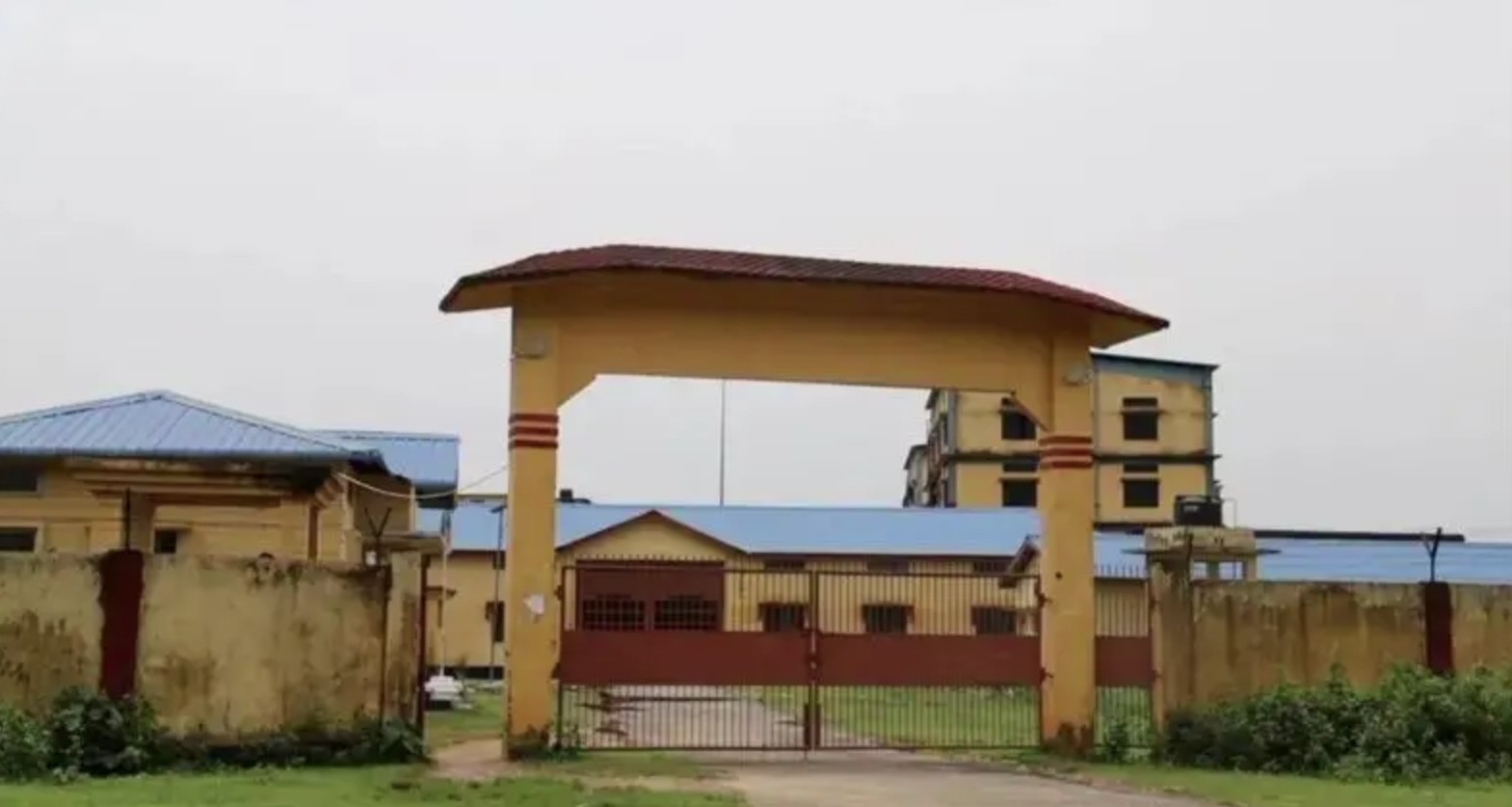
India’s largest detention center has been built in Goalpara district to detain declared Bangladeshis
This incident led to a case in India’s Supreme Court, which dismissed it as a “nicely packaged story” and claimed there was no evidence. However, HRW’s report notes the Indian central government has not denied the incident.
HRW’s advice to India
HRW reminds India that under international treaties on civil and political rights, it is obliged to prevent any ethnic or religious discrimination and ensure everyone’s rights are protected, regardless of race or nationality. The organization emphasizes that expulsion actions should only be carried out following established international procedures with full transparency.
HRW’s report focuses mainly on those expelled to Bangladesh. Meanwhile, BBC Bangla regularly reports that many people in various Indian states are being detained “illegally” under the guise of identity verification. BBC has learned that even after showing valid identity documents, individuals are sent to the police station in their supposed home state, and this process may take two to six days in makeshift detention centers.
In recent days, many such cases have been reported in Delhi and Gurgaon, Haryana. However, the Indian government has not publicly addressed the deportation of Bangladeshi or Rohingya individuals in the past few months. Yet some officials have made statements like, “Illegal immigrants have no right to stay in India,” or questioned “Why should their names be on India’s voter lists?”
Bangladesh accuses India of “push‑back” tactics, but Indian Border Security Force (BSF) officials officially deny using the term or describing such procedures. However, BSF officers reportedly admitted off the record that due to the large number of “illegal entrants” in multiple states, they cannot detain all of them and must push some back.
They also note that when genuine Indian citizens are mistakenly expelled, they are often brought back later, HRW’s report mentions.
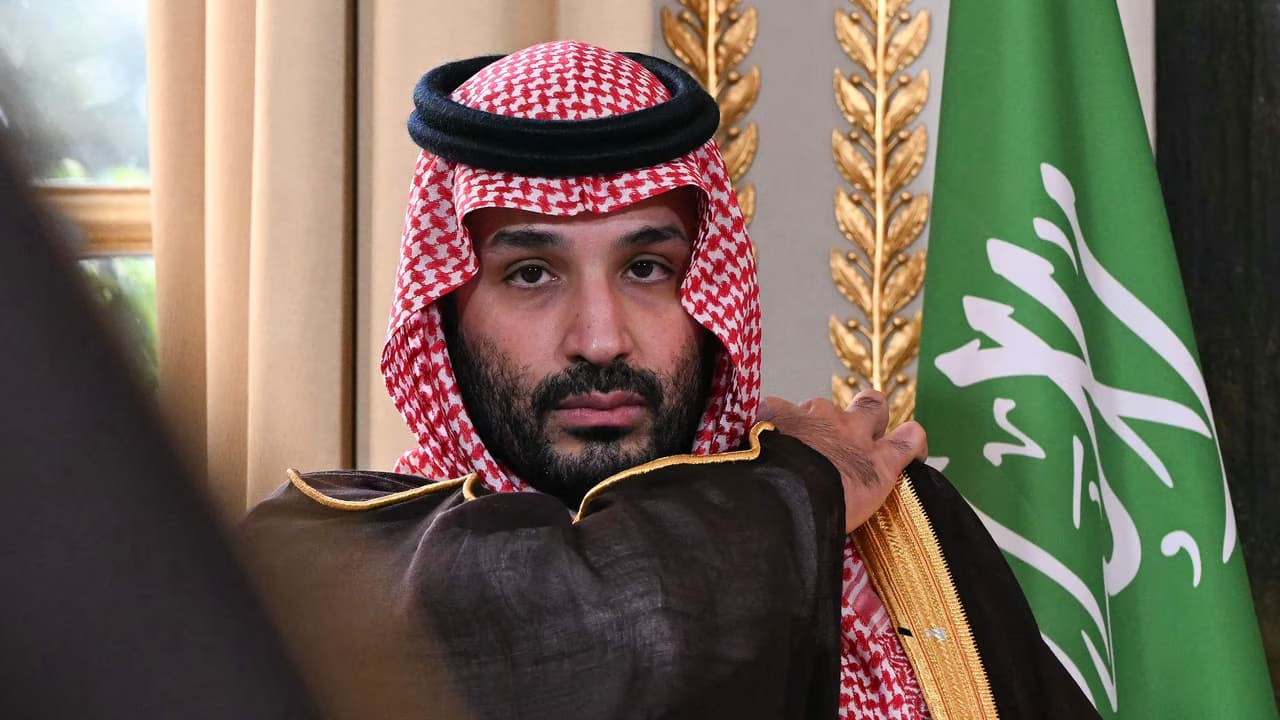
Darwin, October 13: Saudi Crown Prince Mohammed bin Salman has reportedly been moving from one palace to another amid growing security concerns as Yemen’s Houthi…
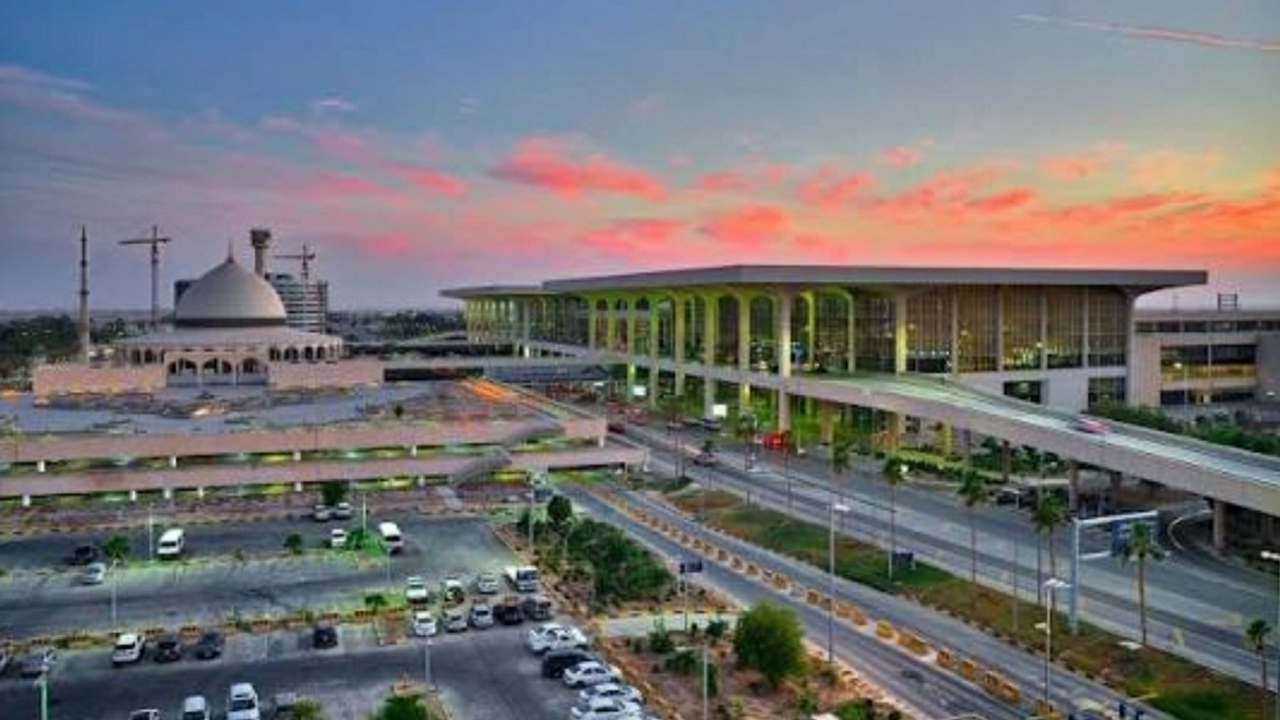
Darwin, October 12: Saudi Arabia’s Civil Aviation Authority has confirmed an attack on Dammam Airport in the country’s Eastern Province. The confirmation came shortly after…

Darwin, October 12 : A fresh attack has reportedly targeted King Khalid International Airport in Riyadh, the capital of Saudi Arabia, killing one Pakistani national…
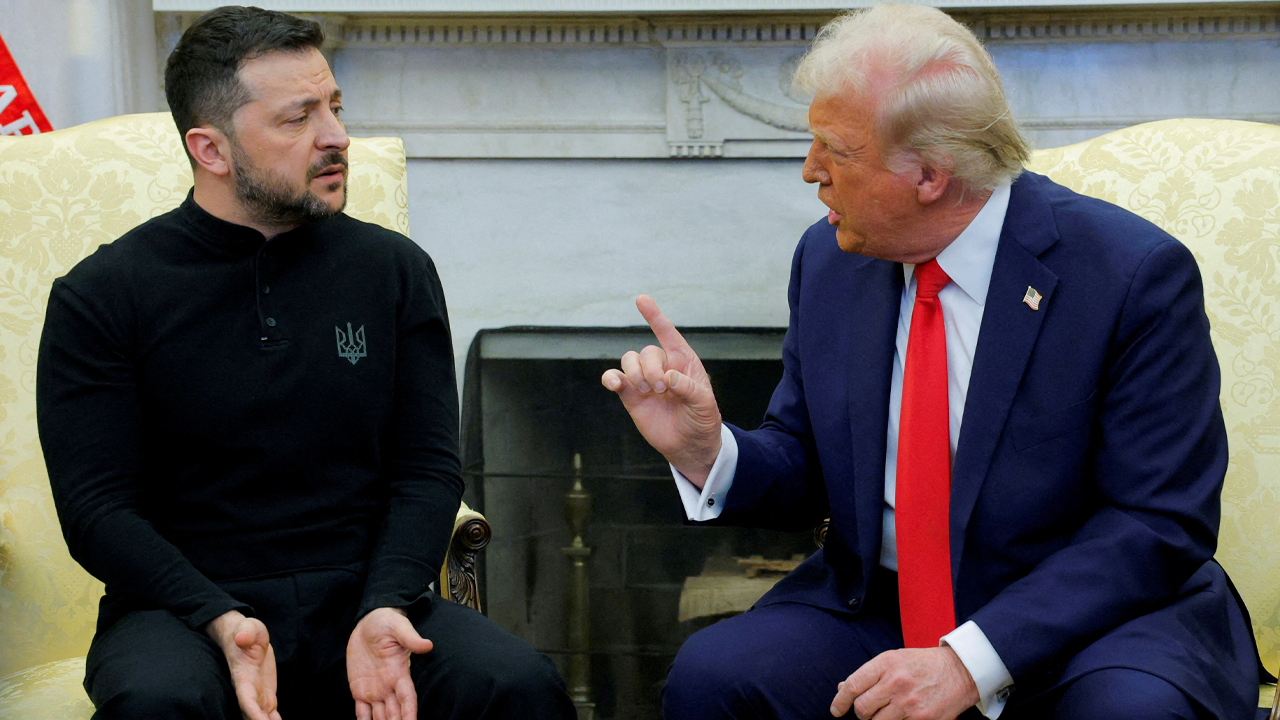
Darwin, October 11: US President Donald Trump has called for a new presidential election in Ukraine, suggesting that Volodymyr Zelenskyy has failed to seize opportunities…

Darwin, October 11: At least 12 people have been killed in an attack by Yemen’s Iran-backed Houthi armed group on King Khalid International Airport in…
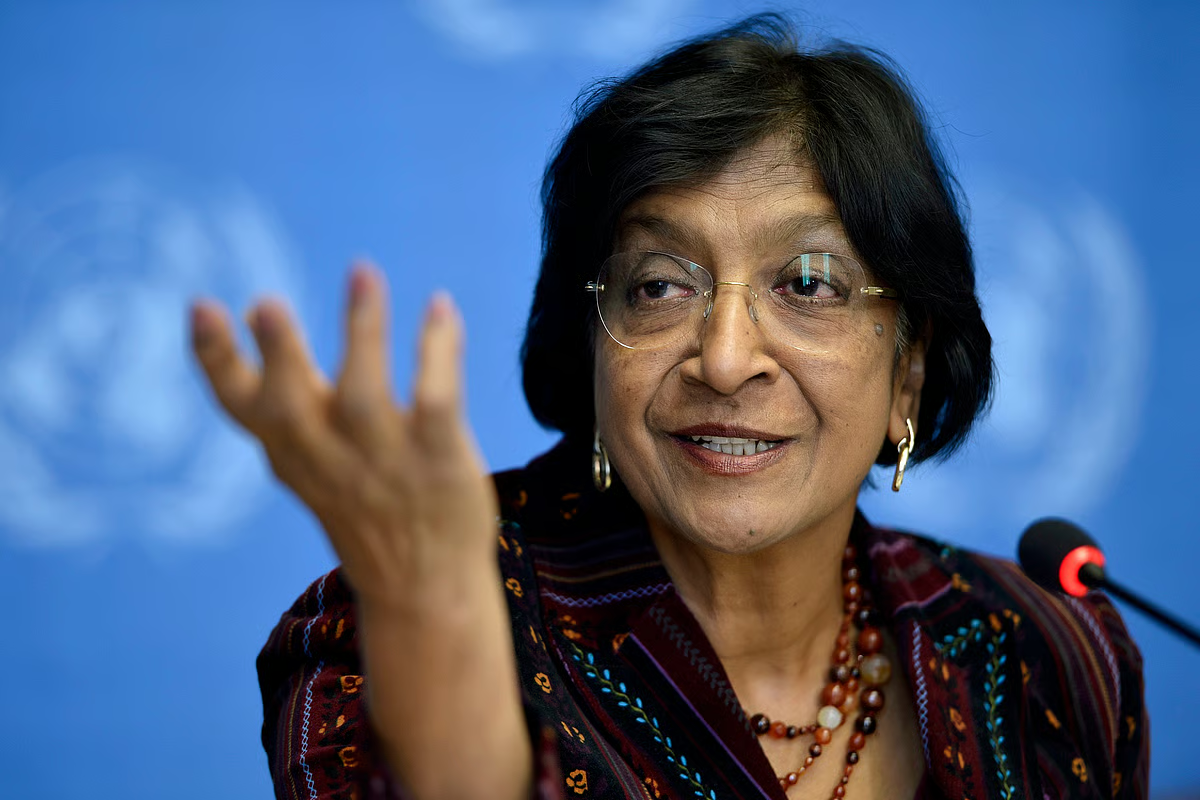
Darwin, October 09: Navanetham “Navi” Pillay, a South African jurist who led a United Nations investigative commission that described Israel’s actions in Gaza as genocide,…
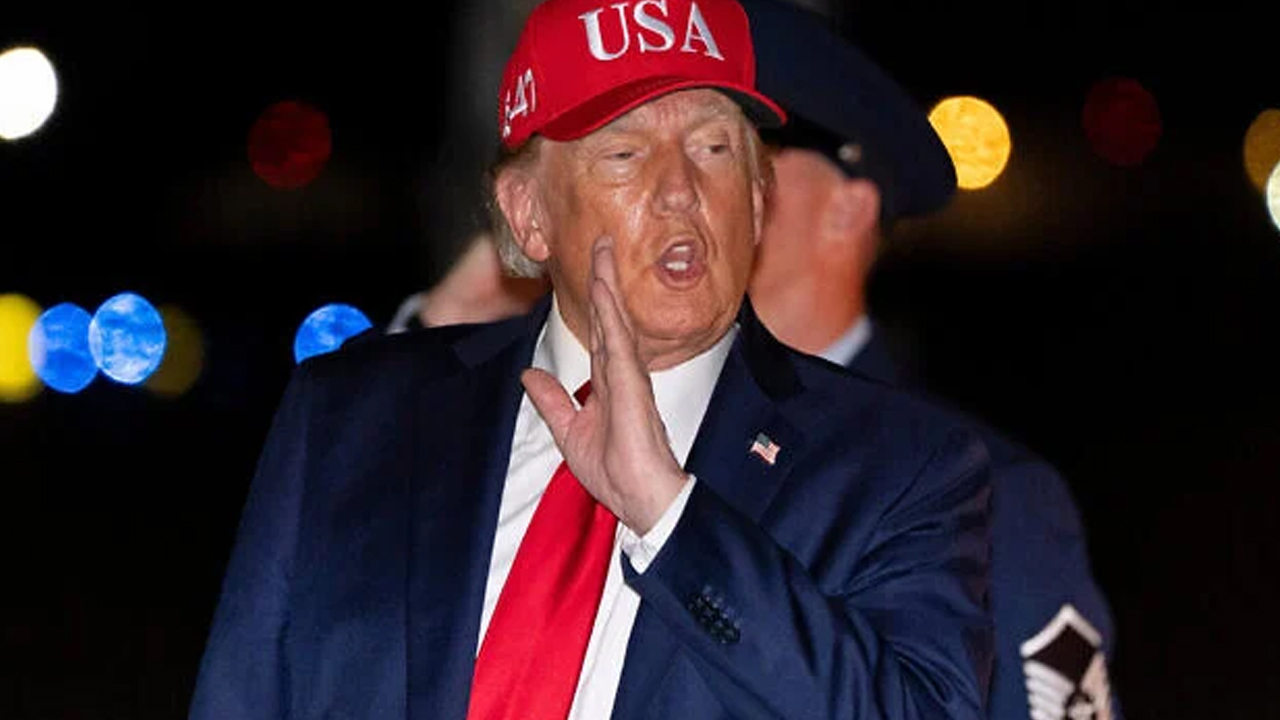
Darwin, October 08: U.S. President Donald Trump said on Wednesday that he deserves to win the Nobel Peace Prize, while expressing doubts that he would…
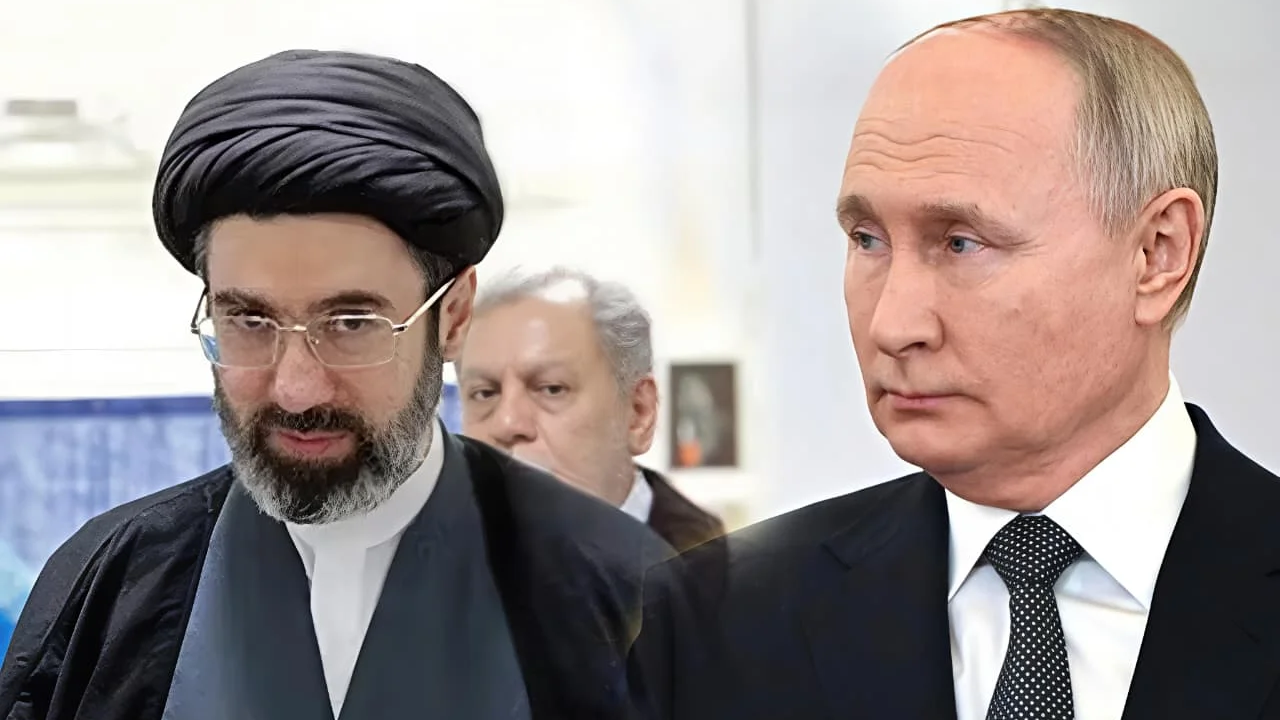
Darwin, October 07: Russia has finalized preparations to provide Iran with a $1 billion loan. The funds will be transferred once Tehran provides the necessary…