Pritom Hasan and Shehtaz Monira End 10-Year Relationship, Move Towards Divorce
Darwin, October 05: Popular Bangladeshi singer and actor Pritom Hasan and model-actress Shehtaz Monira Hashem have decided to end their marriage after a decade together,…



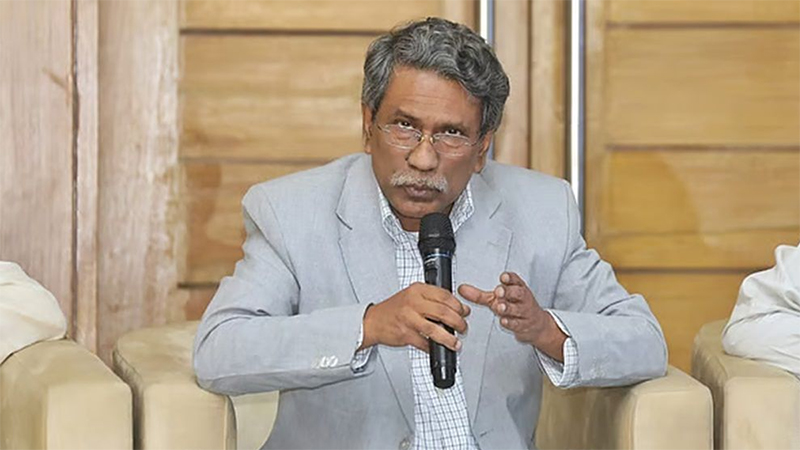
Melbourne, August 9 — The National Consensus Commission will begin discussions next week to ensure compliance with and finalize the implementation process for the July Charter. In the initial phase of dialogue, the Commission will meet with experts, followed by a third round of consultations with political parties.
This was announced at a press conference held on Friday in the LD Hall of the National Parliament, where the Commission’s Vice Chair Professor Ali Riaz shared the latest developments regarding the drafting of the July Charter.
The press conference was chaired by Commission President Ali Riaz, and attended by members Justice Md. Emdadul Haque, Dr. Iftekharuzzaman, Dr. Badiul Alam Majumdar, Safar Raj Hossain, Dr. Md. Ayub Miah, and Monir Haider, Special Assistant to the Chief Adviser.
In a written statement, Ali Riaz said:
“To ensure the binding nature and implementation strategy of the Charter, it is essential to engage in dialogue with political parties. Toward that goal, the Commission will hold consultations with subject-matter experts next week. Based on those discussions, we will proceed to the next phase of dialogue with political parties. We are hopeful that this process will lead to an appropriate resolution in a short time.”
He noted that significant consensus has already emerged among political parties during the two previous rounds of dialogue, aimed at drafting a much-anticipated national charter.
According to the press conference:
In the first round, 165 proposals were submitted. Among them, 62 proposals reached consensus among political parties. Some of these have already been implemented by the government through ordinances, policies, and executive decisions.
The second round focused on 20 key constitutional issues, of which 11 saw full consensus, while the remaining 9 were adopted with a note of dissent, indicating which parties disagreed.
It was also reported that 25 proposals were left undiscussed in the first round due to deep disagreements between parties.
Among the proposals adopted without dissent were:
Selection of chairs for parliamentary standing committees
Redrawing of electoral boundaries
Presidential pardon authority
Decentralization of the judiciary (including both Supreme Court and lower court expansion to sub-district levels)
Rules for declaring a state of emergency
Appointment process for the Chief Justice
Constitutional amendment principles
Term limit for the Prime Minister
Formation of the Election Commission and Police Commission
Expansion of citizens’ fundamental rights
Among the proposals adopted with dissent, the following stood out:
Amendment to Article 70 of the Constitution
Provision regarding the Prime Minister holding multiple offices
Appointment procedures for the Public Service Commission, Comptroller and Auditor General, Anti-Corruption Commission, and Ombudsman (previously part of a proposal known as the National Constitutional Council, now renamed the Selection Committee for Constitutional and Statutory Institutions)
Also adopted with dissent were proposals concerning:
Women’s representation in Parliament — including increased seats and reforms in election methods
Formation of a bicameral parliament, including structure, selection, and jurisdiction of the upper house
Electoral procedure for the President
Structure of the caretaker government
State principles
Powers and duties of the President under Article 48(3) of the Constitution

Darwin, October 05: Popular Bangladeshi singer and actor Pritom Hasan and model-actress Shehtaz Monira Hashem have decided to end their marriage after a decade together,…
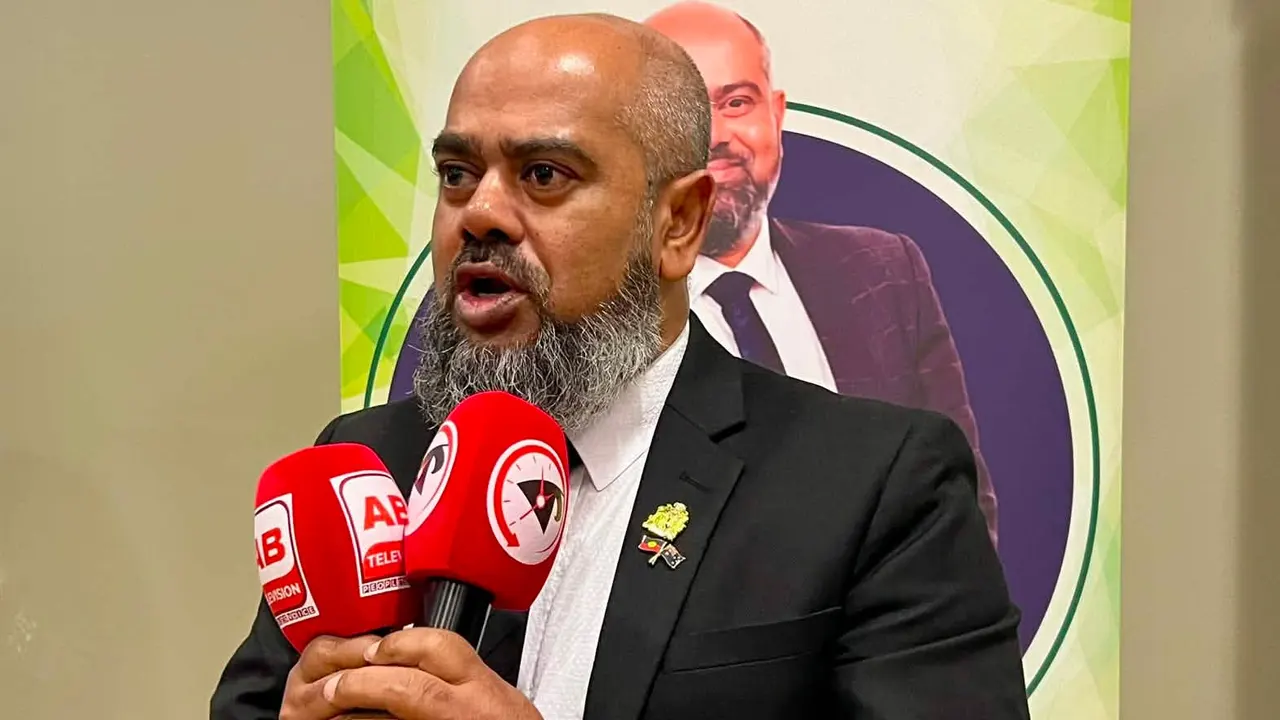
Darwin, September 06: Bangladeshi-Australian community leader and Campbelltown City Councillor and former Deputy Mayor Mohammad Ibrahim Khalil Masud has formally announced his candidacy for the…

Dhaka, September 6: One of the largest Pir-Mashaikh conferences was held in the capital Dhaka, bringing together around 3,000 delegates from home and abroad, including representatives…
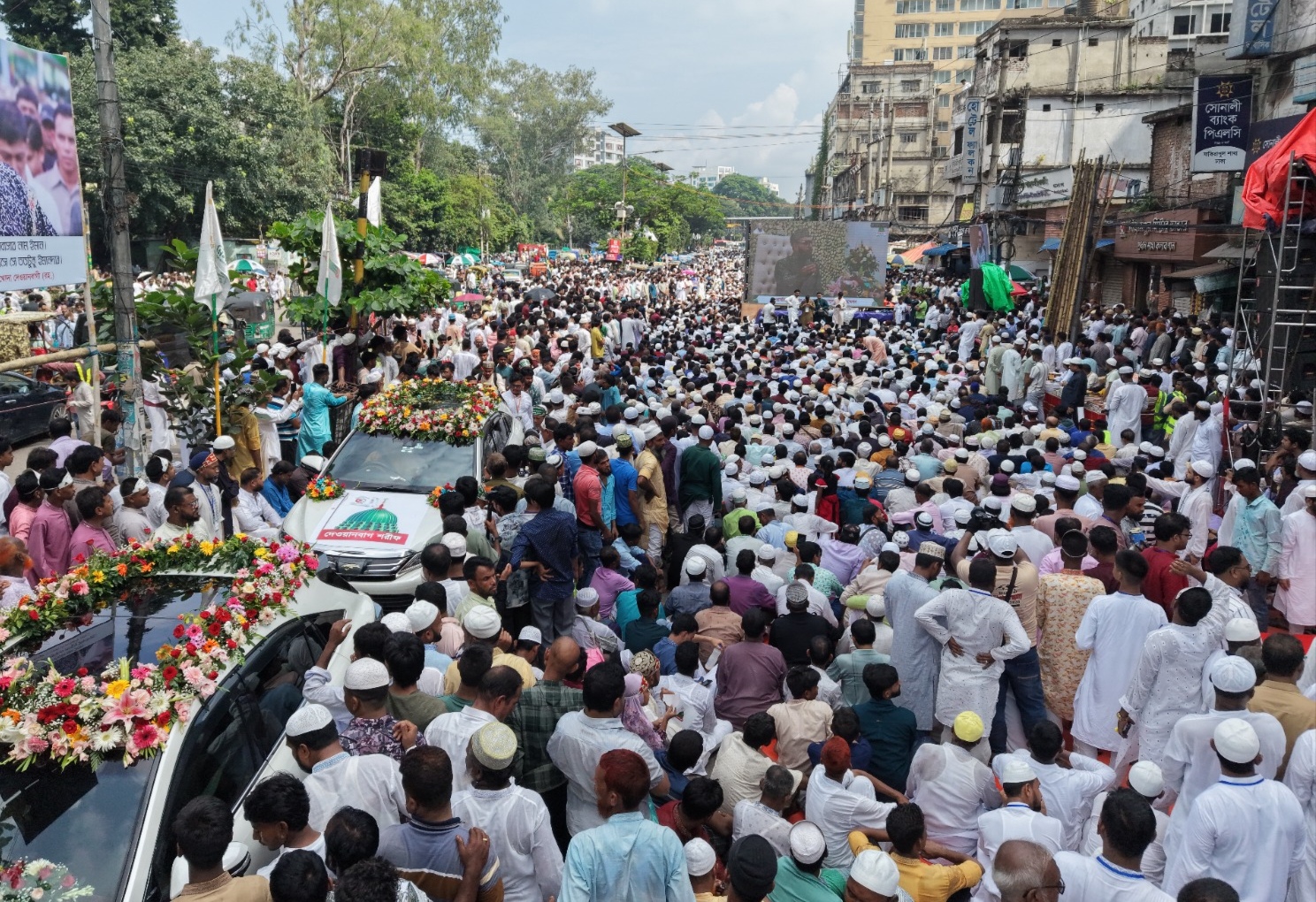
Darwin, August 27: More than 100,000 devotees took part in a colourful rally in Dhaka to mark the 1,501st birth anniversary of Prophet Muhammad (PBUH),…
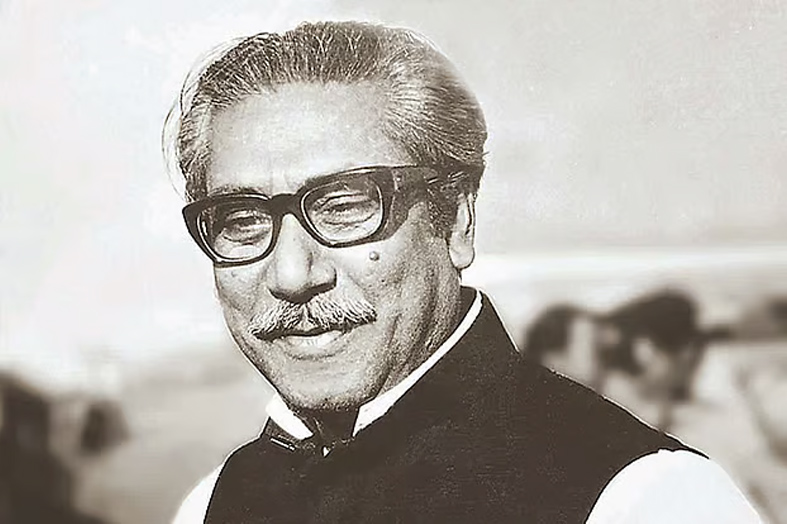
Darwin, August 15 : The death anniversary of Bangabandhu Sheikh Mujibur Rahman, the architect of independent Bangladesh, is being observed today, August 15. On this…

Darwin, 15 August : The United Nations has expressed concern over attempts to establish cells of al-Qaeda in Bangladesh. The concern was raised in a…

Darwin, August 10: The pass rate in this year’s Secondary School Certificate (SSC) and equivalent examinations in Bangladesh has fallen to 62.25 percent, the lowest…

Darwin, August 10: Sixteen Bangladeshi workers have died in a devastating fire at a sofa factory in the Musa Sanaya area of Riyadh, the capital…