Pritom Hasan and Shehtaz Monira End 10-Year Relationship, Move Towards Divorce
Darwin, October 05: Popular Bangladeshi singer and actor Pritom Hasan and model-actress Shehtaz Monira Hashem have decided to end their marriage after a decade together,…



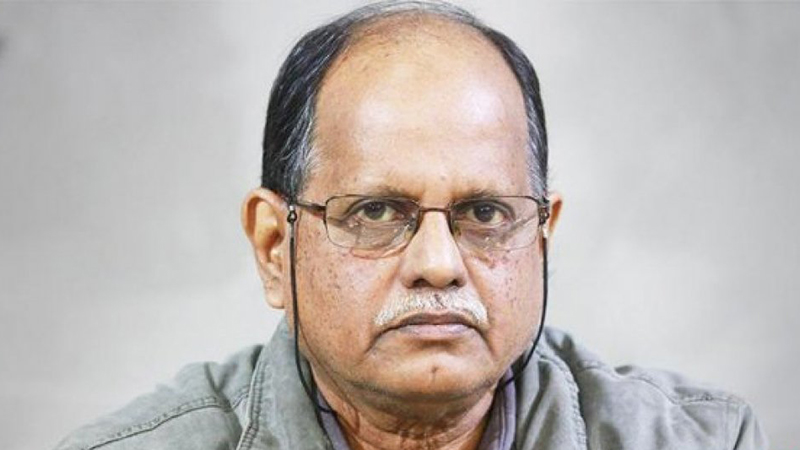
Darwin, August 23 – Bibhu Ranjan Sarkar, a senior journalist and columnist at the Bangladeshi daily Ajker Patrika, was found dead in the Meghna River two days after being reported missing. Police suspect suicide. Before disappearing, he left behind an open letter in which he expressed financial distress and frustration over the current state of press freedom in the country.
The body was recovered on Friday afternoon (local time) from the Meghna River near the Gazaria area in Munshiganj district.
Masud Alam, Deputy Commissioner (DC) of the Ramna Division, confirmed the matter to Deshkal News. He stated, “A body has surfaced in the Meghna River. It appears to be Bibhu Ranjan Sarkar.”
“We’re reasonably sure it’s him. His family has been informed. Once they confirm, we will be certain,” said DC Masud Alam.
Colleagues and journalists from Dhaka have already identified the body from photographs as Bibhu Ranjan Sarkar. Now, the police await official confirmation from the family.
The body is currently being kept at Munshiganj Sadar Hospital. Family members are on their way for identification.
Bibhu Ranjan Sarkar had been missing since Thursday morning. His family filed a General Diary (GD) with Ramna Police Station after he failed to return home. According to the GD, he had left home for work at Ajker Patrika, leaving his mobile phone behind.
After seeing the photos, journalists working in Dhaka and Munshiganj confirmed that the body belonged to Bibhu Ranjan Sarkar. Police are now waiting for his family to formally identify him.
Md. Saleh Ahmed Pathan, in-charge of the Kalagachhia River Outpost, said they were informed around 2 PM on Friday and recovered the body from the Meghna River near Charbalaki, Gazaria around 3 PM.
He said, “The face of the body matched photos of the journalist. We informed Ramna police. They are now coordinating with the family. Once the family confirms, we’ll be fully certain.”
During the inquest report, no signs of physical injury were found on the body. He was floating face down, and his eyeglasses were still hanging around his neck.
Born in 1954, Bibhu Ranjan Sarkar began his journalism career in the late 1960s as a school student, working as a local correspondent for The Daily Azad. He later earned a master’s degree from the Bangla department at Dhaka University and worked in key roles at Daily Matribhumi, Weekly Chalitapatra, and Weekly Mridubhason.
In the 1980s, during the anti-autocracy movement, he wrote political analyses under the pseudonym “Tariq Ibrahim” for Weekly Jaijaidin, which gained wide attention.
Before leaving home, Bibhu Ranjan Sarkar sent an open letter via email to news portal bdnews. In it, he reflected on his five-decade-long journalism career, personal hardships, and the despair of his final days.
He wrote that this might be the last thing he ever publishes.
In the letter, he said he had always stood by the truth but never received any reward or benefit for it. He never got a plot, a house, or a good job offer, while others who compromised received many benefits.
He mentioned that physical illnesses and financial struggles had made his life unbearable. He was suffering from liver cirrhosis, diabetes, heart disease, and other ailments, which required expensive monthly treatments — unaffordable with his limited income. He also expressed concern for his wife and children — especially his daughter’s struggles with her BCS thesis and his son’s unemployment.
Bibhu Ranjan lamented the current crisis in journalism. Once, readers eagerly awaited his columns, and his work sparked discussion in political and social circles. But now, that interest has faded, and many of his writings go unpublished. He noted the shrinking space for truth in the media and a growing intolerance for criticism.
He ended the letter with regret, stating that while he had personal limitations, he never harmed others. His greatest sorrow, he wrote, was the professional neglect and deprivation he faced at the end of his life.

Darwin, October 05: Popular Bangladeshi singer and actor Pritom Hasan and model-actress Shehtaz Monira Hashem have decided to end their marriage after a decade together,…
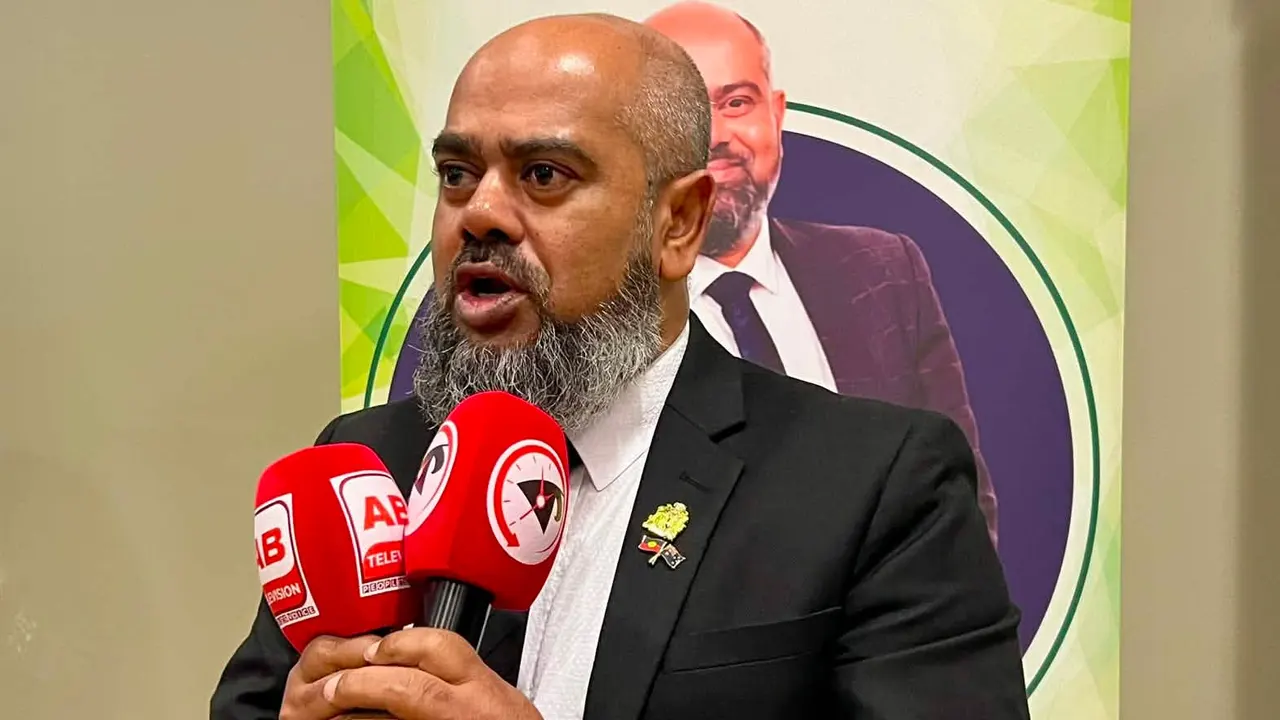
Darwin, September 06: Bangladeshi-Australian community leader and Campbelltown City Councillor and former Deputy Mayor Mohammad Ibrahim Khalil Masud has formally announced his candidacy for the…

Dhaka, September 6: One of the largest Pir-Mashaikh conferences was held in the capital Dhaka, bringing together around 3,000 delegates from home and abroad, including representatives…
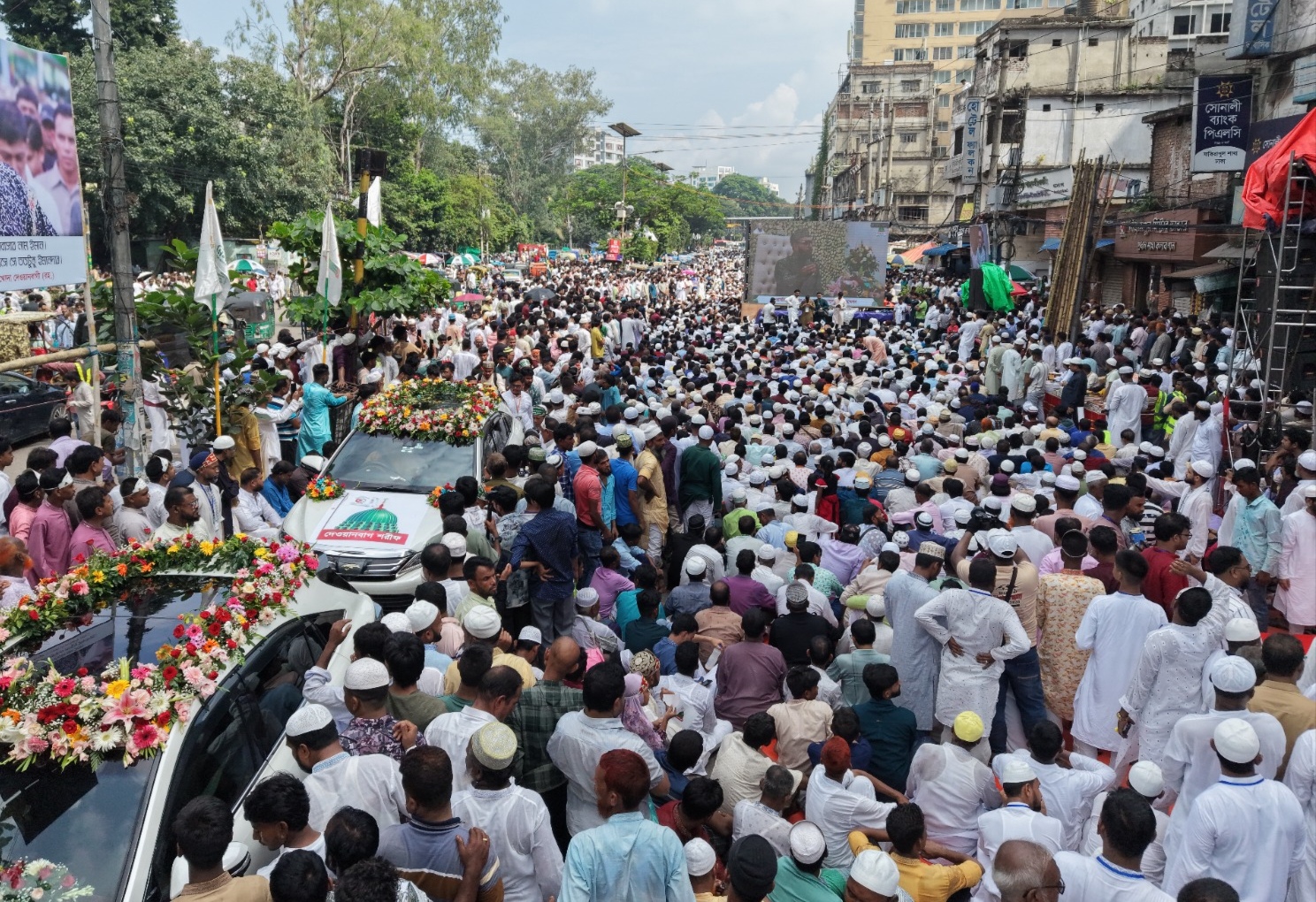
Darwin, August 27: More than 100,000 devotees took part in a colourful rally in Dhaka to mark the 1,501st birth anniversary of Prophet Muhammad (PBUH),…
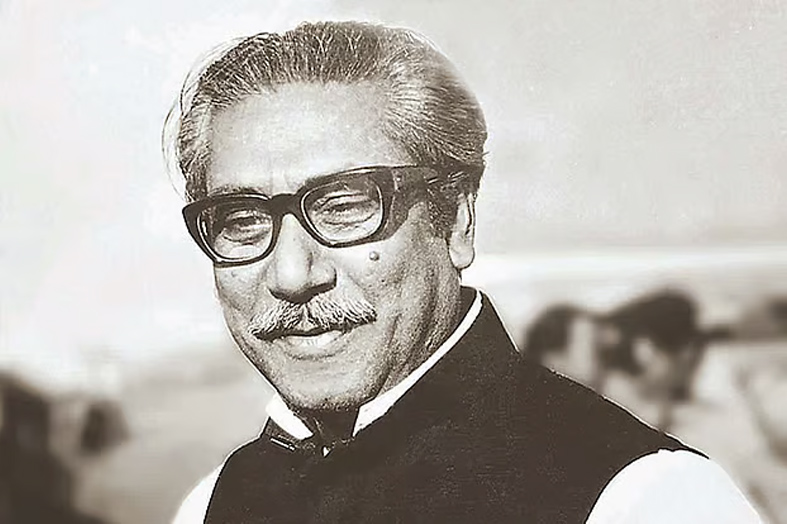
Darwin, August 15 : The death anniversary of Bangabandhu Sheikh Mujibur Rahman, the architect of independent Bangladesh, is being observed today, August 15. On this…

Darwin, 15 August : The United Nations has expressed concern over attempts to establish cells of al-Qaeda in Bangladesh. The concern was raised in a…
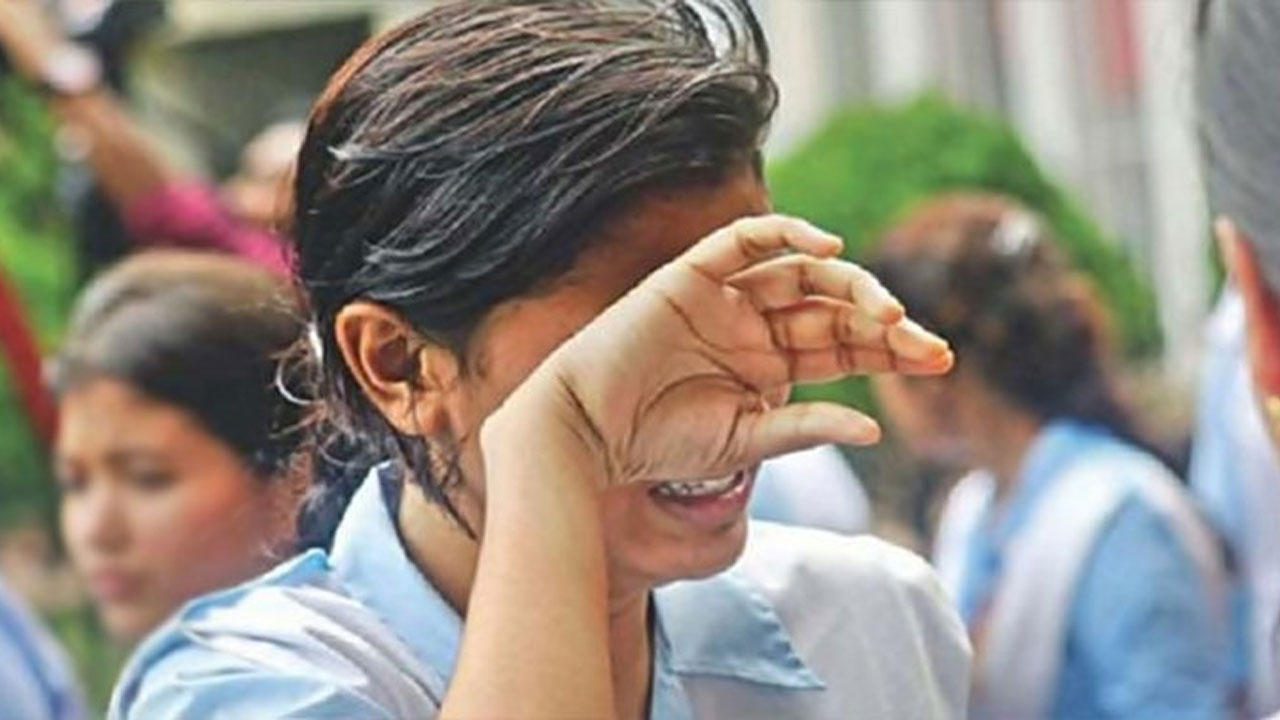
Darwin, August 10: The pass rate in this year’s Secondary School Certificate (SSC) and equivalent examinations in Bangladesh has fallen to 62.25 percent, the lowest…

Darwin, August 10: Sixteen Bangladeshi workers have died in a devastating fire at a sofa factory in the Musa Sanaya area of Riyadh, the capital…