Oil Prices Rise in Global Markets on Fears of Middle East Supply Disruptions
Darwin, October 21: Oil prices rose in global markets on Wednesday as traders grew concerned about potential disruptions to oil supplies in the Middle East,…



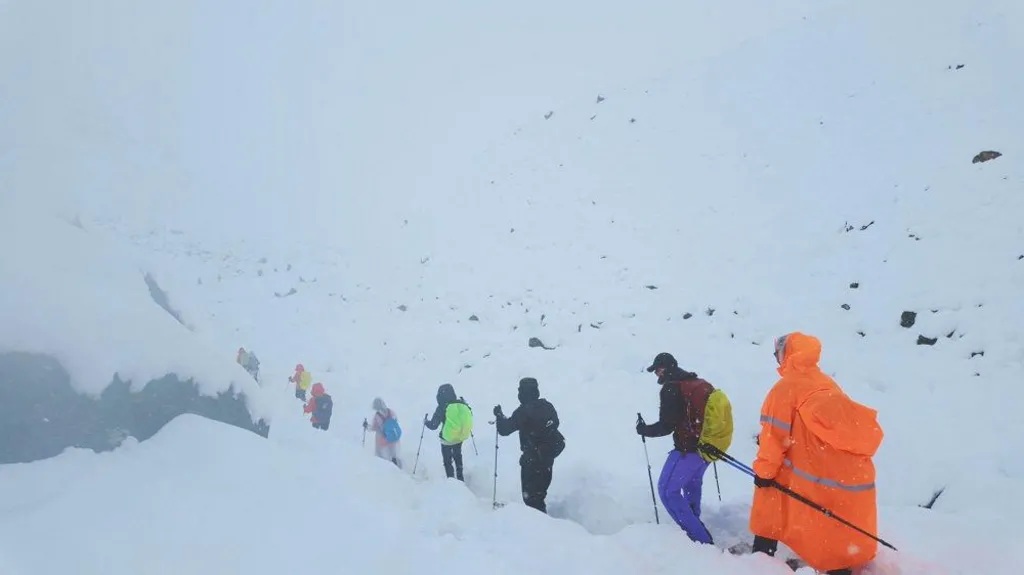
The traditional image of autumn in the Himalayas—defined by clear skies, calm winds, and panoramic views of snow-draped peaks—is rapidly becoming a memory. Meteorologists and mountain guides are now confirming that the monsoon season is stretching far into the autumn, making weather during the traditional peak tourism season dangerously unpredictable.
This alarming change was dramatically illustrated last weekend when a shock blizzard suddenly trapped hundreds of tourists near the eastern face of Mount Everest on the Tibetan side. Hikers were stranded for days in freezing temperatures at an altitude exceeding 4,900m (16,000ft). Chinese state media confirmed that nearly 600 trekkers were eventually guided to safety, though one person tragically died from hypothermia and altitude sickness.
A similar incident unfolded on the Nepal side, where a South Korean mountaineer died on Mera Peak. Communication lines were down due to torrential rains and heavy snowfall, delaying rescue and news. Officials estimate that landslides and flash floods have killed around 60 people across Nepal in the past week—a frequency and intensity highly unusual for October, when clear weather is historically expected.
Nepal’s Department of Hydrology and Meteorology reports that for the past decade, monsoons have consistently lasted until the second week of October, bringing what deputy director general Archana Shrestha describes as “damaging precipitation in a short span of time.” In the high Himalayas, this translates directly to sudden, perilous blizzards and snowstorms.
Scientists point to global warming as a major driver, leading to higher moisture levels in the air. This results in torrential, short-duration downpours, replacing the historically spread-out showers.
Crucially, weather experts suggest that the South Asian monsoons are becoming “turbocharged” due to increasing interaction with the westerly disturbance. This low-pressure system, which typically originates in the Mediterranean and was once a winter phenomenon (December-March), is now arriving earlier in the autumn. When this cold, wet system meets the warmer, wetter monsoon air, it amplifies the extreme weather.
This interaction is pushing clouds higher and allowing these weather systems to cross the Himalayas, reaching areas like the traditionally dry Qinghai-Tibet Plateau. Studies now suggest that the warming climate is transforming the plateau into a “warming and wetting climate,” leading to unstable conditions and more frequent snowstorms.
A Business and Safety Crisis
The increasing unreliability of weather patterns is wreaking havoc on the tourism economy and mountaineering safety.
Riten Jangbu Sherpa, a mountain guide, noted that trekkers are increasingly caught in unexpected extreme weather, which has significantly “hampered our trekking and mountaineering business.”
Travel agents in the Tibetan capital Lhasa are struggling to reassure clients. “September, October used to be peak season with pleasant weather but these days we see extreme weather all of a sudden and the temperature drops so quickly,” said agent Passang.
For those recently stranded near Everest, the experience was terrifying. Some hikers battled hypothermia despite warm clothes, while others spent the night clearing heavy snowfall to avoid being buried. Rescues now require well-coordinated efforts, including the deployment of yaks and horses to clear snow-buried roads.
Logan Talbott, chief guide with Alpenglow Expeditions, concluded that the reliability of traditional seasonal patterns is gone. This necessitates “flexible scheduling, real-time decision-making, and experienced leadership [in the Himalayas] have become even more important” for all expeditions going forward.
Darwin, October 21: Oil prices rose in global markets on Wednesday as traders grew concerned about potential disruptions to oil supplies in the Middle East,…
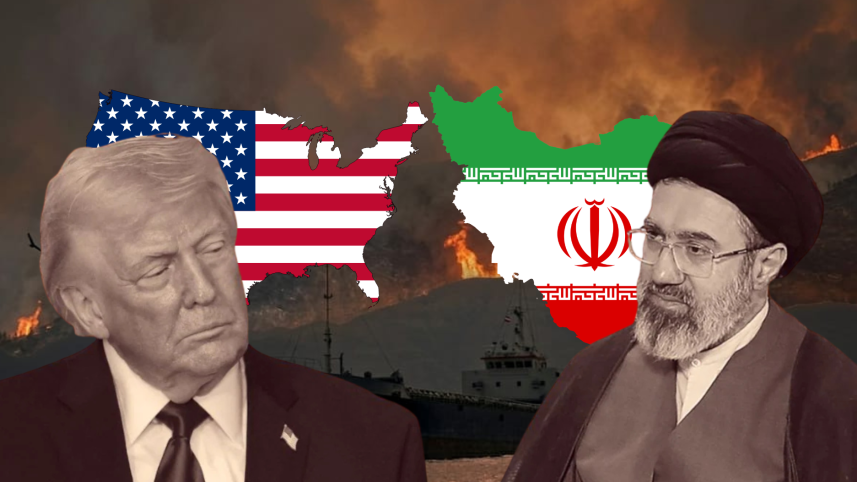
Darwin, October 21: Iran is prolonging negotiations with Washington in an attempt to politically weaken President Donald Trump ahead of the US midterm elections, according…

Darwin, October 21: Today is the auspicious occasion of Bijaya Dashami. The five-day Sharadiya Durga Puja, the biggest religious festival of the Hindu community, officially…

Darwin, October 20: Today is Maha Navami, the ninth day of Sharadiya Durga Puja. Members of the Hindu community will observe the day through religious…

Darwin, October 20: Protests and violence over the rising cost of living have erupted in Italy, one of Europe’s largest economies, following similar unrest in…

Darwin, October 20: US President Donald Trump has warned that protests and violence similar to those in France could spread across the United States if…

Darwin, October 20: Moscow has reaffirmed its full support for Tehran just hours after US President Donald Trump remarked that Russia was doing very little…

Darwin, October 19: Former Manchester City manager Pep Guardiola has urged the world not to forget the Palestinians in Gaza. In a video for the…