Pritom Hasan and Shehtaz Monira End 10-Year Relationship, Move Towards Divorce
Darwin, October 05: Popular Bangladeshi singer and actor Pritom Hasan and model-actress Shehtaz Monira Hashem have decided to end their marriage after a decade together,…



Darwin, 18 October —
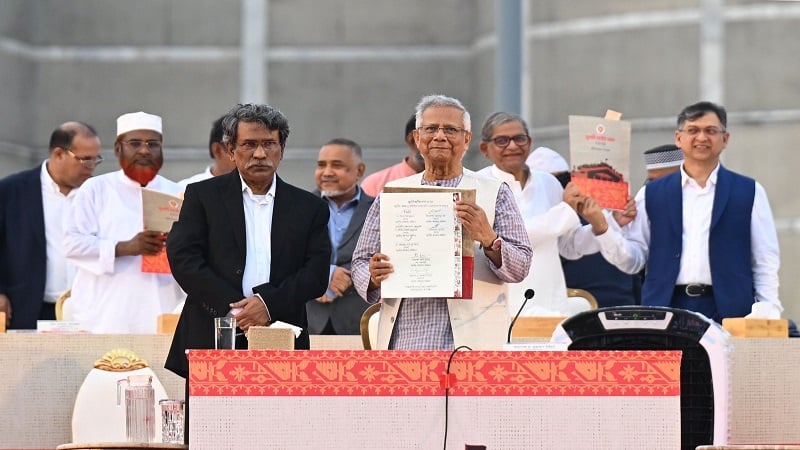
In a landmark political event, the Government of Bangladesh and 25 political parties, including the BNP and Jamaat-e-Islami, signed the “July Charter”, marking what is being described as a pivotal moment in the nation’s political history.
The signing ceremony took place on Friday afternoon at the South Plaza of the National Parliament in Dhaka, under the leadership of Chief Adviser Muhammad Yunus of the interim government. The event was attended by senior political leaders and foreign diplomats.
The charter was drafted in response to the mass uprising of July-August 2024, which saw nationwide protests and popular resistance culminating in the toppling of the former regime. The charter honors the sacrifices made during the uprising and is being hailed as a new political consensus for the future of Bangladesh.
However, notably absent from the signatories was the National Council of Protesters (NCP)—a group formed by student leaders who played a leading role in the 2024 uprising. Alongside four leftist parties, the NCP declined to sign the charter, citing unmet conditions and last-minute disagreements.
Delivering his speech at the event, Chief Adviser Muhammad Yunus declared, “Today marks the birth of a new Bangladesh. Through this signing, we are laying the foundation of a nation built on the rule of law, justice, and prosperity.”
He emphasized that the 2024 uprising, driven by the youth and ordinary citizens, had created an irreversible momentum for change. “This transformation was made possible because of the people’s uprising. The youth who laid down their lives will now lead the way,” he added.
Yunus also announced that the July Charter will be included in school textbooks, ensuring that future generations learn how the political leadership responded to public demands and how consensus was built. “This is more than a ceremony. It is a national milestone that will inspire a new path forward,” he said.
Tensions marred the hours leading up to the event, with clashes reported between police and members of the July resistance movement. The fifth clause of the charter was amended just 90 minutes before the signing, following intense pressure from “July Warriors,” including demands for legal immunity, state recognition, and support for families of the victims.
The charter outlines seven major commitments, including:
Restoration of democracy and civil rights through the full implementation of the 2025 July National Charter, which emerged from the bloodshed and sacrifice of the 2024 uprising.
People as sovereign authority—declaring that political parties must reflect public will and that the charter will be added to the Constitution through proper legal and legislative means.
Legal protection of the charter—stipulating that no court may challenge its validity and that full constitutional and legal safeguards will be provided.
Official recognition of the 16-year-long democratic struggle and the 2024 uprising as a turning point in national history, to be formally acknowledged in state and constitutional narratives.
Justice for victims—including investigation of enforced disappearances, extrajudicial killings, and torture during the 16 years of authoritarian rule. Victims’ families and wounded protesters are to receive official state recognition, financial aid, monthly pensions, and legal immunity.
(This clause was notably revised to name the Awami League and its security forces as perpetrators of violence.)
Institutional reform—calling for comprehensive restructuring of the constitution, electoral system, judiciary, civil administration, police, and anti-corruption bodies.
Immediate implementation—interim government to begin executing all immediately actionable clauses of the charter without delay.
In his address, Yunus proclaimed that the charter serves as a global example of how national consensus can emerge from mass resistance. “Many nations will look to Bangladesh and ask how we were able to involve the entire nation in a historic agreement like this,” he said.

Darwin, October 05: Popular Bangladeshi singer and actor Pritom Hasan and model-actress Shehtaz Monira Hashem have decided to end their marriage after a decade together,…
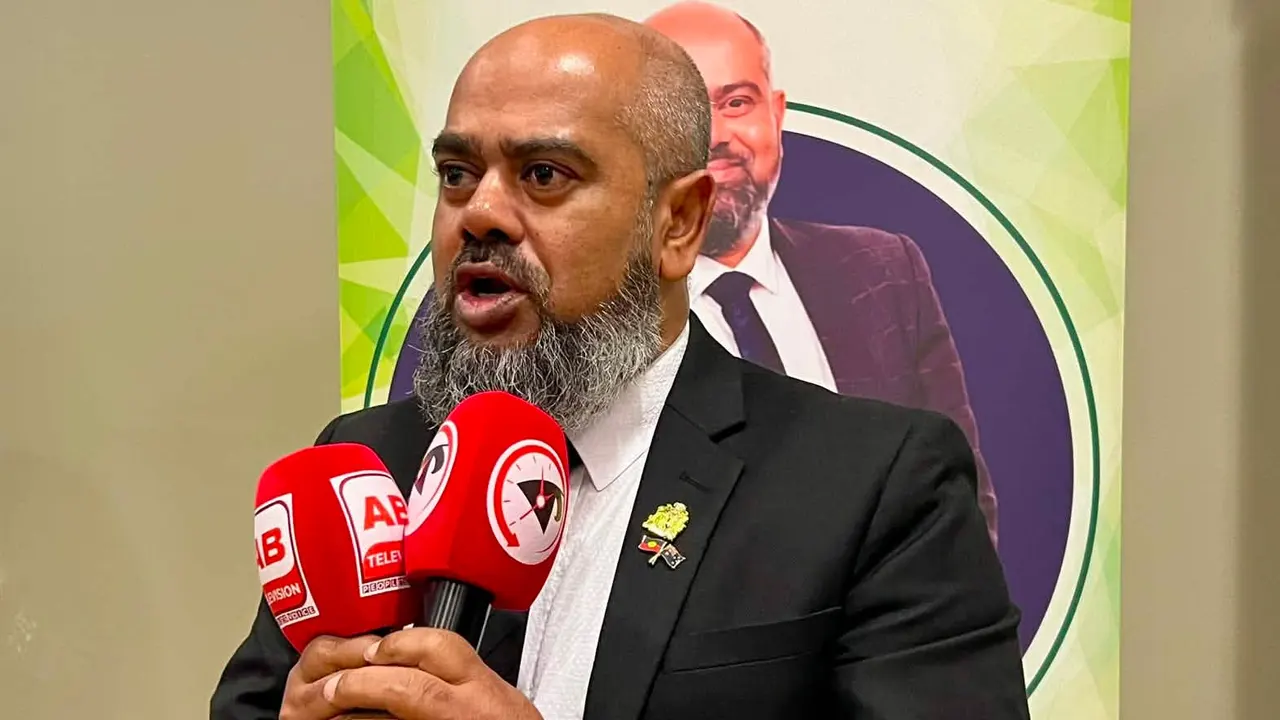
Darwin, September 06: Bangladeshi-Australian community leader and Campbelltown City Councillor and former Deputy Mayor Mohammad Ibrahim Khalil Masud has formally announced his candidacy for the…

Dhaka, September 6: One of the largest Pir-Mashaikh conferences was held in the capital Dhaka, bringing together around 3,000 delegates from home and abroad, including representatives…
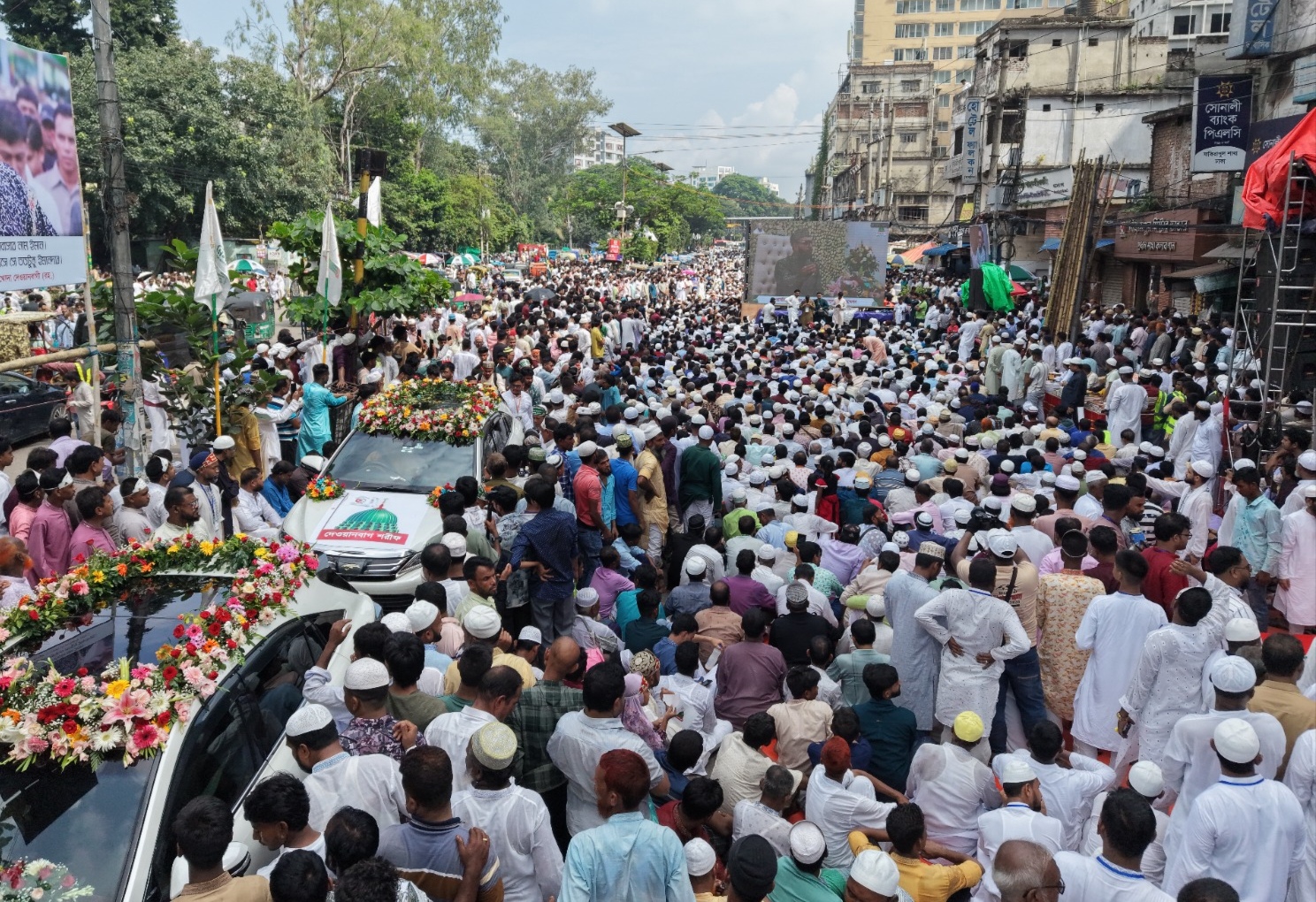
Darwin, August 27: More than 100,000 devotees took part in a colourful rally in Dhaka to mark the 1,501st birth anniversary of Prophet Muhammad (PBUH),…
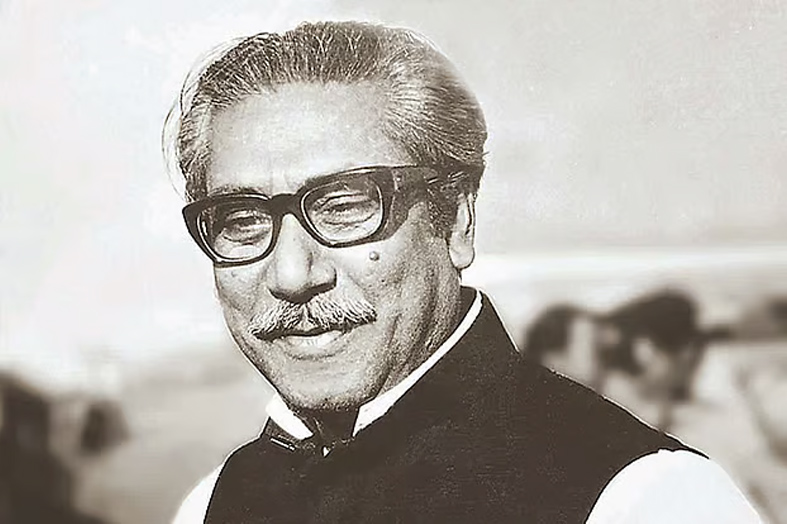
Darwin, August 15 : The death anniversary of Bangabandhu Sheikh Mujibur Rahman, the architect of independent Bangladesh, is being observed today, August 15. On this…

Darwin, 15 August : The United Nations has expressed concern over attempts to establish cells of al-Qaeda in Bangladesh. The concern was raised in a…
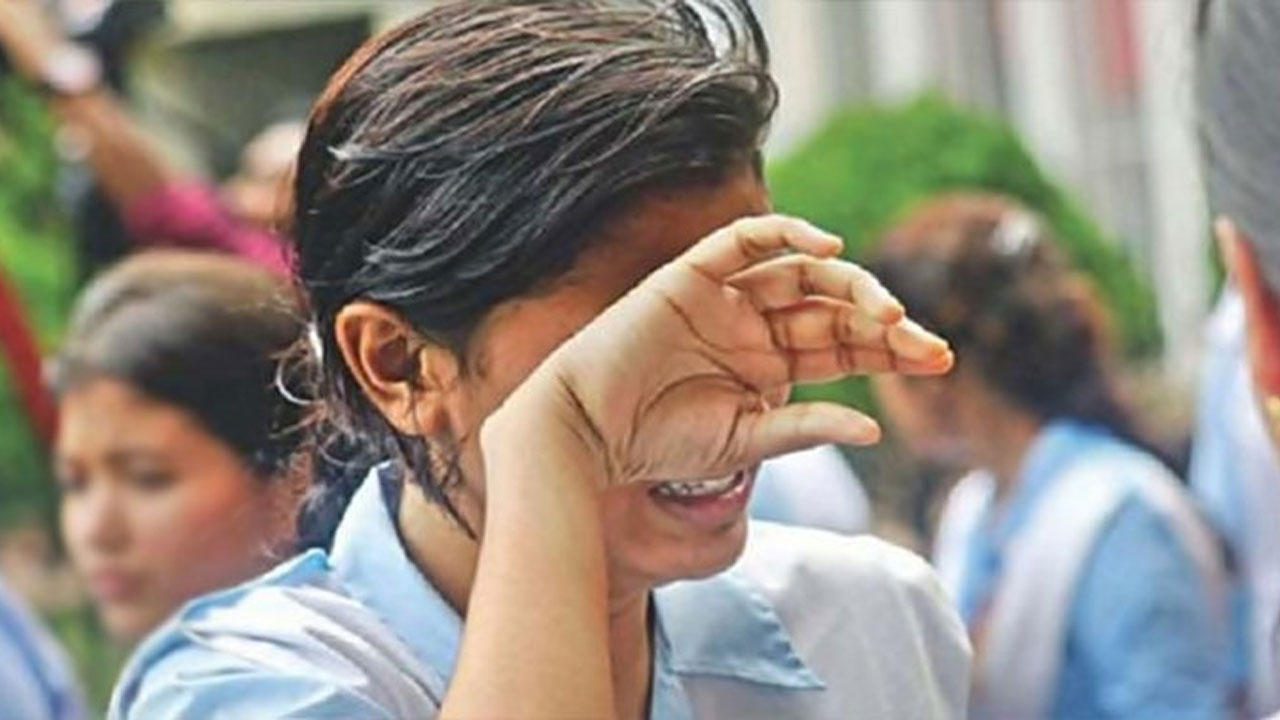
Darwin, August 10: The pass rate in this year’s Secondary School Certificate (SSC) and equivalent examinations in Bangladesh has fallen to 62.25 percent, the lowest…
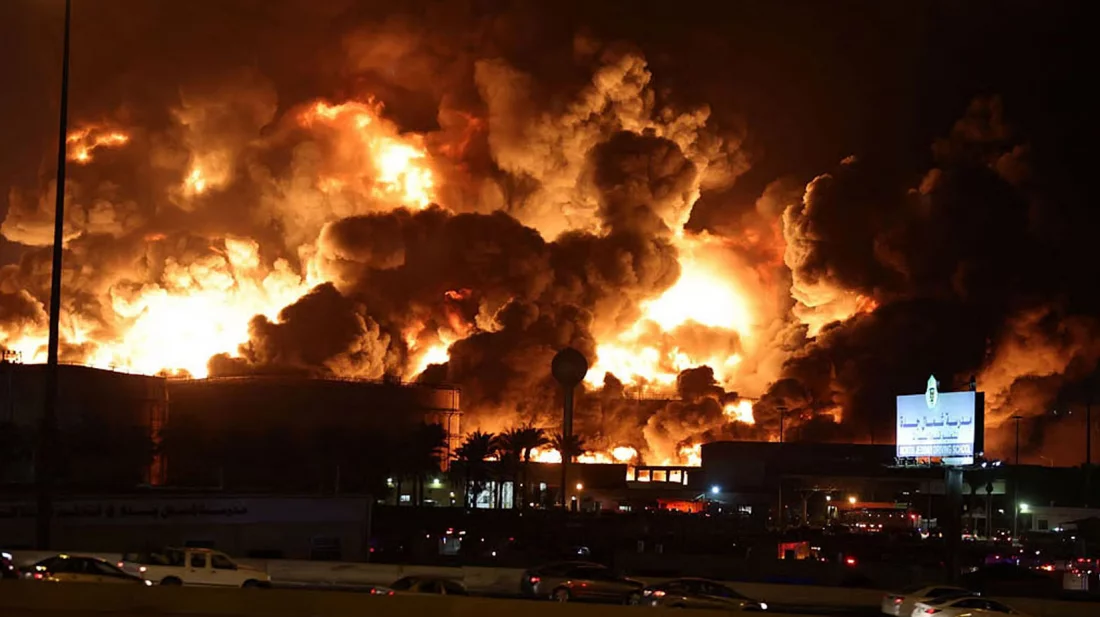
Darwin, August 10: Sixteen Bangladeshi workers have died in a devastating fire at a sofa factory in the Musa Sanaya area of Riyadh, the capital…