Oil Prices Rise in Global Markets on Fears of Middle East Supply Disruptions
Darwin, October 21: Oil prices rose in global markets on Wednesday as traders grew concerned about potential disruptions to oil supplies in the Middle East,…



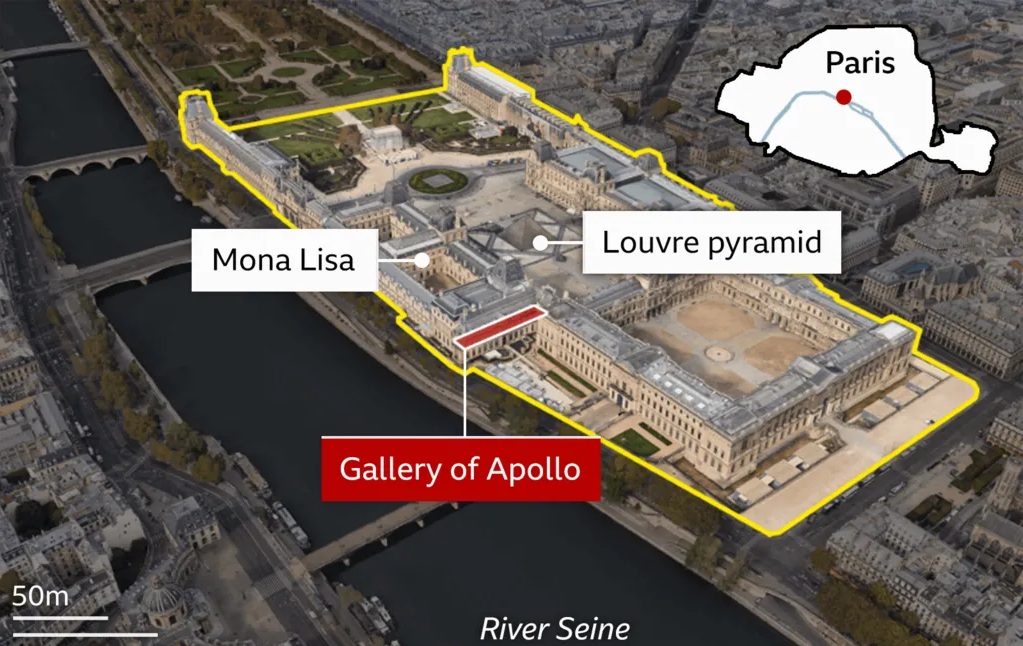
PARIS – French police have made a significant breakthrough in the audacious daylight heist at the Louvre Museum, arresting two suspects over the theft of precious crown jewels valued at an estimated €88 million (approx. $102 million).
The Paris prosecutor’s office confirmed the arrests were made on Saturday evening, one week after the stunning robbery. One suspect was detained at Charles de Gaulle Airport as he was preparing to board a flight, reportedly bound for Algeria. The other was later taken into custody in the Paris region, with police sources suggesting he planned to travel to Mali.
The suspects, both reportedly in their 30s and known to police, are being questioned under a potential 96-hour detention period.
The arrests follow intense forensic work at the crime scene. According to French media reports, DNA evidence found on items abandoned by the thieves—including gloves and a high-vis jacket—led to the identification of one of the suspects. The thieves had previously dropped a crown that once belonged to Empress Eugénie.
The heist, which took only about four minutes inside the museum, exposed “terrible” security failures at the world’s most-visited museum. French Justice Minister David Lammy conceded security protocols “failed,” creating a “terrible image” for the country.
Louvre Director Laurence des Cars told French senators this week that the exterior security was “highly insufficient,” noting that the only camera monitoring the wall where the thieves used a vehicle-mounted ladder to access the Galerie d’Apollon was pointing away from the point of entry. A preliminary report also indicated that one in three rooms in the raided area had no CCTV cameras.
The eight pieces of stolen royal jewels—linked to figures like Empress Marie-Louise and Queen Marie-Amélie—remain missing. Experts have expressed grave concern that the historical artifacts may have already been dismantled, with gold melted down and precious gems cut into smaller stones, making them virtually untraceable.
Following the embarrassing security breach, the Louvre has taken immediate steps to safeguard its most valuable collections, transferring some of its most precious jewels to the highly secure vault of the Bank of France in central Paris.
The Paris prosecutor has regretted the “premature disclosure” of the arrests, cautioning that it “could only jeopardise the work” of investigators attempting to recover the jewels and apprehend the full gang of four.

Darwin, October 21: Oil prices rose in global markets on Wednesday as traders grew concerned about potential disruptions to oil supplies in the Middle East,…

Darwin, October 21: Iran is prolonging negotiations with Washington in an attempt to politically weaken President Donald Trump ahead of the US midterm elections, according…

Darwin, October 21: Today is the auspicious occasion of Bijaya Dashami. The five-day Sharadiya Durga Puja, the biggest religious festival of the Hindu community, officially…

Darwin, October 20: Today is Maha Navami, the ninth day of Sharadiya Durga Puja. Members of the Hindu community will observe the day through religious…
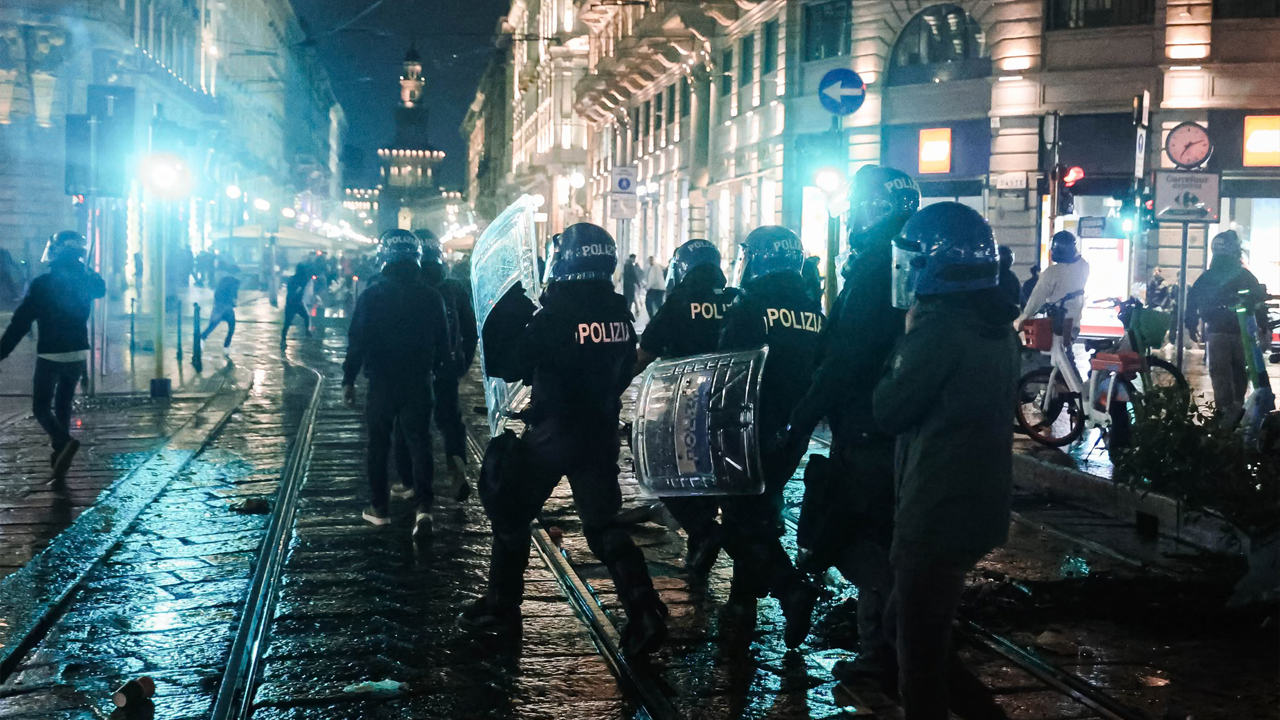
Darwin, October 20: Protests and violence over the rising cost of living have erupted in Italy, one of Europe’s largest economies, following similar unrest in…
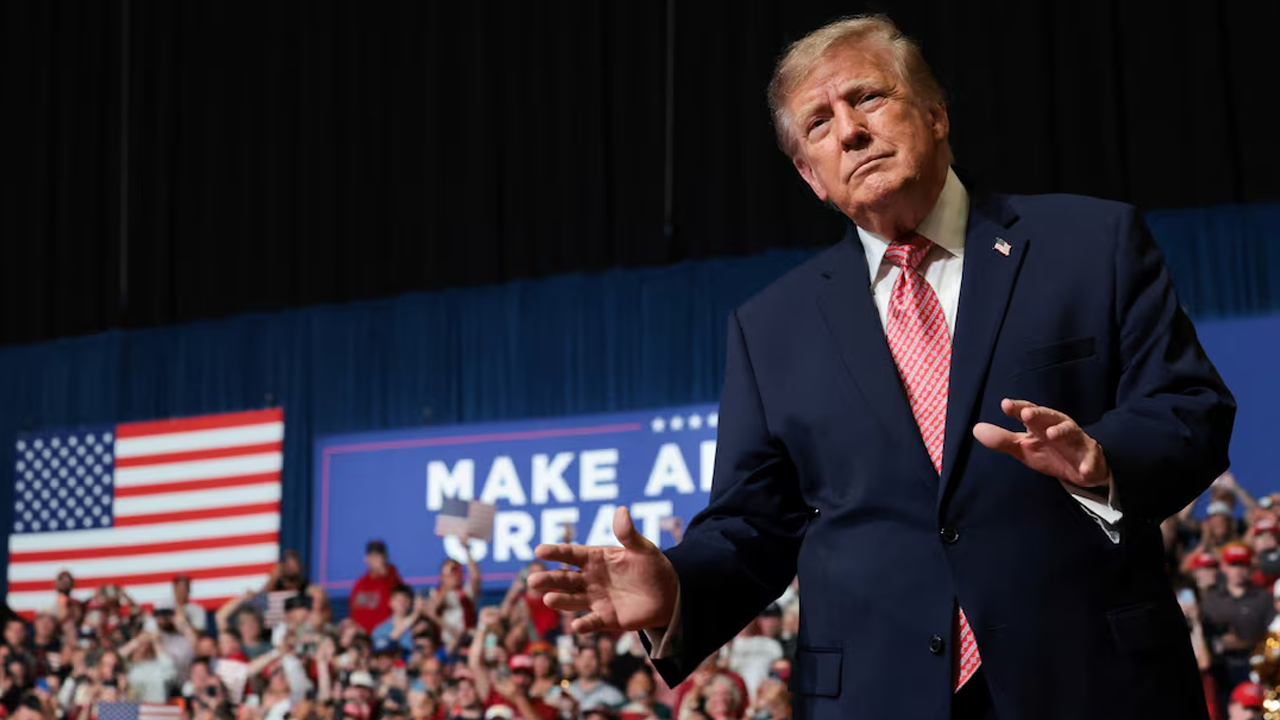
Darwin, October 20: US President Donald Trump has warned that protests and violence similar to those in France could spread across the United States if…

Darwin, October 20: Moscow has reaffirmed its full support for Tehran just hours after US President Donald Trump remarked that Russia was doing very little…

Darwin, October 19: Former Manchester City manager Pep Guardiola has urged the world not to forget the Palestinians in Gaza. In a video for the…