Oil Prices Rise in Global Markets on Fears of Middle East Supply Disruptions
Darwin, October 21: Oil prices rose in global markets on Wednesday as traders grew concerned about potential disruptions to oil supplies in the Middle East,…



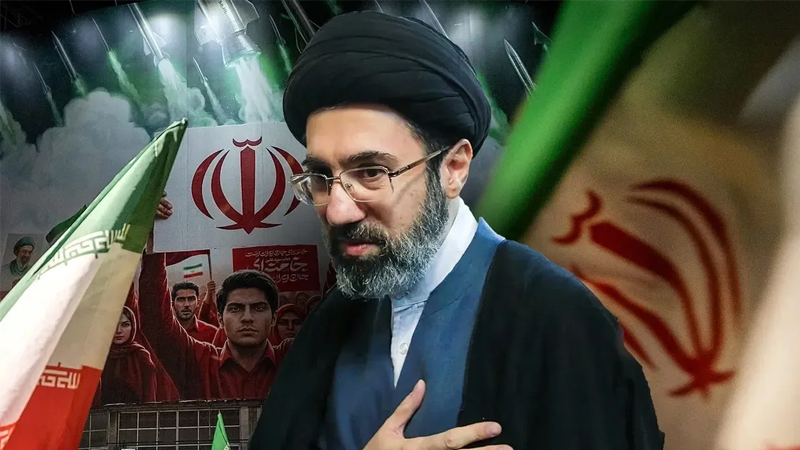
Darwin, 22 May: Iran has taken a firm stance that it will not allow its enriched uranium to be sent abroad under any circumstances. Analysts believe this rigid position could become a major obstacle to any potential agreement between Iran and the United States.
However, the US administration has responded to Iran’s 14-point proposal aimed at permanently ending the war. Tehran has said the proposal is currently under review.
On February 28, the United States and Israel launched a war against Iran. After nearly six weeks of conflict, a ceasefire began on April 8. Since then, Tehran and Washington have held only one meeting to discuss a permanent end to the war, though no significant progress emerged. Despite continued exchanges of proposals between the two sides, there has been little sign of optimism regarding a deal.
One of the key disputes in the negotiations is Iran’s nuclear program. The United States wants Tehran to place its highly enriched uranium stockpile under Washington’s custody, a demand strongly opposed by Iran.
Meanwhile, on Thursday, Iran’s Supreme Leader Ayatollah Mojtaba Khamenei reportedly issued a specific directive stating that the country’s strategic stockpile of uranium enriched up to 60 percent must not be transferred outside Iran under any circumstances.
Senior Iranian officials fear that sending enriched uranium abroad would weaken the country’s defense capabilities and significantly increase the risk of future attacks by the United States and Israel. Following Iran’s uncompromising stance, global oil prices reportedly rose further.
Reuters contacted both the White House and Iran’s Foreign Ministry for comment but received no response.
However, an Iranian senior official later dismissed reports of the directive in an interview with Bloomberg, calling them “enemy propaganda.” The official claimed that no new decree regarding uranium had yet been issued.
Iran currently possesses more than 440 kilograms of uranium enriched up to 60 percent — a level close to weapons-grade material. Following US-Israeli airstrikes on Iranian nuclear facilities in June 2025, the stockpile is believed to have been secured inside tunnels in Isfahan.
Before the war, Tehran had reportedly agreed to send half of its uranium stockpile abroad, but it later completely abandoned that decision amid repeated threats from US President Donald Trump.
Israeli Prime Minister Benjamin Netanyahu and the US administration have clearly stated that no agreement to end the war will be reached unless Iran fully removes its uranium stockpile.
Trump also issued a stern warning on Wednesday, saying: “Believe me, if we do not get the right answer, strikes will resume very soon. We are prepared.”
In response to Trump’s remarks, an Iranian official told Russian media that Iran possesses advanced “new weapons” that have never before been tested in warfare and would not hesitate to use them if necessary.
At the same time, Iran’s Islamic Revolutionary Guard Corps (IRGC) warned that any renewed aggression would expand beyond regional boundaries.
Amid growing tensions, Pakistan’s Army Chief Field Marshal Asim Munir is scheduled to visit Tehran on Thursday in an effort to prevent a renewed outbreak of conflict and help bridge differences between the two sides. Pakistan’s Interior Minister Mohsin Naqvi is also currently in Tehran.
Nevertheless, Trump’s aggressive stance and Iran’s determination to retain its uranium stockpile are making the path toward a comprehensive agreement increasingly difficult.
Darwin, October 21: Oil prices rose in global markets on Wednesday as traders grew concerned about potential disruptions to oil supplies in the Middle East,…
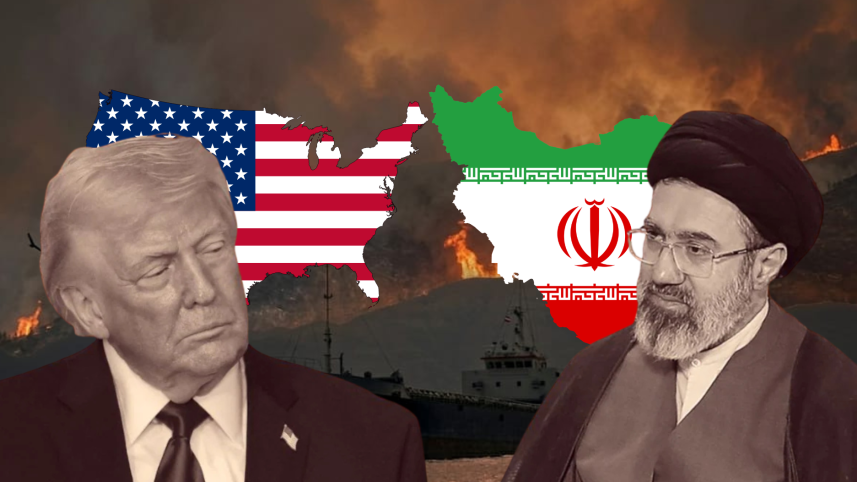
Darwin, October 21: Iran is prolonging negotiations with Washington in an attempt to politically weaken President Donald Trump ahead of the US midterm elections, according…

Darwin, October 21: Today is the auspicious occasion of Bijaya Dashami. The five-day Sharadiya Durga Puja, the biggest religious festival of the Hindu community, officially…

Darwin, October 20: Today is Maha Navami, the ninth day of Sharadiya Durga Puja. Members of the Hindu community will observe the day through religious…

Darwin, October 20: Protests and violence over the rising cost of living have erupted in Italy, one of Europe’s largest economies, following similar unrest in…
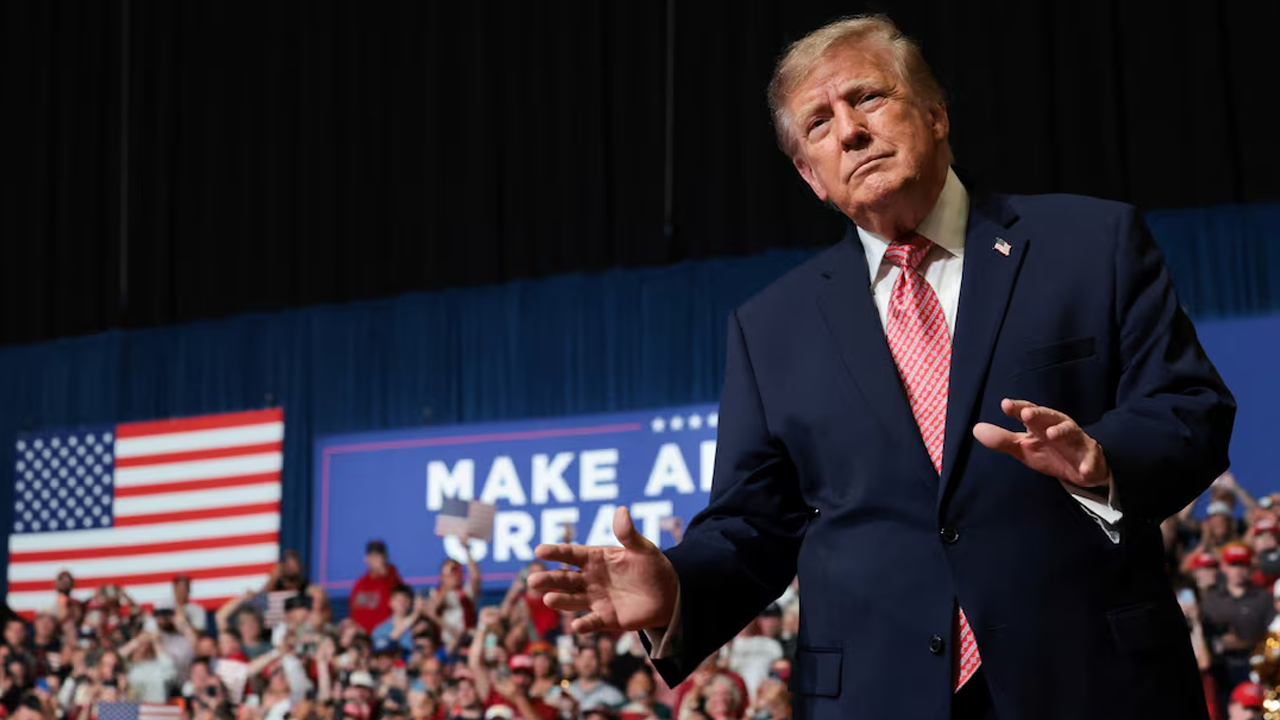
Darwin, October 20: US President Donald Trump has warned that protests and violence similar to those in France could spread across the United States if…
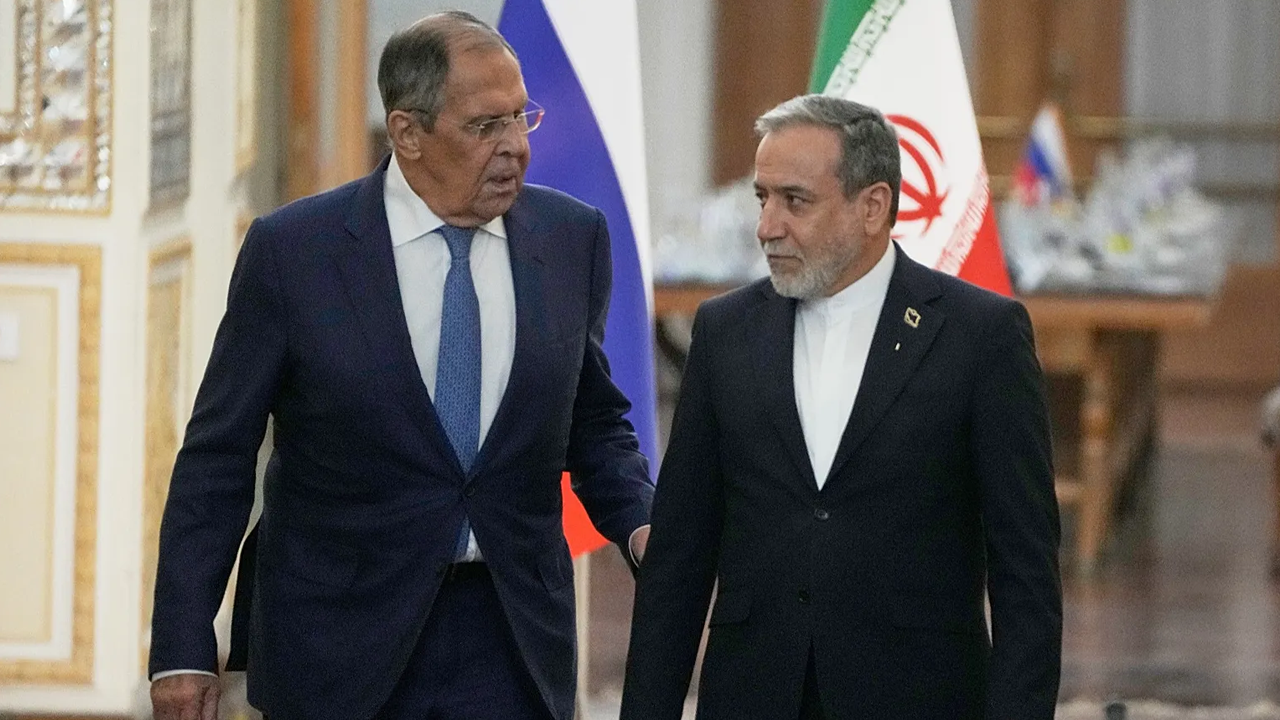
Darwin, October 20: Moscow has reaffirmed its full support for Tehran just hours after US President Donald Trump remarked that Russia was doing very little…

Darwin, October 19: Former Manchester City manager Pep Guardiola has urged the world not to forget the Palestinians in Gaza. In a video for the…