Hayden Panettiere, ‘Heroes’ and ‘Remember the Titans’ Star, Dies at 36
Entertainment Desk: Hayden Panettiere, the actress best known for her roles in Heroes, Remember the Titans and Nashville, has died at the age of 36,…



LOS ANGELES, CA — Actor Timothée Chalamet, 29, is at the centre of a fierce social media controversy after comments he made in a recent Vogue magazine cover story, where he described the lifestyle of women who “brag about not having kids” as “bleak.”
The Oscar-nominated star recalled watching an interview with a friend where an unnamed woman boasted about the extra free time her childless status afforded her. Chalamet’s reaction was emphatic: “Like, holy s*. Oh my God. Bleak.”**
The A-lister’s comments were tied to a larger philosophical view on family. While the Vogue piece noted Chalamet acknowledged that some people cannot have children, it stated that “he does believe procreation is the reason we’re here.” He also confirmed that becoming a father was “on his radar” for the future.
This strong statement, which follows recent speculation about his relationship with Kylie Jenner, immediately drew fire across the internet.
Fans quickly flooded Chalamet’s social media, calling the remarks “tone-deaf” and insensitive. The criticism was particularly sharp from individuals dealing with infertility, transforming the critique from a debate about choice into a discussion about empathy.
One follower wrote: “I wasn’t blessed with children. I’ve battled depression over that. Please be more sensitive towards people who haven’t had kids. It is a choice and for some, like me, just never happened. I don’t want anyone telling me my life is bleak because I never had kids.”
The cultural clash is set against a backdrop of globally declining birth rates. US data shows the percentage of women who have never had children is at a record high since 1960, contributing to a nation’s fertility rate of just 1.8 children per woman. Australia’s latest ABS figures show a similar decline, with the total fertility rate sitting at 1.481 babies per woman in 2024, far below the 2.1 replacement rate.

Entertainment Desk: Hayden Panettiere, the actress best known for her roles in Heroes, Remember the Titans and Nashville, has died at the age of 36,…

Entertainment Desk: Bollywood actor Aamir Khan recently tied the knot with Gauri Spratt in an intimate ceremony held at his residence in Mumbai’s Pali Hill….

Darwin, 04 July : American pop star Taylor Swift and NFL star Travis Kelce officially tied the knot at a lavish ceremony in New York…

Darwin, 17 May : Bulgaria Wins Eurovision 2026 Amid Boycotts and Political Controversy Bulgaria has won this year’s Eurovision Song Contest, but the event was…

Entertainment Desk: Bollywood’s much-anticipated film ‘No Entry 2’ has suffered a setback as producer Boney Kapoor faces another major change in the cast. After prolonged…

Darwin, 10 May : Popular actress grabbed attention at the swearing-in ceremony of as the Chief Minister of Tamil Nadu, appearing in an elegant blue…
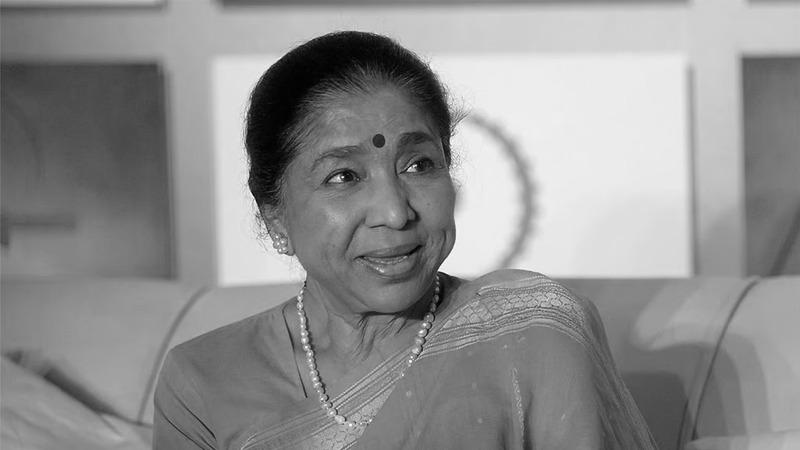
Darwin, 12 April : Legendary Indian singer Asha Bhosle has passed away. She was 92 years old at the time of her death. Indian media…

Darwin, 02 April : Bangladeshi actor Arifin Shuvo is gaining widespread recognition beyond national borders, drawing strong positive attention from major Indian media outlets for…