Saudi Crown Prince ‘Shuttles Between Palaces’ Amid Houthi Attacks: Report
Darwin, October 13: Saudi Crown Prince Mohammed bin Salman has reportedly been moving from one palace to another amid growing security concerns as Yemen’s Houthi…



Darwin, 30 November –
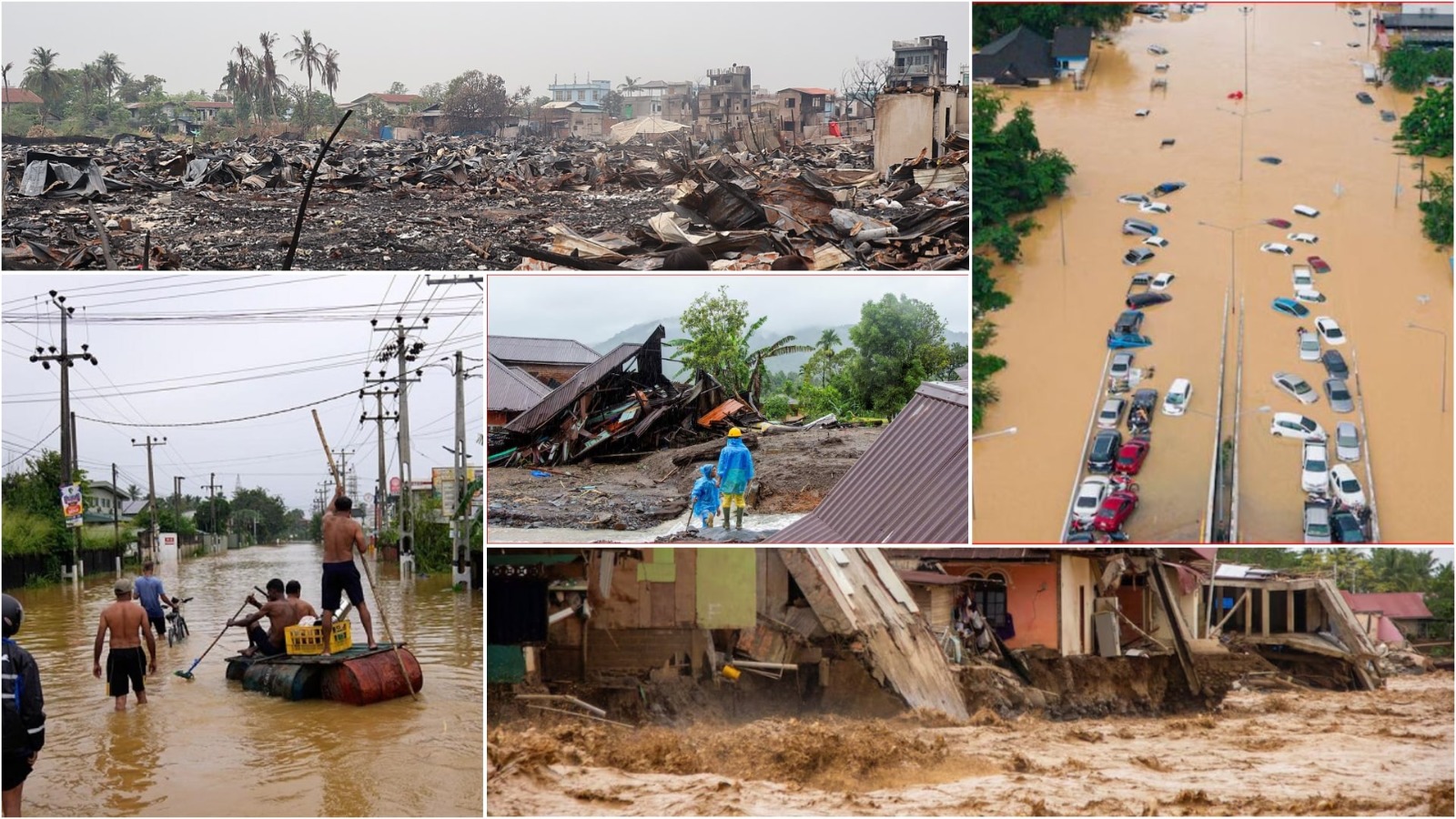
Cyclones and continuous heavy rainfall have pushed vast areas of Southeast Asia into severe crisis. Monsoon rains and successive storms have caused the worst flooding in years in Indonesia, Malaysia, Thailand, and Sri Lanka. So far, nearly 600 people have died, and hundreds remain missing.
In Indonesia alone, the death toll has risen to 303, and around 300 people are still missing amid the catastrophic disaster.
Asia has also witnessed several moderate to strong earthquakes in November. On 21 November, a 5.7-magnitude earthquake struck Bangladesh. Madhabdi in Narsingdi, near the capital Dhaka, was the epicenter. At least 10 people died, and more than 600 were injured. Many buildings developed cracks, and panic-stricken residents rushed out to the streets. In the days that followed, several mild aftershocks were reported in Dhaka and other parts of the country.
Elsewhere in the region, a 6.6-magnitude earthquake struck off the coast of Sumatra, Indonesia, on 27 November. According to the US Geological Survey (USGS), the quake had a depth of about 25 km. Although Indonesia’s meteorological agency confirmed there was no tsunami threat, the quake disrupted rescue operations already hampered by heavy rainfall, floods, and landslides.
On 25 November, a 5.8-magnitude earthquake struck Japan’s Kumamoto region, injuring four people and damaging some buildings and infrastructure.
Early in November, a 6.3-magnitude quake rattled Khulm in Balkh Province, Afghanistan, killing at least 20 people and injuring hundreds. Tremors were also felt in Pakistan, Tajikistan, and parts of China. On 23 November, another 5.3-magnitude quake struck Myanmar’s coastline, with tremors felt in Thailand as well.
Typhoons, Floods, and Landslides Leave a Trail of Destruction
Cyclone-induced heavy rains have created catastrophic flooding in South and Southeast Asia. In Vietnam, Typhoon Kalmaegi followed by Storm Kotor caused massive floods and landslides, killing at least 91 people.
A week of relentless rainfall severely damaged an 800-km stretch in the central region. Many coffee plantations in Dak Lak — a major coffee-producing region — were submerged, raising concerns of significant economic losses. Government estimates place the damages at around $500 million.
In Indonesia, devastating floods and landslides triggered by torrential rains have pushed the death toll to 303 so far, with more than a hundred still missing. The National Disaster Management Agency (BNPB) says rescue operations continue, but heavy rains and collapsed roads are making it extremely difficult to reach remote areas.
In southern Thailand, especially Hat Yai, the past 24 hours saw the heaviest rainfall in 300 years. The disaster has killed 145 people, affecting more than 3.5 million residents. Numerous factories are submerged, and electricity supplies have been disrupted. Authorities have declared the region a disaster zone and initiated emergency aid programs.
In Sri Lanka, floods and landslides caused by Cyclone Ditwah have killed over 100 people. The Disaster Management Center reported 132 deaths, with another 130 missing. Around 43,000 people have been moved to shelters. In Malaysia, flooding in Kelantan and several other northeastern states has forced thousands to evacuate to safer locations.
In the Philippines, more than 220 people were killed earlier this month by Typhoon Kalmaegi. A few days later, Super Typhoon Feng-Ong struck, killing at least 10 people and displacing more than 1.4 million residents.
Unprecedented Drought in Iran
While flooding devastates one part of Asia, Iran is facing an unprecedented drought. The capital Tehran is grappling with severe water shortages. President Masoud Pezeshkian has warned that without rainfall, water rationing might begin soon. If the situation does not improve, authorities may even have to consider evacuating the city.
Climate Change Clearly at Play
Experts believe the increasing frequency of disasters across Asia is a clear sign of climate change. Rising temperatures are increasing atmospheric moisture, resulting in sudden, extreme rainfall, floods, landslides, and storms that are now more frequent, more intense, and more unpredictable than ever before.
This situation not only causes rising casualties but also threatens agriculture, housing, infrastructure, and national economies. Therefore, beyond immediate relief, coordinated national and regional efforts to combat the long-term impacts of climate change are urgently needed.

Darwin, October 13: Saudi Crown Prince Mohammed bin Salman has reportedly been moving from one palace to another amid growing security concerns as Yemen’s Houthi…

Darwin, October 12: Saudi Arabia’s Civil Aviation Authority has confirmed an attack on Dammam Airport in the country’s Eastern Province. The confirmation came shortly after…
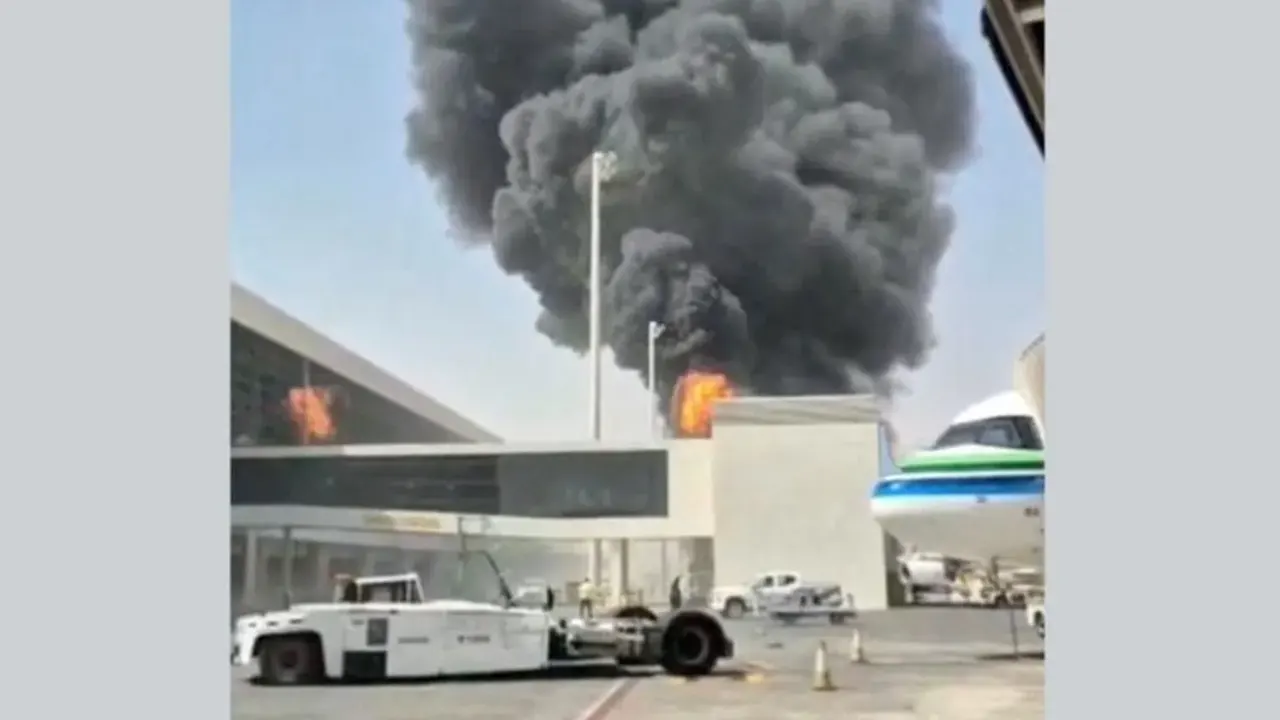
Darwin, October 12 : A fresh attack has reportedly targeted King Khalid International Airport in Riyadh, the capital of Saudi Arabia, killing one Pakistani national…

Darwin, October 11: US President Donald Trump has called for a new presidential election in Ukraine, suggesting that Volodymyr Zelenskyy has failed to seize opportunities…

Darwin, October 11: At least 12 people have been killed in an attack by Yemen’s Iran-backed Houthi armed group on King Khalid International Airport in…

Darwin, October 09: Navanetham “Navi” Pillay, a South African jurist who led a United Nations investigative commission that described Israel’s actions in Gaza as genocide,…

Darwin, October 08: U.S. President Donald Trump said on Wednesday that he deserves to win the Nobel Peace Prize, while expressing doubts that he would…

Darwin, October 07: Russia has finalized preparations to provide Iran with a $1 billion loan. The funds will be transferred once Tehran provides the necessary…