Deaths in Australia Expected to Outnumber Births by the 2060s, Report Says
Darwin, October 05: Deaths in Australia are expected to outnumber births by the 2060s, according to a government report, marking a demographic milestone that countries…



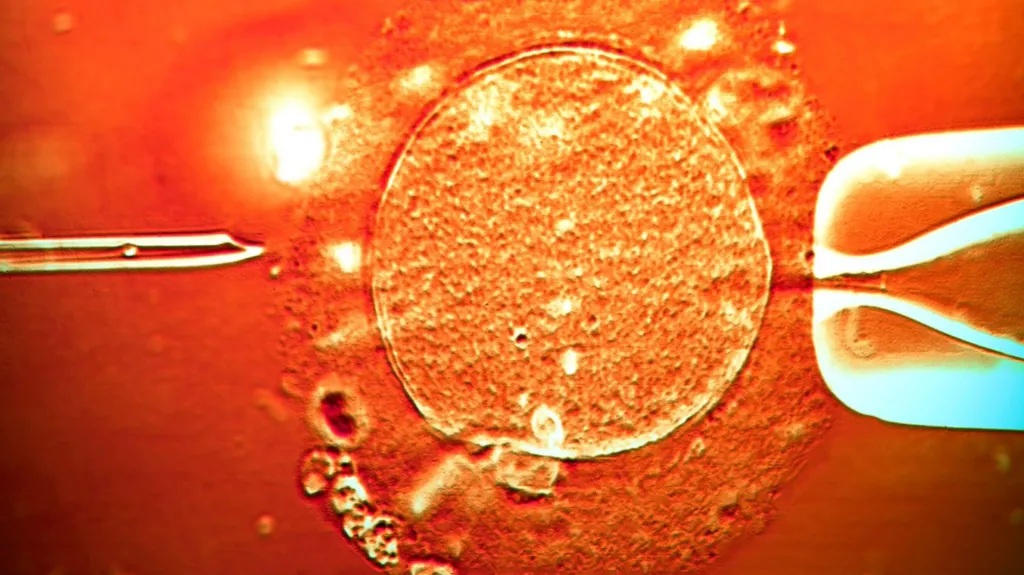
LONDON: A major international investigation by the European Broadcasting Union’s Investigative Journalism Network, including the BBC, has revealed a public health crisis stemming from a single sperm donor who unknowingly harboured a genetic mutation that dramatically raises the risk of cancer. The donor’s sperm was used to father at least 197 children across 14 European countries over 17 years.
The man, who donated for payment as a student starting in 2005, passed all initial screening checks. However, a mutation in his DNA damaged the crucial TP53 gene, which acts as the body’s primary defense against cell cancer.
The mutation, present in up to 20% of the donor’s sperm, results in a condition known as Li Fraumeni syndrome (LFS) in any child who inherits it. LFS comes with an up to 90% lifetime chance of developing cancer, often during childhood, as well as an elevated risk of breast cancer later in life.
“It is a dreadful diagnosis,” Prof Clare Turnbull, a cancer geneticist at the Institute of Cancer Research in London, told the BBC. “There is a lifelong burden of living with that risk, it’s clearly devastating.”
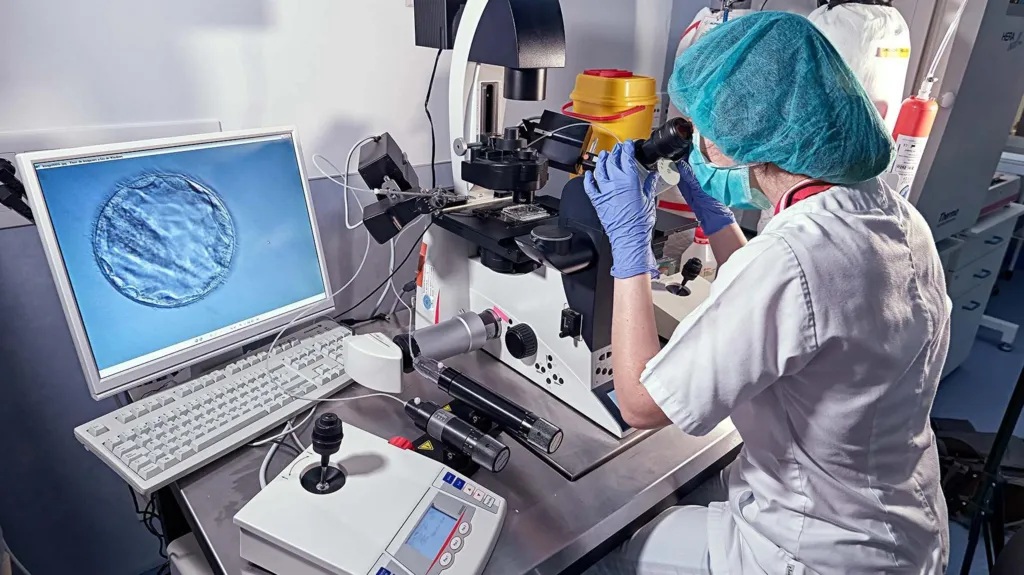
The consequences are already evident. Dr Edwige Kasper, a cancer geneticist in France, reported that doctors had found the LFS variant in 23 children known at the time of initial findings, with 10 already diagnosed with cancer. Furthermore, some children have already died at a very early age, and others have developed multiple cancers.
The European Sperm Bank in Denmark, which sold the sperm, immediately blocked the donor once the problem was discovered. They admitted that the donor’s sperm was used to make “too many babies in some countries.”
While the sperm was not sold to UK clinics, the BBC has confirmed that a “very small number” of British families are affected, having travelled to Denmark for fertility treatment using the donor’s sperm. These families have since been informed of the potentially catastrophic genetic risk.
For families like Céline’s in France, whose child inherited the mutation, the risk is a permanent shadow. “We don’t know when, we don’t know which one, and we don’t know how many,” she said, vowing to fight the inevitable disease. Affected families now face a lifetime of preventative screening, including annual MRI scans and ultrasounds.
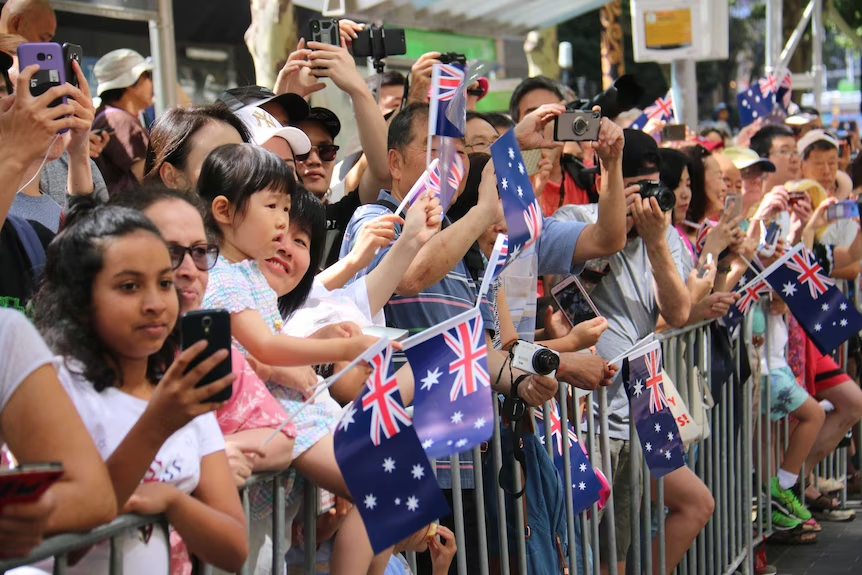
Darwin, October 05: Deaths in Australia are expected to outnumber births by the 2060s, according to a government report, marking a demographic milestone that countries…
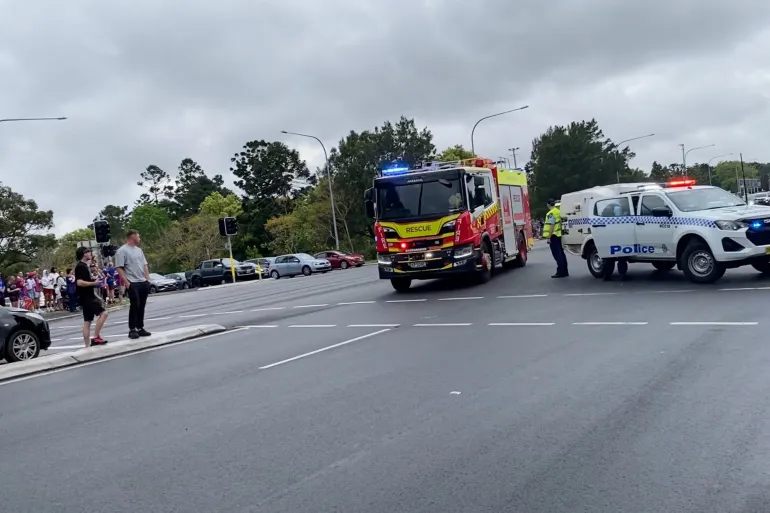
Darwin, October 04: Ten people, including three children, have been injured after a car crashed into a crowd of rugby league fans in Newcastle, eastern…
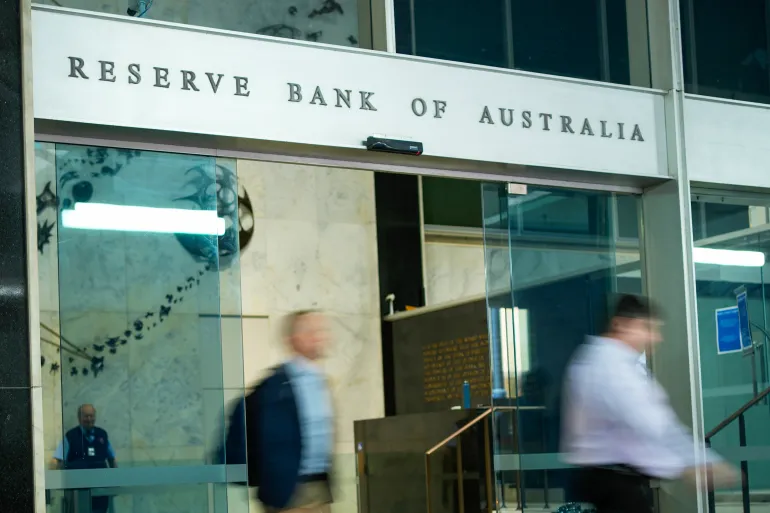
Darwin, October 4: Australia’s central bank has raised interest rates to their highest level in 15 years, increasing mortgage repayments for millions of Australian households….

Darwin, October 3: Under pressure from US President Donald Trump to bring down rising fuel prices, G7 leaders are set to release up to 100…
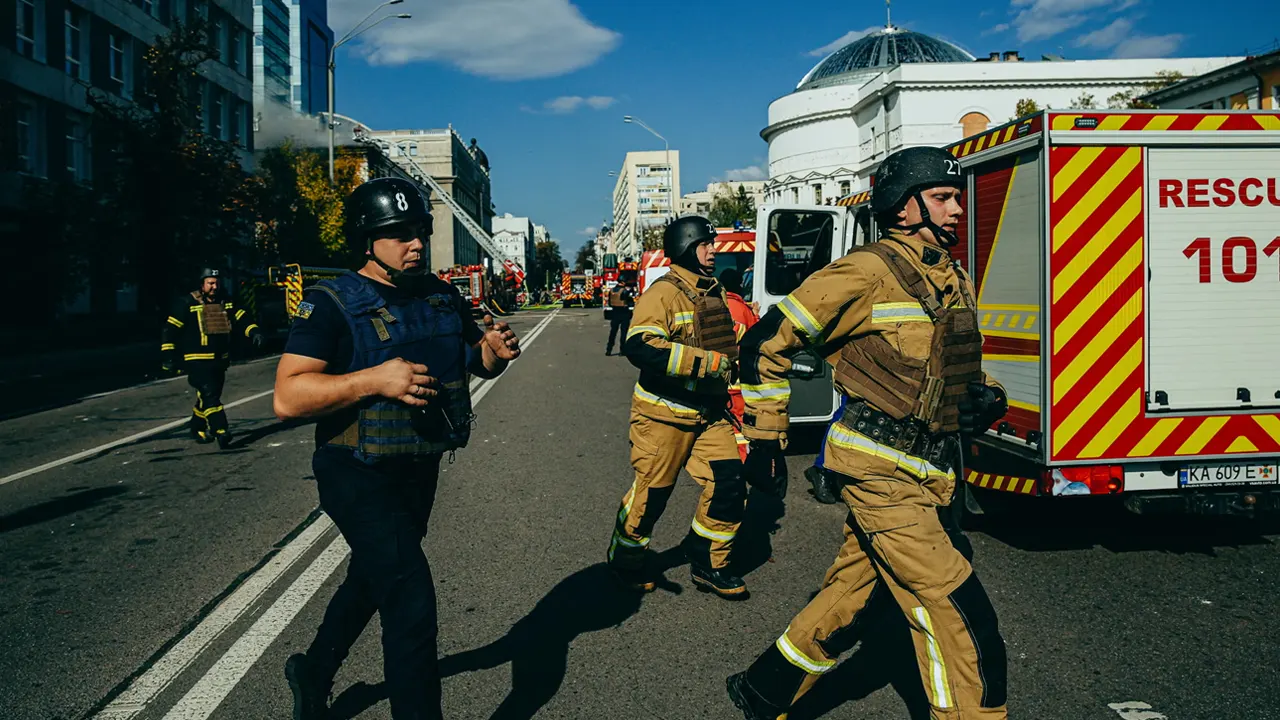
Darwin, October 3: Russia’s daily attacks are filling the lives of Kyiv residents with fear and uncertainty. From schools and hospitals to bridges, power plants…
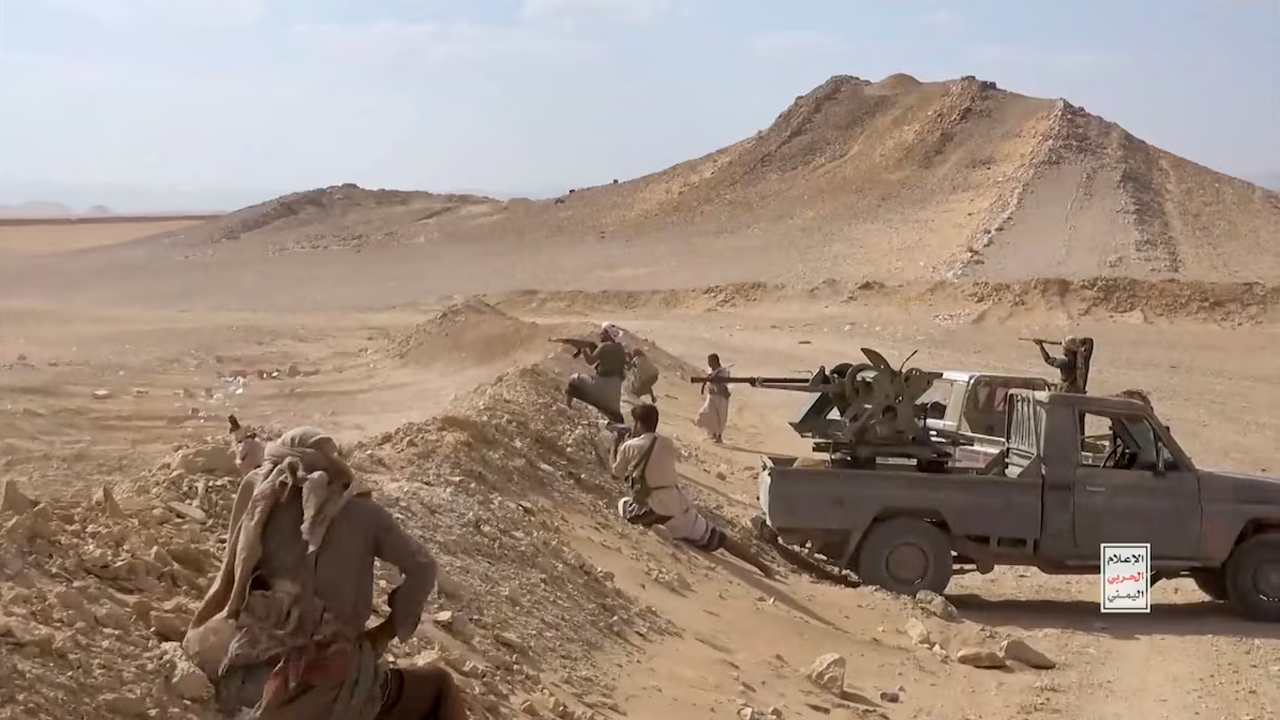
Darwin, October 3: At least 80 fighters have been killed over the past 24 hours in fierce fighting between Iran-backed Houthi rebels and Saudi-backed government…

Darwin, October 3: As the Iran war enters its eighth month, the United States is sending a third aircraft carrier strike group to waters near…
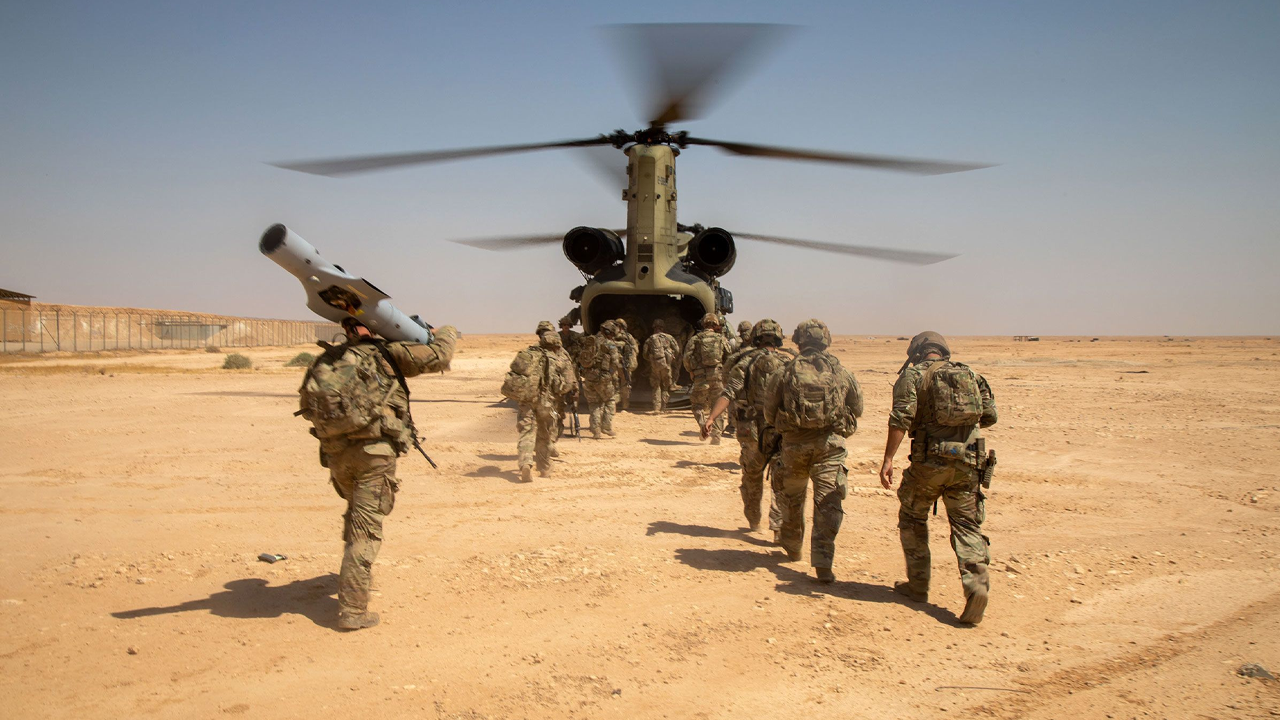
Darwin, September 30 : The United States is preparing to withdraw its military forces from Iraq after more than two decades of war and the…