Pritom Hasan and Shehtaz Monira End 10-Year Relationship, Move Towards Divorce
Darwin, October 05: Popular Bangladeshi singer and actor Pritom Hasan and model-actress Shehtaz Monira Hashem have decided to end their marriage after a decade together,…



SYDNEY: Russell Crowe, the Academy Award-winning star of the 2000 historical epic Gladiator, has launched a scathing critique of its recent sequel, arguing the creators fundamentally misunderstood the essence of the original film.
Speaking to Australian radio station Triple J, Crowe, who played the doomed Roman general Maximus in the first movie, suggested Gladiator II was a “really unfortunate example” of industry failure.
“The moral core” of the story was what drew people in, not “the pomp, it wasn’t the circumstance, it wasn’t the action,” Crowe asserted.
The original film, directed by Sir Ridley Scott, saw Maximus forced into slavery before achieving vengeance and dying of his wounds. It earned five Oscars, including Best Picture and Best Actor for Crowe.
Crowe revealed that preserving the moral integrity of Maximus was a constant struggle during the filming of the original.
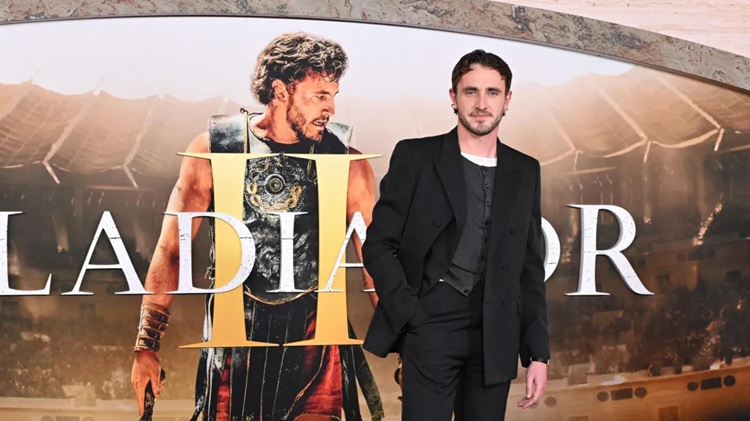
Paul Mescal plays Lucius in the sequel, who is revealed to be Maximus’ secret son
“There was a daily fight on that set to keep that moral core of the character,” he said, citing instances where producers suggested inappropriate additions to Maximus’s story. “The amount of times they suggested sex scenes and stuff like that for Maximus—it’s like ‘you’re taking away his power’.”
He also dismissed suggestions within the sequel’s concept that Maximus might have had a romantic relationship with Lucilla (Connie Nielsen) alongside his wife, labeling the idea as “crazy.”
The sequel, released last year, is set years after Maximus’s death and stars Irish actor Paul Mescal as Lucius, the illegitimate son of Maximus and Lucilla. While reviews for the sequel were mixed—some critics, like the Guardian’s Peter Bradshaw, called it a “thrilling spectacle”—Crowe appears to align with those who felt it was “ultimately a mere shadow” of the original, as Variety’s Owen Gleiberman put it.
Crowe’s assessment is clear: the sequel failed by prioritizing spectacle over the powerful, singular motivation of a man fighting for honor and family.
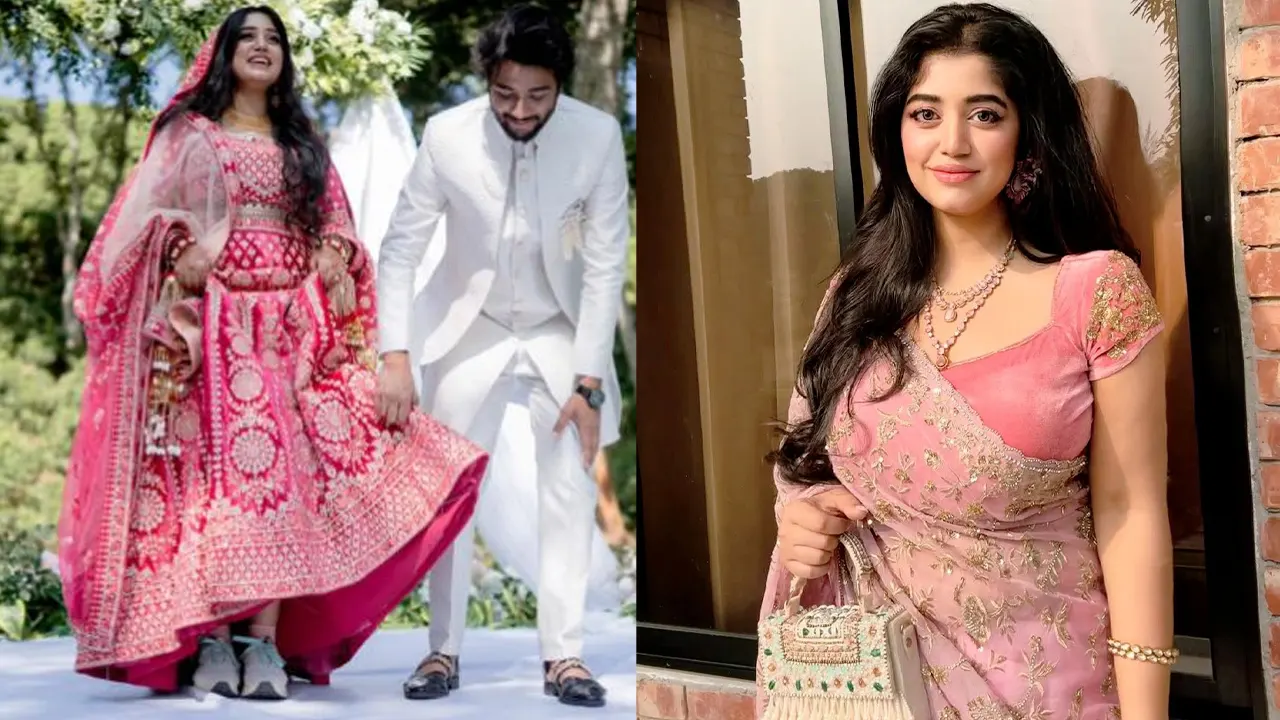
Darwin, October 05: Popular Bangladeshi singer and actor Pritom Hasan and model-actress Shehtaz Monira Hashem have decided to end their marriage after a decade together,…
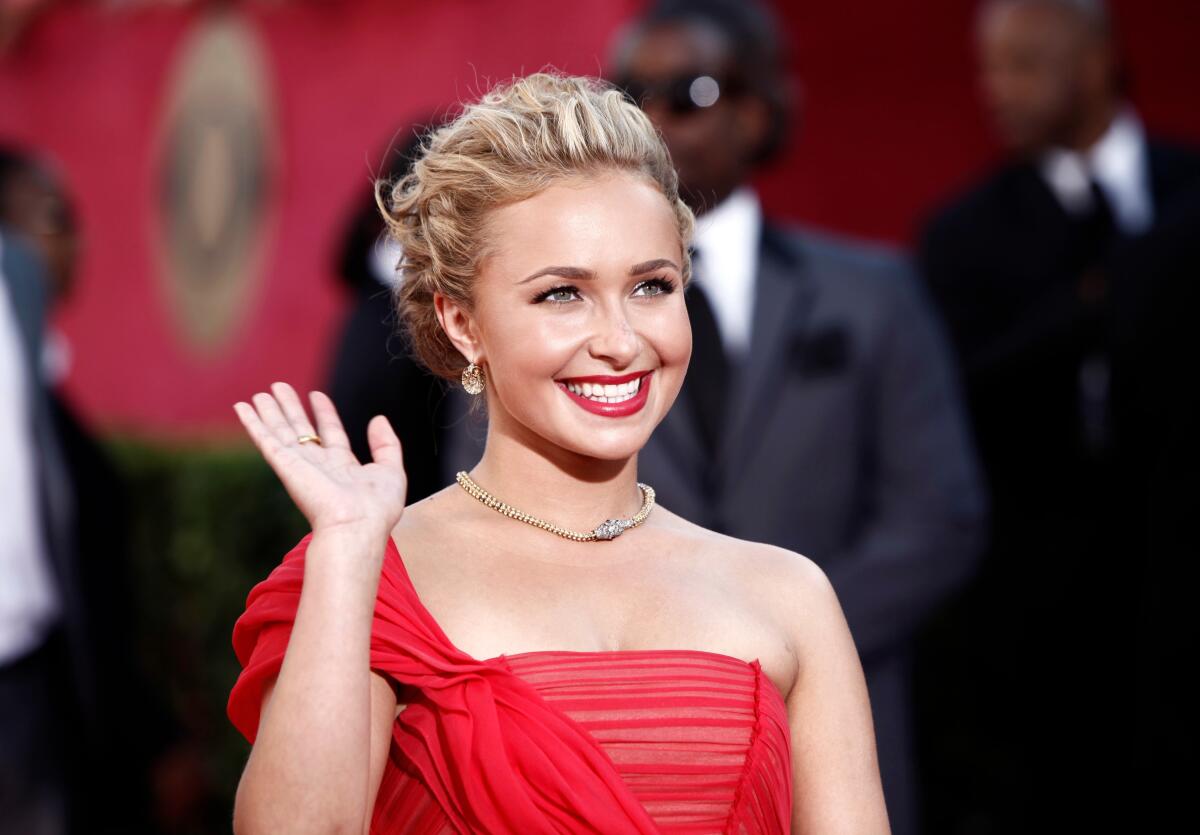
Entertainment Desk: Hayden Panettiere, the actress best known for her roles in Heroes, Remember the Titans and Nashville, has died at the age of 36,…
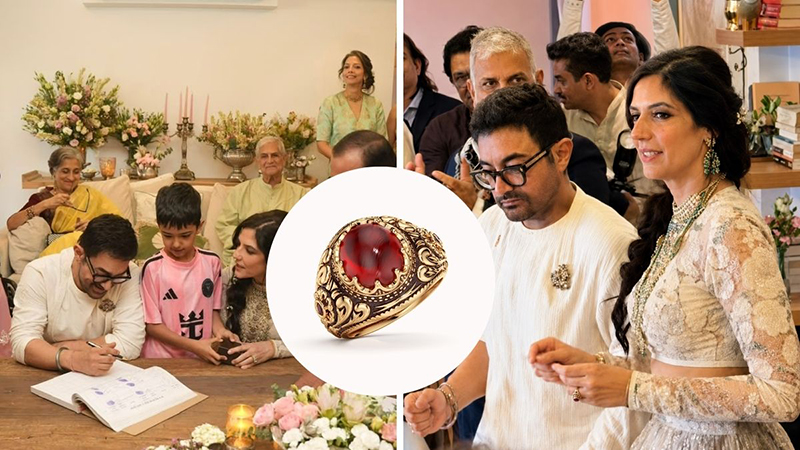
Entertainment Desk: Bollywood actor Aamir Khan recently tied the knot with Gauri Spratt in an intimate ceremony held at his residence in Mumbai’s Pali Hill….
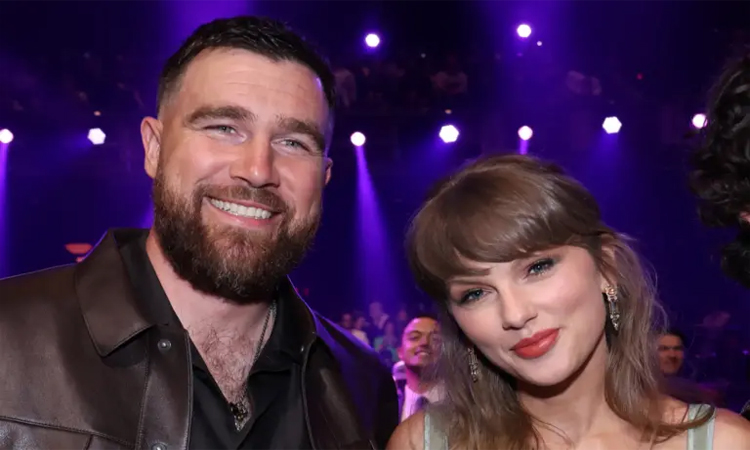
Darwin, 04 July : American pop star Taylor Swift and NFL star Travis Kelce officially tied the knot at a lavish ceremony in New York…

Darwin, 17 May : Bulgaria Wins Eurovision 2026 Amid Boycotts and Political Controversy Bulgaria has won this year’s Eurovision Song Contest, but the event was…
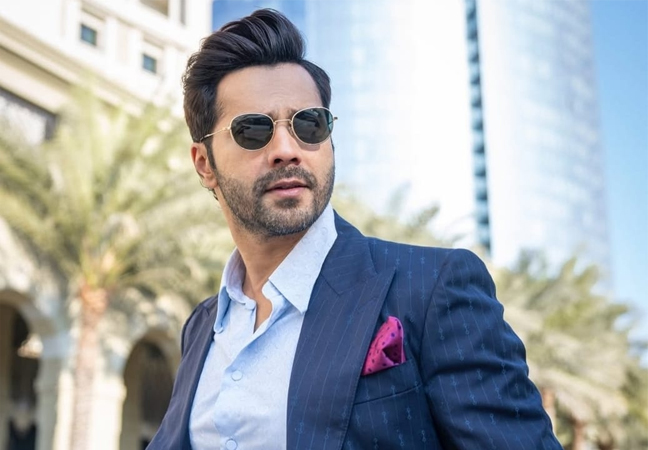
Entertainment Desk: Bollywood’s much-anticipated film ‘No Entry 2’ has suffered a setback as producer Boney Kapoor faces another major change in the cast. After prolonged…
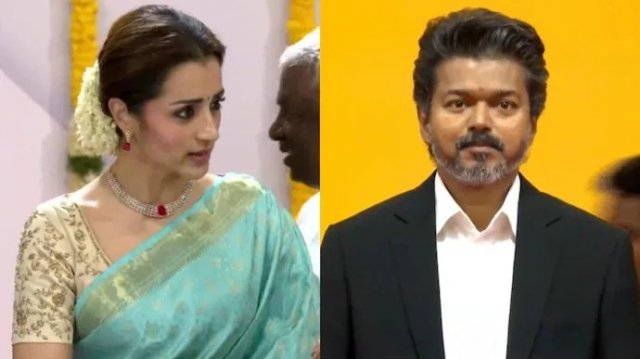
Darwin, 10 May : Popular actress grabbed attention at the swearing-in ceremony of as the Chief Minister of Tamil Nadu, appearing in an elegant blue…
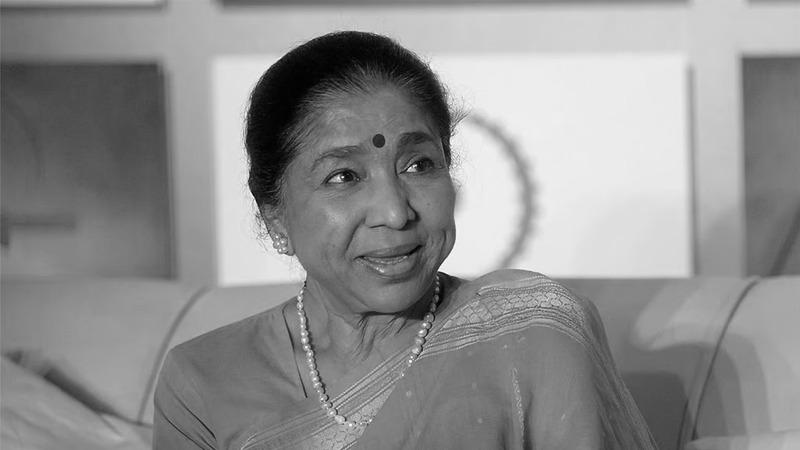
Darwin, 12 April : Legendary Indian singer Asha Bhosle has passed away. She was 92 years old at the time of her death. Indian media…