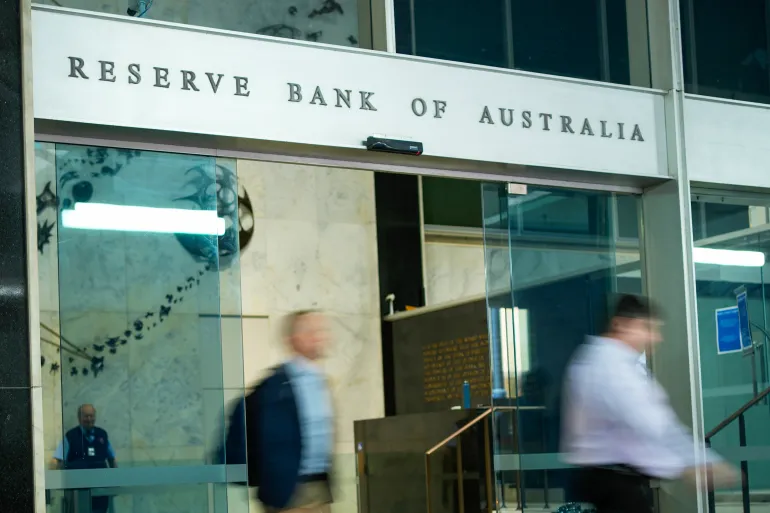
Pritom Hasan and Shehtaz Monira End 10-Year Relationship, Move Towards Divorce
Darwin, October 05: Popular Bangladeshi singer and actor Pritom Hasan and model-actress Shehtaz Monira Hashem have decided to end their marriage after a decade together,…



KARACHI— Despite a decades-long ban on Indian films, Bollywood’s latest spy epic, Dhurandhar, has penetrated Pakistan’s unofficial viewing channels, where it is generating a fierce and conflicted reaction over its unflattering portrayal of the country.
The film, which stars Ranveer Singh as an Indian agent operating in a brutal, lawless Karachi, has been criticized for painting Pakistan as “pathologically hostile towards India” and for framing the conflict in religious terms. Crucially, critics and locals have pointed to multiple factual inaccuracies, including the central plot point that links Karachi’s local Lyari gang wars—normally confined to extortion and drug trafficking—to cross-border terror networks targeting India.
The sharpest controversy in Pakistan stems from the film’s use of real political elements. The Pakistan Peoples Party (PPP), which governs the Sindh province where Karachi is located, vehemently condemned the film for a scene featuring a fictional PPP rally, complete with party flags and images of former Prime Minister Benazir Bhutto.
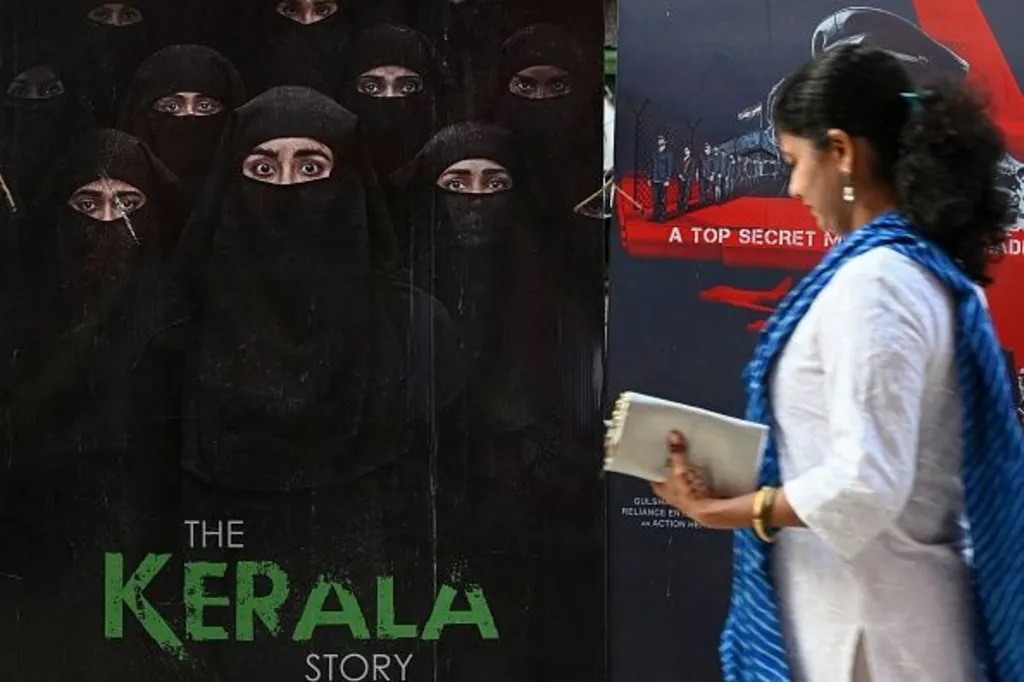
A PPP leader labeled the scene a “malicious distortion” aimed at portraying the party as sympathetic to militants. This blending of real political figures into a fabricated terror narrative exemplifies the film’s controversial approach to history.
The reaction in Pakistan, however, is not monolithic. While many criticize the film’s negative lens, some Pakistani commentators have admitted to grudging admiration for the film’s technical quality. More significantly, they lament that the success of Dhurandhar is a consequence of the local film industry’s own “abdication” of responsibility.
Content creator Bilal Hussain, who grew up in Karachi, expressed surprise that the Lyari gang war was depicted at all, noting, “We won’t tell this story… so instead we greenlight shy scripts…”*
This sentiment in editorials and on social media suggests that, in the absence of a homegrown narrative exploring complex local histories, an outside, politically slanted version has taken root, unlikely to dent Bollywood’s enduring popularity in a country with a struggling local film industry.
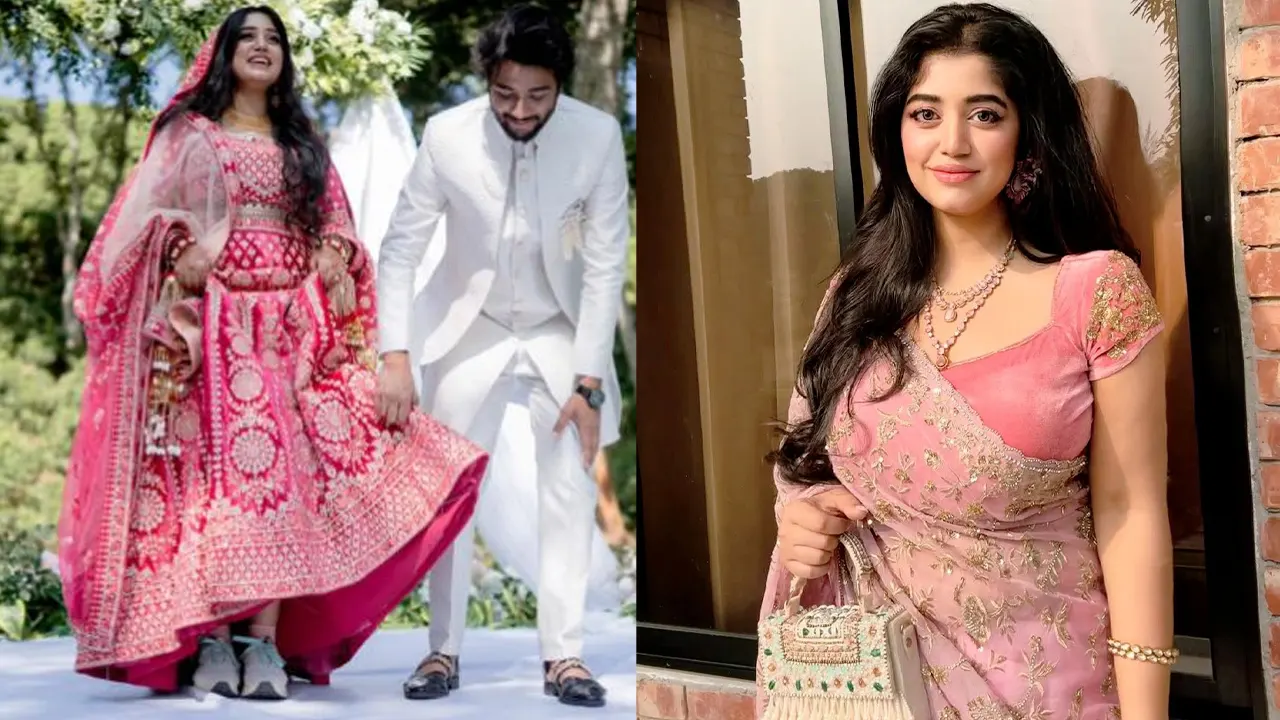
Darwin, October 05: Popular Bangladeshi singer and actor Pritom Hasan and model-actress Shehtaz Monira Hashem have decided to end their marriage after a decade together,…

Entertainment Desk: Hayden Panettiere, the actress best known for her roles in Heroes, Remember the Titans and Nashville, has died at the age of 36,…
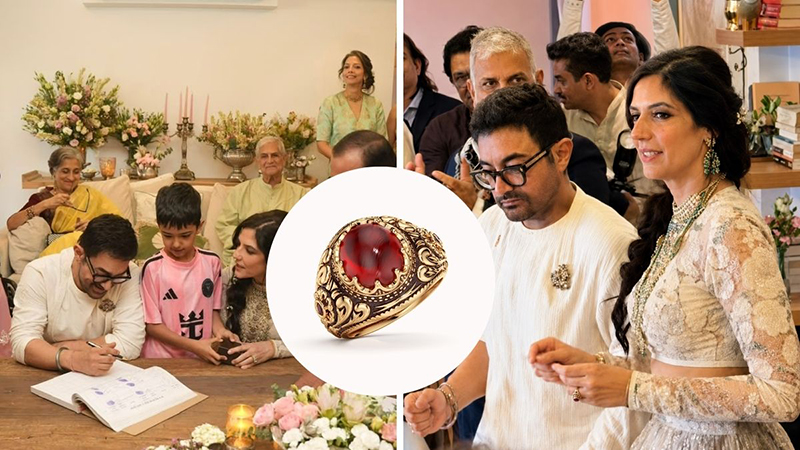
Entertainment Desk: Bollywood actor Aamir Khan recently tied the knot with Gauri Spratt in an intimate ceremony held at his residence in Mumbai’s Pali Hill….
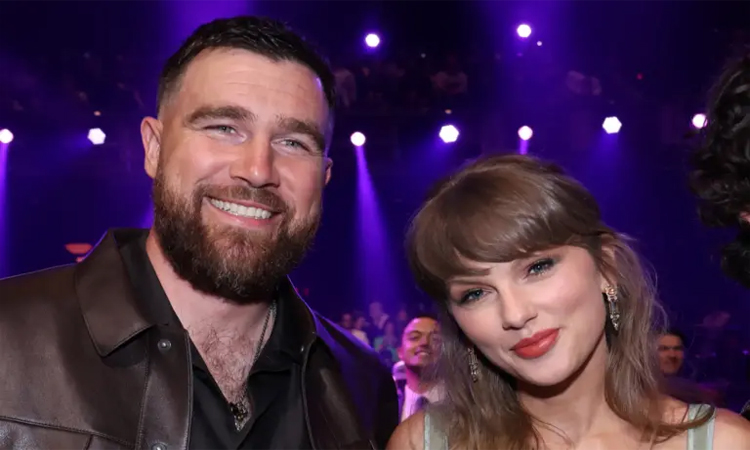
Darwin, 04 July : American pop star Taylor Swift and NFL star Travis Kelce officially tied the knot at a lavish ceremony in New York…

Darwin, 17 May : Bulgaria Wins Eurovision 2026 Amid Boycotts and Political Controversy Bulgaria has won this year’s Eurovision Song Contest, but the event was…
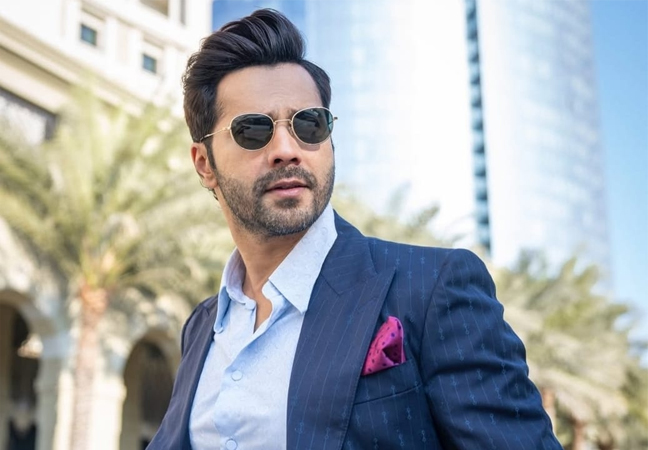
Entertainment Desk: Bollywood’s much-anticipated film ‘No Entry 2’ has suffered a setback as producer Boney Kapoor faces another major change in the cast. After prolonged…
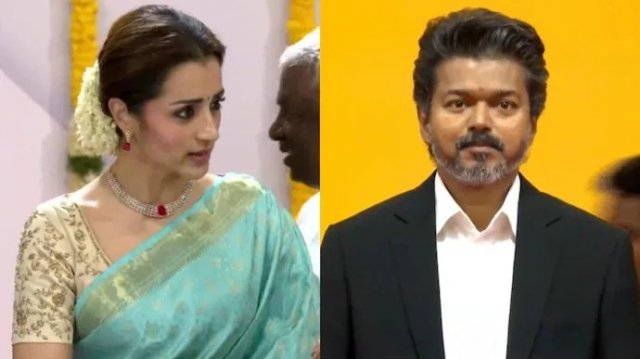
Darwin, 10 May : Popular actress grabbed attention at the swearing-in ceremony of as the Chief Minister of Tamil Nadu, appearing in an elegant blue…
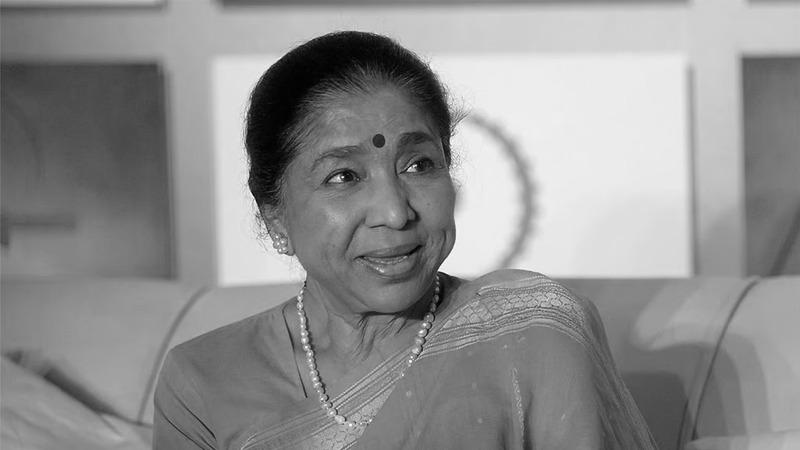
Darwin, 12 April : Legendary Indian singer Asha Bhosle has passed away. She was 92 years old at the time of her death. Indian media…