Ten Injured After Car Ploughs Into Rugby League Fans in Australia
Darwin, October 04: Ten people, including three children, have been injured after a car crashed into a crowd of rugby league fans in Newcastle, eastern…



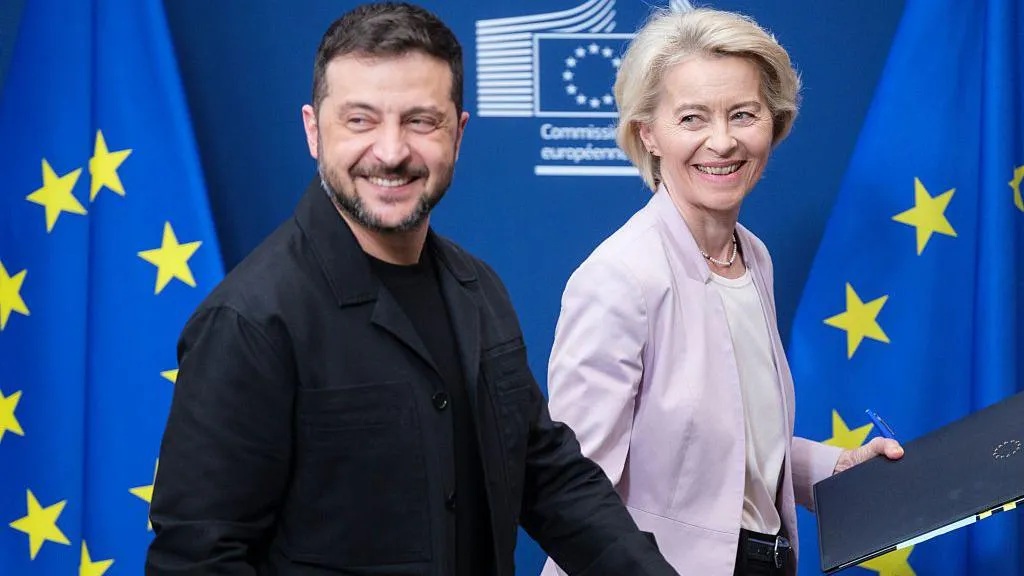
BRUSSELS — The battle over Russia’s €210 billion in frozen sovereign assets escalated dramatically today, with the Russian Central Bank (RCB) suing Belgian bank Euroclear in a Moscow court, branding the EU’s plan to fund Ukraine an “act of theft.”
The legal action was expected in Brussels but highlights the risks faced by Belgium, which holds the vast majority of the assets (€185bn) at the Brussels-based clearing house, Euroclear.
The urgency stems from Ukraine’s looming cash shortage, which EU leaders hope to address at a summit next week by finalizing a plan to secure a €90 billion “reparations loan” backed by the principal of the Russian assets.
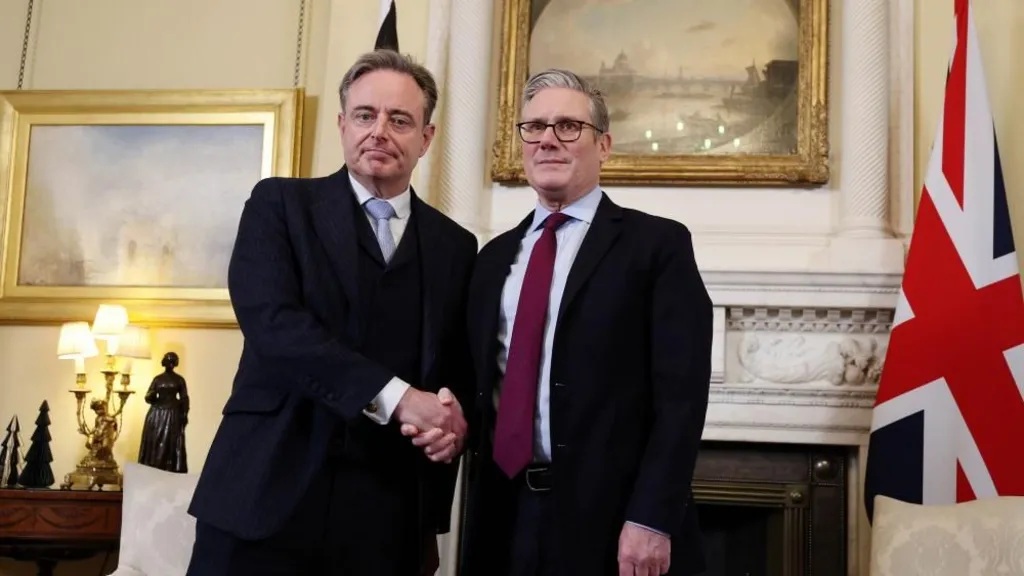
Belgian Prime Minister Bart de Wever discussed Europe’s frozen assets plan with UK Prime Minister Sir Keir Starmer on Friday
However, the CEO of Euroclear, Valérie Urbain, has warned that directly using the assets could “destabilise the international financial system.” Furthermore, Belgium’s Prime Minister, Bart de Wever, is under pressure to protect his small economy (GDP of €565bn) from a catastrophic financial blow.
“Belgium is a small economy. Belgian GDP is about €565bn – imagine if it would need to shoulder a €185bn bill,” notes Professor of Financial Law Veerle Colaert. She also suggests the plan to require Euroclear to grant a massive loan to the EU may violate EU banking regulations, leaving Belgium exposed to a bailout if things fail.
To secure Belgian cooperation ahead of the summit, the EU is scrambling to come up with water-tight guarantees. The European Commission plans to offer Belgium protection with a guarantee covering the full €210bn of Russian assets in the EU. They argue any Russian court ruling against Belgium would be irrelevant as it would not be recognized in the EU.
In a key development aimed at easing Belgian fears of repeated legal challenges, EU ambassadors are expected to agree to immobilize Russia’s Central Bank assets held in Europe indefinitely, using an emergency clause (Article 122 of the EU Treaties). Until now, the freeze required a difficult unanimous vote every six months.
The plan is deemed “the most financially feasible and politically realistic solution” by seven EU member states, including the Baltics, Finland, and Poland, who warn there is “no time to lose.”

Darwin, October 04: Ten people, including three children, have been injured after a car crashed into a crowd of rugby league fans in Newcastle, eastern…
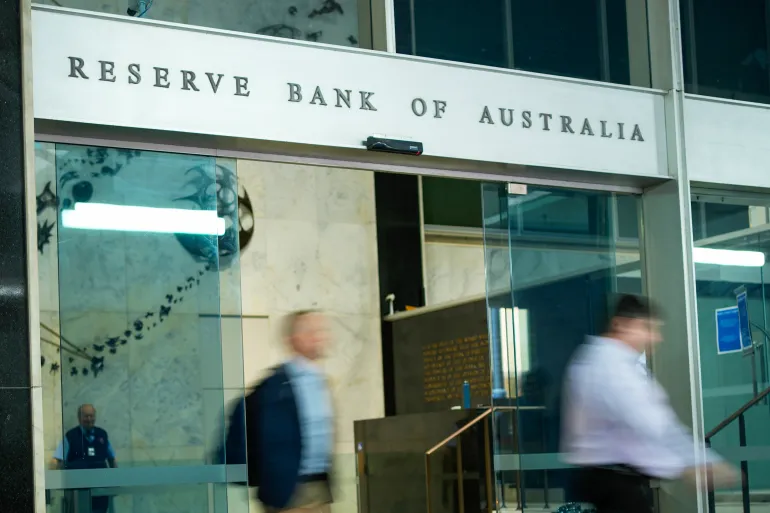
Darwin, October 4: Australia’s central bank has raised interest rates to their highest level in 15 years, increasing mortgage repayments for millions of Australian households….
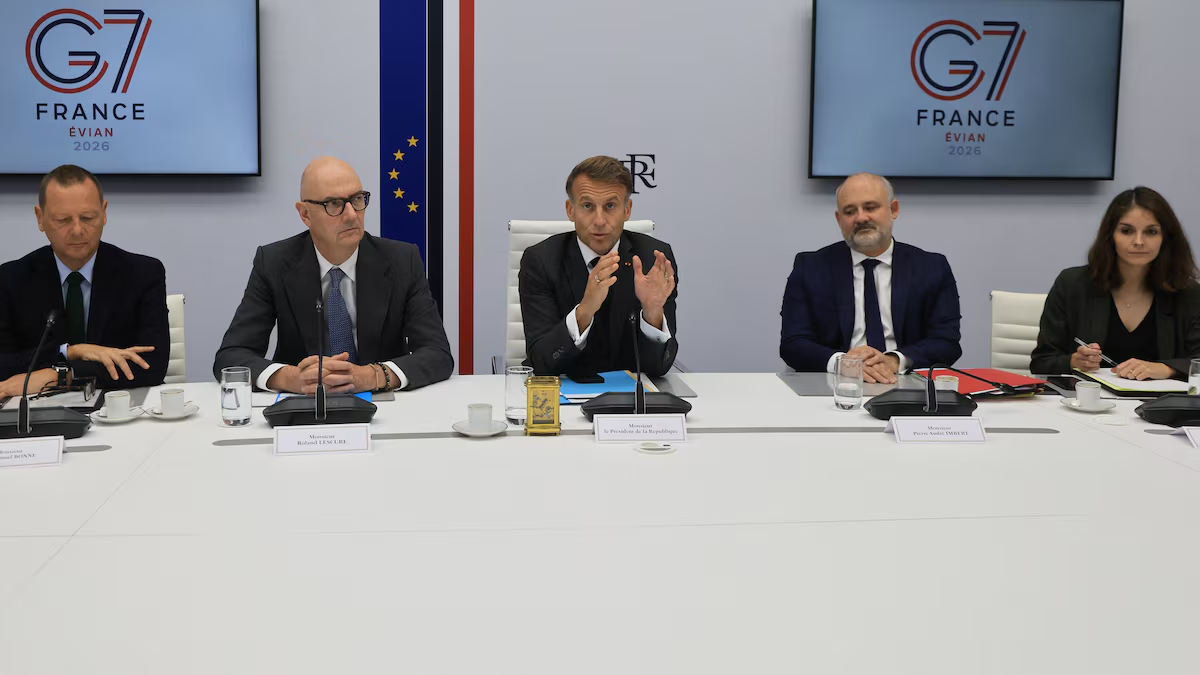
Darwin, October 3: Under pressure from US President Donald Trump to bring down rising fuel prices, G7 leaders are set to release up to 100…
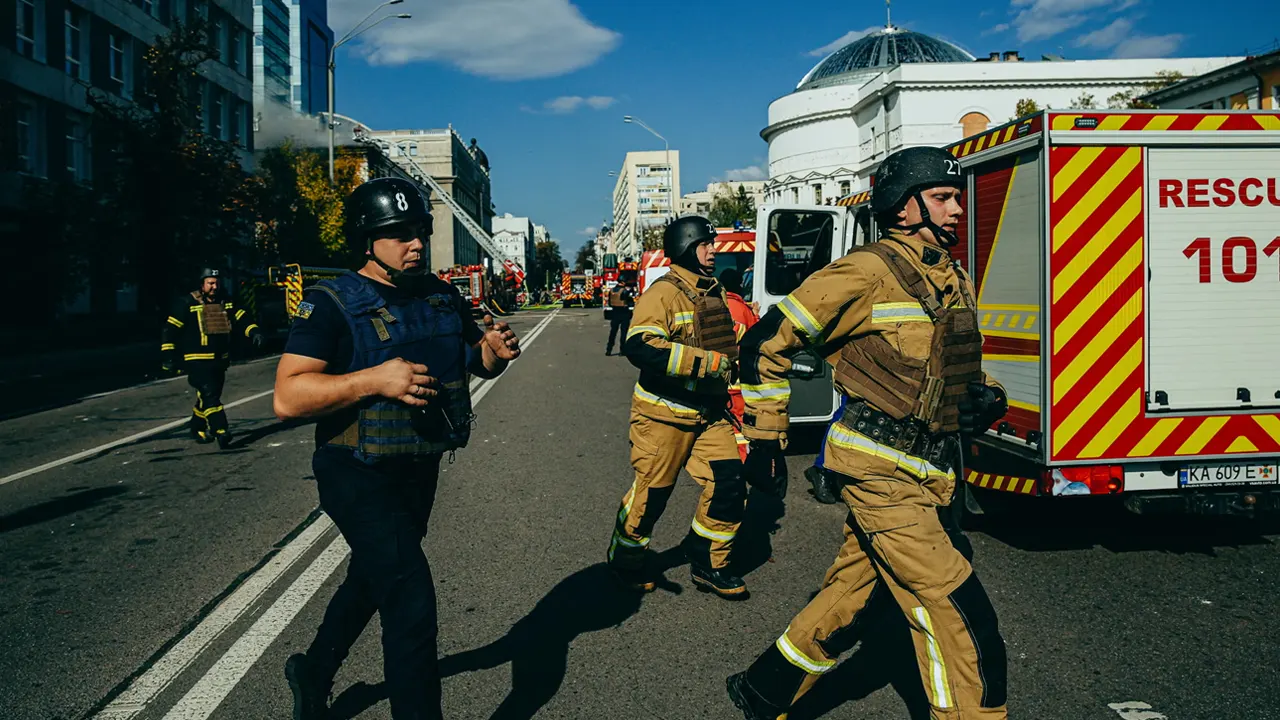
Darwin, October 3: Russia’s daily attacks are filling the lives of Kyiv residents with fear and uncertainty. From schools and hospitals to bridges, power plants…

Darwin, October 3: At least 80 fighters have been killed over the past 24 hours in fierce fighting between Iran-backed Houthi rebels and Saudi-backed government…
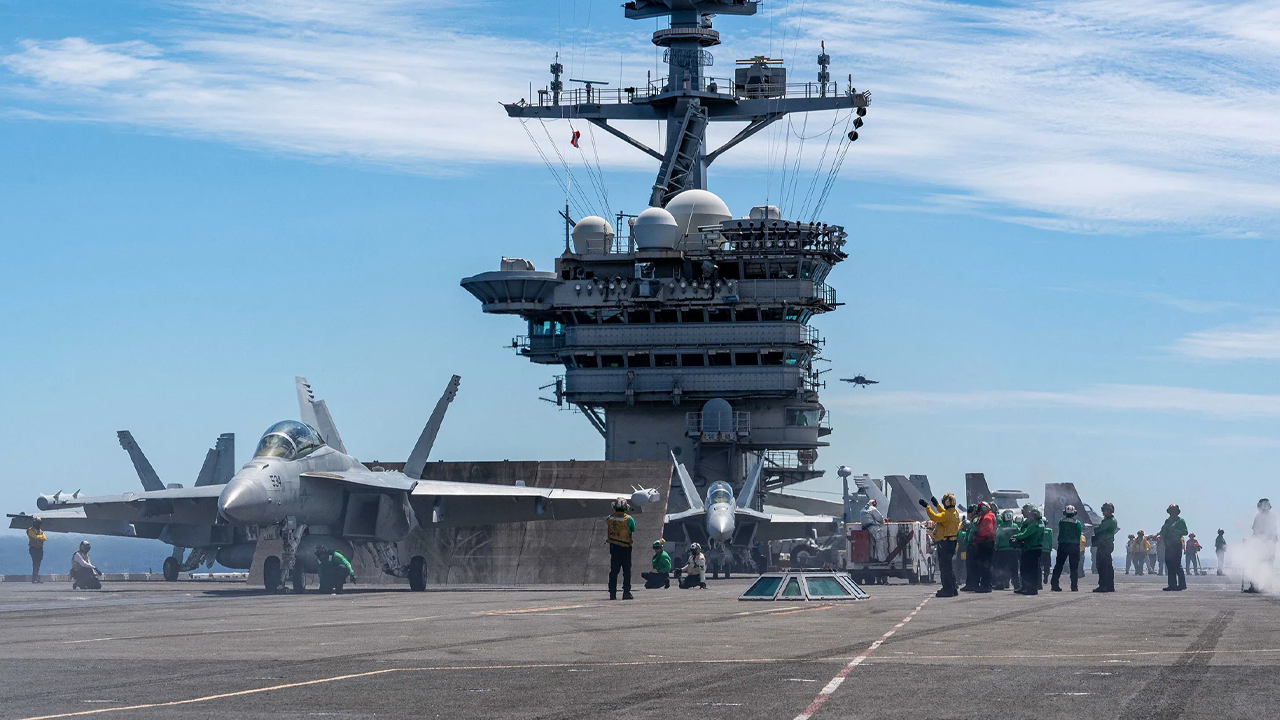
Darwin, October 3: As the Iran war enters its eighth month, the United States is sending a third aircraft carrier strike group to waters near…
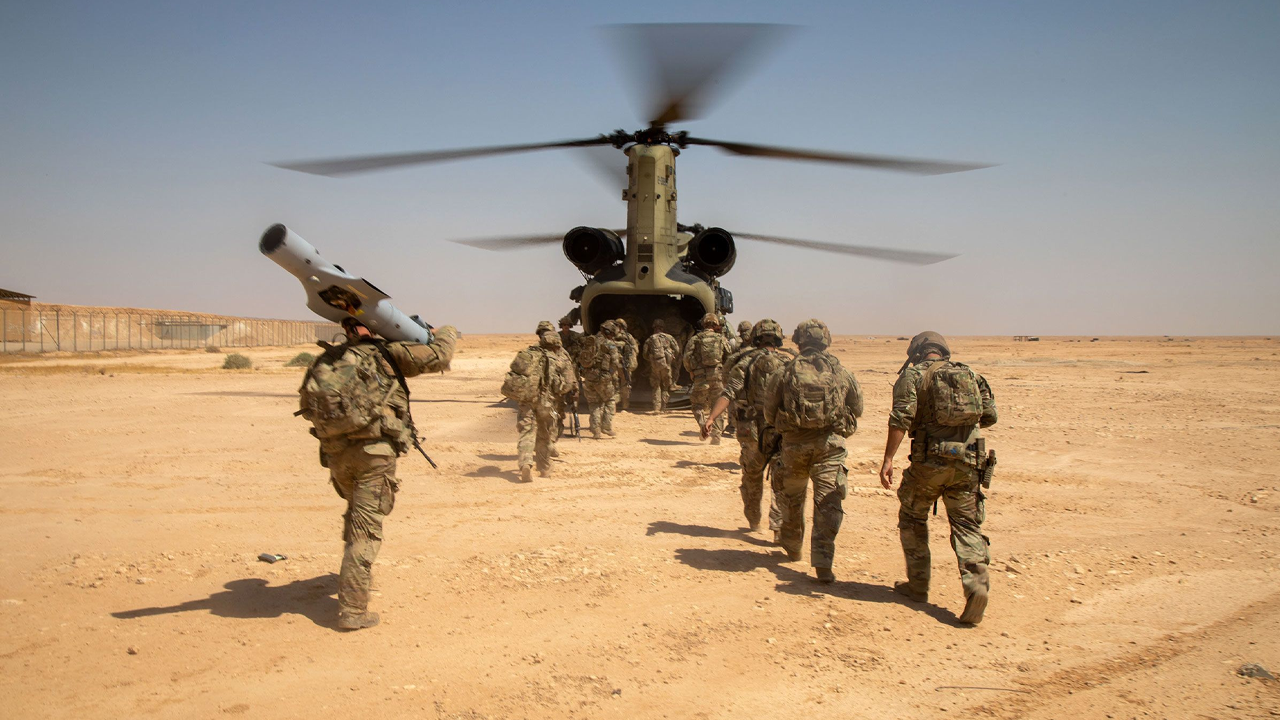
Darwin, September 30 : The United States is preparing to withdraw its military forces from Iraq after more than two decades of war and the…
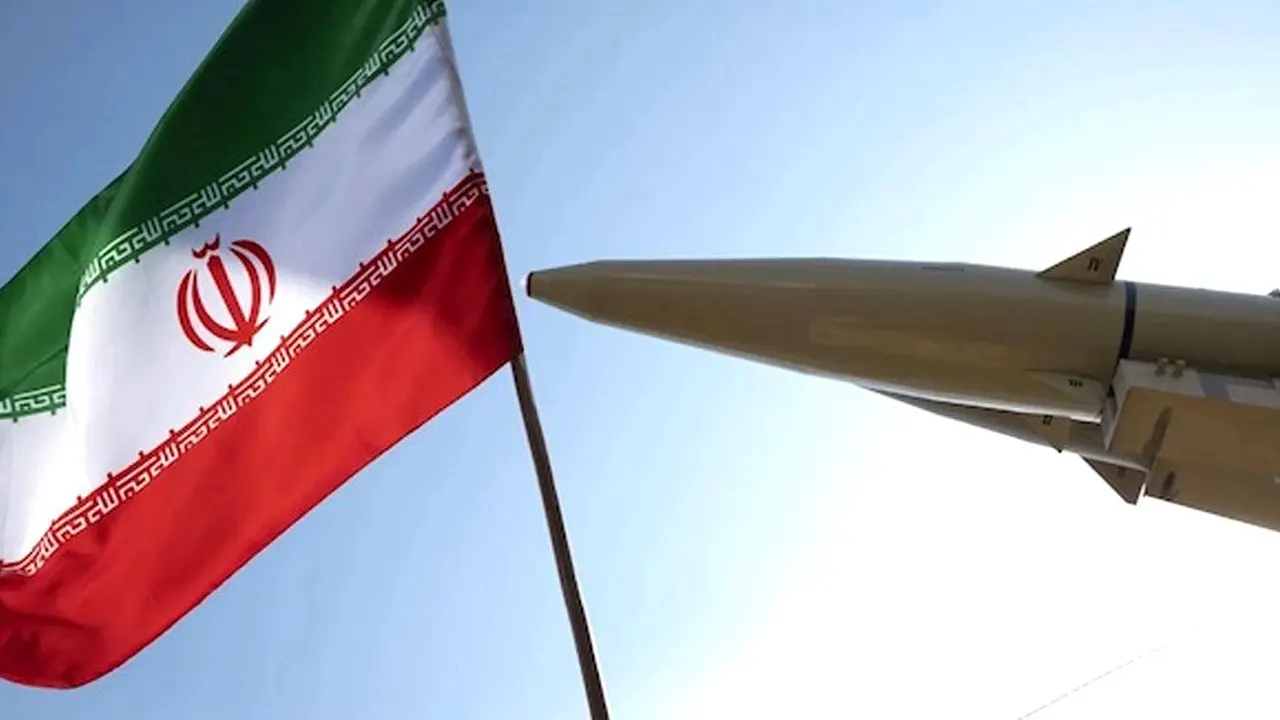
Darwin, September 30: Russia has urged Iran not to withdraw from the Treaty on the Non-Proliferation of Nuclear Weapons (NPT), calling on Tehran to remain…