US Forces to Leave Iraq After Two Decades and 4,500 Military Deaths
Darwin, September 30 : The United States is preparing to withdraw its military forces from Iraq after more than two decades of war and the…



London: As the 2025 holiday season reaches its peak, Croatia is successfully executing a long-term plan to break its reliance on summer tourism through the expansion of Zagreb Advent. Tourism is the backbone of the Croatian economy, accounting for more than twenty percent of the national Gross Domestic Product. While the Adriatic coast remains a summer powerhouse, the government is now focused on the “shoulder seasons” to ensure sustainable growth.
Tourism Minister Tonči Glavina has highlighted that 2025 is on track to be a record-breaking year for the country, specifically because of a five percent increase in arrivals during the autumn and winter months.
Zagreb Advent has become the centerpiece of this economic transformation. The festival is not confined to one square but is integrated into the city’s fabric, utilizing locations like Zrinjevac Park, European Square, and the historic Upper Town.

Zagreb’s Christmas market was voted the best in Europe three years in a row
This year, the event has integrated a stronger focus on sustainability, using biodegradable packaging and energy-efficient light installations across its twenty-five different market locations. These efforts have yielded a significant financial return, with the Zagreb Tourist Board reporting that the festivities now generate over one hundred million euros in annual economic impact.
This surge in activity has revitalized local businesses, from boutique hotels like the Esplanade to small culinary start-ups offering specialized vegan and traditional Croatian street food.
The competition for the title of “Europe’s Best Christmas Market” is fierce and deeply rooted in history. While Zagreb began its journey in 2014, competitors like Dresden and Strasbourg have been hosting markets since the fifteenth and sixteenth centuries.

The Zagreb Advent event is spread across the centre of the city.
Cologne currently holds the top spot for attendance, expecting four million visitors this season. To bridge this gap, Zagreb has launched aggressive international campaigns, placing advertisements on Milanese buses and London underground stations. Special “Advent Trains” have also been coordinated to bring in thousands of visitors from neighboring Slovenia and Hungary, creating a regional hub for holiday travel.
However, experts from the University of Rijeka caution that while Zagreb is a success story, other parts of continental Croatia still need further development to mirror this winter growth. The national strategy for 2026 and beyond includes expanding winter offerings to include wellness retreats, health tourism, and food festivals in rural regions.
For now, Zagreb remains the primary driver of this shift. Visitors can enjoy a unique blend of high-end art installations and traditional comforts, such as the famous chocolate-covered fritule doughnuts. By combining modern marketing with authentic hospitality, Zagreb is proving that it can compete with Europe’s oldest capitals for the hearts and wallets of winter travelers.

Darwin, September 30 : The United States is preparing to withdraw its military forces from Iraq after more than two decades of war and the…
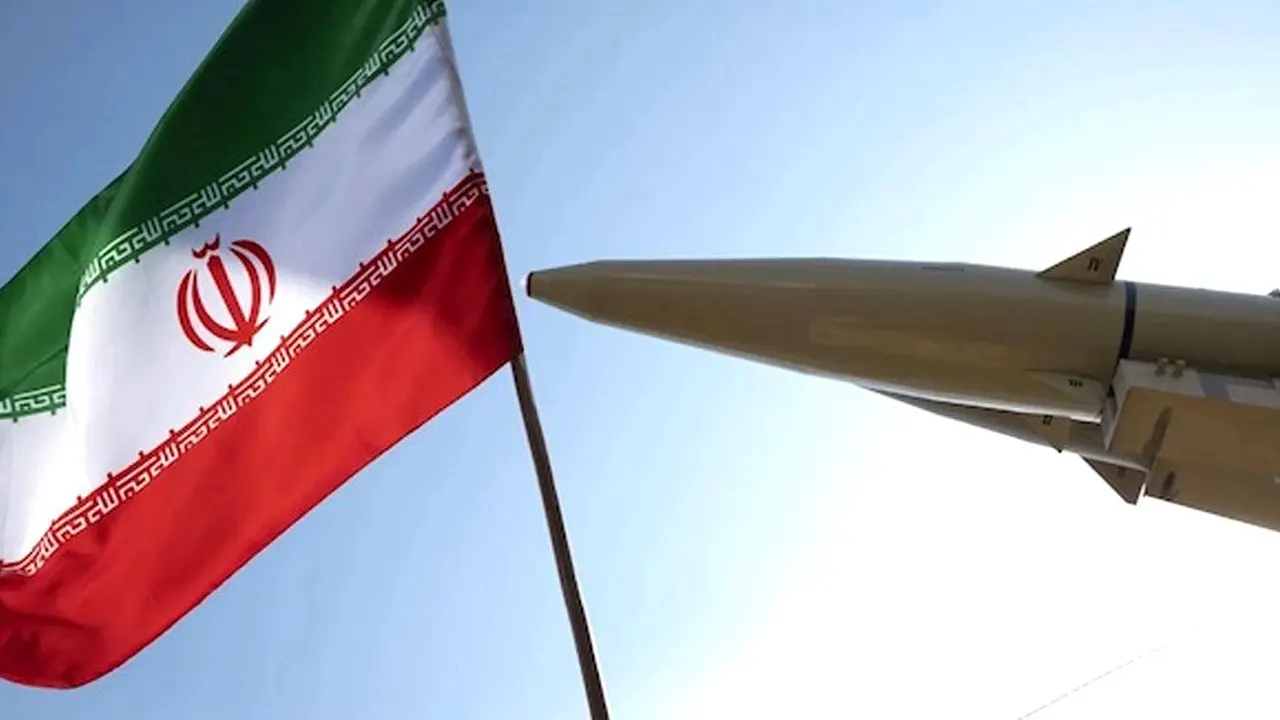
Darwin, September 30: Russia has urged Iran not to withdraw from the Treaty on the Non-Proliferation of Nuclear Weapons (NPT), calling on Tehran to remain…
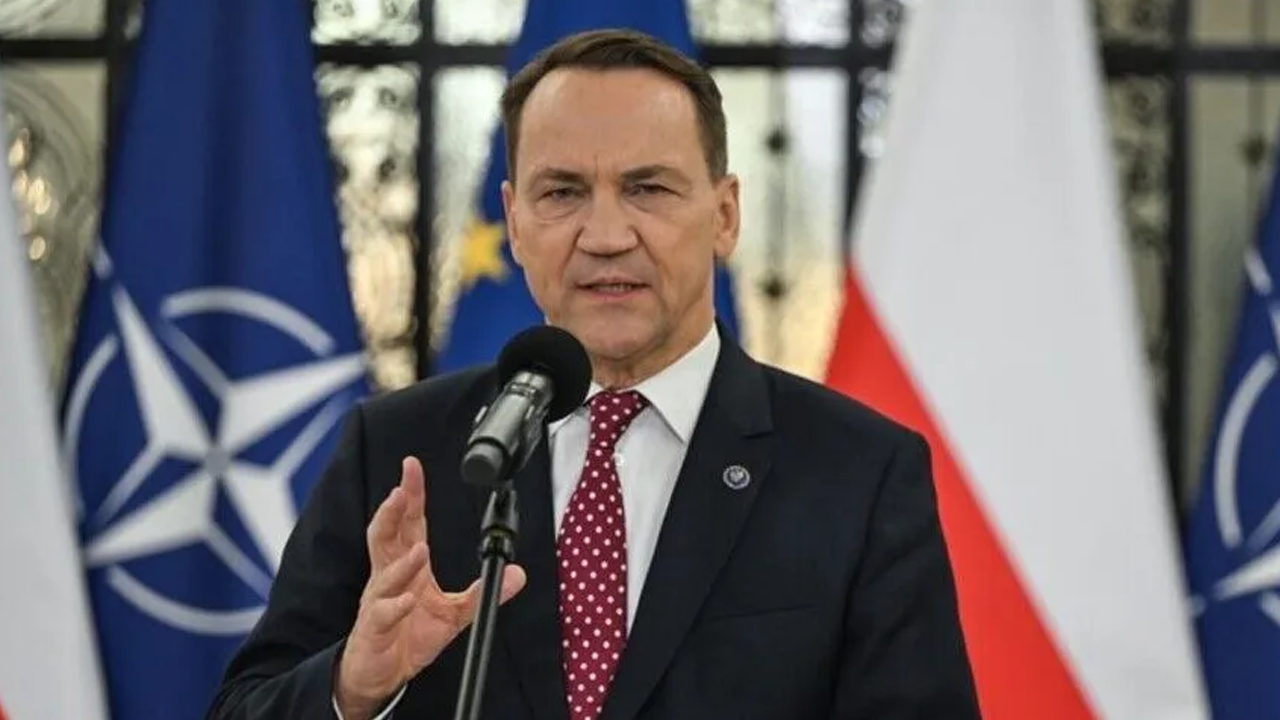
Darwin, September 30: Russia currently lacks sufficient military capability to launch a major attack against NATO because its forces are engaged in the war in…
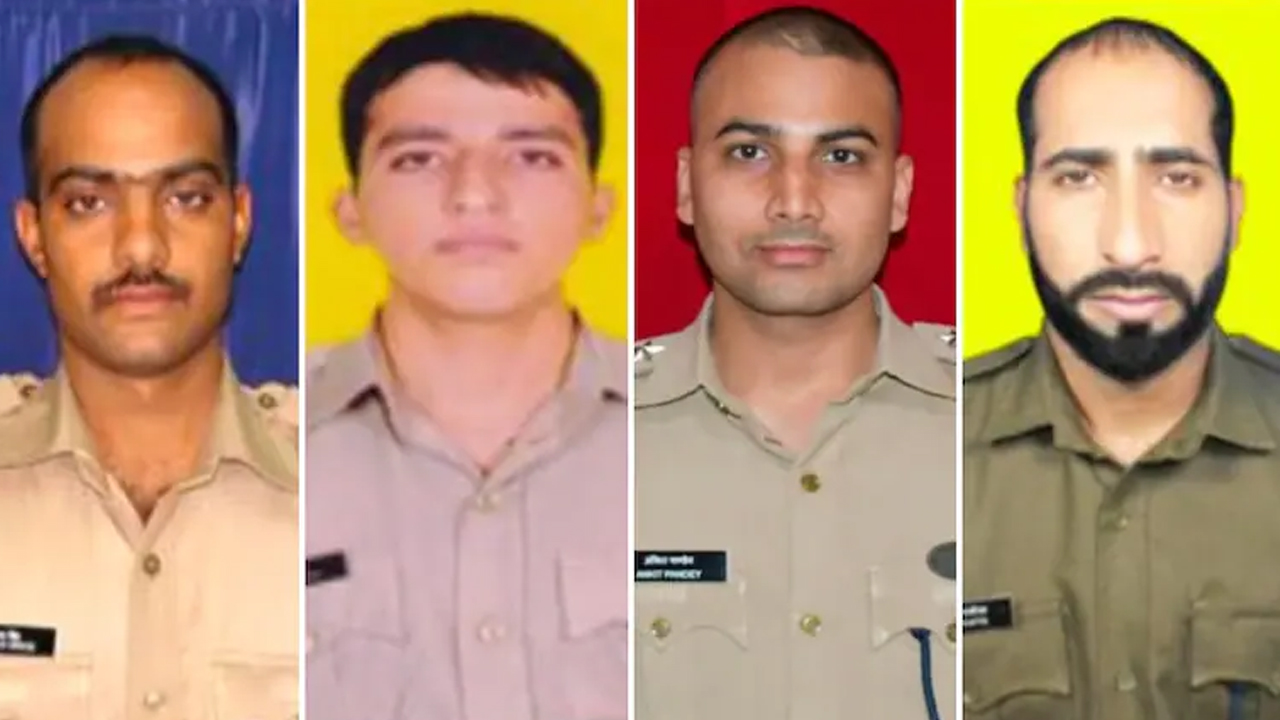
Four personnel of India’s Central Industrial Security Force (CISF), including an officer, were killed after a colleague allegedly opened fire on them at a hydropower…

Darwin, September 25: The Netherlands is seeking to build an international coalition to evacuate at least 1,000 sick and injured children from Gaza for medical treatment,…

Darwin, September 25: Police arrested at least 100 people, including Oscar-winning actress Susan Sarandon, during a protest against Israeli Prime Minister Benjamin Netanyahu outside the…
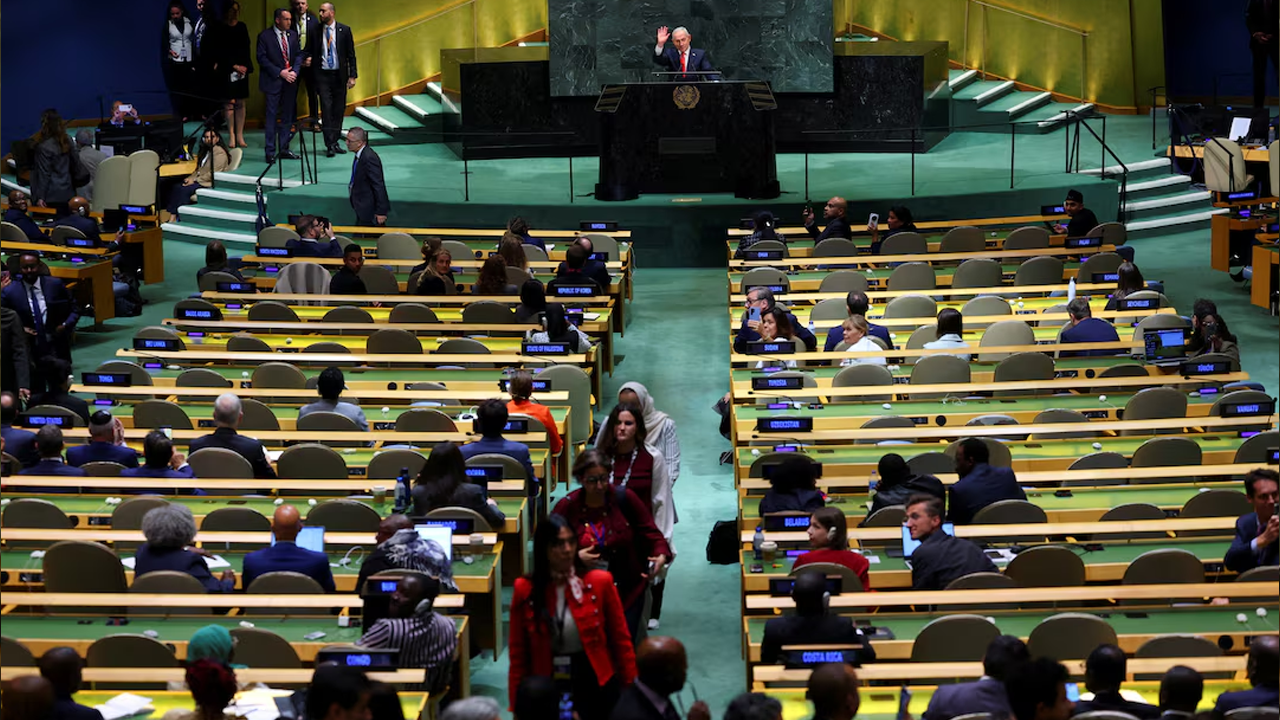
Darwin, September 25: Representatives from Bangladesh and 76 other countries walked out of the United Nations General Assembly hall as Israeli Prime Minister Benjamin Netanyahu…
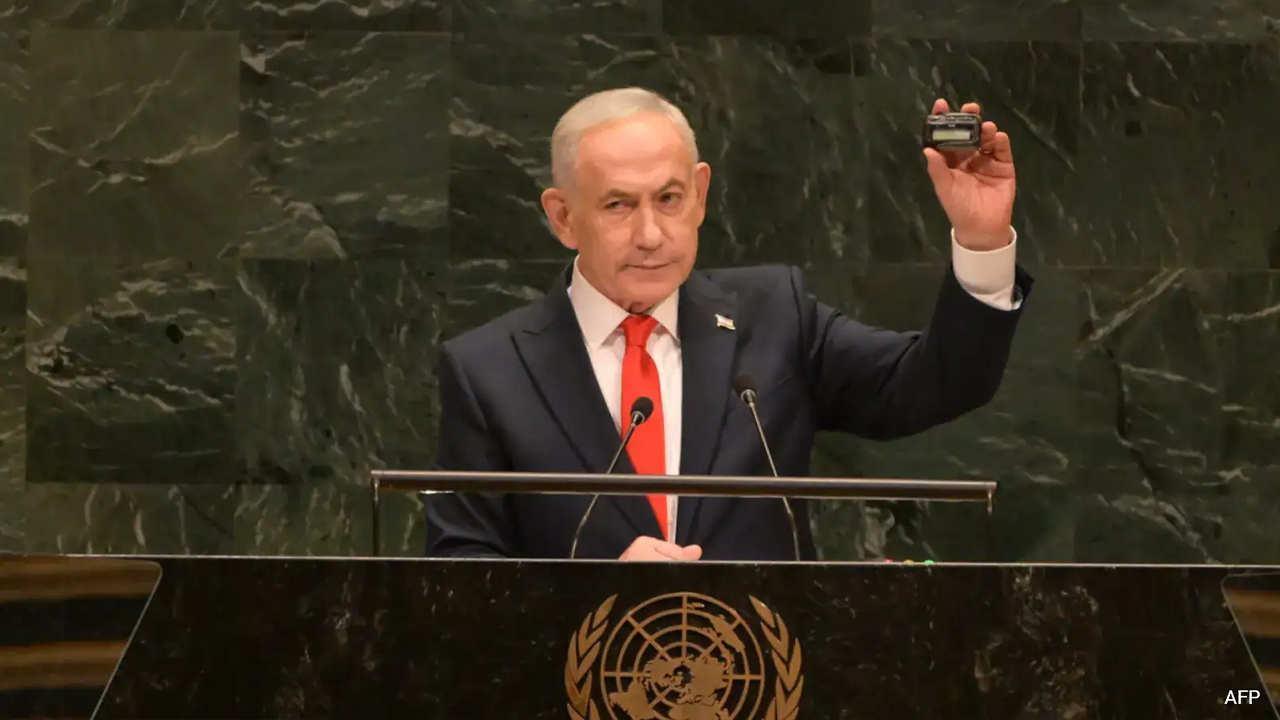
Darwin, September 25 : Israeli Prime Minister Benjamin Netanyahu brought a pager to the United Nations General Assembly while delivering a speech, using it to highlight…