Pep Guardiola Expresses Solidarity with the People of Gaza
Darwin, October 19: Former Manchester City manager Pep Guardiola has urged the world not to forget the Palestinians in Gaza. In a video for the…



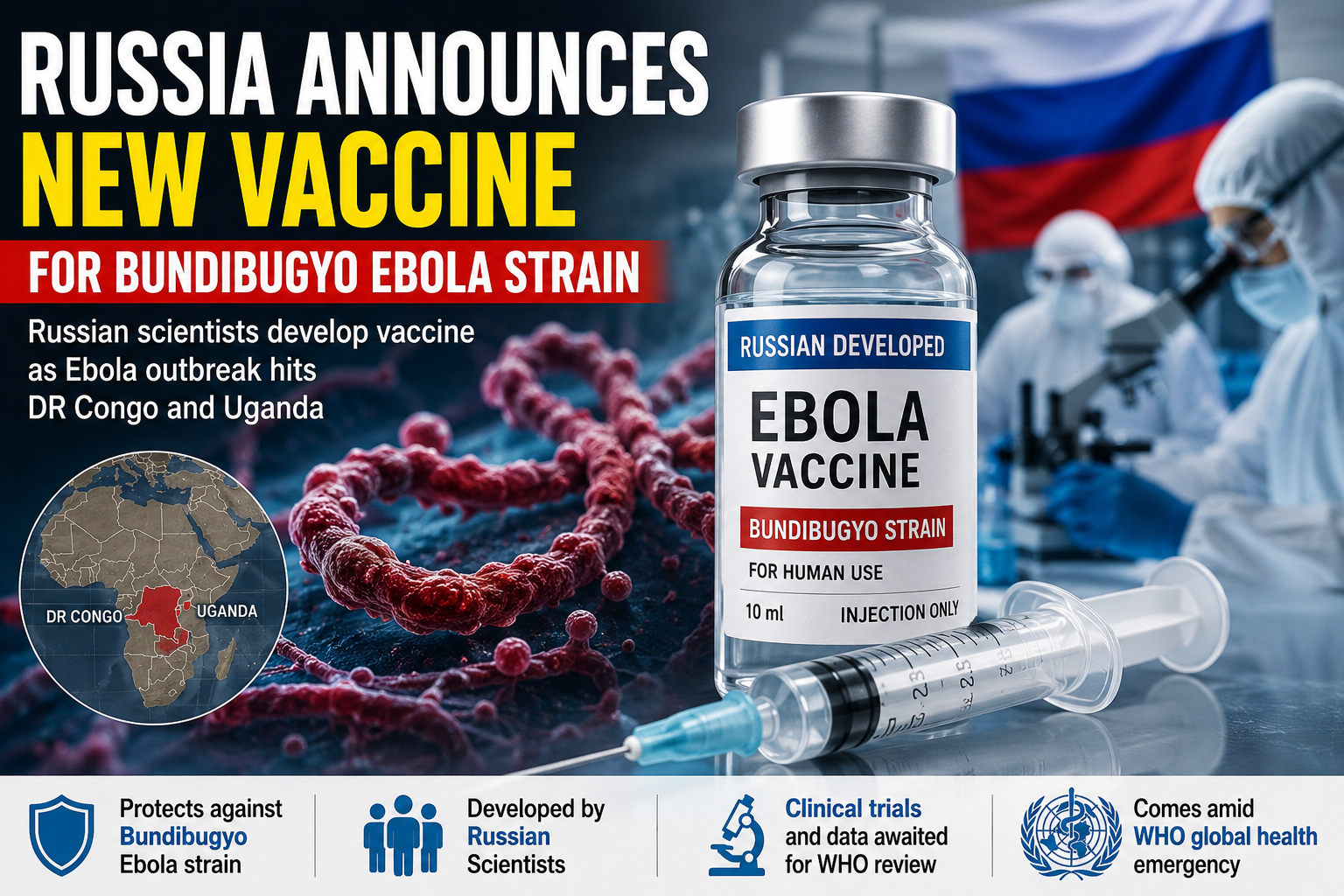
Darwin, 28 May : Russian scientists have developed a new vaccine aimed at combating the deadly Bundibugyo strain of Ebola, according to an announcement made by the Russian Embassy in South Africa on social media platform X on Tuesday.
Quoting Russian Health Minister Mikhail Murashko, the embassy said, “Russian scientists have developed a vaccine to combat a new strain of Ebola. Scientists say the vaccine is capable of protecting against the Bundibugyo variant of the virus.”
The announcement comes just over a month after Ebola outbreaks were reported in the Democratic Republic of the Congo and neighboring Uganda.
However, the outbreak has been significantly more severe in Congo, where at least 220 people have reportedly died over the past month.
Scientifically known as Orthoebolavirus zairense, Ebola has six identified species: Zaire, Sudan, Bundibugyo, Reston, Taï Forest, and Bombali. Since 2014, the Zaire species has been responsible for the majority of infections worldwide.
However, authorities say the recent outbreaks in Congo and Uganda are linked to the Bundibugyo strain.
Ebola primarily affects humans and primates, including chimpanzees, gorillas, and orangutans. The virus does not spread through the air. Instead, transmission occurs through direct contact with the blood, saliva, sweat, vomit, urine, feces, or other bodily fluids of infected humans or animals.
Contaminated needles, clothing, and direct contact during funeral practices can also spread the virus.
Fruit bats are widely considered the natural reservoir of Ebola, carrying the virus without becoming ill themselves.
Other animals, including non-human primates, deer, and porcupines, may also contribute to transmission to humans.
Common symptoms of Ebola include sudden high fever, severe weakness, headaches, sore throat, muscle pain, diarrhea, vomiting, skin rashes, impaired liver and kidney function, and, in severe cases, internal and external bleeding from the nose, mouth, or rectum.
Symptoms often begin within days after infection.
Although Ebola is less contagious than airborne viral diseases, it has an extremely high fatality rate, averaging around 50%, according to the World Health Organization. Recent outbreaks in Congo have shown mortality rates ranging between 40% and 70%.
On May 17, the WHO declared a global health emergency in response to the Congo-Uganda outbreak. Russia’s vaccine announcement came just 10 days after that declaration.
However, international health experts have urged caution, saying the vaccine should not receive recognition from the WHO until Russia releases supporting data, including clinical trial results, peer-reviewed publications, and related scientific evidence.

Darwin, October 19: Former Manchester City manager Pep Guardiola has urged the world not to forget the Palestinians in Gaza. In a video for the…
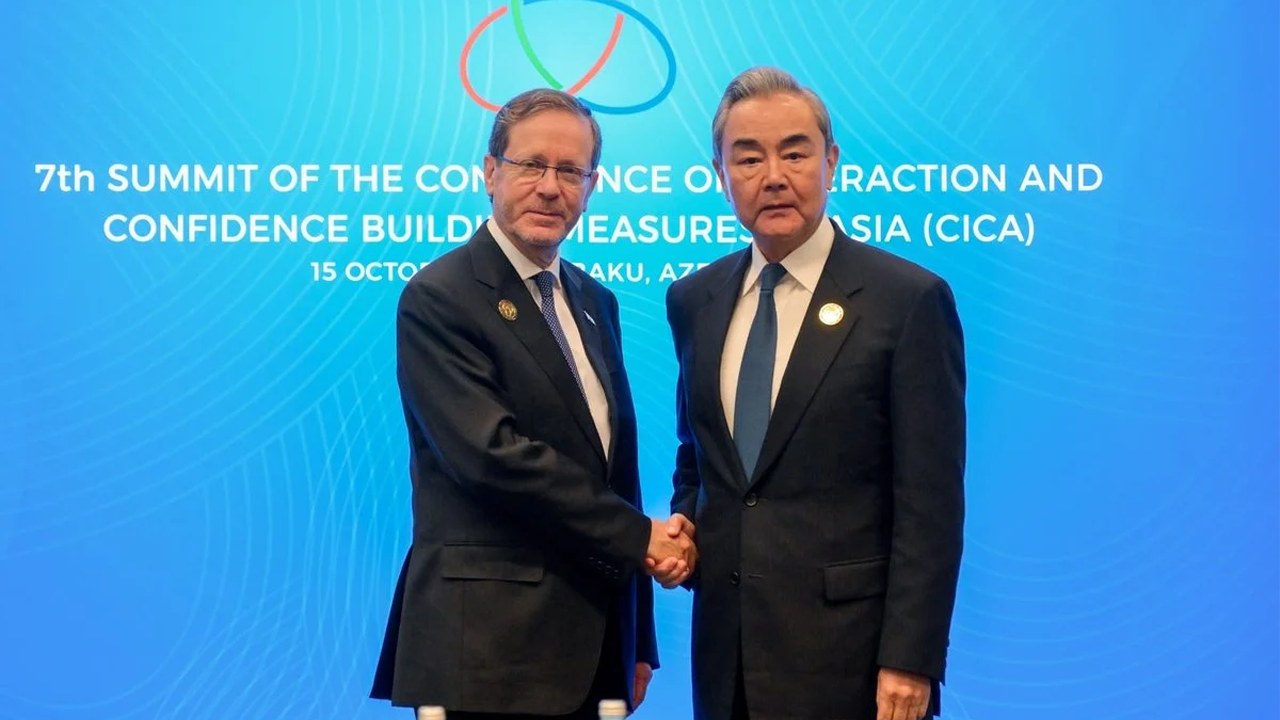
Darwin, October 18: Chinese Foreign Minister Wang Yi has called on Israel to halt forced settlement expansion in the occupied West Bank and withdraw settlements…
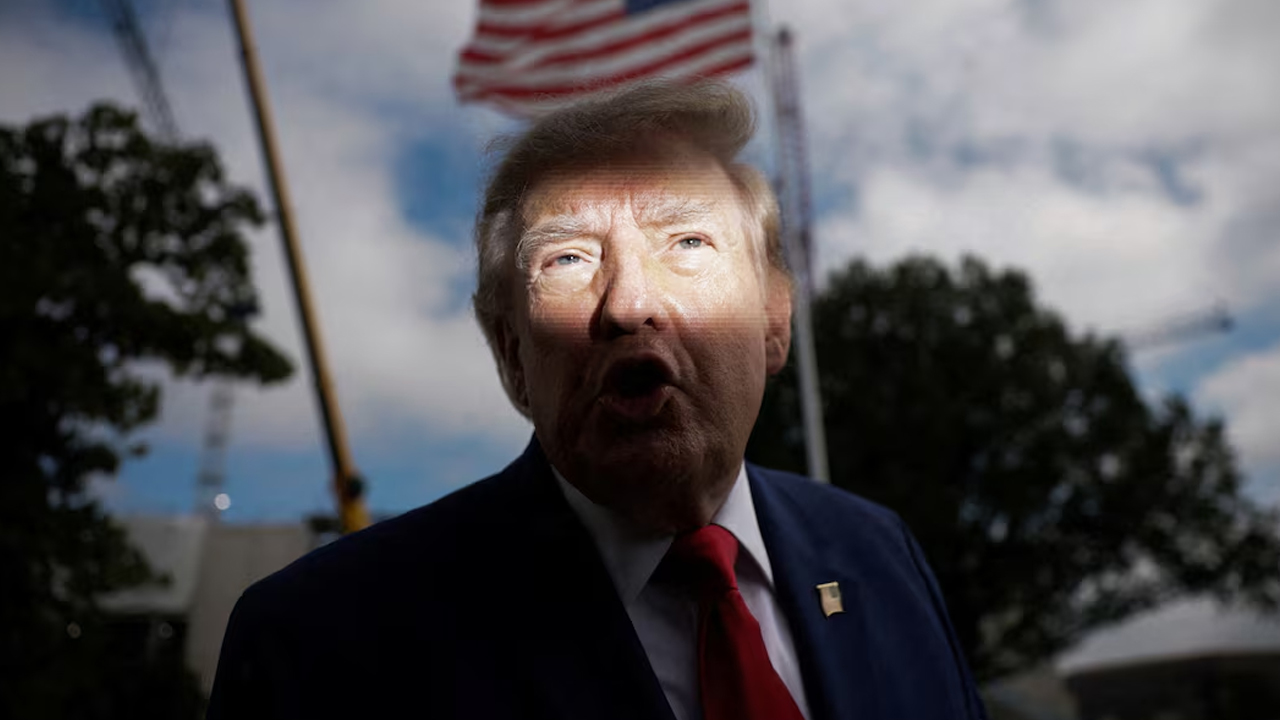
Darwin, October 18: US President Donald Trump is expressing frustration with his senior aides and political strategists as the Republican Party’s chances of retaining control…
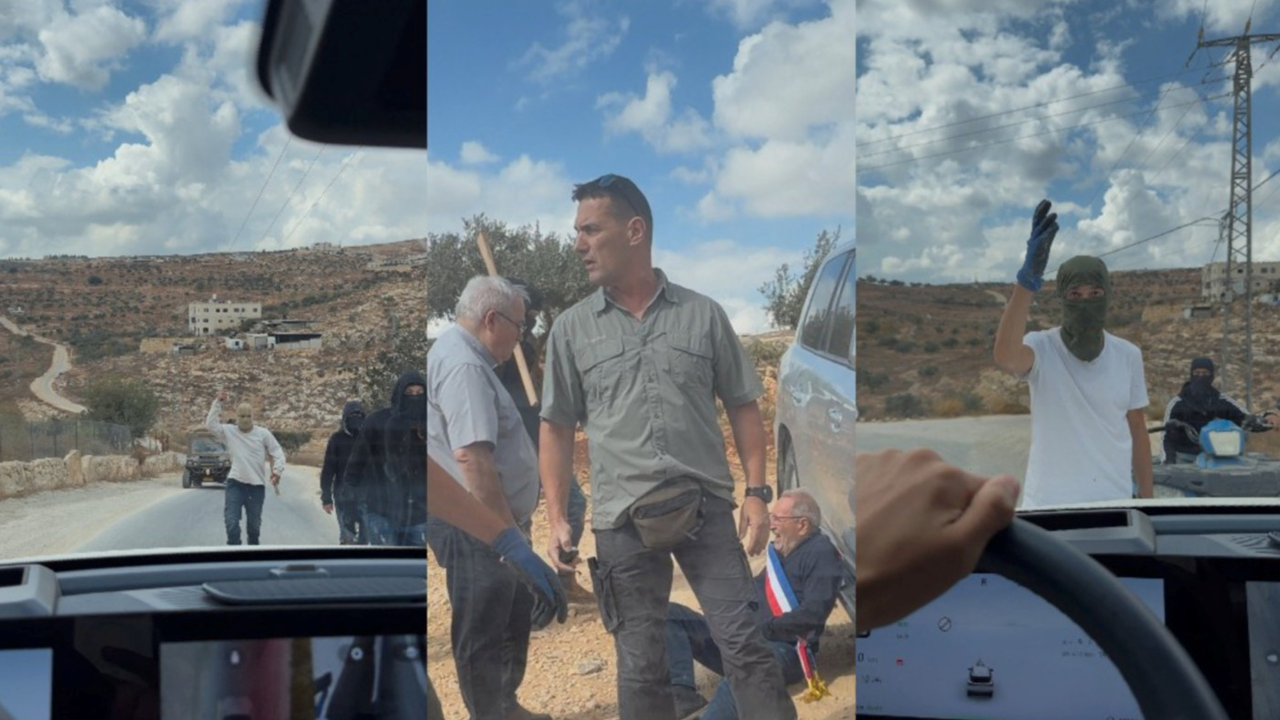
Darwin, October 18: Israeli settlers have attacked European diplomats, a French mayor and the Archbishop of Cambrai in the occupied West Bank town of Taybeh,…
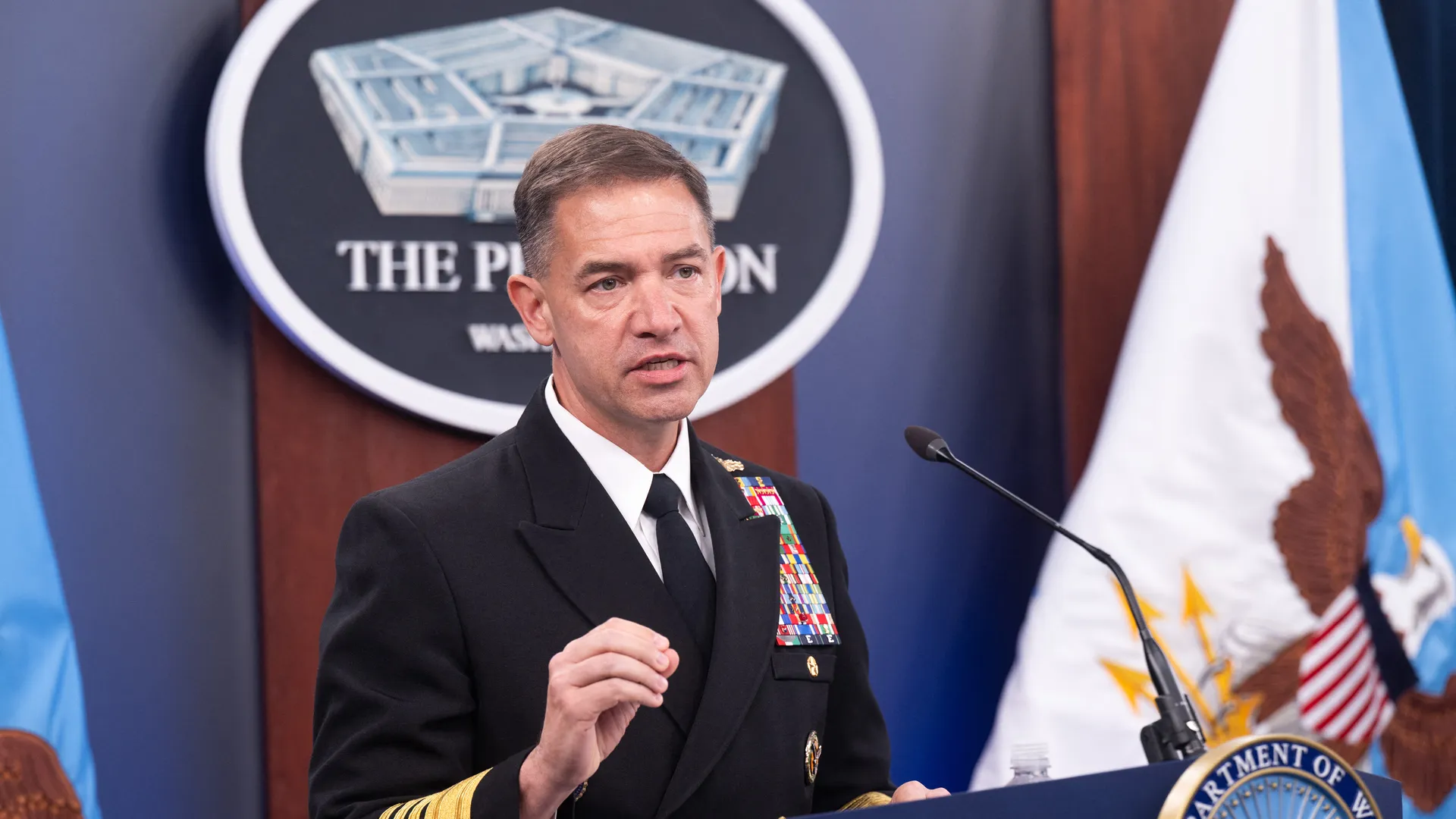
Darwin, October 17: Iran-aligned armed groups across the Middle East are reportedly sending money back to Iran’s Islamic Revolutionary Guard Corps (IRGC), which is facing…
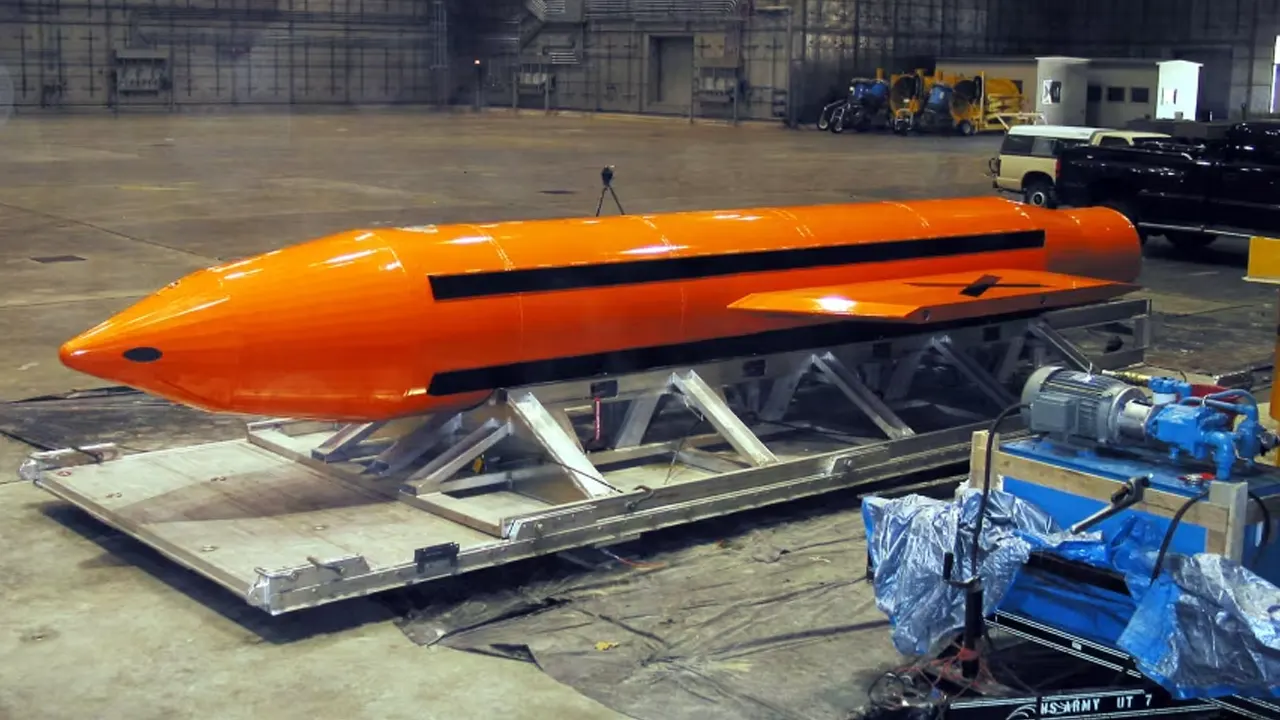
Darwin, October 15 : The US military is considering using America’s most powerful non-nuclear bomb, known as the “Mother of All Bombs,” to strike Iran’s energy…
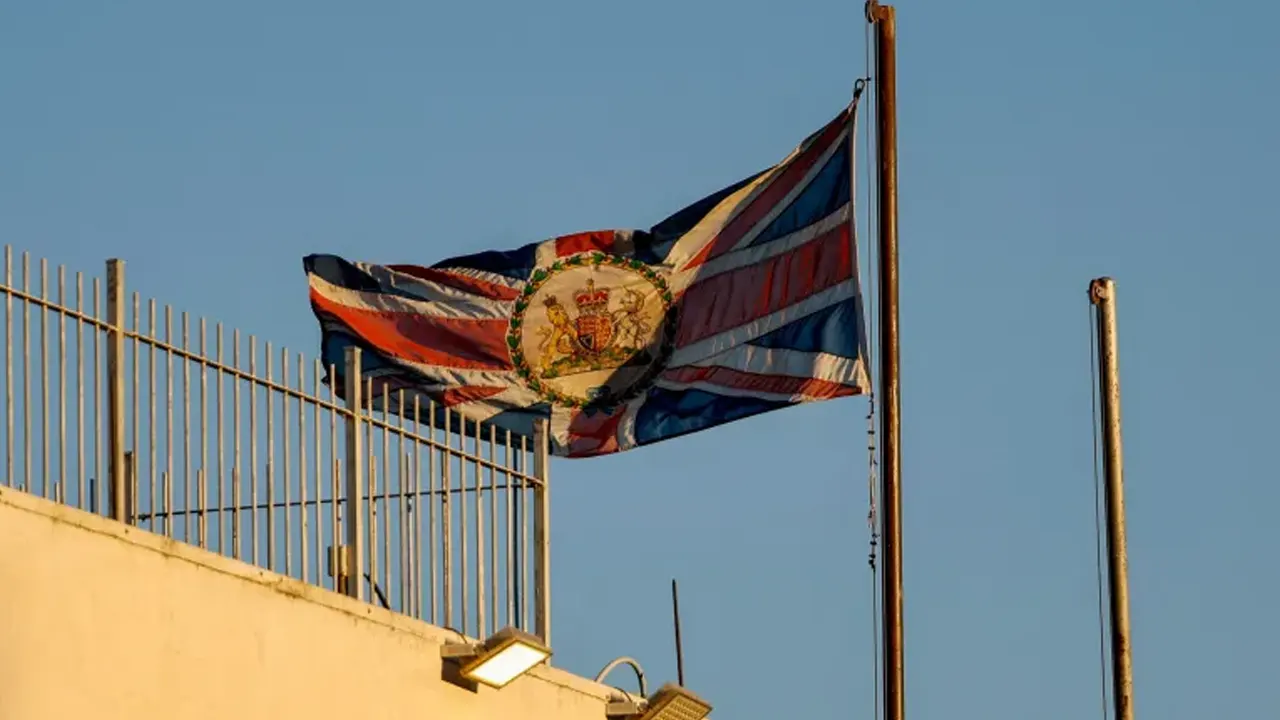
Darwin, October 15: The United Kingdom has opened the door to imposing sanctions not only on individuals and organisations involved in illegal Israeli settlement construction, but…
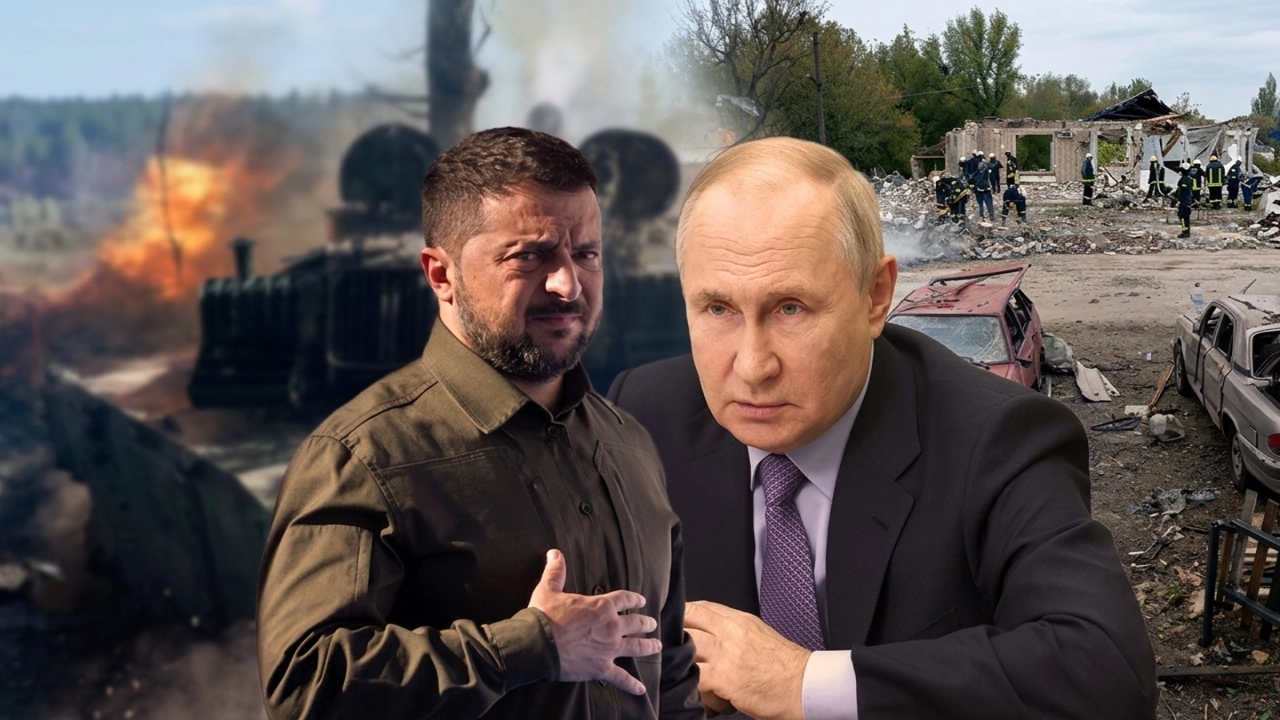
Darwin, October 15: Ukrainian President Volodymyr Zelenskyy has accused US President Donald Trump of personally betraying Ukraine after restrictions were imposed on the Ukrainian military’s…