Silver, Platinum and Palladium Prices Fall in Global Markets
Darwin, September 8: Precious metal prices declined in the international market on Tuesday. In the spot market, silver prices fell 0.5% to $65.76 per ounce….



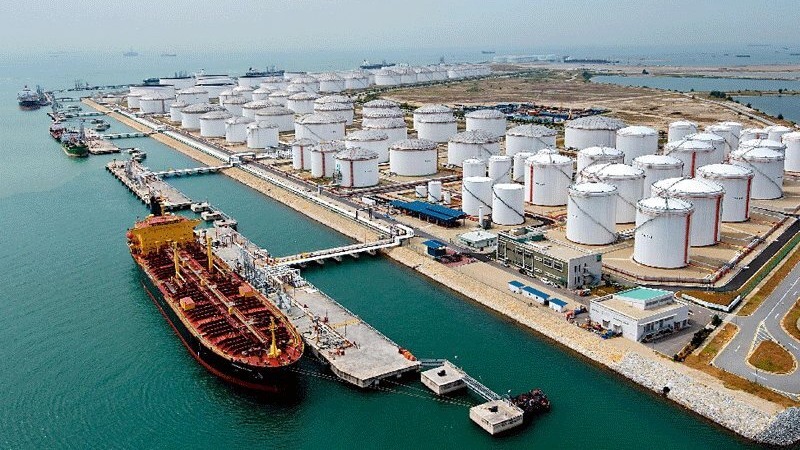
Darwin, 25 April: Iran’s oil exports have come under strain due to U.S. sanctions, creating a bottleneck at its ports. Storage facilities at Kharg Island—the country’s main export hub—are nearing full capacity. To manage the situation, Iran has reactivated a 30-year-old massive crude carrier to use as floating storage.
Maritime analysts say the tanker, identified as M/T Nasha, had long been anchored idle. It is now being refurbished and deployed to store excess crude oil, according to Gulf News.
According to tanker tracking firm TankerTrackers.com, supply and demand are currently out of balance at Kharg Island. Analysts estimate that only about 13 million barrels of onshore storage capacity remain, while daily inflows stand at around 1 to 1.1 million barrels.
At this rate, storage could be completely filled within 12 to 13 days, with the situation likely becoming critical by the end of April.
Experts warn that once storage is full, Iran may be forced to reduce or halt production at its oil fields. Fields that rely on water injection to maintain pressure could be shut down quickly, as they require continuous operation once production begins.
Despite the ongoing conflict, Iran has continued loading oil shipments from Kharg Island. Recent reports indicate that tanker loading operations have persisted even after strikes by the United States and Israel.
Analysts note that while floating storage offers temporary relief, it is not a long-term solution. If sanctions persist and exports remain constrained, Iran may face difficult choices—either cutting production or risking damage to its oil fields.
As Iran’s most critical oil export terminal, any disruption at Kharg Island quickly impacts the national economy. By bringing M/T Nasha back into service, Iran appears to be buying time to manage the crisis.

Darwin, September 8: Precious metal prices declined in the international market on Tuesday. In the spot market, silver prices fell 0.5% to $65.76 per ounce….
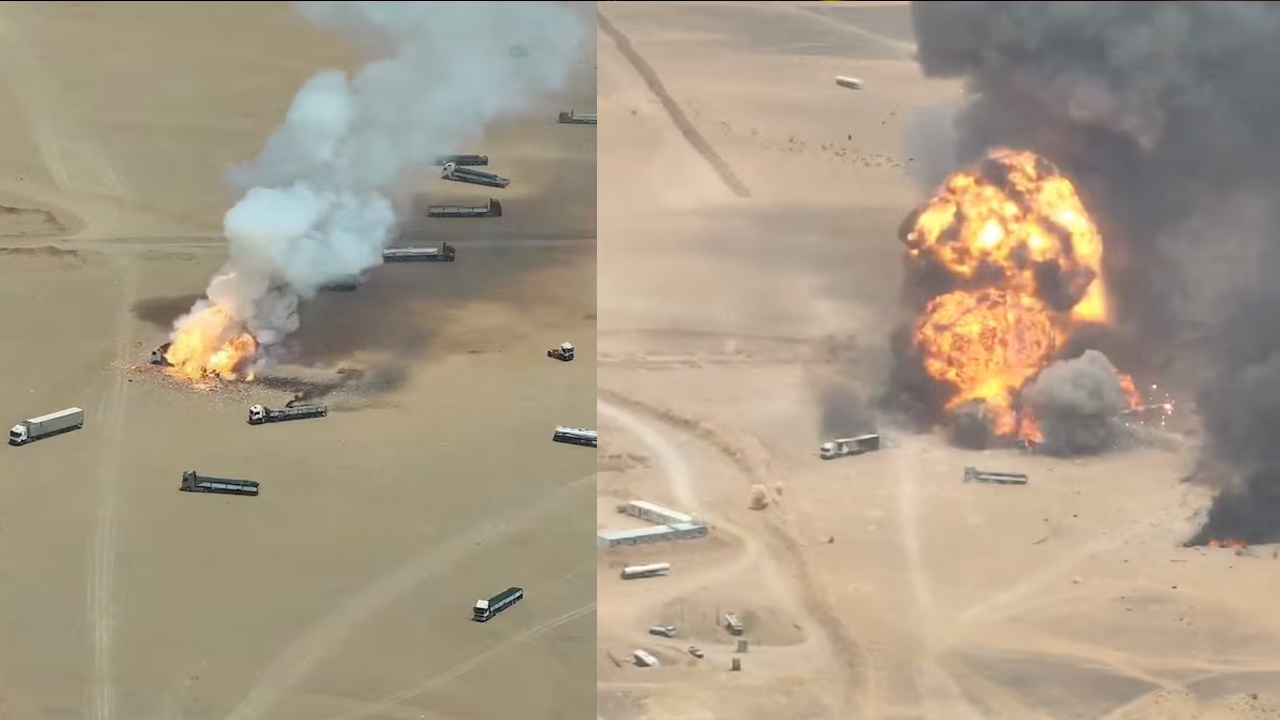
Darwin, Septermber 08 : At least 73 civilians, including women and children, have been injured in attacks by Yemen’s Houthi rebels targeting civilian and economic…

Darwin, 08 September : Ukraine has taken steps toward legalizing pornography as a way to raise funds for its war with Russia. According to The…
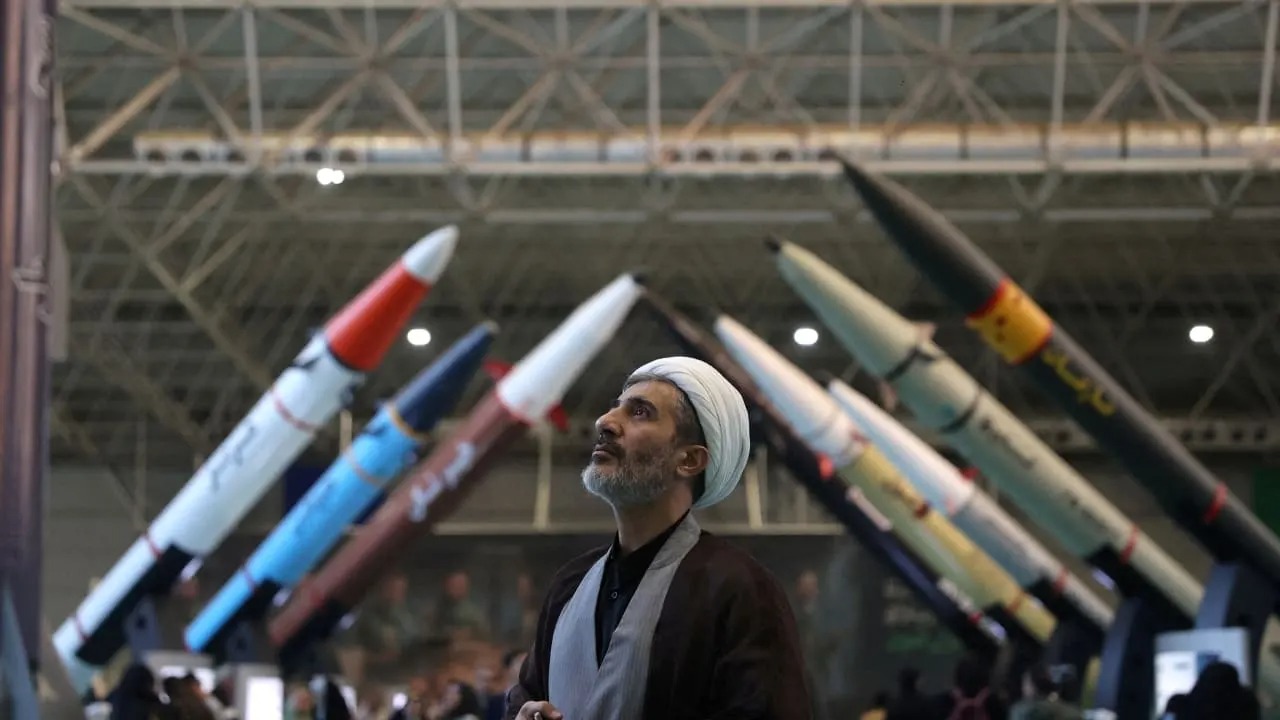
Darwin, September 07: Iran is preparing for a major, multi-front attack against Israel, according to an Israeli intelligence assessment. The report says Iran is seeking…

Darwin, 07 September: Air travel in Indonesia has been disrupted by ash from the eruption of Anak Krakatau volcano. As of Monday morning, seven airports,…
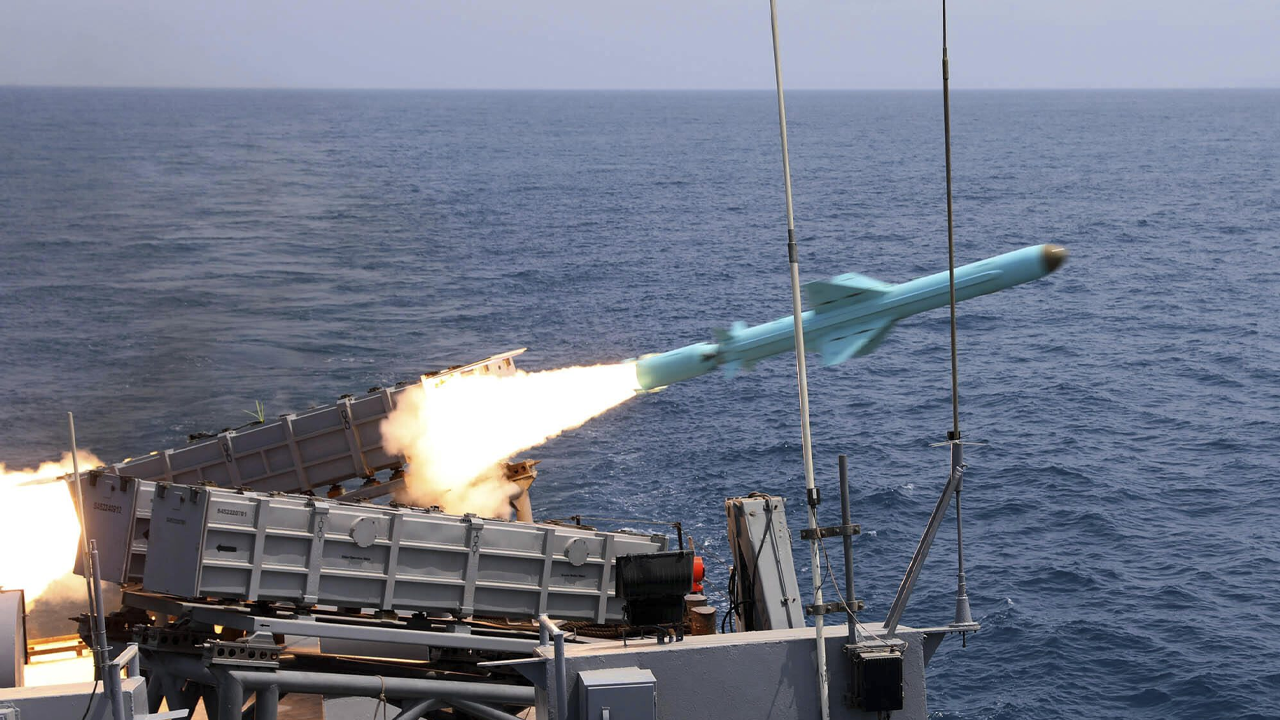
Darwin, September : Iran’s Islamic Revolutionary Guard Corps (IRGC) has launched ballistic missile attacks on a US aircraft carrier and a US Navy destroyer. In…

Darwin, September 05: The Trump administration’s efforts to intensify economic pressure on Iran could accelerate the emergence of a new global order less dependent on…
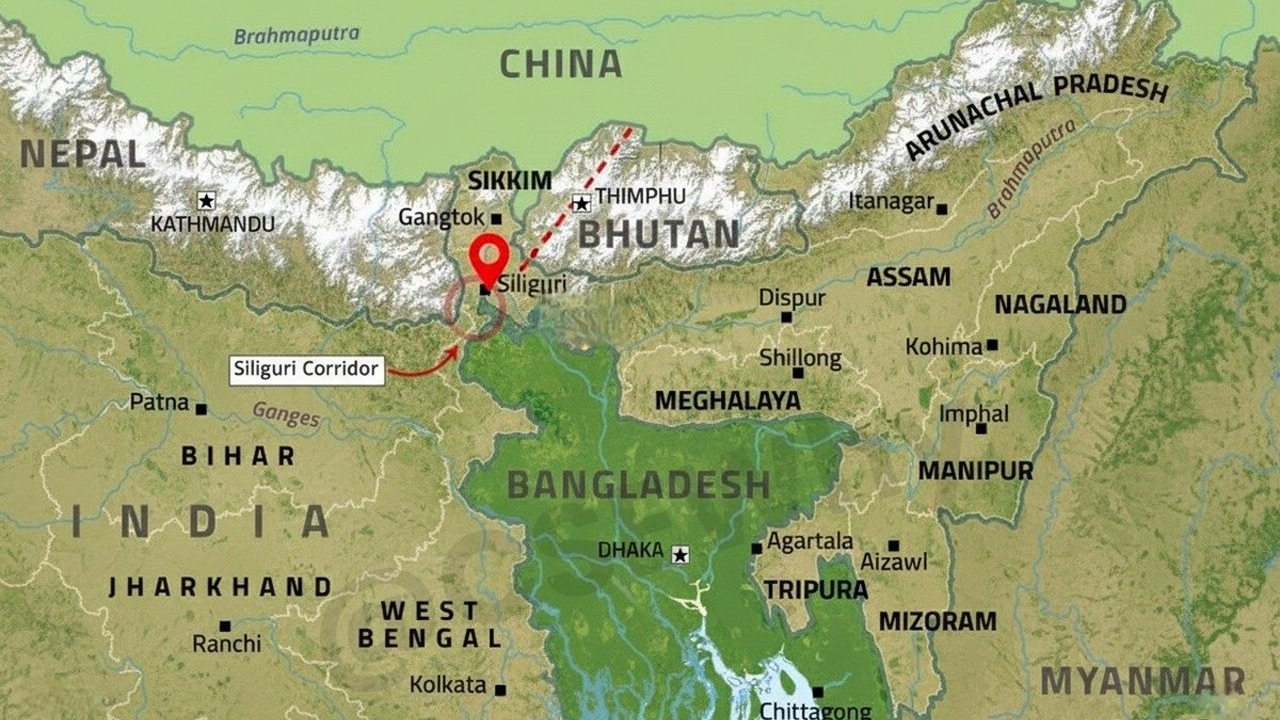
Darwin, September 04 : India’s central government has allocated Rs 2,077 crore for the construction of a new four-lane highway in the strategically important Siliguri…