Oil Prices Rise in Global Markets on Fears of Middle East Supply Disruptions
Darwin, October 21: Oil prices rose in global markets on Wednesday as traders grew concerned about potential disruptions to oil supplies in the Middle East,…



Darwin, 13 May : The European Union on Monday approved sanctions against violent and extremist Israeli settler organisations and their leaders, alongside senior leaders of the Hamas militant group, during a meeting of the bloc’s 27 foreign ministers in Brussels.
The decision is currently political in nature and still requires further legal and administrative procedures before the sanctions are formally implemented by the EU executive.
EU foreign policy chief Kaja Kallas said it was time to move beyond political deadlock and take concrete action. “Extremism and violence must have consequences,” she said.
French Foreign Minister Jean-Noel Barrot said the EU had decided to sanction Israeli organisations involved in supporting what he described as extremist and violent settlement expansion in the occupied West Bank. He added that sanctions were also imposed on Hamas leaders, calling the group responsible for deadly attacks against civilians.
According to EU officials, seven individuals and organisations have been blacklisted. The measures include asset freezes, travel bans to EU countries, and restrictions on financial transactions with EU-based banks and institutions. The sanctions could also affect Israeli financial institutions and government-linked funding channels connected to the targeted groups.
The organisations reportedly targeted include Regavim, HaShomer Yosh, Amana and Nachala, all of which are associated with settlement expansion and the establishment of outposts in the West Bank.
Regavim advocates for the expansion of Israeli settlements and campaigns against what it describes as illegal Palestinian construction. HaShomer Yosh supports agricultural communities and outposts in contested areas, while Amana and Nachala are known for promoting new settlement projects and unauthorised outposts.
The sanctions process had previously been delayed due to opposition from former Hungarian Prime Minister Viktor Orban, a close ally of Israeli Prime Minister Benjamin Netanyahu. Political changes in Hungary later cleared the way for the move to proceed.
Netanyahu strongly condemned the EU decision, accusing the bloc of creating a false equivalence between Israeli citizens and Hamas militants. Israel, he said, “firmly rejects” the sanctions.
Israeli Foreign Minister Gideon Sa’ar also criticised the move, calling it politically motivated and lacking any factual basis.
Former Israeli Prime Minister Naftali Bennett said the sanctions reflected Israel’s growing diplomatic isolation and blamed the current government’s rhetoric and policies for worsening international relations.
EU officials clarified that the sanctions against Hamas leaders were not intended to equate Hamas with Israeli settlers, but were included on the same day due to demands from several member states during negotiations.
Violence by extremist settlers in the West Bank has increased in recent years, according to human rights groups. Incidents including attacks on Palestinian villages, arson, vandalism and physical assaults have been reported frequently, while arrests and convictions remain rare.
The Israeli military has also faced criticism over allegations that soldiers often fail to intervene during attacks or do not adequately prosecute perpetrators. Some senior Israeli military officials have described the growing phenomenon as “Jewish terrorism” and warned that it poses a serious strategic and moral challenge.

Darwin, October 21: Oil prices rose in global markets on Wednesday as traders grew concerned about potential disruptions to oil supplies in the Middle East,…
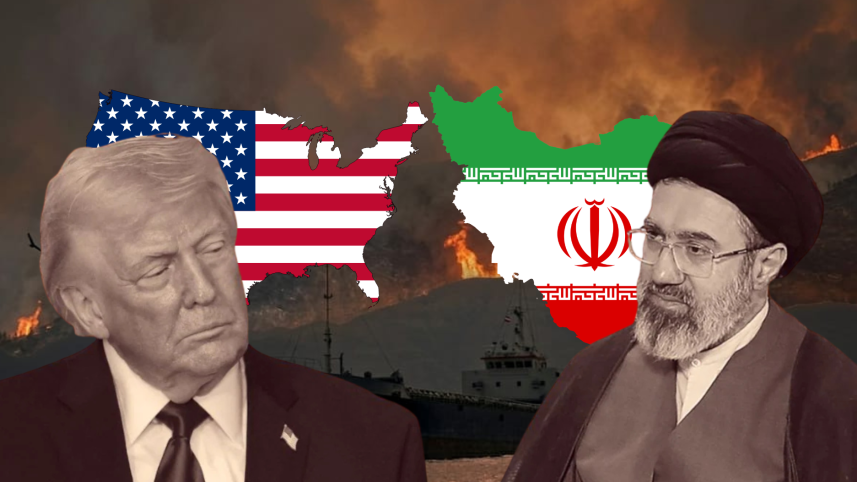
Darwin, October 21: Iran is prolonging negotiations with Washington in an attempt to politically weaken President Donald Trump ahead of the US midterm elections, according…

Darwin, October 21: Today is the auspicious occasion of Bijaya Dashami. The five-day Sharadiya Durga Puja, the biggest religious festival of the Hindu community, officially…

Darwin, October 20: Today is Maha Navami, the ninth day of Sharadiya Durga Puja. Members of the Hindu community will observe the day through religious…

Darwin, October 20: Protests and violence over the rising cost of living have erupted in Italy, one of Europe’s largest economies, following similar unrest in…
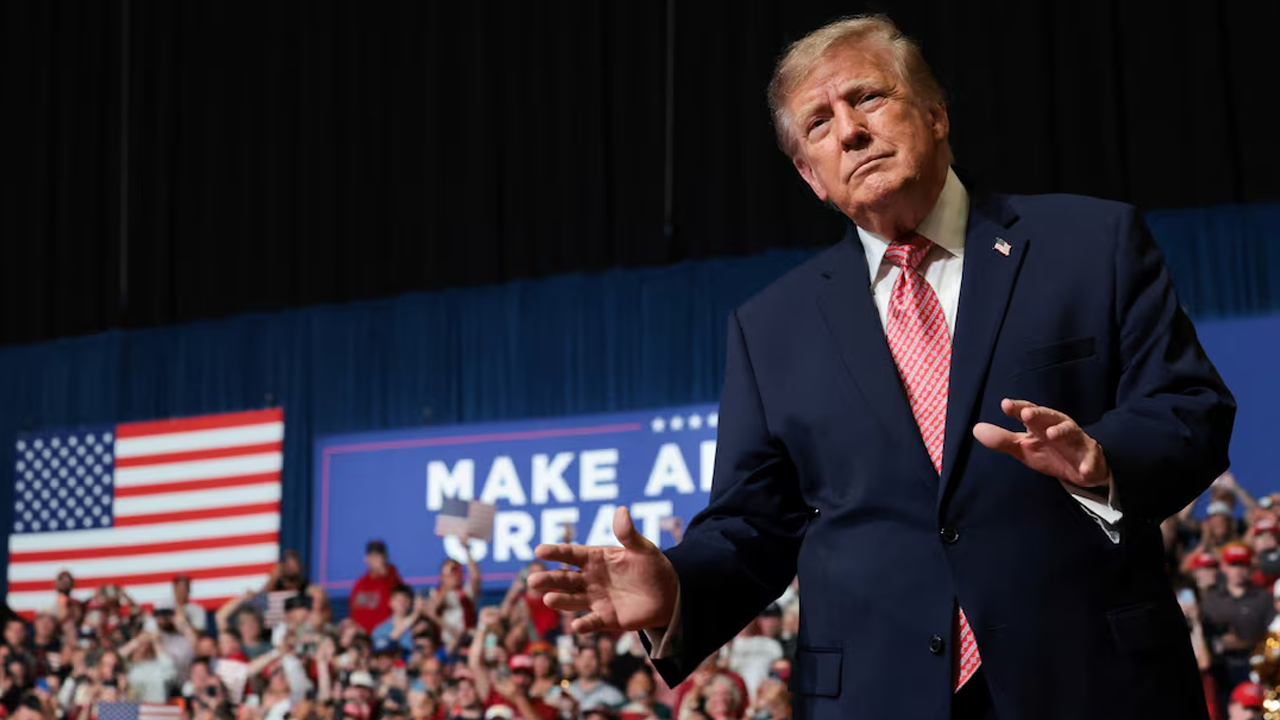
Darwin, October 20: US President Donald Trump has warned that protests and violence similar to those in France could spread across the United States if…
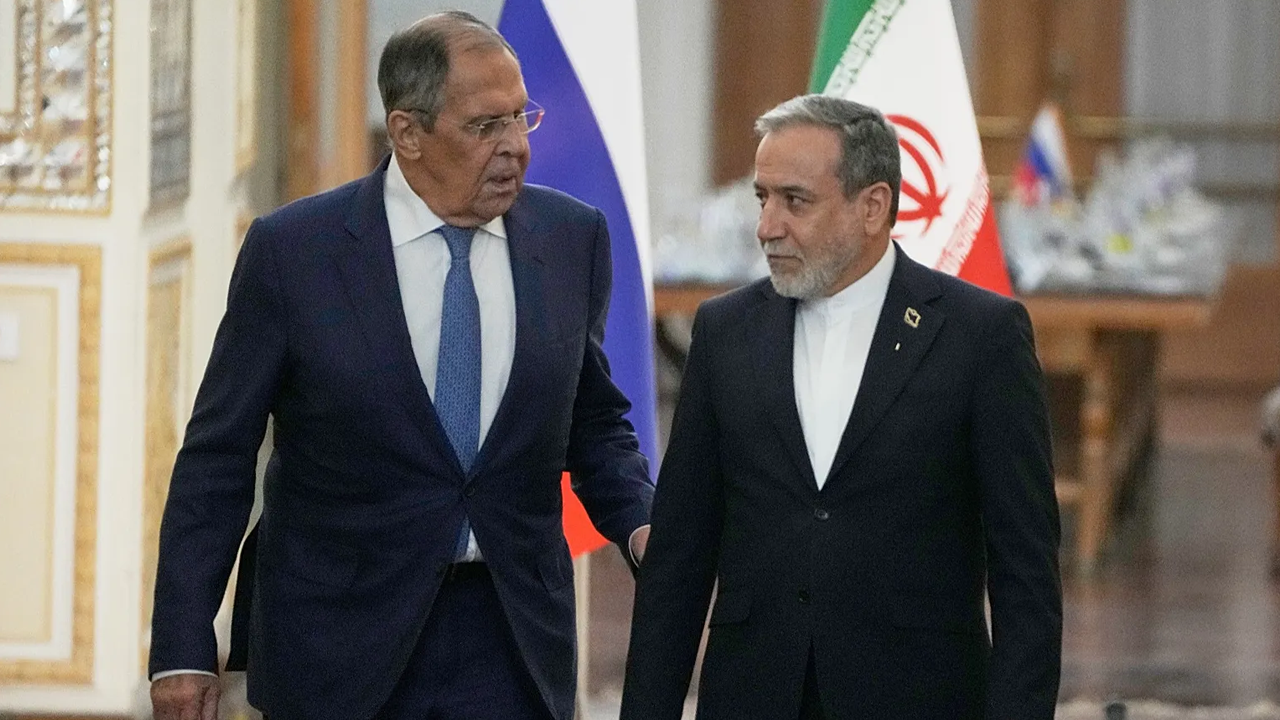
Darwin, October 20: Moscow has reaffirmed its full support for Tehran just hours after US President Donald Trump remarked that Russia was doing very little…

Darwin, October 19: Former Manchester City manager Pep Guardiola has urged the world not to forget the Palestinians in Gaza. In a video for the…