Saudi Crown Prince ‘Shuttles Between Palaces’ Amid Houthi Attacks: Report
Darwin, October 13: Saudi Crown Prince Mohammed bin Salman has reportedly been moving from one palace to another amid growing security concerns as Yemen’s Houthi…



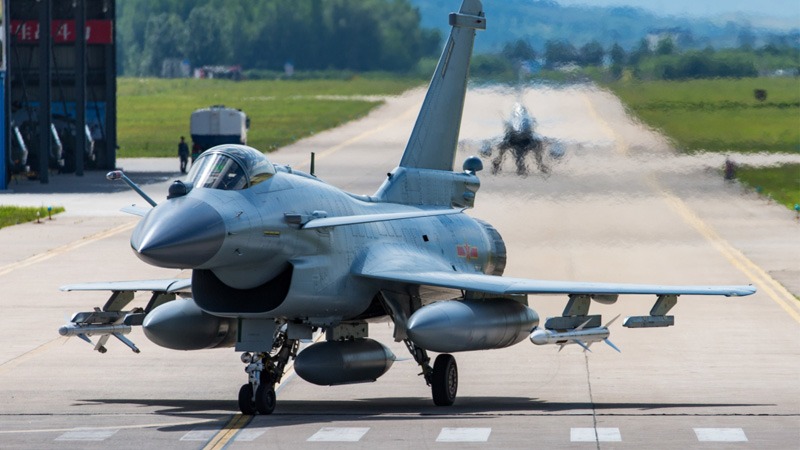
Darwin, 21 June : As part of the modernization of the Bangladesh Air Force, the acquisition of 20 China-made J-10CE multirole fighter jets could add a new dimension to the strategic balance in South Asia.
The potential deal, valued at around 2.2 billion US dollars, is being viewed by India not only as a procurement of military equipment but also as part of China’s growing influence in the region.
According to a report published on Thursday (June 18) by Defense Security Asia, discussions about purchasing fighter jets gained momentum during the interim government period following a political change in 2024. After the formation of a new elected government, the air force modernization plan continued, further deepening defense cooperation between Dhaka and Beijing.
Under the long-term “Force Goal 2030” program of the Bangladesh Air Force, the plan is to acquire modern J-10CE aircraft as replacements for aging F-7 fighters and a limited number of MiG-29s. The goal of this initiative is to strengthen airspace security, protect maritime interests, and enhance modern combat capabilities.
The proposed deal reportedly includes not only fighter jets but also pilot and technical training, maintenance facilities, logistical support, and advanced weapons systems. It is also said that long-term installment payments would prevent immediate heavy pressure on the national economy.
Meanwhile, Bangladesh’s military modernization has caused concern within Indian defense circles, particularly regarding the security of the Siliguri Corridor, which connects India’s northeastern states with the mainland. Indian military analysts suggest that the deployment of advanced fighter jets in northern Bangladesh could influence the regional strategic balance.
The J-10CE is a 4.5-generation modern fighter aircraft featuring an advanced AESA radar, electronic warfare systems, and the capability to use long-range PL-15 air-to-air missiles. It is considered effective in detecting and engaging multiple targets and conducting network-centric warfare operations.
Analysts note that a significant portion of Bangladesh’s defense equipment already comes from China, including submarines, tanks, warships, and missile systems. If modern fighter jets are added, military cooperation between the two countries would deepen further.
However, Dhaka has consistently stated that strengthening defense capability is a sovereign decision and not directed against any country. Regional observers also suggest that in the evolving security and military competition in South Asia, this step could have important geopolitical implications in the future.
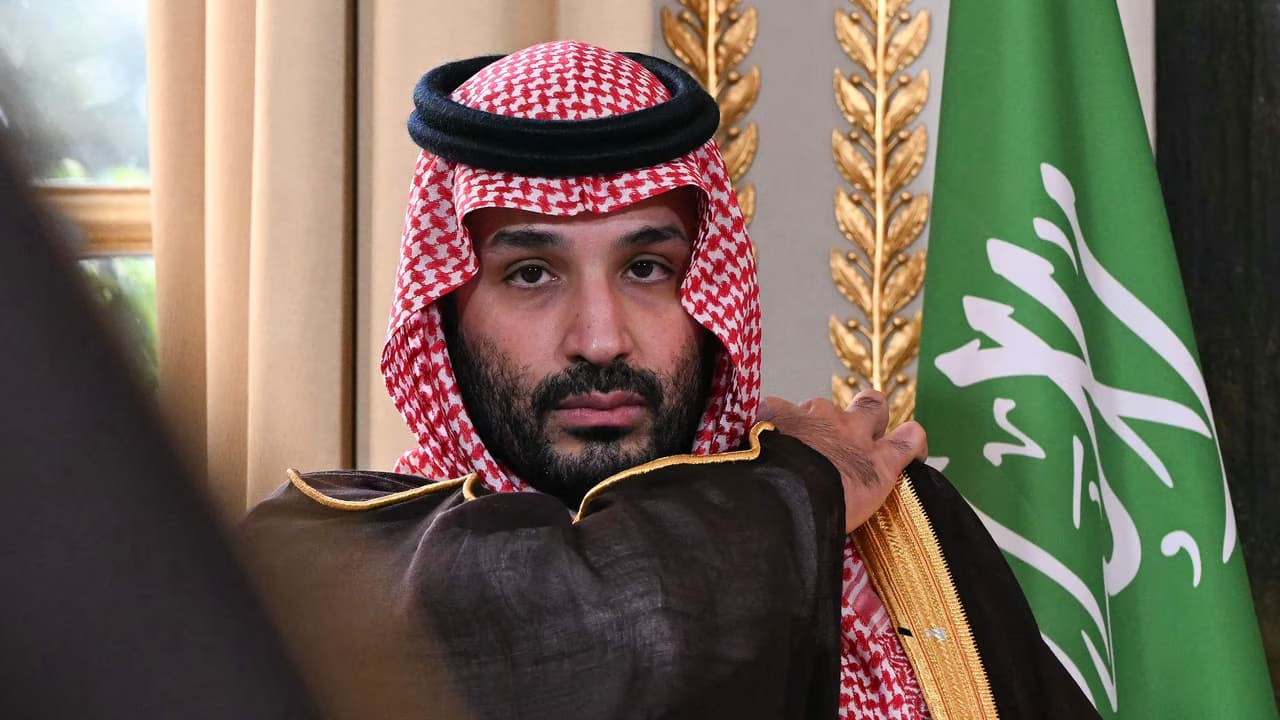
Darwin, October 13: Saudi Crown Prince Mohammed bin Salman has reportedly been moving from one palace to another amid growing security concerns as Yemen’s Houthi…
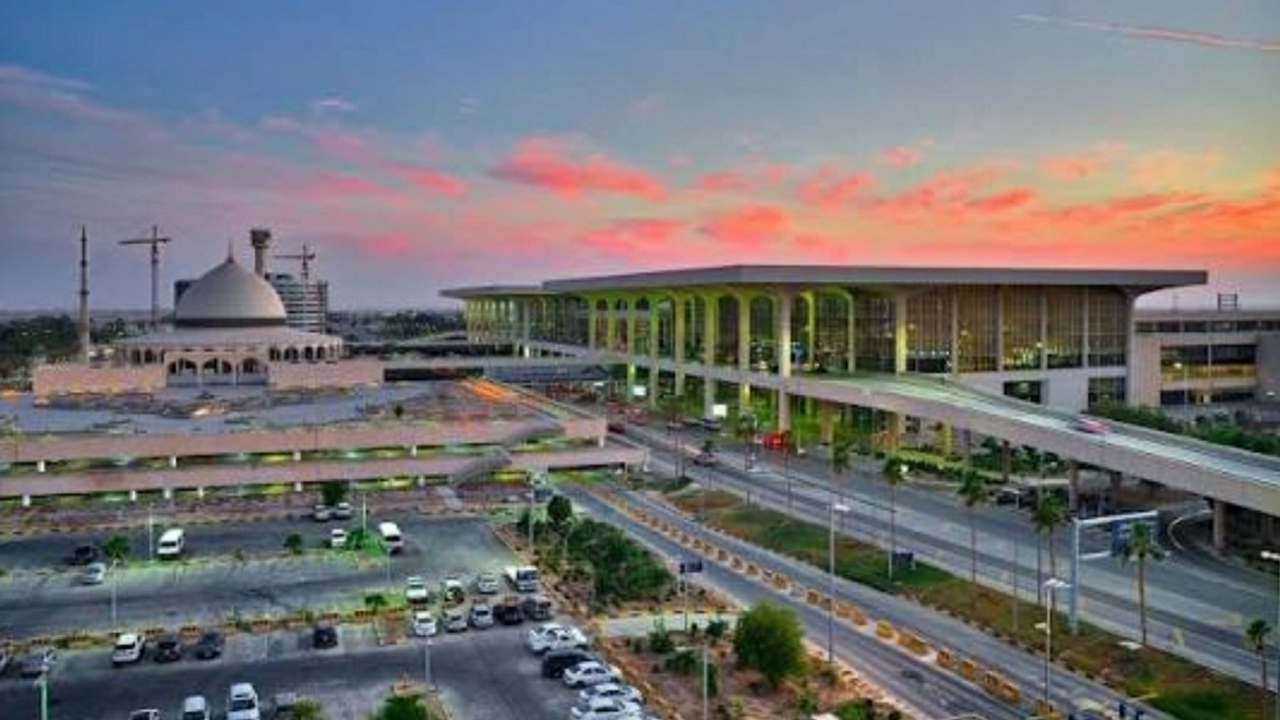
Darwin, October 12: Saudi Arabia’s Civil Aviation Authority has confirmed an attack on Dammam Airport in the country’s Eastern Province. The confirmation came shortly after…
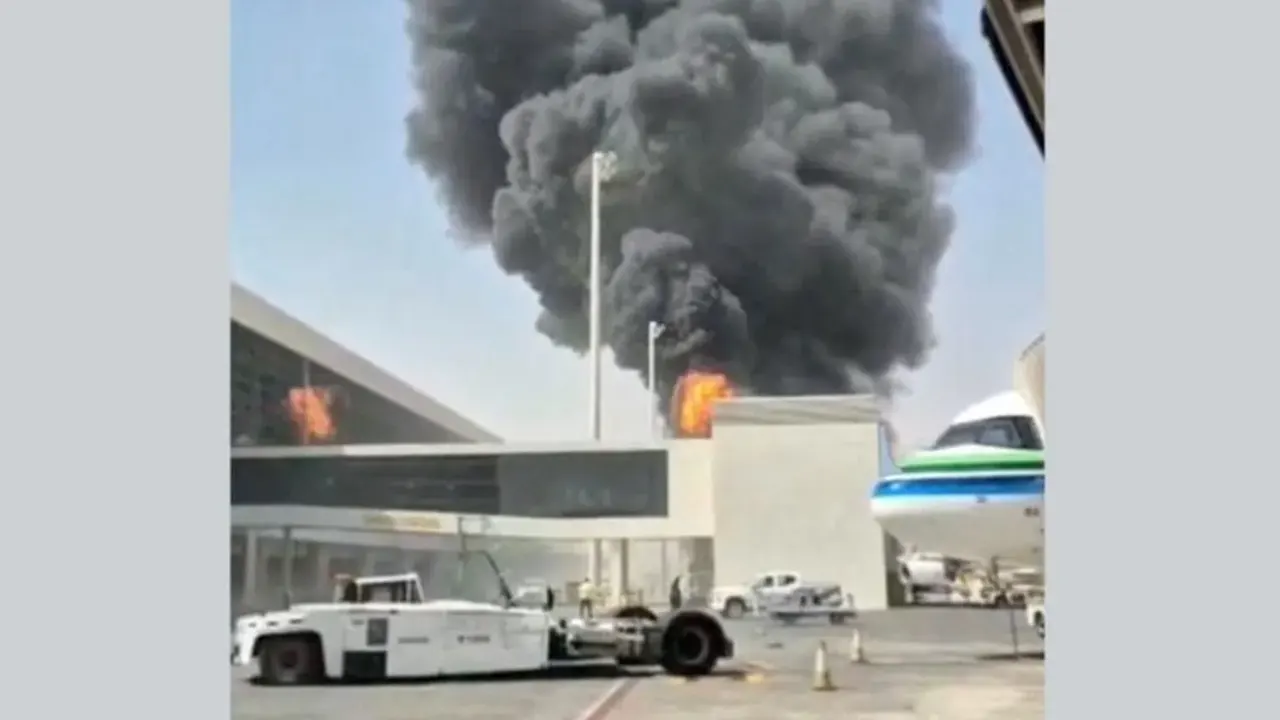
Darwin, October 12 : A fresh attack has reportedly targeted King Khalid International Airport in Riyadh, the capital of Saudi Arabia, killing one Pakistani national…
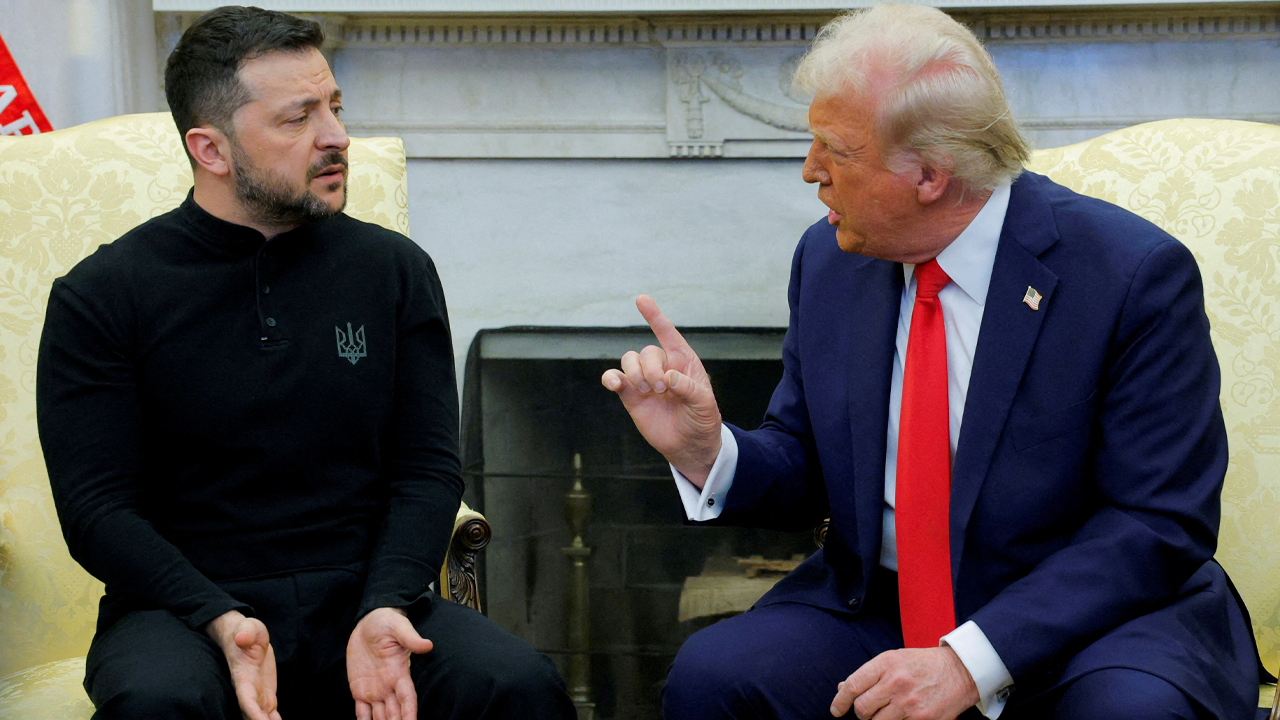
Darwin, October 11: US President Donald Trump has called for a new presidential election in Ukraine, suggesting that Volodymyr Zelenskyy has failed to seize opportunities…
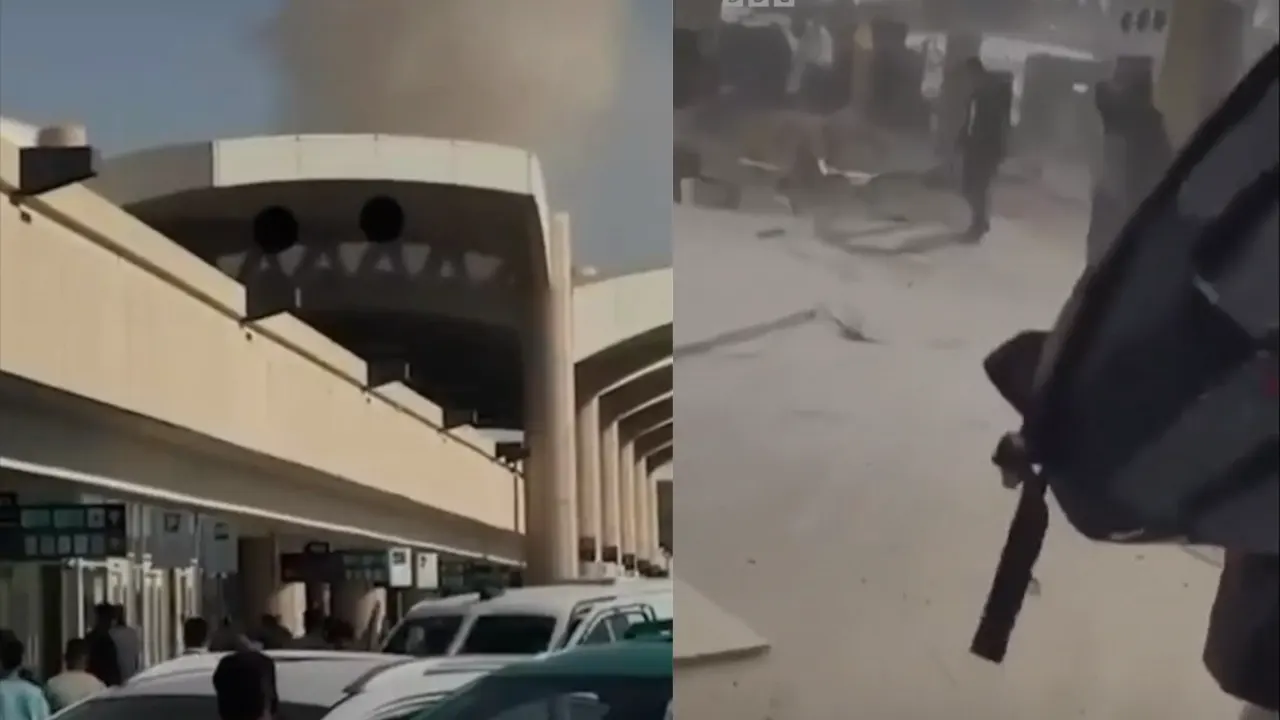
Darwin, October 11: At least 12 people have been killed in an attack by Yemen’s Iran-backed Houthi armed group on King Khalid International Airport in…
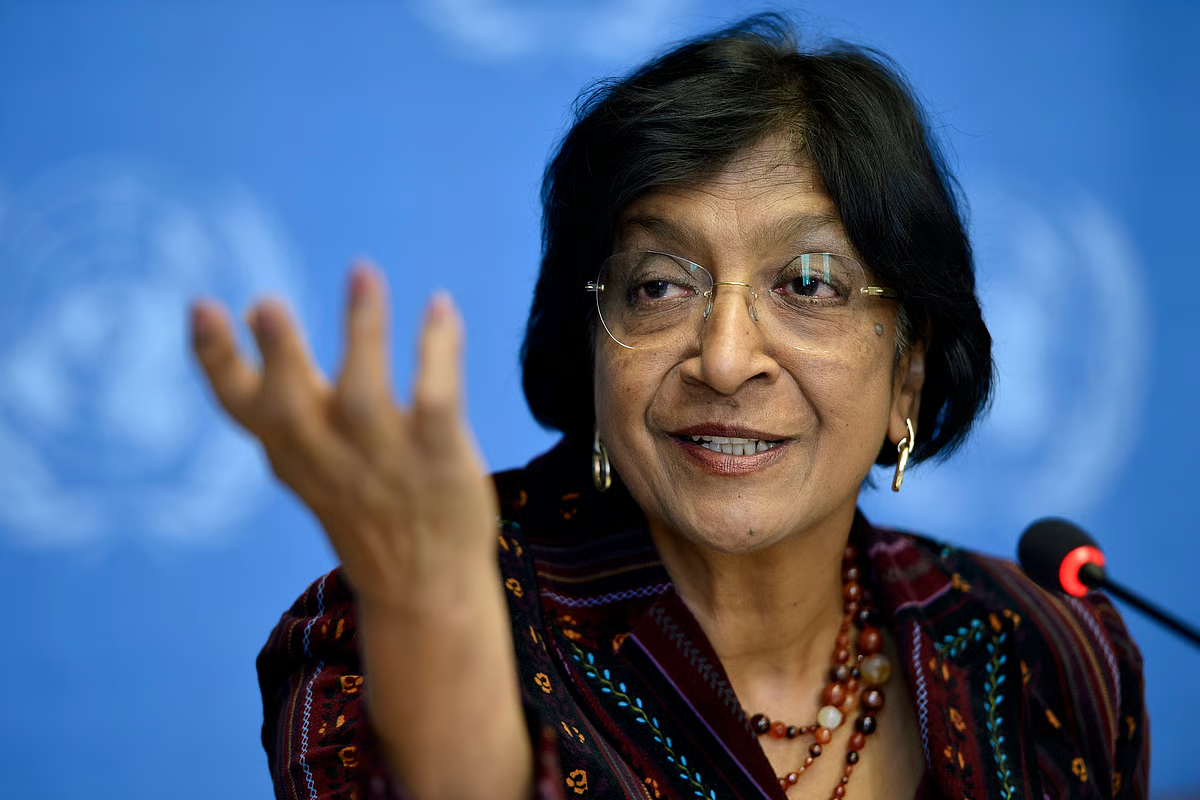
Darwin, October 09: Navanetham “Navi” Pillay, a South African jurist who led a United Nations investigative commission that described Israel’s actions in Gaza as genocide,…
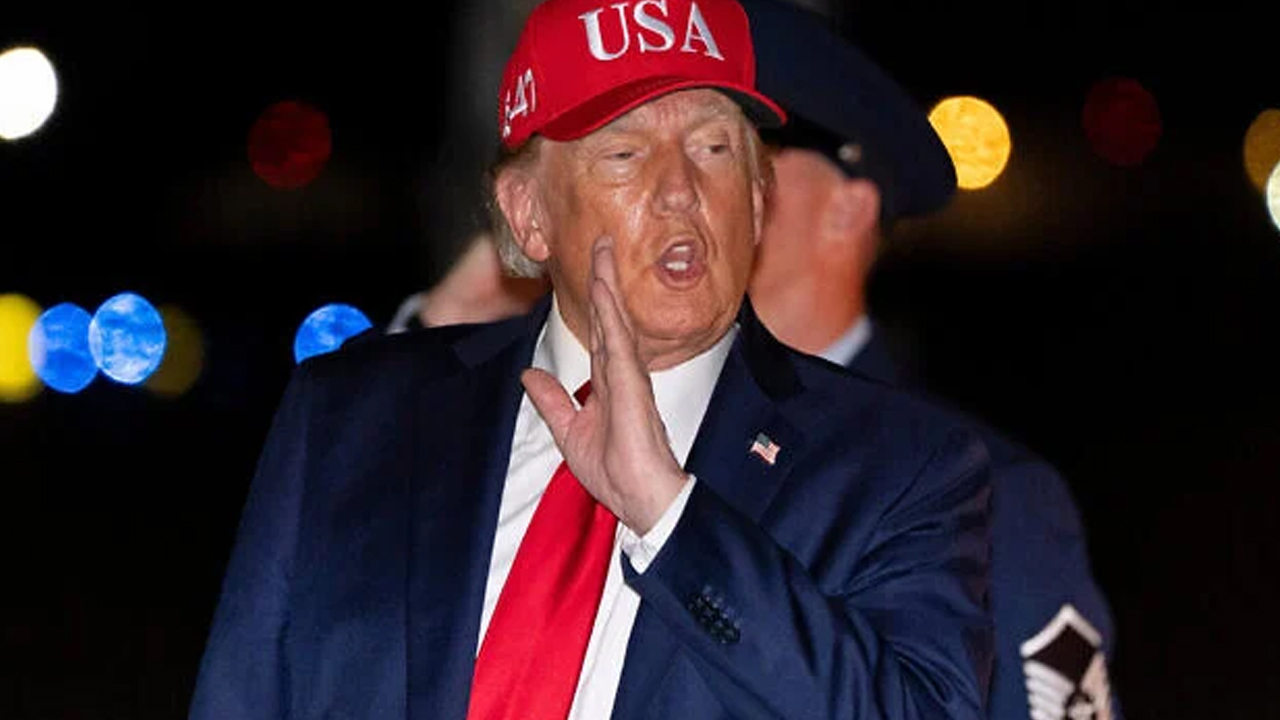
Darwin, October 08: U.S. President Donald Trump said on Wednesday that he deserves to win the Nobel Peace Prize, while expressing doubts that he would…
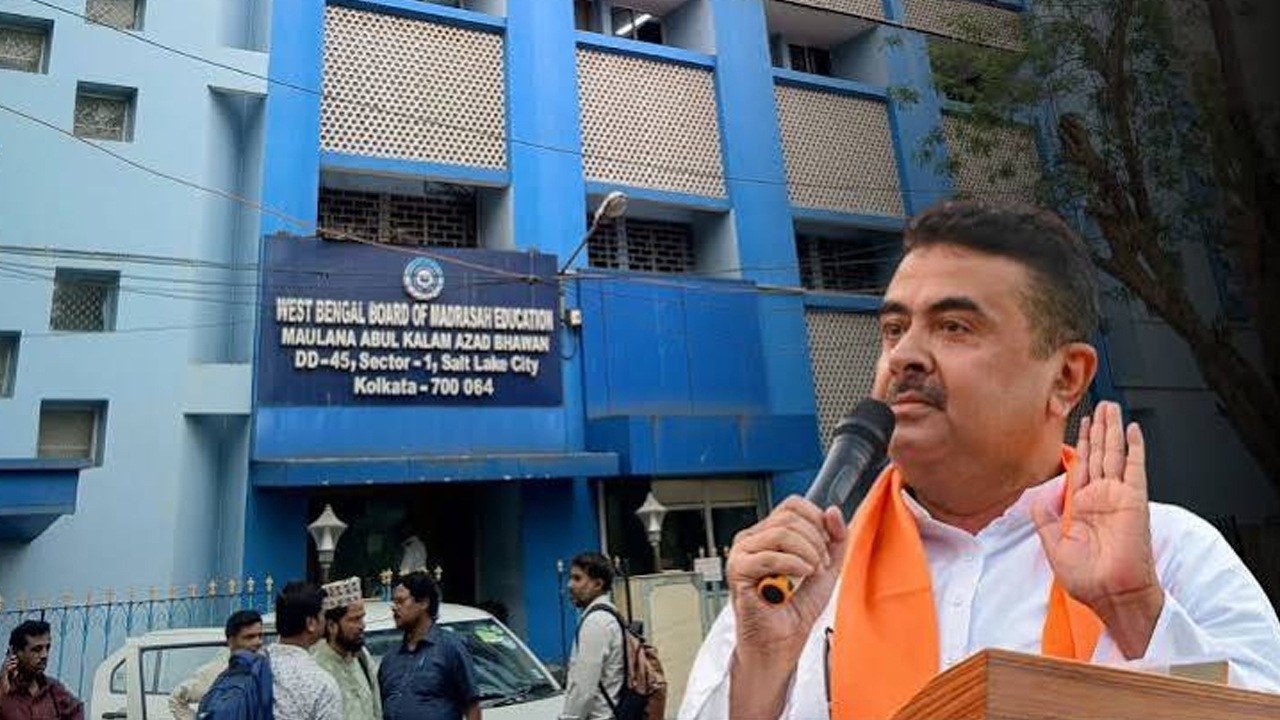
ডারউইন, অক্টোবর ০৮: ভারতের পশ্চিমবঙ্গ রাজ্যে শিক্ষা ব্যবস্থায় বড়সড় বদলের খবর জানালেন মুখ্যমন্ত্রী শুভেন্দু অধিকারী। তার মতে, শিক্ষক নিয়োগে সমতা আনতে পশ্চিমবঙ্গ রাজ্যে আনুষ্ঠানিকভাবে বিলুপ্ত…