Deaths in Australia Expected to Outnumber Births by the 2060s, Report Says
Darwin, October 05: Deaths in Australia are expected to outnumber births by the 2060s, according to a government report, marking a demographic milestone that countries…



Sports Desk: A resignation letter only a few lines long has come to symbolize the growing frustration across the football world. On Friday morning, Carlos Cordeiro stepped down from his role as an adviser to FIFA, sending a powerful message that this was no ordinary controversy but a full-blown crisis.
The turmoil began after FIFA moved forward with a plan to open ownership stakes in the FIFA World Cup and other major tournaments to outside investors in pursuit of greater commercial returns.
Asian Football Confederation (AFC) president Sheikh Salman bin Ibrahim Al Khalifa was among the first to denounce FIFA president Gianni Infantino’s proposal, calling it unacceptable. UEFA president Aleksander Čeferin soon followed with a stark warning that Europe could boycott the FIFA World Cup if the governing body refused to reverse course. Despite mounting opposition, Infantino has shown little sign of backing down.
Against that backdrop, Cordeiro’s resignation carried particular weight. Once one of Infantino’s closest confidants, he had been appointed in 2021 to help shape FIFA’s long-term strategic vision.
Now, he has described the proposal as a grave mistake, saying it would be harmful not only to FIFA’s member associations but also to the long-term future of football. The former banker also made it clear that he had no role in drafting the proposal and had opposed it from the very beginning. His resignation served as a public expression of that opposition.
The controversy began shortly after the conclusion of the FIFA World Cup. While Spain was still celebrating its triumph, FIFA announced plans to establish a new $20 billion entity, FIFA Forward Enterprise, to manage the commercial rights of the World Cup. Under the proposal, up to 20 percent of the company would be sold to outside investors.
Among the reported investors is Thrive Capital, the investment firm founded by Joshua Kushner, the brother of Jared Kushner, former U.S. President Donald Trump’s son-in-law. The political connection added another layer of controversy to an already contentious proposal.
UEFA responded with its strongest opposition yet, accusing FIFA of attempting to sell the soul of football. Less than two weeks after the World Cup concluded, all 55 UEFA member associations reportedly voted unanimously in favor of boycotting FIFA competitions if the proposal moved forward. Such unity is rare in football politics.
FIFA, however, remained defiant, insisting that no one was trying to sell football and dismissing the criticism.
The governing body argued that while every organization has the right to express its views, no single confederation can claim to represent all 211 FIFA member associations.
According to FIFA, each member should be free to make its own decision, describing that principle as part of the organization’s democratic framework. Opposition has not been limited to Europe.
CONCACAF has also rejected the proposal, although it has stopped short of supporting a boycott. Even the AFC, which rarely takes a public stance against FIFA, voiced its concerns early in the debate.
History shows that attempts to commercialize football at the expense of its traditional values have repeatedly faced fierce resistance. In 2021, the European Super League project collapsed within days after overwhelming opposition from supporters, clubs, and football authorities.
Earlier, in 2015, FIFA’s corruption scandal forced then-president Sepp Blatter to leave office in disgrace. Both episodes reinforced the idea that football is more than just a business—it is built on the passion, trust, and loyalty of billions of supporters around the world.
How far FIFA will go with its latest proposal remains to be seen. Yet Cordeiro’s resignation has already delivered a powerful message: when even someone once considered part of the organization’s inner circle publicly questions its direction, it suggests that the crisis is not only external but deeply rooted within FIFA itself.

Darwin, October 05: Deaths in Australia are expected to outnumber births by the 2060s, according to a government report, marking a demographic milestone that countries…

Darwin, October 04: Ten people, including three children, have been injured after a car crashed into a crowd of rugby league fans in Newcastle, eastern…

Darwin, October 4: Australia’s central bank has raised interest rates to their highest level in 15 years, increasing mortgage repayments for millions of Australian households….
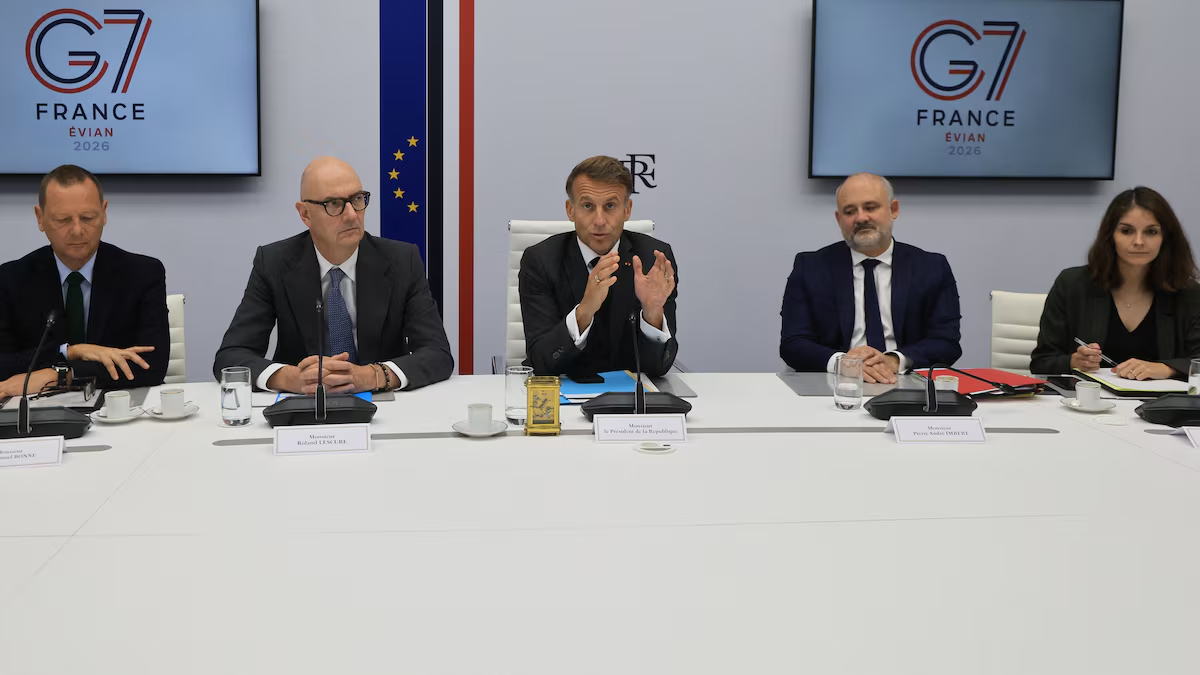
Darwin, October 3: Under pressure from US President Donald Trump to bring down rising fuel prices, G7 leaders are set to release up to 100…

Darwin, October 3: Russia’s daily attacks are filling the lives of Kyiv residents with fear and uncertainty. From schools and hospitals to bridges, power plants…
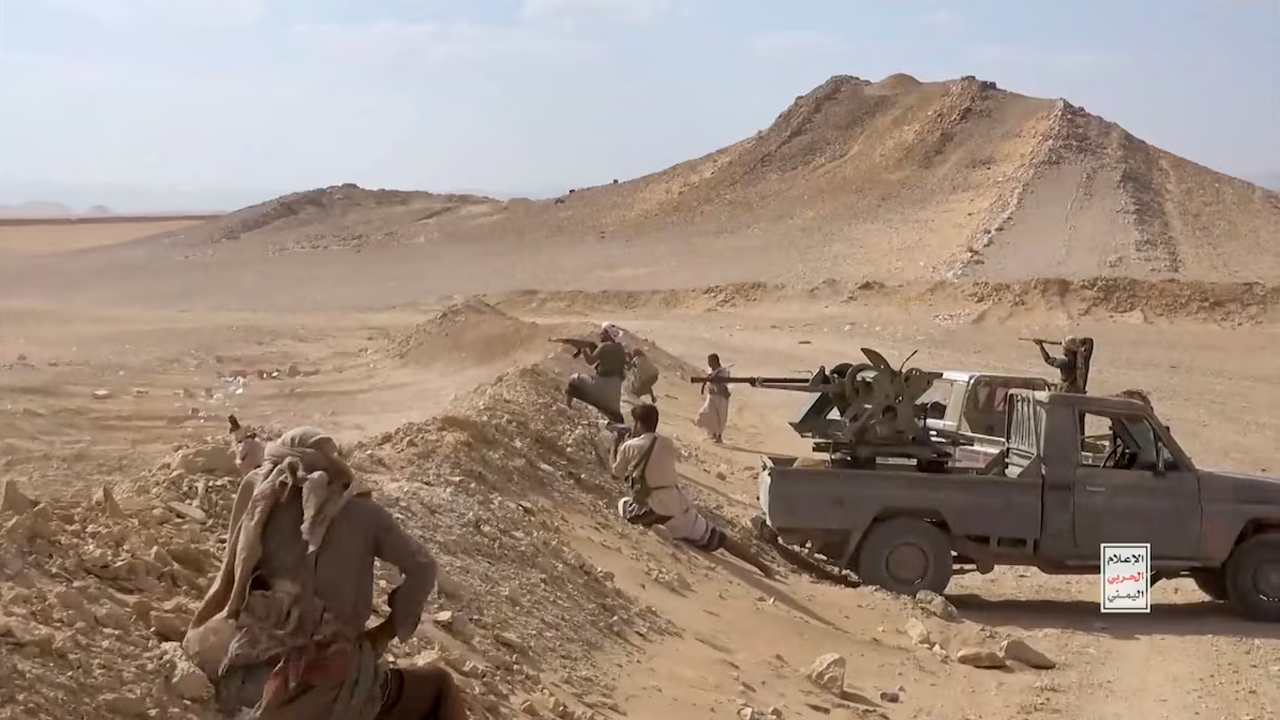
Darwin, October 3: At least 80 fighters have been killed over the past 24 hours in fierce fighting between Iran-backed Houthi rebels and Saudi-backed government…
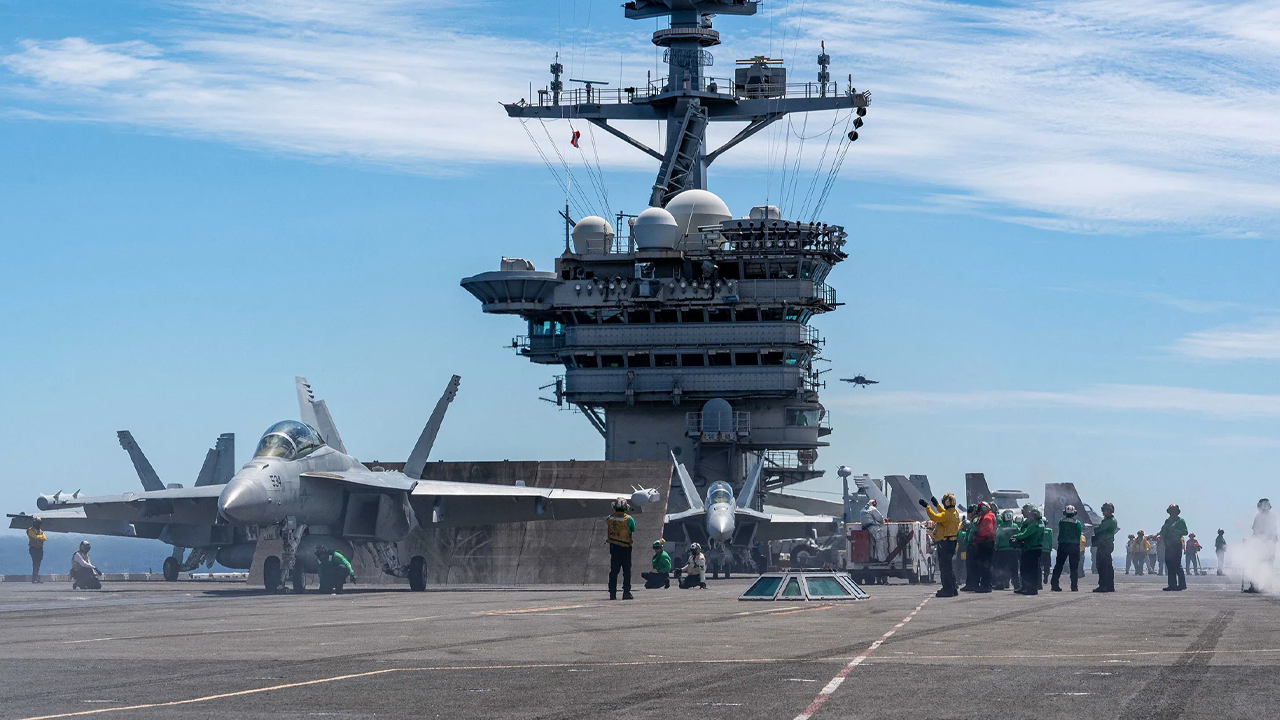
Darwin, October 3: As the Iran war enters its eighth month, the United States is sending a third aircraft carrier strike group to waters near…
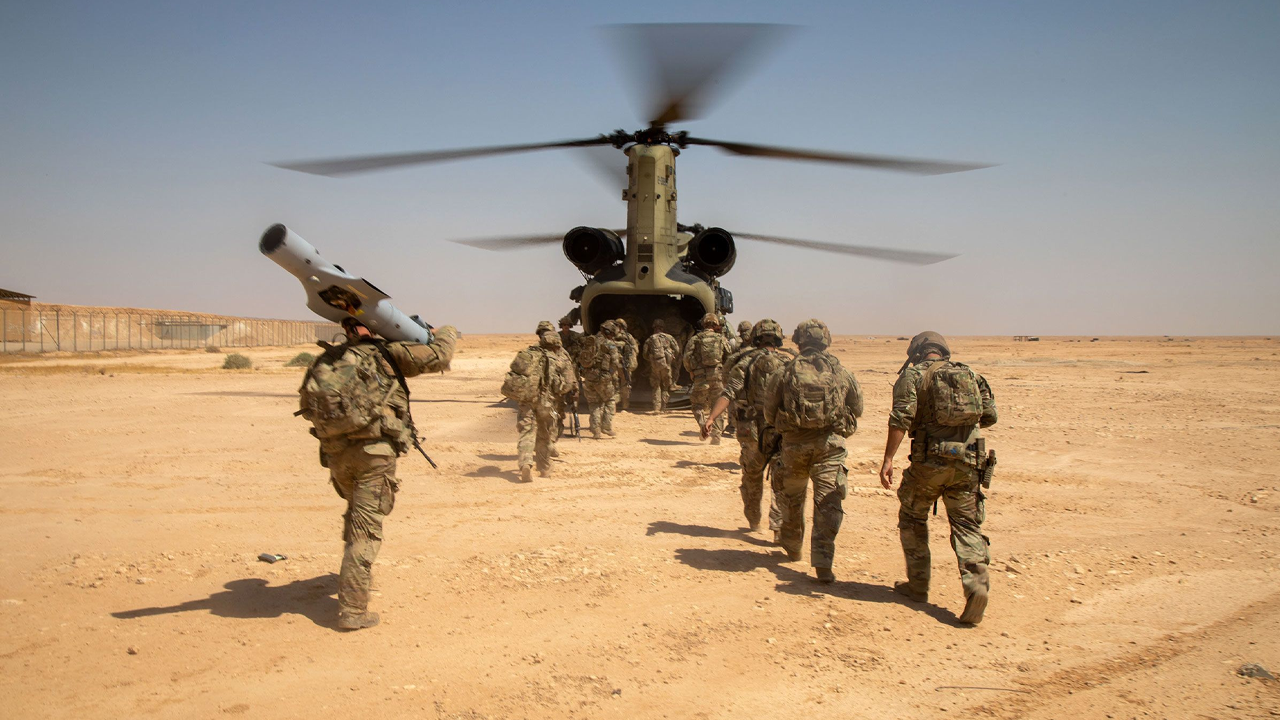
Darwin, September 30 : The United States is preparing to withdraw its military forces from Iraq after more than two decades of war and the…