Saudi Arabia to Build Oil Reserves in Singapore to Secure Energy Supplies
Darwin, October 27: Saudi Arabia plans to store crude oil at Singapore’s Jurong Rock Caverns to strengthen the security of energy supplies across Asia. The…



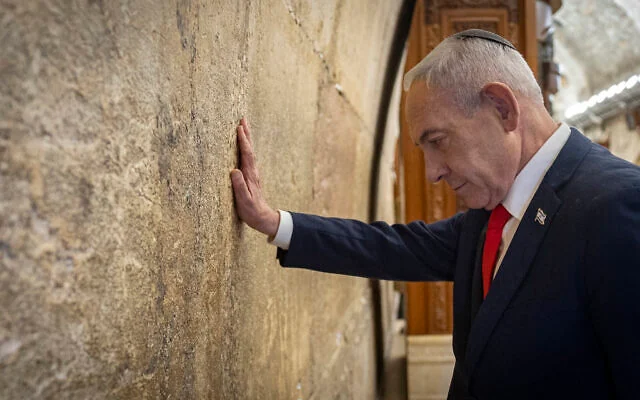
Darwin, October 28: Israeli Prime Minister Benjamin Netanyahu’s right-wing bloc has suffered a major setback in the country’s elections, according to preliminary exit polls. The coalition, which currently holds 64 seats in the Knesset, is projected to win only 50 to 51 seats. However, opposition parties have also failed to secure the majority needed to form a government, leaving the country facing political uncertainty.
The projections emerged from exit polls released by Israel’s three major television channels following Tuesday’s (October 27) election.
A majority of 61 seats is required to form a government in Israel’s 120-member parliament. The polls suggest that Jewish-led opposition parties could win between 51 and 52 seats, while an Arab-led alliance could secure a total of 18 seats.
During the election campaign, Netanyahu’s Likud party and the far-right Otzma Yehudit party, led by National Security Minister Itamar Ben-Gvir, portrayed Arab-led parties as a threat to national security. However, preliminary projections suggest that Arab-led parties could win a significant number of seats.
Arab-led parties also oppose another Netanyahu term, potentially bringing the number of lawmakers opposed to him to around 70. However, three of the four Jewish-led opposition parties ruled out forming a coalition government with predominantly Arab parties during the campaign. If they maintain that position, securing a parliamentary majority will be difficult.
Political leaders have urged the public to wait for the final results. Vote counting began on Tuesday evening local time, and the official results may not be available until Friday. Exit polls also frequently differ from the final results.
Dov Waxman, a professor of political science at the University of California, Los Angeles, has analysed the preliminary projections. Speaking to Al Jazeera, the expert on Israeli politics and the Israeli-Palestinian conflict said that if the polls prove accurate, it would become “almost impossible” for Netanyahu to remain prime minister.
Referring to projections by Israel’s Channel 13, Waxman said that although Netanyahu’s Likud party was expected to win the largest number of seats individually, the combined strength of his right-wing and religious bloc could fall from 64 seats in the 2022 election to around 50 this time. That would make forming the next government extremely difficult for Netanyahu.
All three major Israeli television channels projected that Likud would emerge as the largest single party. However, the party is expected to win only 24 to 25 seats, down from the 32 it secured in the previous election.
The second-largest party is projected to be Yashar, led by Netanyahu’s main rival, Gadi Eisenkot, which could win between 21 and 23 seats. Among the opposition bloc’s potential partners, the Yesh Atid party is projected to win 12 to 13 seats, while an Arab-led alliance could secure 11 seats.
The left-wing Democrats party is projected to win nine to 10 seats, the right-wing opposition party Yisrael Beiteinu seven to eight, and another predominantly Arab party, Ra’am, seven seats.
The ultra-Orthodox Sephardi Shas party could win six to eight seats, while the ultra-Orthodox Ashkenazi United Torah Judaism party is projected to secure six to seven. The far-right Otzma Yehudit party could win six to seven seats, while the Religious Zionism party is projected to secure six.
Meanwhile, the right-wing People of Israel party, the centre-right Reservists party and the ultra-Orthodox Haredi Public party were among those attracting attention during the election campaign. However, exit polls suggest they may fail to cross the 3.25 per cent electoral threshold required to enter parliament.
Polls published by several pro-government media outlets painted a more favourable picture for Netanyahu’s bloc. A survey by pro-Netanyahu Channel 14 projected that his coalition would win 62 seats, compared with 40 for the opposition and 18 for Arab parties. A poll by the Netanyahu-friendly i24NEWS projected 55 seats for his bloc, 49 for the opposition and 16 for Arab parties. A survey by the newer Channel 16 put the respective figures at 53, 51 and 16.
Netanyahu’s coalition won 64 seats in the 2022 election. However, recent opinion polls had suggested that it would struggle to retain its parliamentary majority this time.
In the final weeks before the election, Netanyahu repeatedly warned that Israel’s existence could be threatened if he lost.
That message may have helped boost his support to some extent. However, preliminary projections suggest that any gains for Netanyahu may have come at the expense of other parties within his political camp. None of the three major television channels projected an outright majority for either side, although the opposition appeared to have a slight advantage.
Following the release of the exit polls, Eisenkot claimed that Netanyahu had lost public support.
“The Zionist majority and most Israeli citizens have expressed complete no confidence in the Netanyahu government,” he said.
Referring to the Hamas-led attack on Israel on October 7, 2023, Eisenkot said that if the final results reflected the preliminary projections, they would represent a victory for Israel’s responsible Zionist majority.
He added that he would move quickly to implement the public’s wishes, replace Netanyahu’s government and establish a Zionist government committed to compulsory military conscription.
However, it remains unclear how Eisenkot would assemble a governing coalition. He could attempt to form a minority government by including one or more Arab-led parties or by securing their abstention in a parliamentary vote on the formation of a new government.
Yisrael Beiteinu leader Avigdor Lieberman and Yesh Atid leader Naftali Bennett have pledged not to form a government that depends on support from Arab parties. To secure a majority, they may have to reconsider that position. Both men, however, were previously part of a short-lived government that included Ra’am between 2021 and 2022.
The projected increase in seats for the Arab-led alliance generated excitement among its supporters.
Ra’am leader Mansour Abbas said leaders from both political camps had contacted him amid the deadlock over government formation.
“Everyone is talking to us,” Abbas told Channel 12. His remarks suggested that representatives of Netanyahu’s camp may also have reached out to the Arab-led parties.
Although Abbas indicated an openness to discussions about a government led by Eisenkot, he said it was first necessary to establish whether such a coalition was realistically possible.
He acknowledged that the exit-poll projections did not yet provide enough seats to form a government. The current opposition bloc was projected to win 52 seats, while Ra’am was expected to secure seven, leaving the potential grouping two seats short of the 61 required for a majority.
Meanwhile, video footage released from the headquarters of the Arab-led alliance showed supporters applauding and celebrating after major broadcasters projected that the alliance could win between 10 and 11 seats.
Supporters were also heard chanting in Arabic, “Ben-Gvir, go away.” The party’s leader, Yousef Jabarin, and other senior figures joined the chants against the far-right national security minister.
Addressing supporters, Jabarin said his party wanted to see the departure of Netanyahu, Finance Minister Bezalel Smotrich and what he called the “bloody government”.
Voter turnout in the Israeli election also reached its highest level in 25 years, with more than 77 per cent of eligible voters casting ballots. The Central Elections Committee is expected to count votes overnight before releasing the official results.
According to the preliminary projections, Netanyahu’s bloc may lose its majority, but the opposition also faces significant obstacles to forming a government. If neither side can secure the necessary support, Israel may have to hold another election.
Until a new government is formed, Netanyahu would remain in office as caretaker prime minister. Israel experienced a similar political deadlock between 2019 and 2022, when five elections were held amid repeated difficulties in forming a stable government.
Source: The Times of Israel
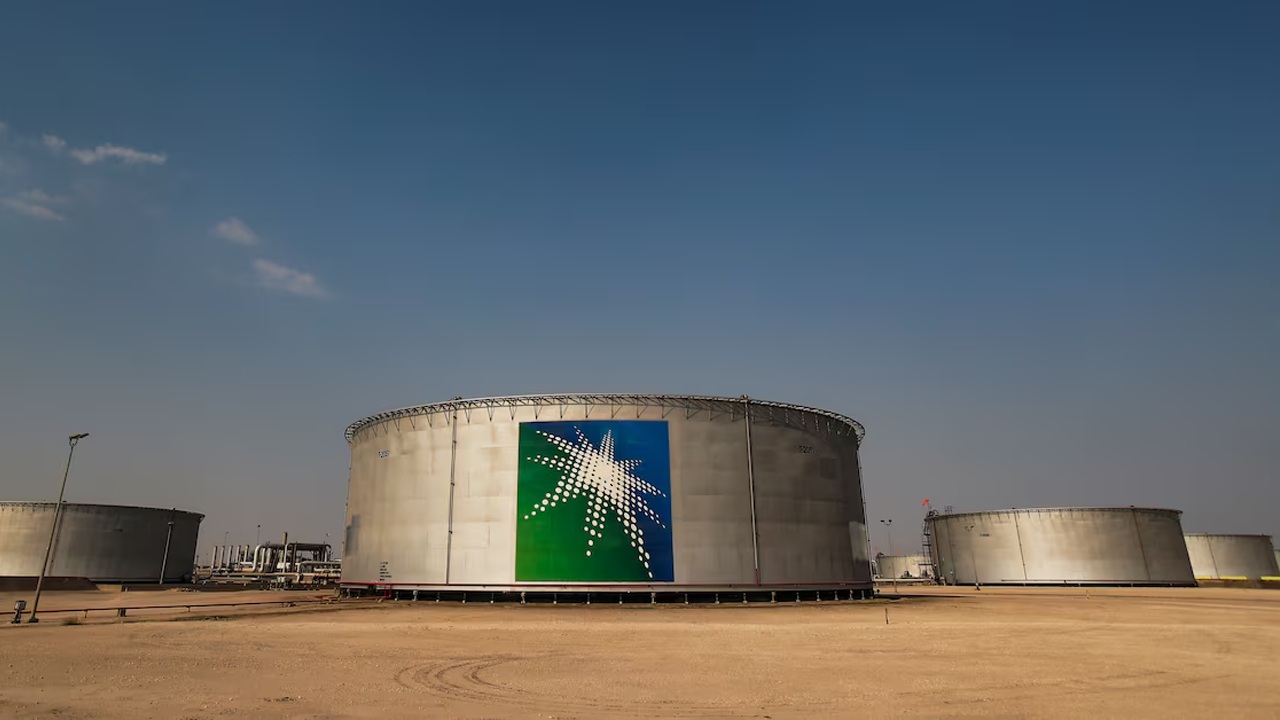
Darwin, October 27: Saudi Arabia plans to store crude oil at Singapore’s Jurong Rock Caverns to strengthen the security of energy supplies across Asia. The…

Darwin, October 27: Shahj alal Rumi, the father of a child who was allegedly sexually abused at a madrasa in Tongi, Gazipur, near the Bangladeshi…

Darwin, October 25: Australia’s new international airport has opened to passengers in Sydney. Passenger flights began operating on Sunday (October 25) from Western Sydney International…

Darwin, October 25: The United States could launch fresh attacks on Iran as early as today. President Donald Trump said on Saturday, local time, that military…

Darwin, October 25: Global oil prices surged by more than $3 a barrel to above $116, reaching their highest level in six months, amid concerns…
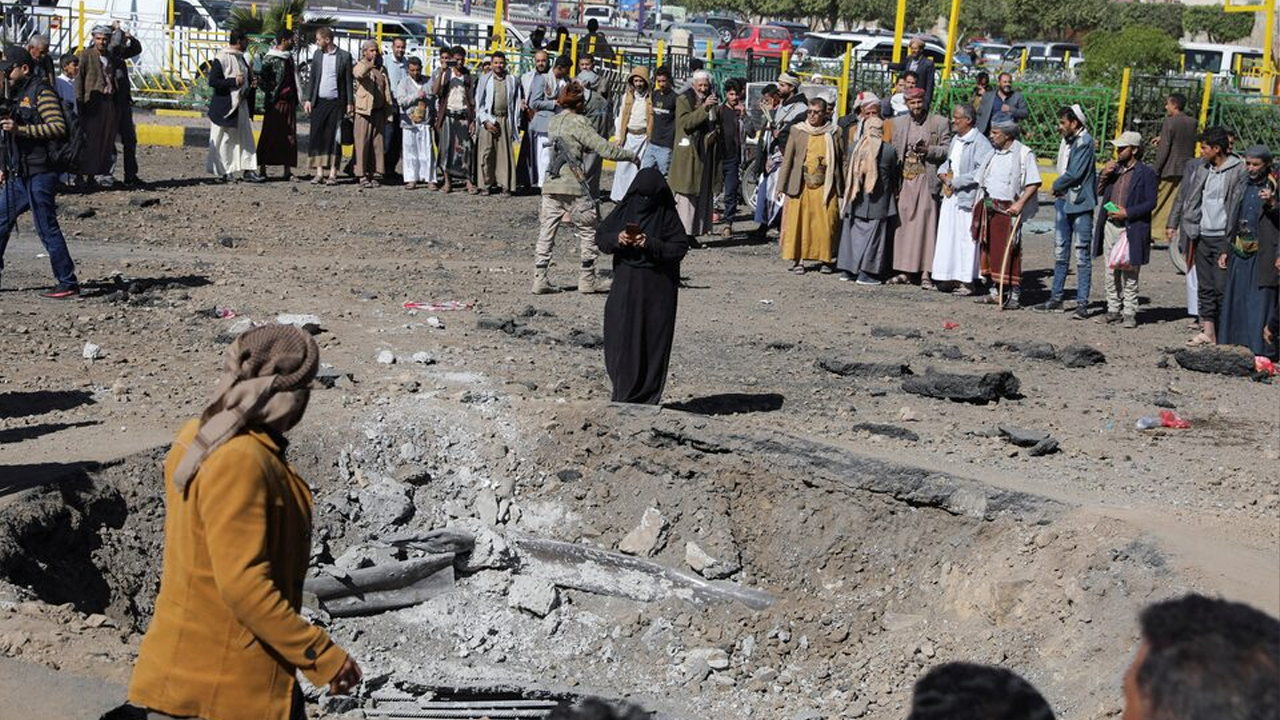
Darwin, October 25: At least nine people, including women and children, have been killed in two days of airstrikes in Yemen, according to the Iran-backed…

Darwin, October 21: Oil prices rose in global markets on Wednesday as traders grew concerned about potential disruptions to oil supplies in the Middle East,…
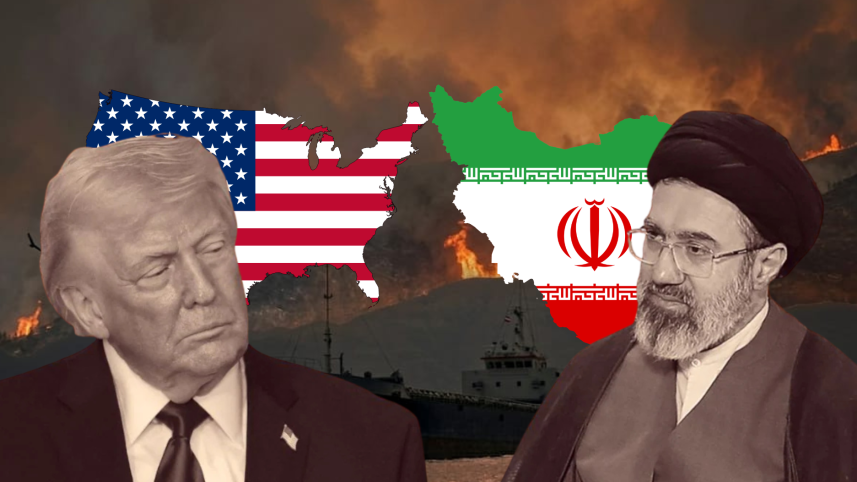
Darwin, October 21: Iran is prolonging negotiations with Washington in an attempt to politically weaken President Donald Trump ahead of the US midterm elections, according…