US Forces to Leave Iraq After Two Decades and 4,500 Military Deaths
Darwin, September 30 : The United States is preparing to withdraw its military forces from Iraq after more than two decades of war and the…



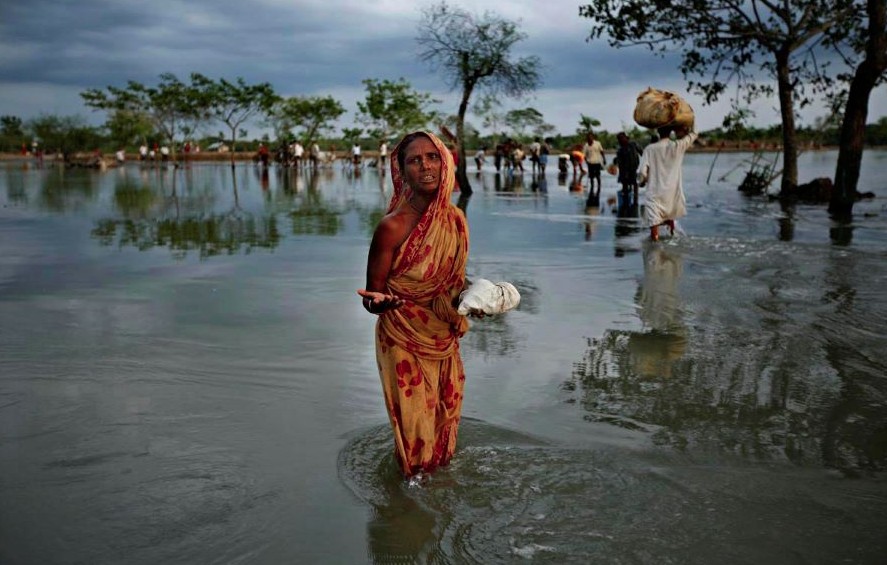
Melbourne, July 24— A country can now sue another for compensation for the effects of climate change, according to a groundbreaking ruling by a top United Nations court.
However, the International Court of Justice (ICJ) has suggested that determining the specific cause of climate change and who is responsible for it might be challenging.
While the ruling is not binding, legal experts believe it could have widespread consequences.
For countries that are extremely vulnerable to climate change, this could be seen as a victory. Especially for those countries that, due to slow global progress in addressing the issue, had become frustrated and took their case to court.
The unprecedented case was first raised in 2019, when a group of young law students from the low-lying Pacific islands, facing the brunt of climate change, proposed the idea.
One of those students was Tonga’s Siosiua Veikune, who had traveled to The Hague in the Netherlands to hear the court’s decision.
He told BBC News, “I was lost for words. It’s incredibly thrilling. There’s a storm of emotions among us. It’s a victory we can proudly bring back to our community.”
Vanuatu, one of the most vulnerable countries to extreme weather worldwide, also expressed its feelings.
Vanuatu’s student Flora Vanuo said, “Tonight, I will sleep peacefully. The international court has acknowledged the suffering we’ve endured. This is the result of our pain and the right to our future.”
“This victory isn’t just for us, but for every country facing losses. It’s for those fighting to have their voices heard.”
The ICJ, considered the world’s highest court, has jurisdiction over these matters globally.
Lawyers informed BBC News that this opinion could be cited in national courts as early as next week.
Climate activists and lawyers are hopeful that this landmark decision will ease the path for obtaining compensation from countries historically responsible for global warming through excessive fossil fuel burning.
Many developed countries had failed to fulfill their promises in addressing the growing issue, leading to frustration in poorer nations, who also supported this lawsuit.
However, the UK and other developed nations had previously argued that no legal obligation should be imposed, claiming that existing climate agreements, such as the 2015 Paris Agreement, were sufficient.
The court rejected this argument on Wednesday.
Judge Yuji Iwasawa stated that if countries do not prepare the most ambitious plans to tackle climate change, it would constitute a breach of their commitments under the Paris Agreement.
He further stated that this opinion would apply as a broader international law.
This means that even countries that have not signed the Paris Agreement, or wish to withdraw from it like the United States, will still need to address climate issues and environmental protection.
While advisory in nature, the ICJ’s previous decisions have been implemented by governments. One example is when the UK agreed to transfer the Chagos Archipelago to Mauritius last year.
Senior attorney Joey Chowdhury from the Center for International Environmental Law (CIEL) described the ruling as “an important legal moment,” adding, “Through this historic ruling, the International Court of Justice has ensured an extraordinary step outside of usual conduct. Victims of climate disasters have the right to redress, which includes compensation.”
A spokesperson from the UK’s Foreign, Commonwealth and Development Office mentioned to BBC that they need “more time” to comment on this issue. However, they stressed that addressing climate change impacts remains a “top priority” globally, which they believe can be achieved through existing UN climate agreements and processes.
The court ruled that developing countries have the right to demand compensation for the effects of climate change, such as destroyed buildings and infrastructure. Additionally, governments can seek compensation where the recovery of a country’s land is not possible.
However, the judge noted that the matter should be decided on a case-by-case basis, as it may pertain to specific extreme weather events.
Jennifer Robinson, a barrister representing Vanuatu and the Marshall Islands, stated, “This is a huge victory for climate-vulnerable states. For Vanuatu, this is also a massive win, as they led this case.”
Although the exact amount of compensation remains unclear, an analysis previously suggested that from 2000 to 2019, climate change caused $2.8 trillion in losses, equating to $16 million per hour.
During hearings in December, the court heard testimonies from several displaced people in the Pacific islands due to rising sea levels caused by climate change.
The Marshall Islands had claimed it would cost $9 billion to adapt to climate change.
Ms. Robinson remarked, “For the Marshall Islands, it’s not just $9 billion. Climate change is a problem they did not cause, yet they’ve been forced to consider relocating their capital.”
Along with compensation, the ruling also included a point about holding governments accountable for companies influencing climate change.
Lawyers speaking to BBC suggested that developing nations are already considering referencing the ICJ’s opinion to file new lawsuits against wealthy or high-emission countries for compensation.
However, countries can only bring such cases against those who have agreed to the ICJ’s jurisdiction. For instance, while the UK is included, countries like the United States and China are not.
Joey Chowdhury from CIEL explained that the ICJ’s opinion could be cited in courts worldwide, both national and international.
Countries may also choose to take their cases to domestic courts where such nations are accountable, such as U.S. federal courts.
The question remains, though, whether such decisions will be respected.
Climate barrister Harz Narulla, representing the Solomon Islands, explained, “This is an institution that is subject to geopolitics, and it ultimately depends on the states. It doesn’t have a police force.”
When asked about this decision, a spokesperson for the White House said, “As always, President Trump and the entire administration are committed to putting America first and prioritizing the interests of ordinary Americans.”

Darwin, September 30 : The United States is preparing to withdraw its military forces from Iraq after more than two decades of war and the…
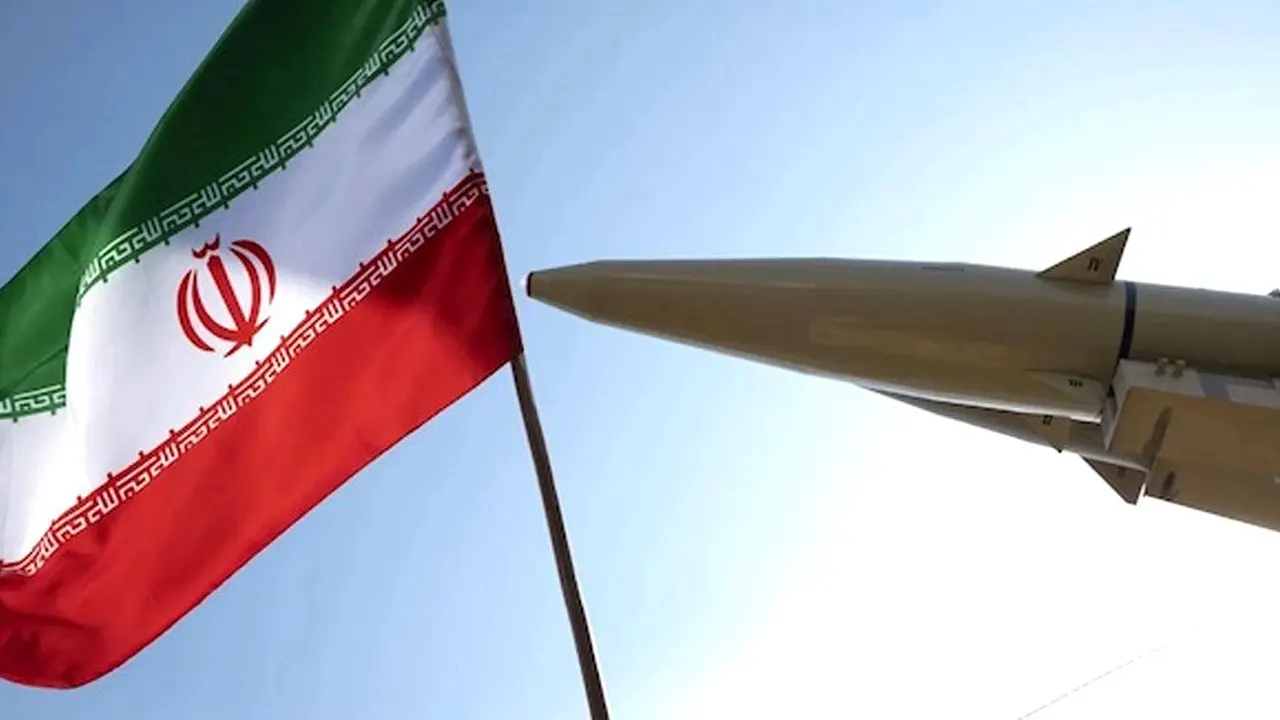
Darwin, September 30: Russia has urged Iran not to withdraw from the Treaty on the Non-Proliferation of Nuclear Weapons (NPT), calling on Tehran to remain…
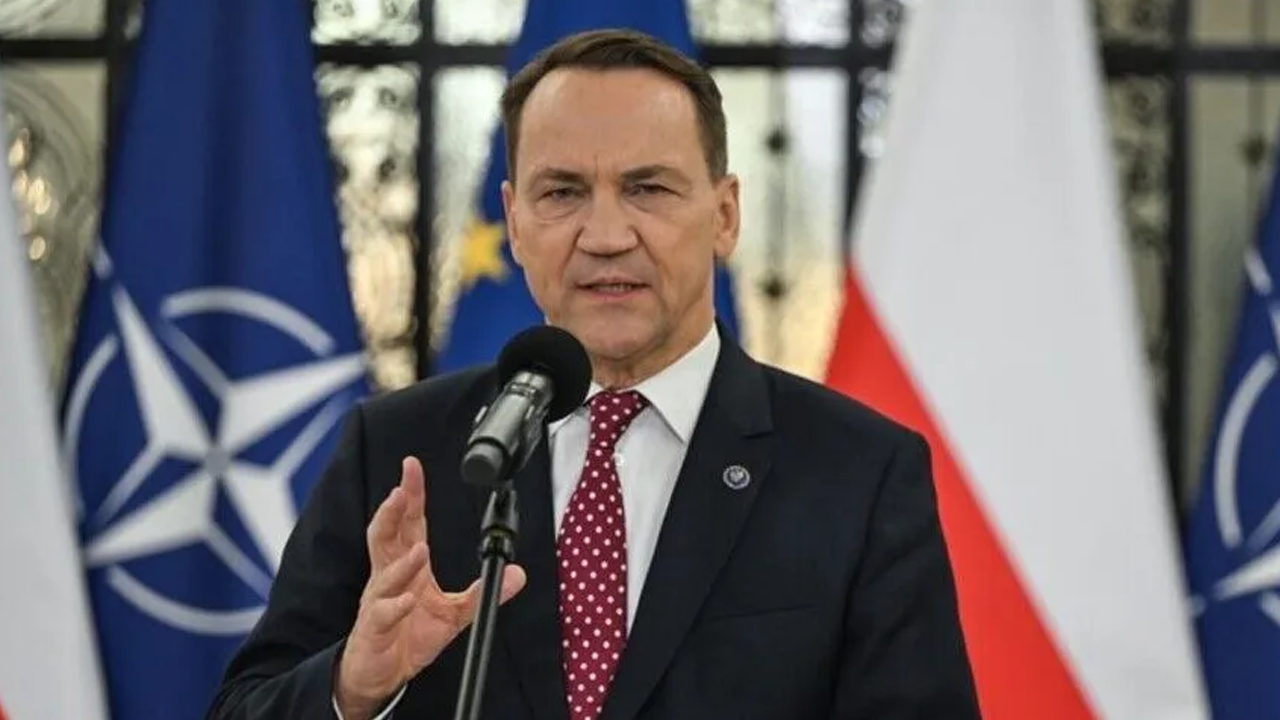
Darwin, September 30: Russia currently lacks sufficient military capability to launch a major attack against NATO because its forces are engaged in the war in…

Four personnel of India’s Central Industrial Security Force (CISF), including an officer, were killed after a colleague allegedly opened fire on them at a hydropower…

Darwin, September 25: The Netherlands is seeking to build an international coalition to evacuate at least 1,000 sick and injured children from Gaza for medical treatment,…

Darwin, September 25: Police arrested at least 100 people, including Oscar-winning actress Susan Sarandon, during a protest against Israeli Prime Minister Benjamin Netanyahu outside the…
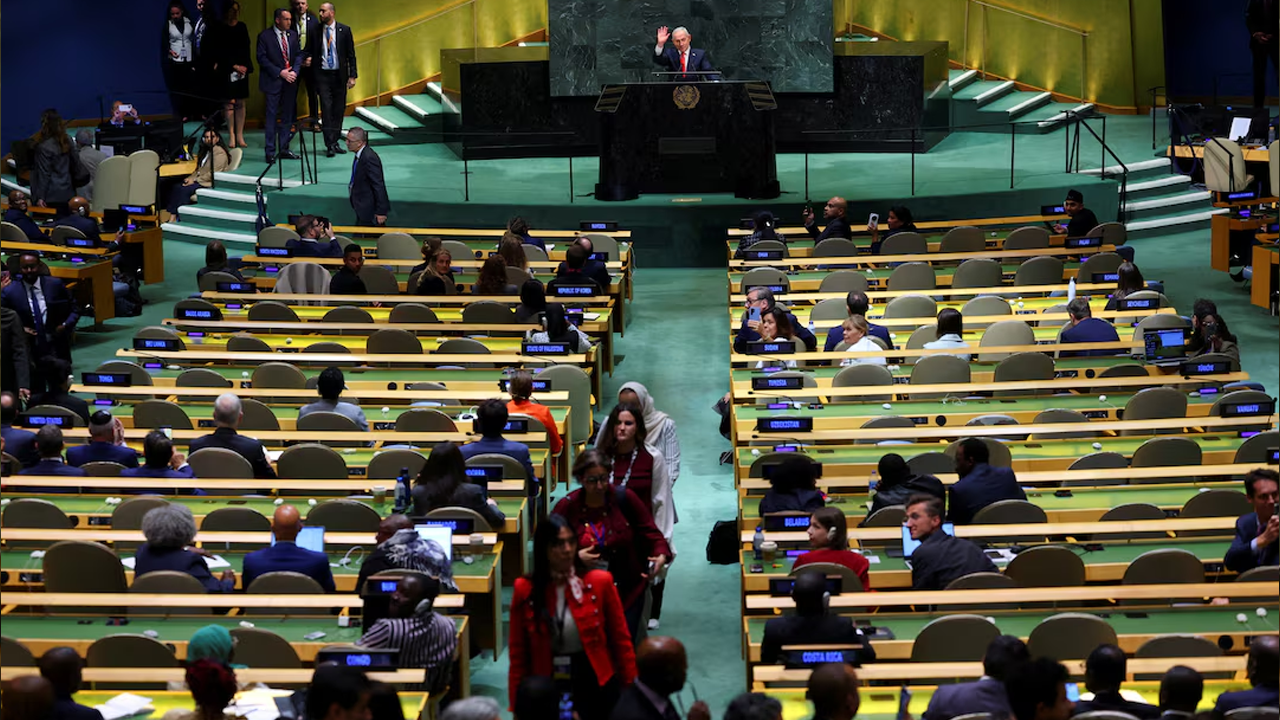
Darwin, September 25: Representatives from Bangladesh and 76 other countries walked out of the United Nations General Assembly hall as Israeli Prime Minister Benjamin Netanyahu…
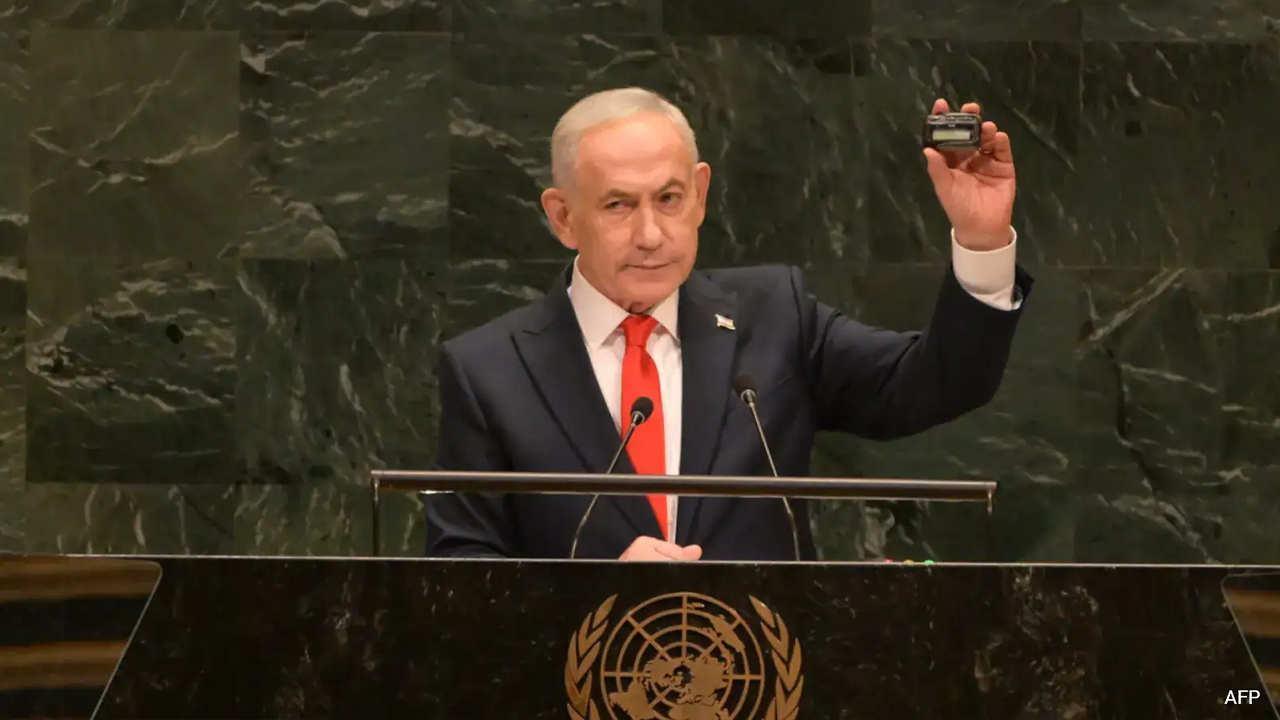
Darwin, September 25 : Israeli Prime Minister Benjamin Netanyahu brought a pager to the United Nations General Assembly while delivering a speech, using it to highlight…