Ten Injured After Car Ploughs Into Rugby League Fans in Australia
Darwin, October 04: Ten people, including three children, have been injured after a car crashed into a crowd of rugby league fans in Newcastle, eastern…



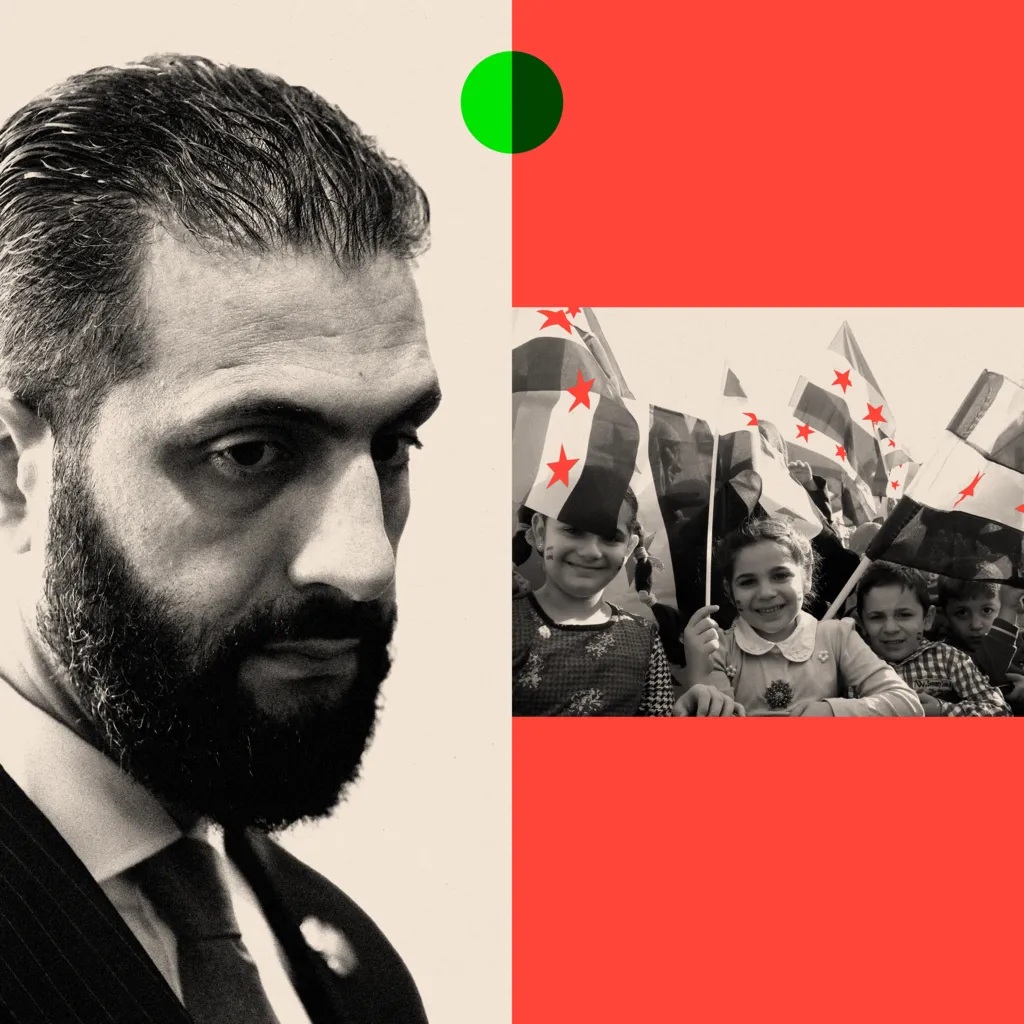
Syria Just a year ago, the war in Syria seemed firmly in the control of President Bashar al-Assad. Today, the country’s reality has been dramatically inverted: Assad is in gilded exile in Russia, and his successor as Syria’s interim president is Ahmed al-Sharaa, the man formerly known as Abu Mohammed al-Jolani.
Sharaa, whose nom-de-guerre reflects his family roots in the Golan Heights, led his militia, Hayat Tahrir al-Sham (HTS), in a lightning-fast offensive that saw government troops “melt away,” culminating in the rapid capture of Aleppo and the final storming of Damascus. This starkly contrasts with the brutal, years-long sieges that marked the earlier phases of the war, where Russian airpower was decisive for the regime.Now established in the presidential palace—a symbol of the former regime’s “all-seeing power”—Sharaa is focused on shedding his former identity as a senior al-Qaeda and Islamic State commander.
He is undertaking a calculated campaign to present himself as a pragmatic leader capable of governing for all Syrians, including the country’s spectrum of religious sects (Sunnis, Alawites, Druze, and Christians). This campaign has found some success abroad: Saudi Arabia’s Crown Prince arranged a meeting between Sharaa and US President Donald Trump, who later called him a “young attractive tough guy.”However, the transition is fraught with domestic challenges.
Sharaa’s authority does not extend to the north-east, which is controlled by Kurdish forces, or parts of the south where Druze minorities seek a separate state backed by Israel. Alawites, Assad’s minority sect, fear repeat massacres, and Christians struggle to overlook Sharaa’s jihadist past.
In an interview following the fall of the regime, Sharaa, having discarded his combat fatigues for a smart jacket, insisted that his new administration would govern for all Syrians, stating the country was exhausted by war and posed no threat to the West.
This ideological pivot has earned him enemies on both sides: Israel has dismissed his assurances, while jihadist hardliners, particularly a weakened Islamic State (IS), have branded him a traitor and an “apostate” for agreeing to join the US-led coalition against IS. IS social media channels continue to accuse him—without proof—of being an agent of Western powers. Despite recent small-scale IS attacks on government-controlled cities, analysts indicate IS’s presence in Syria remains severely weakened.

Darwin, October 04: Ten people, including three children, have been injured after a car crashed into a crowd of rugby league fans in Newcastle, eastern…
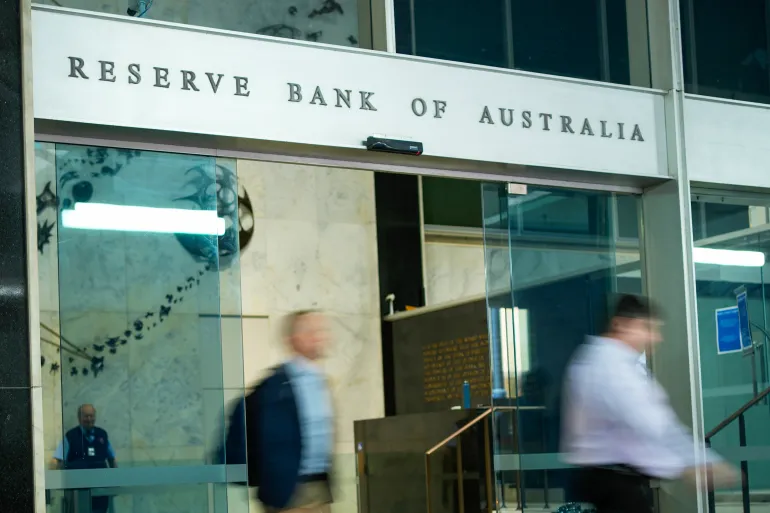
Darwin, October 4: Australia’s central bank has raised interest rates to their highest level in 15 years, increasing mortgage repayments for millions of Australian households….
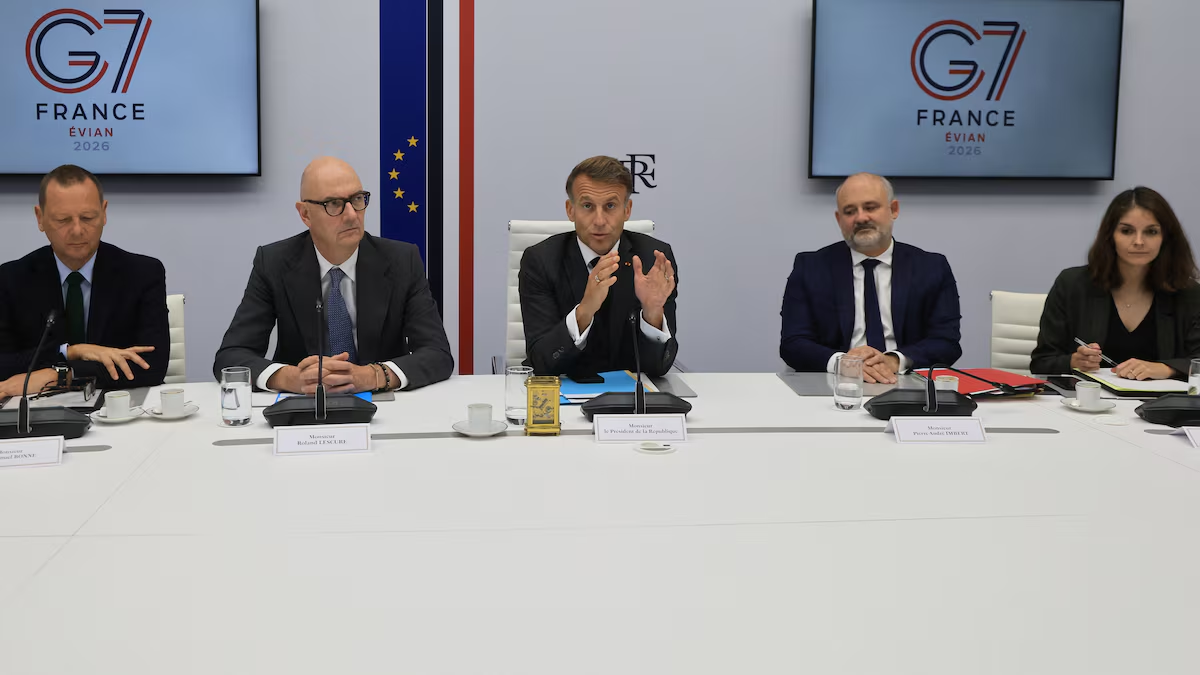
Darwin, October 3: Under pressure from US President Donald Trump to bring down rising fuel prices, G7 leaders are set to release up to 100…
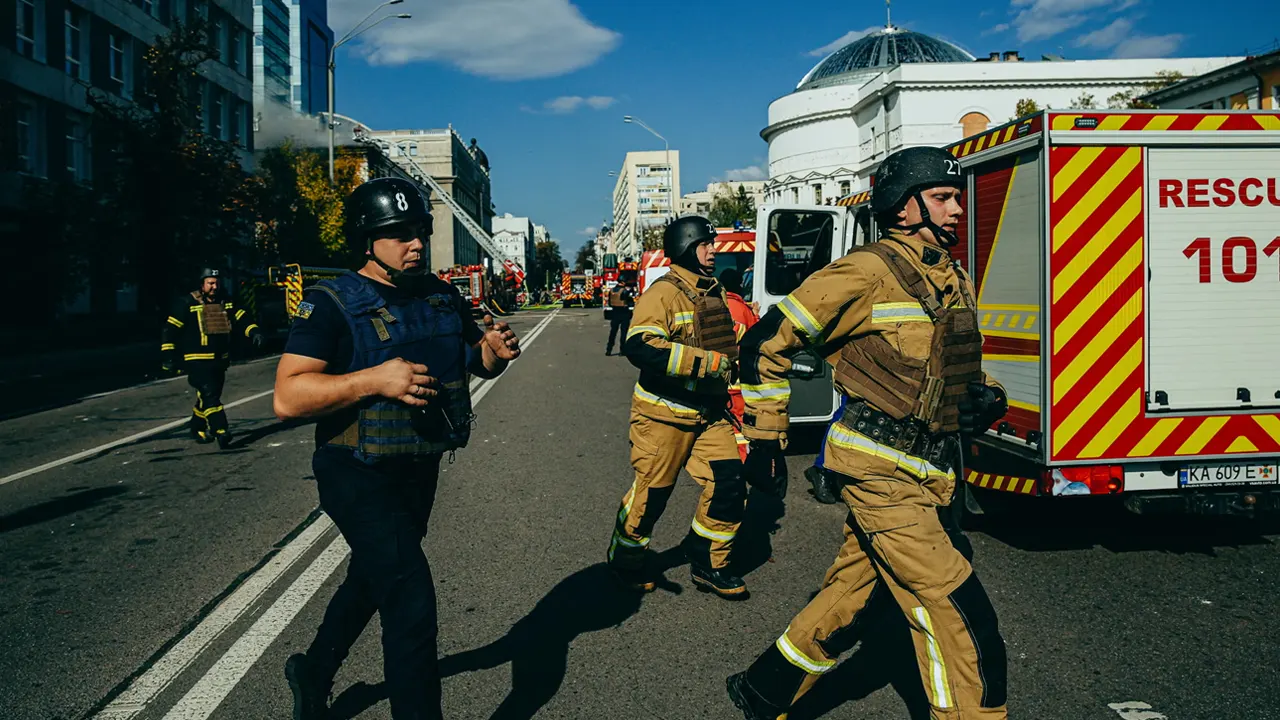
Darwin, October 3: Russia’s daily attacks are filling the lives of Kyiv residents with fear and uncertainty. From schools and hospitals to bridges, power plants…
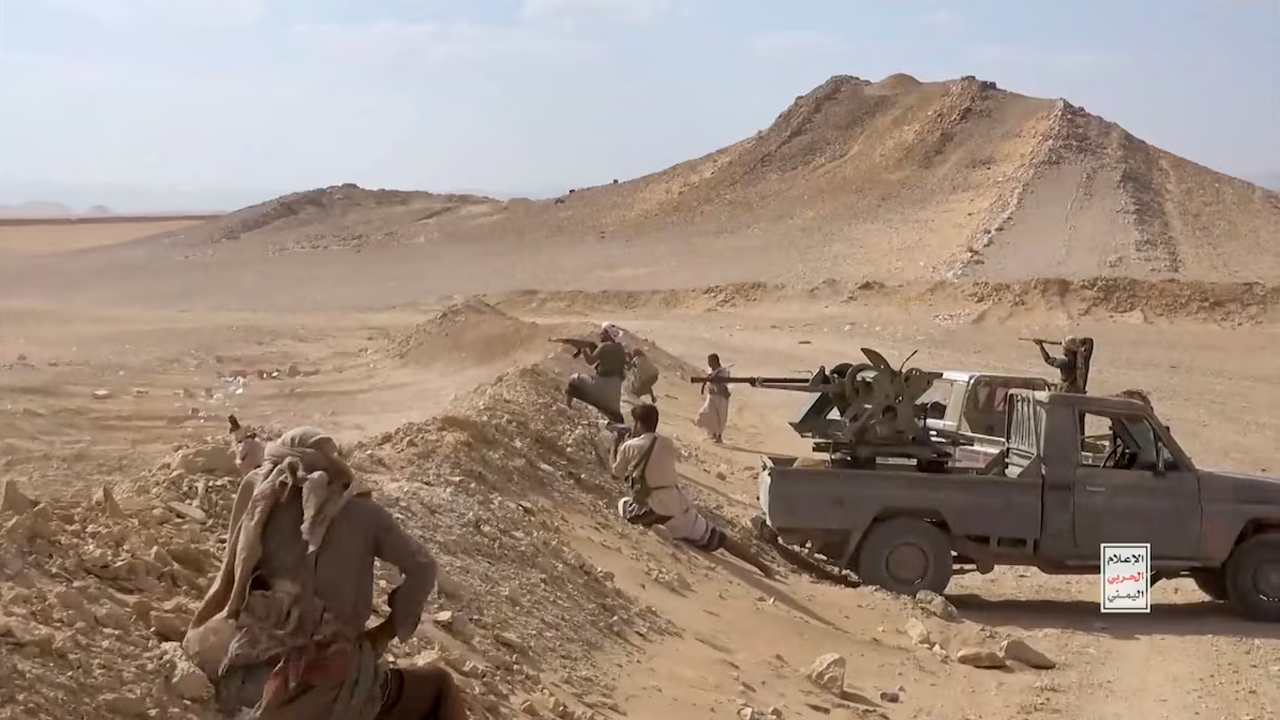
Darwin, October 3: At least 80 fighters have been killed over the past 24 hours in fierce fighting between Iran-backed Houthi rebels and Saudi-backed government…
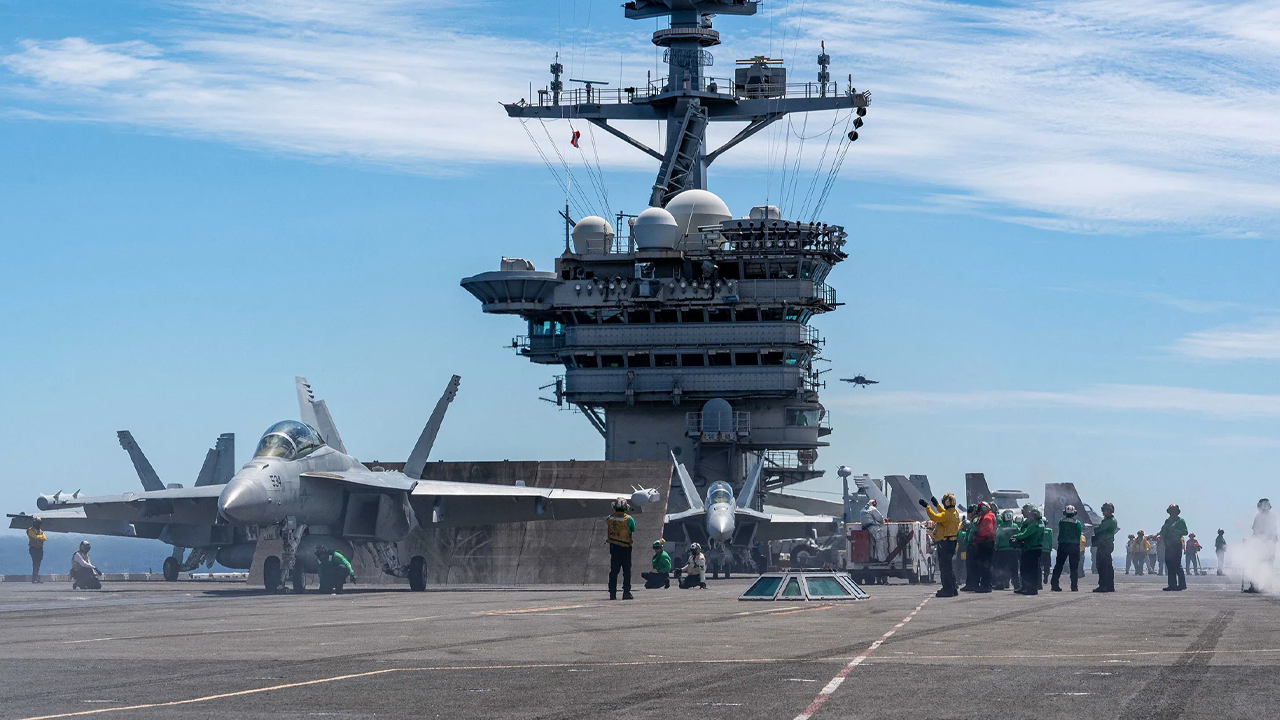
Darwin, October 3: As the Iran war enters its eighth month, the United States is sending a third aircraft carrier strike group to waters near…
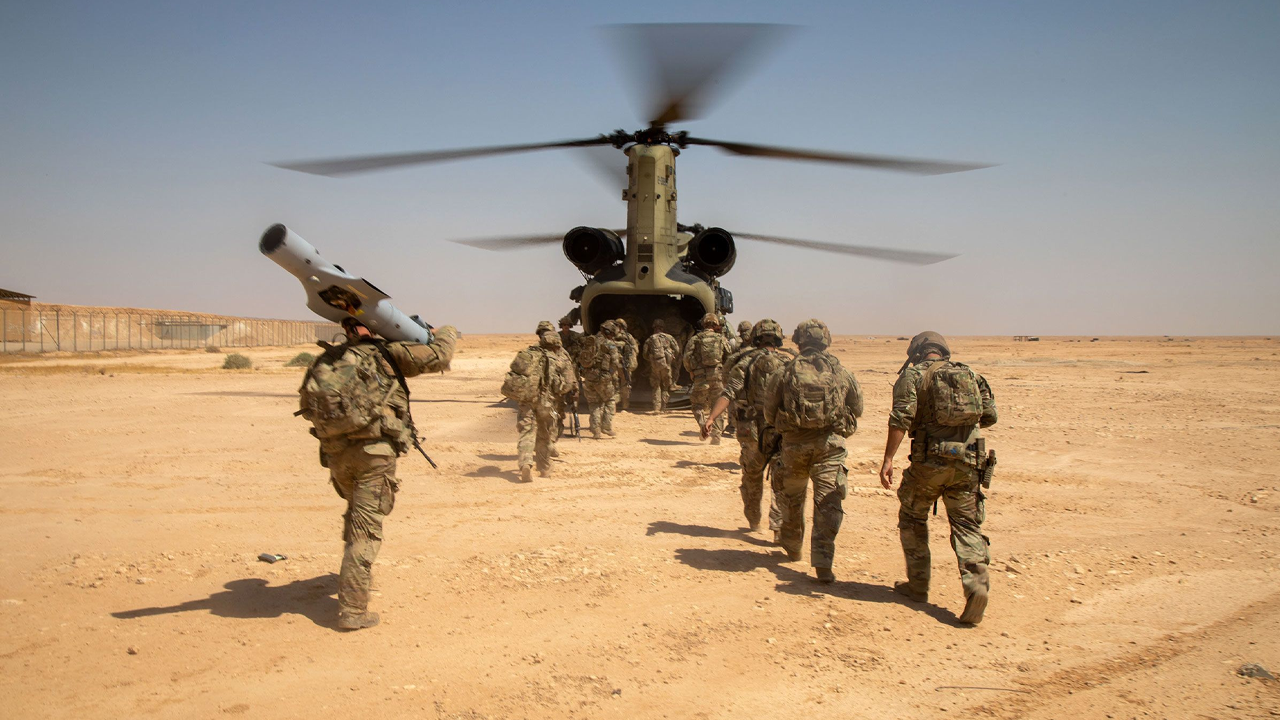
Darwin, September 30 : The United States is preparing to withdraw its military forces from Iraq after more than two decades of war and the…
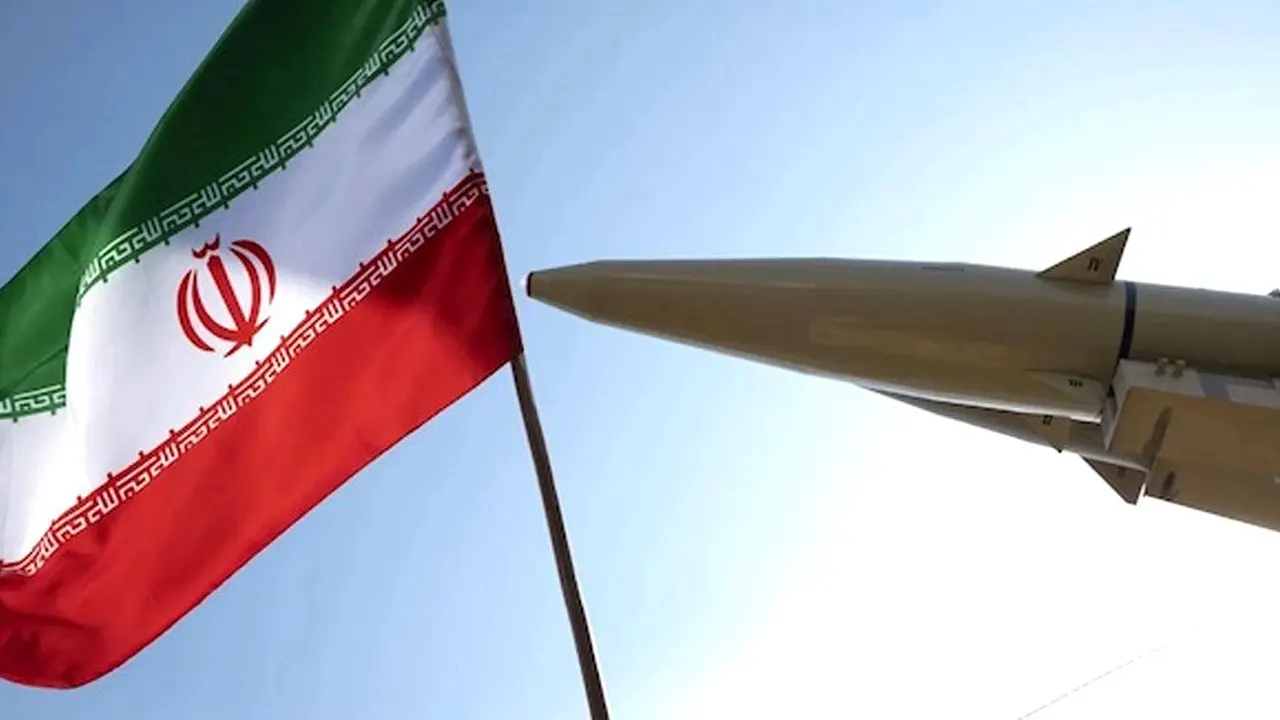
Darwin, September 30: Russia has urged Iran not to withdraw from the Treaty on the Non-Proliferation of Nuclear Weapons (NPT), calling on Tehran to remain…