Ten Injured After Car Ploughs Into Rugby League Fans in Australia
Darwin, October 04: Ten people, including three children, have been injured after a car crashed into a crowd of rugby league fans in Newcastle, eastern…



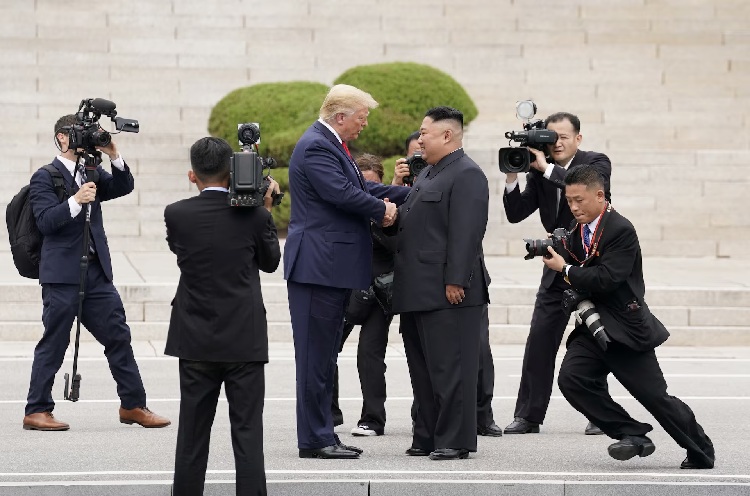
SEOUL: The U.S. policy landscape toward North Korea is undergoing a potential strategic shift after President Donald Trump’s new global security roadmap conspicuously omitted any reference to “denuclearizing” Pyongyang. This long-held goal has been a constant in U.S. strategy documents since 2003, and its removal is fueling intense speculation that Washington is angling to restart high-level diplomatic talks with Kim Jong-un in 2026.
The document, which outlines Trump’s vision of “flexible realism,” focuses heavily on containing conflict with China by boosting the military strength of allies like South Korea and Japan. The omission of North Korea’s nuclear program is seen by analysts as a conscious diplomatic move.
“I think there is a certain degree of conscious intent there, that the idea of denuclearization… really doesn’t need to be brought up here,” said Hong Min of the Korea Institute for National Unification.
This signal directly addresses Kim Jong-un’s firm precondition for talks. Kim told parliament in September that “denuclearisation is the last, last thing to expect from us,” and insisted that he and Trump would have to meet as equal leaders of nuclear states.
Kim believes that if the U.S. can free itself from the “absurd pursuit of others’ denuclearisation and recognising the reality,” then genuine peaceful coexistence becomes possible. Analysts suggest that new peace talks would significantly cement Kim’s standing at home and legitimize his delivery of nuclear status to his impoverished nation.
While both South Korea and the United States officially denied any policy shift, emphasizing that denuclearization remains the ultimate goal, the language change speaks volumes. Trump has already spoken of his willingness to sit down with the North Korean leader in a “proactive” way, indicating a desire to “get something done by taking some action.” The previous 2017 blueprint, in stark contrast, mentioned North Korea 16 times as a clear threat to the U.S. homeland.

Darwin, October 04: Ten people, including three children, have been injured after a car crashed into a crowd of rugby league fans in Newcastle, eastern…

Darwin, October 4: Australia’s central bank has raised interest rates to their highest level in 15 years, increasing mortgage repayments for millions of Australian households….

Darwin, October 3: Under pressure from US President Donald Trump to bring down rising fuel prices, G7 leaders are set to release up to 100…

Darwin, October 3: Russia’s daily attacks are filling the lives of Kyiv residents with fear and uncertainty. From schools and hospitals to bridges, power plants…
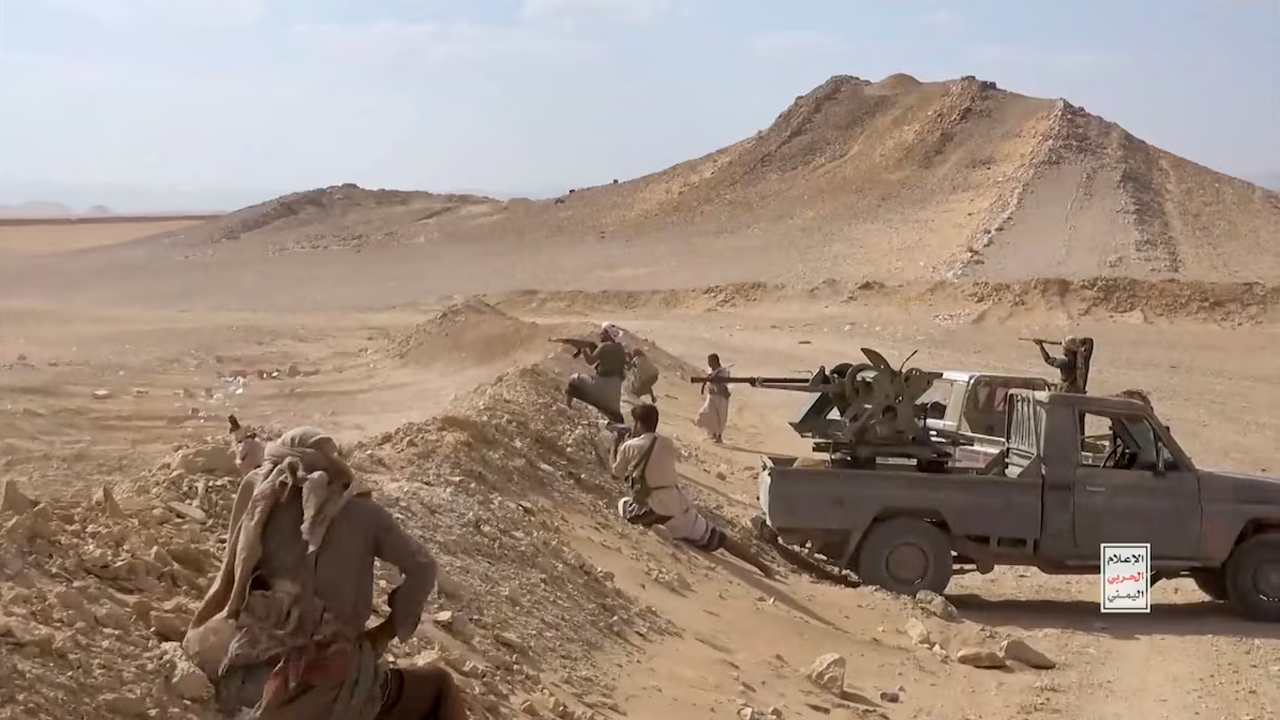
Darwin, October 3: At least 80 fighters have been killed over the past 24 hours in fierce fighting between Iran-backed Houthi rebels and Saudi-backed government…
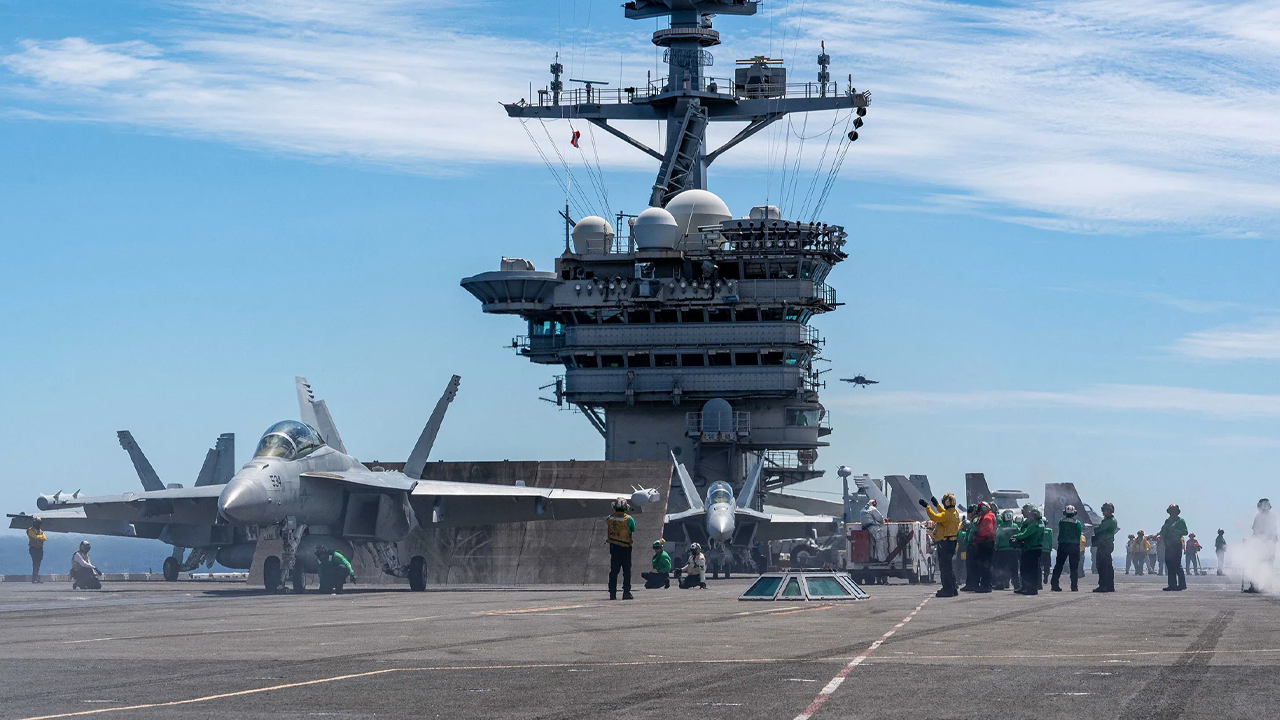
Darwin, October 3: As the Iran war enters its eighth month, the United States is sending a third aircraft carrier strike group to waters near…
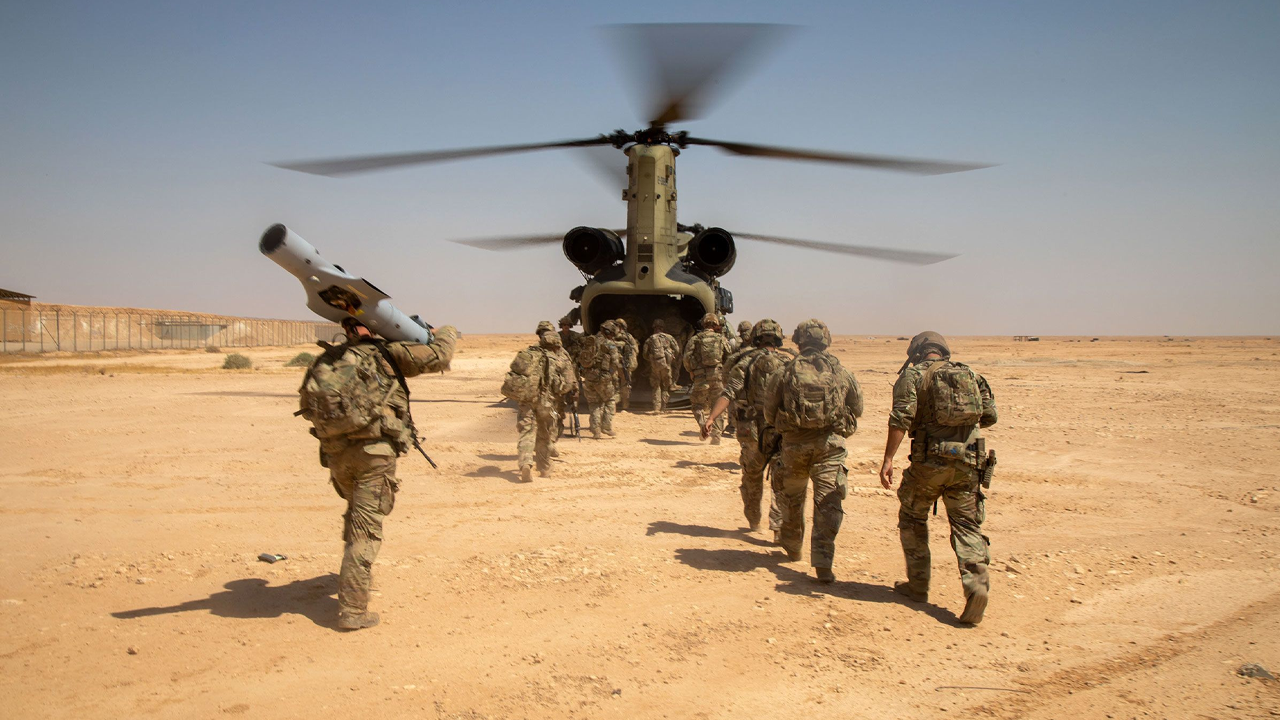
Darwin, September 30 : The United States is preparing to withdraw its military forces from Iraq after more than two decades of war and the…
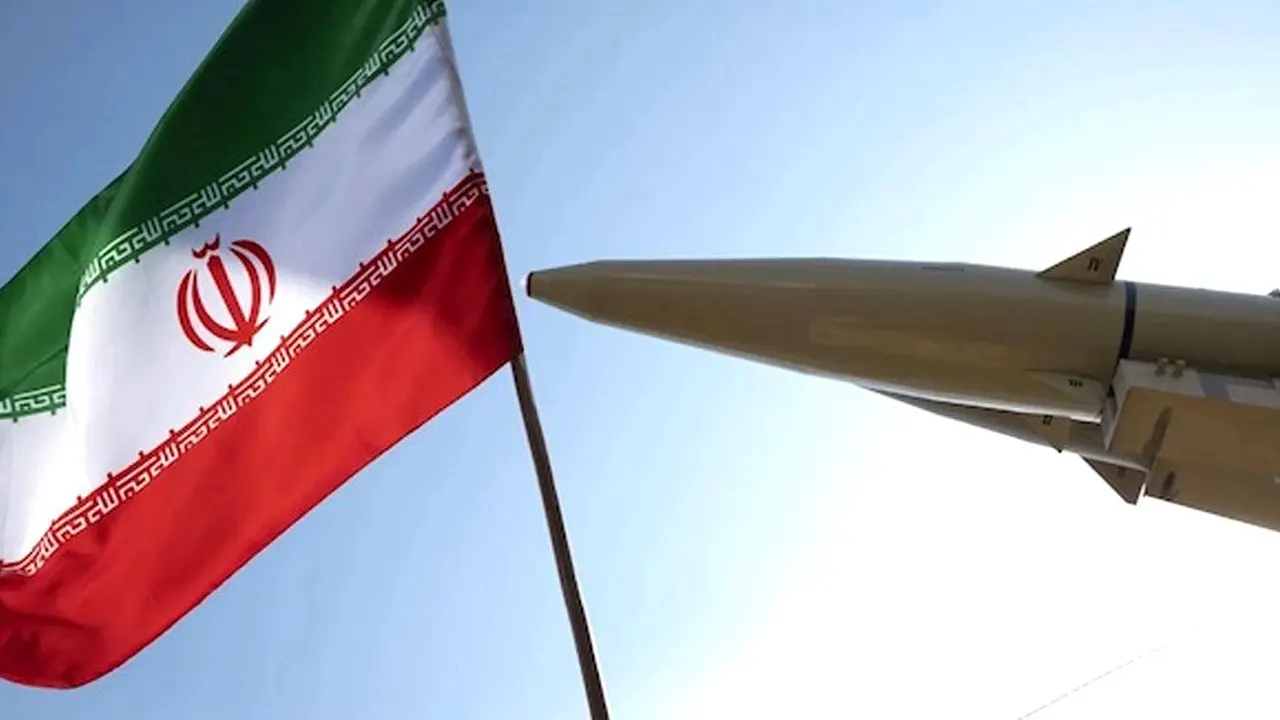
Darwin, September 30: Russia has urged Iran not to withdraw from the Treaty on the Non-Proliferation of Nuclear Weapons (NPT), calling on Tehran to remain…