Ten Injured After Car Ploughs Into Rugby League Fans in Australia
Darwin, October 04: Ten people, including three children, have been injured after a car crashed into a crowd of rugby league fans in Newcastle, eastern…



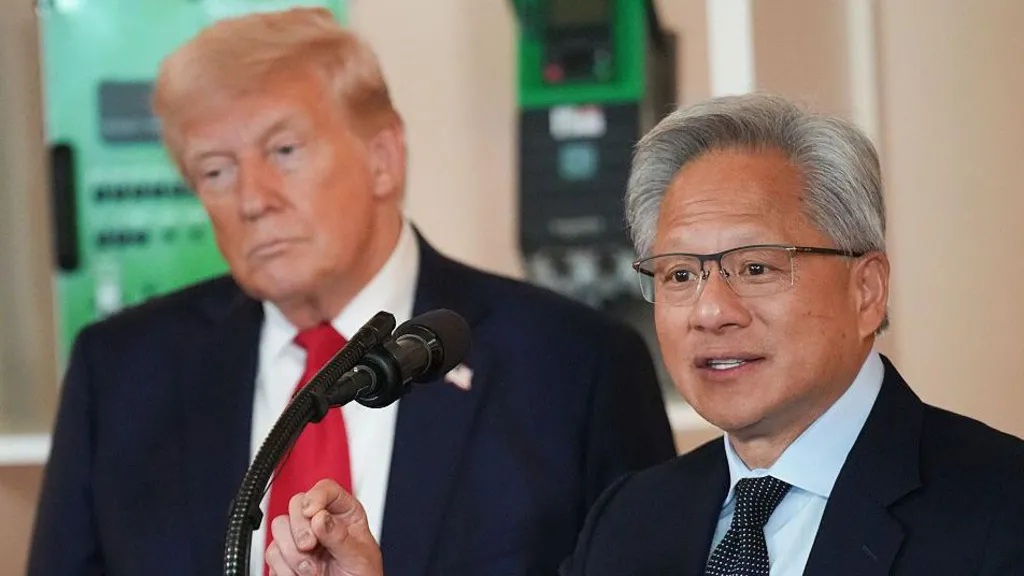
SAN FRANCISCO: In a major win for the U.S. technology sector, President Donald Trump announced on Monday that AI chip giant Nvidia will be permitted to sell its advanced H200 semiconductors to “approved commercial customers” in China. The decision, which also applies to rivals like AMD, partially reverses the previous ban on advanced chip exports to Beijing.
The reversal follows extensive lobbying efforts by Nvidia boss Jensen Huang, and comes with a highly unusual financial condition: Trump declared in a social media post that “25% [sic] will be paid to the United States of America.”
Nvidia, the world’s most valuable company, immediately praised the decision, which caused its shares to rise slightly. “Offering H200 to approved commercial customers, vetted by the Department of Commerce, strikes a thoughtful balance that is great for America,” Nvidia said in a statement.
Trump justified the move by stating the policy will “protect National Security, create American Jobs, and keep America’s lead in AI.” The decision also creates leverage for the U.S. in broader trade negotiations. Alex Capri from the National University of Singapore noted that the sale “buys time” for the U.S. to negotiate a deal with Beijing over rare earths, minerals essential for electronics production, where China holds a near-monopoly on processing.
The H200 is one generation behind Nvidia’s most advanced chip, the Blackwell, ensuring the U.S. maintains a critical technological lead while still allowing competition in the vast Chinese market. CEO Jensen Huang has repeatedly warned that China is close behind the U.S. in chip development and needs access to the technology to prevent it from fully developing a domestic replacement.
Despite the concession, analysts expect China to continue efforts to reduce dependence on the U.S. Beijing had previously directed local tech firms to reject Nvidia’s older chips and encouraged the purchase of domestically produced alternatives. While H200 access will benefit China’s technology sector, the long-term goal remains self-sufficiency.

Darwin, October 04: Ten people, including three children, have been injured after a car crashed into a crowd of rugby league fans in Newcastle, eastern…
Darwin, October 4: Australia’s central bank has raised interest rates to their highest level in 15 years, increasing mortgage repayments for millions of Australian households….
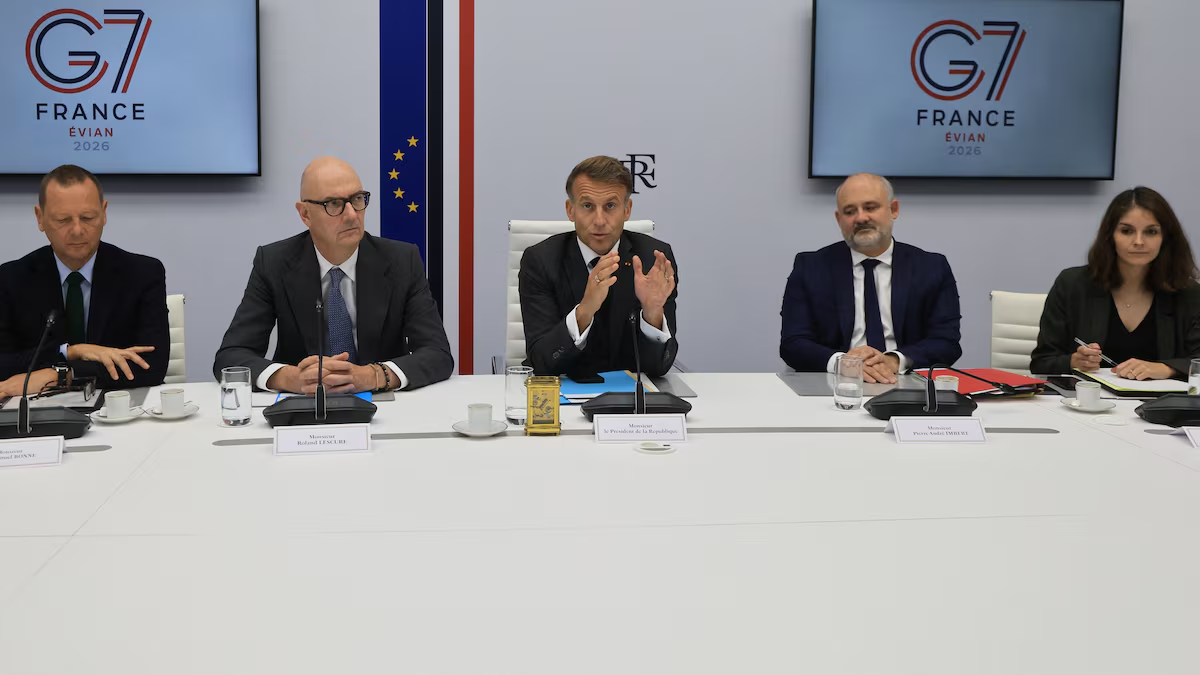
Darwin, October 3: Under pressure from US President Donald Trump to bring down rising fuel prices, G7 leaders are set to release up to 100…

Darwin, October 3: Russia’s daily attacks are filling the lives of Kyiv residents with fear and uncertainty. From schools and hospitals to bridges, power plants…

Darwin, October 3: At least 80 fighters have been killed over the past 24 hours in fierce fighting between Iran-backed Houthi rebels and Saudi-backed government…
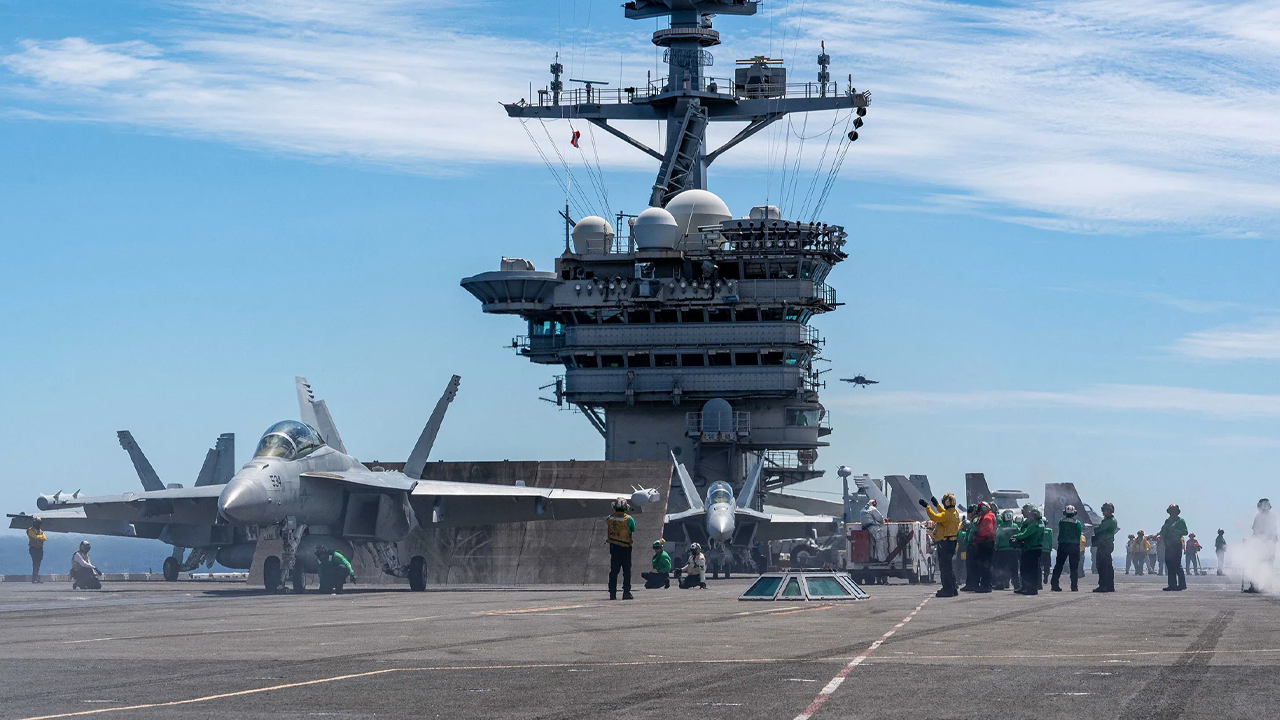
Darwin, October 3: As the Iran war enters its eighth month, the United States is sending a third aircraft carrier strike group to waters near…
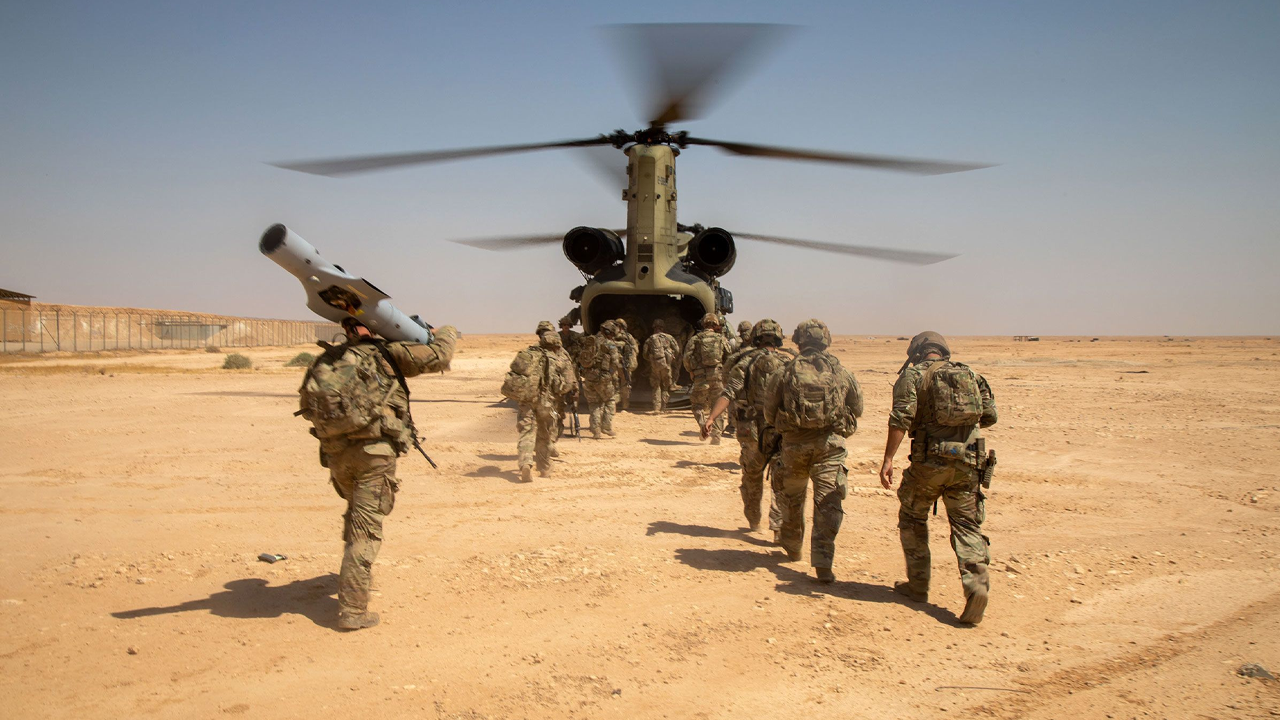
Darwin, September 30 : The United States is preparing to withdraw its military forces from Iraq after more than two decades of war and the…
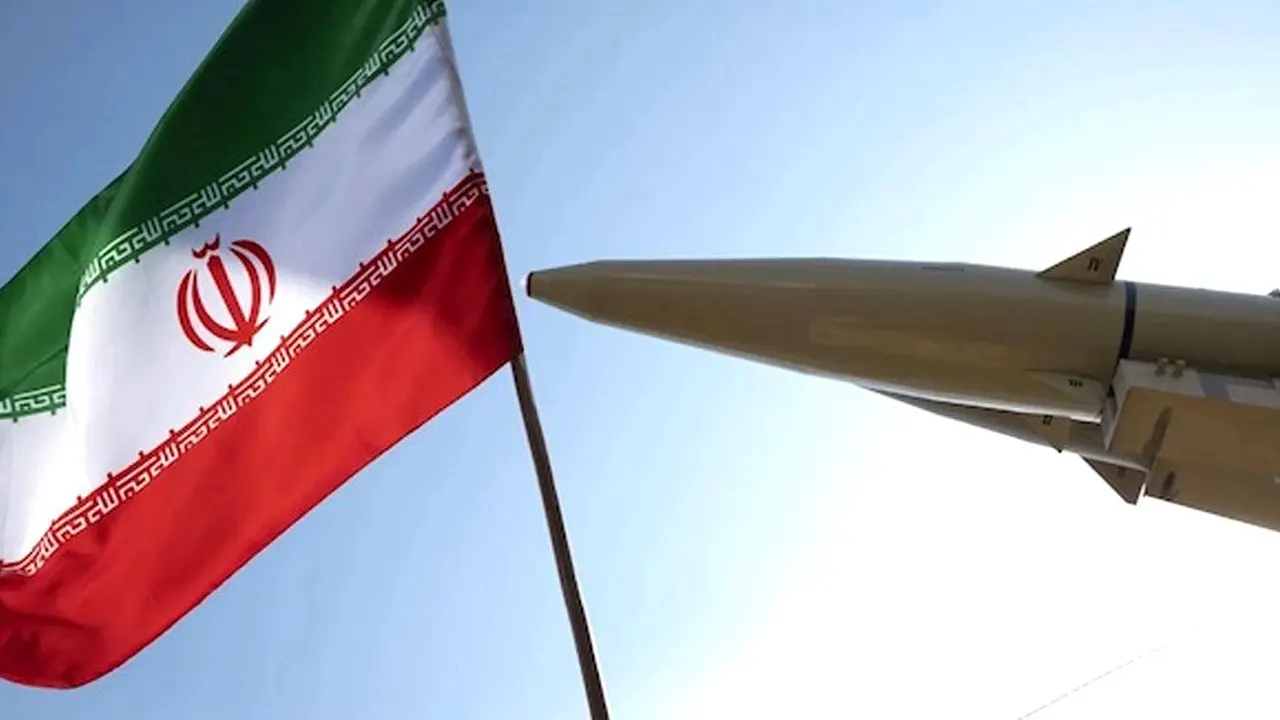
Darwin, September 30: Russia has urged Iran not to withdraw from the Treaty on the Non-Proliferation of Nuclear Weapons (NPT), calling on Tehran to remain…