Deaths in Australia Expected to Outnumber Births by the 2060s, Report Says
Darwin, October 05: Deaths in Australia are expected to outnumber births by the 2060s, according to a government report, marking a demographic milestone that countries…



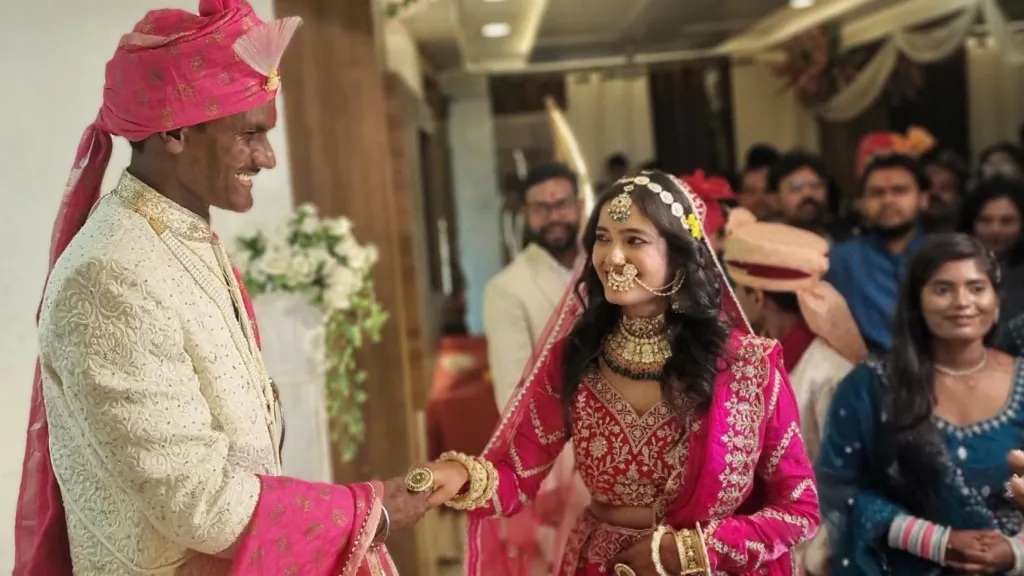
JABALPUR, INDIA: When Rishabh Rajput and Sonali Chouksey, a couple who met and fell in love in college 11 years ago, shared photos from their wedding last month, they expected congratulations. Instead, they were met with a torrent of online abuse that highlighted one of India’s most persistent social ailments: colourism.
The groom, Mr. Rajput, was subjected to intense shaming for his “darker skin colour,” while Ms. Chouksey, who is fairer, was relentlessly labeled a “gold-digger.” Trolls suggested she had married him solely for wealth, job security, or family influence.
“It was supposed to be a happy moment, but when I saw people’s reactions, I was really shocked,” Mr. Rajput told BBC Hindi. “In so many years that we have been together, no-one had ever told us that we were a mismatch because I have dark complexion while she is fairer.”
The episode underscores the widespread obsession with fair skin color in India, a bias that is often documented and carries significant social weight. Ms. Chouksey noted that the comments “bothered” them, revealing how deeply ingrained the prejudice remains.
The couple, who both work in private companies, have used their unexpected viral fame to address the issue head-on in scores of media interviews.
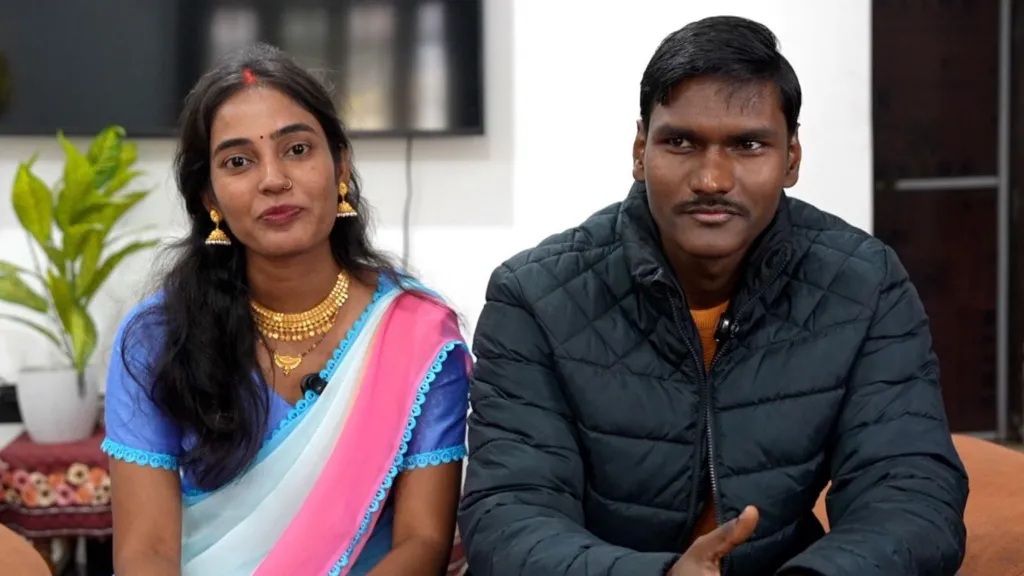
Sonali Chouksey and Rishabh Rajput met in college in 2014 and fell in love
“We live in India where people from different regions have different skin colour. And fair skin doesn’t necessarily make someone a good person. So, how can we judge someone on the basis of their skin colour?” Ms. Chouksey asked rhetorically.
Mr. Rajput was equally blunt, stating that while 70-80% of the Indian population has darker skin tones, the “Indian mentality is that fairer is better. It’s time to change that notion.”
The couple’s outrage peaked when trolls extended the abuse to their families. Mr. Rajput publicly pushed back in a post on Instagram, declaring that outsiders had “no right to target—or troll—anyone’s family.”
By facing the criticism head-on, the couple is inadvertently forcing a national dialogue about ingrained bias, asking a simple question of their critics: “When you look at us, do we look even remotely unhappy to you? We don’t. Because we have what most people don’t have. I have her and she has me.”

Darwin, October 05: Deaths in Australia are expected to outnumber births by the 2060s, according to a government report, marking a demographic milestone that countries…

Darwin, October 04: Ten people, including three children, have been injured after a car crashed into a crowd of rugby league fans in Newcastle, eastern…

Darwin, October 4: Australia’s central bank has raised interest rates to their highest level in 15 years, increasing mortgage repayments for millions of Australian households….

Darwin, October 3: Under pressure from US President Donald Trump to bring down rising fuel prices, G7 leaders are set to release up to 100…

Darwin, October 3: Russia’s daily attacks are filling the lives of Kyiv residents with fear and uncertainty. From schools and hospitals to bridges, power plants…

Darwin, October 3: At least 80 fighters have been killed over the past 24 hours in fierce fighting between Iran-backed Houthi rebels and Saudi-backed government…

Darwin, October 3: As the Iran war enters its eighth month, the United States is sending a third aircraft carrier strike group to waters near…

Darwin, September 30 : The United States is preparing to withdraw its military forces from Iraq after more than two decades of war and the…