Ten Injured After Car Ploughs Into Rugby League Fans in Australia
Darwin, October 04: Ten people, including three children, have been injured after a car crashed into a crowd of rugby league fans in Newcastle, eastern…



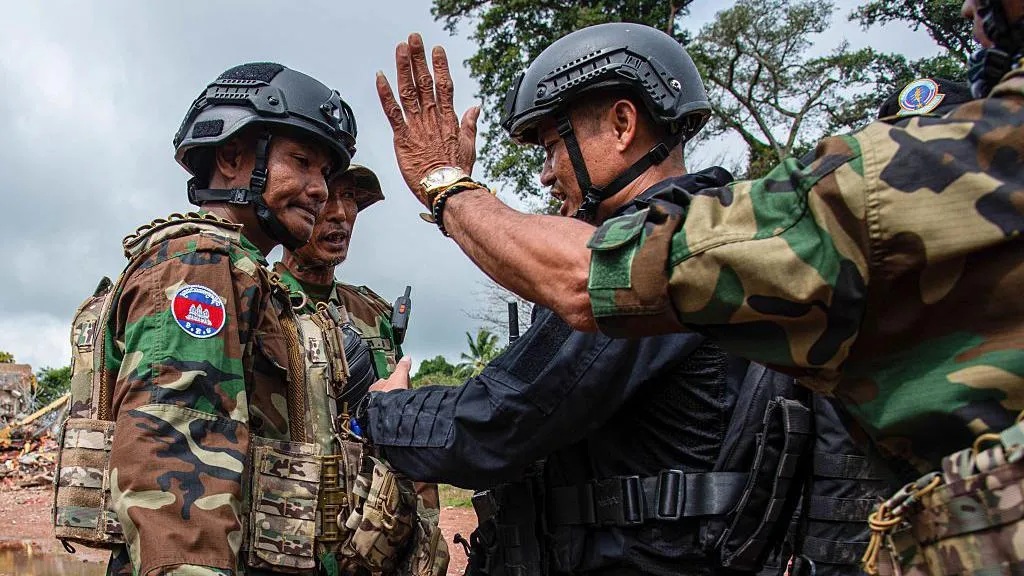
BANGKOK: The boom of artillery and rockets has returned to the Thai-Cambodian border, signaling the complete failure of the ceasefire brokered by US President Donald Trump just five months ago. A seemingly minor incident—Cambodian troops firing on a Thai engineering team on Sunday, injuring two Thai soldiers—has ignited the latest round of hostilities, forcing villages across hundreds of kilometers to evacuate for the second time this year.
The swift escalation underscores the “yawning gulf of mistrust” that even high-stakes diplomacy could not bridge.
Despite President Trump’s public claim of striking a “historic peace deal” in October, the July ceasefire was tenuous. The agreement was forced upon Thailand, which was deeply uneasy about internationalizing the century-old border dispute, by the threat of tariff negotiations being halted.
Cambodia, the smaller nation, welcomed the outside intervention, feeling it gained an advantage over bilateral negotiations with Thailand. However, Phnom Penh has been accused of bad faith since the agreement, including the laying of new landmines that have reportedly caused seven Thai soldiers to lose limbs. Furthermore, Thailand continues to refuse to release the 18 Cambodian soldiers captured in July.
Under pressure from other challenges, Thai Prime Minister Anutin Charvirakul, who heads a minority coalition, has granted the military “carte blanche” to manage the conflict. This shift in authority has led to a more aggressive, maximalist military objective.
Inflict sufficient damage on their Cambodian counterpart to ensure they can “never again threaten border communities.”
Seize control of several strategic hill-top positions to gain a military advantage in any future battles.
The army views this role—defending Thailand’s territorial claims, even over “tiny slivers of mostly unpopulated land”—as a “sacred one.” The military believes it can now “finish the job” of pushing the Cambodians back, a process they felt they were on track to complete before the July ceasefire forced them to halt.

Darwin, October 04: Ten people, including three children, have been injured after a car crashed into a crowd of rugby league fans in Newcastle, eastern…

Darwin, October 4: Australia’s central bank has raised interest rates to their highest level in 15 years, increasing mortgage repayments for millions of Australian households….

Darwin, October 3: Under pressure from US President Donald Trump to bring down rising fuel prices, G7 leaders are set to release up to 100…
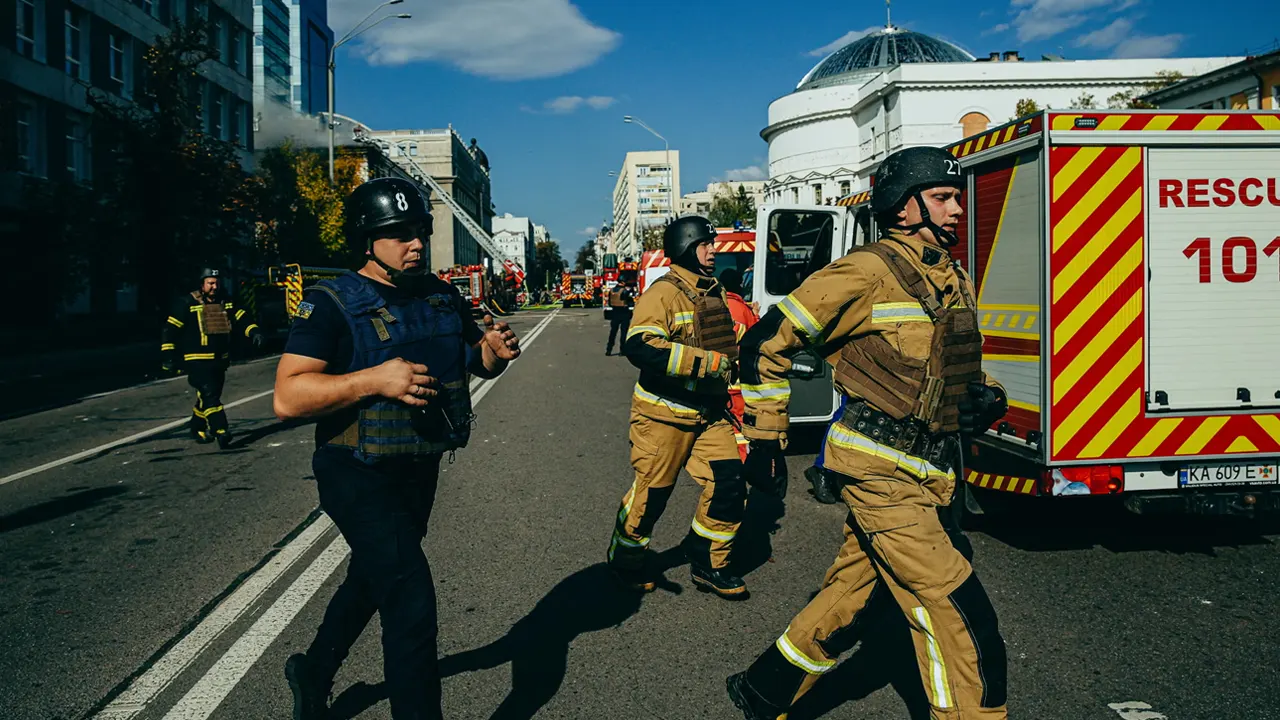
Darwin, October 3: Russia’s daily attacks are filling the lives of Kyiv residents with fear and uncertainty. From schools and hospitals to bridges, power plants…
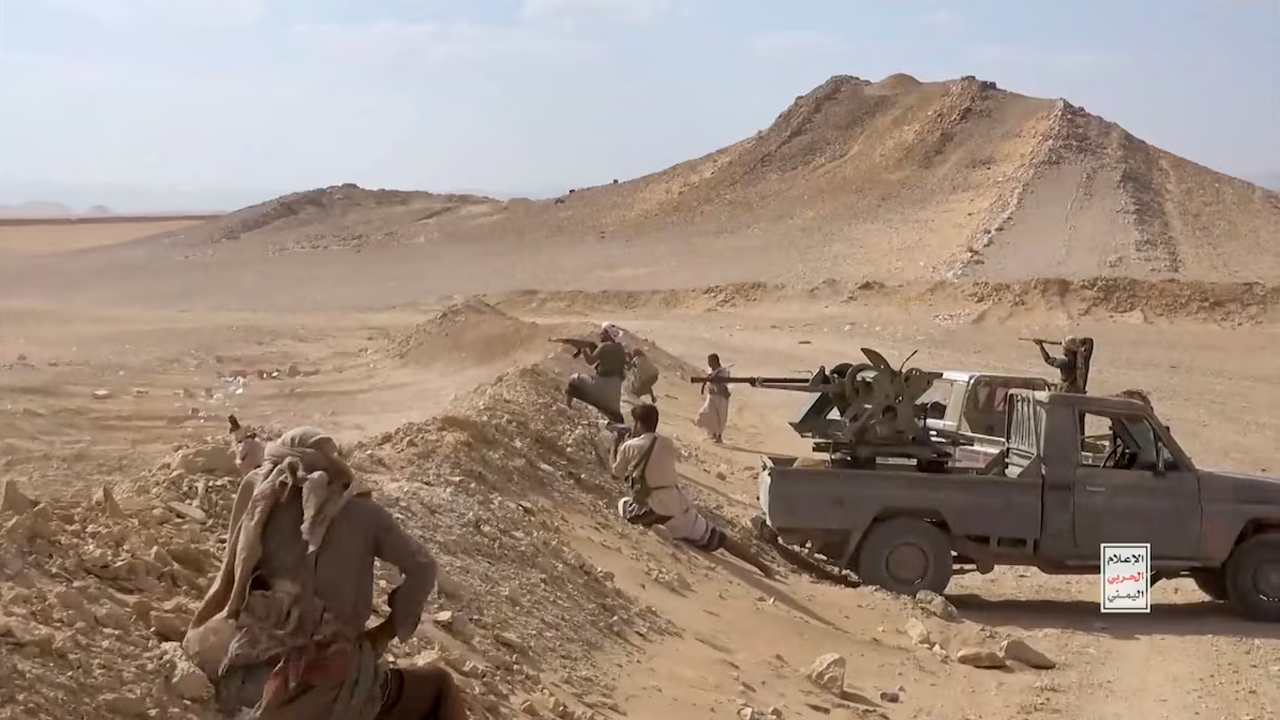
Darwin, October 3: At least 80 fighters have been killed over the past 24 hours in fierce fighting between Iran-backed Houthi rebels and Saudi-backed government…
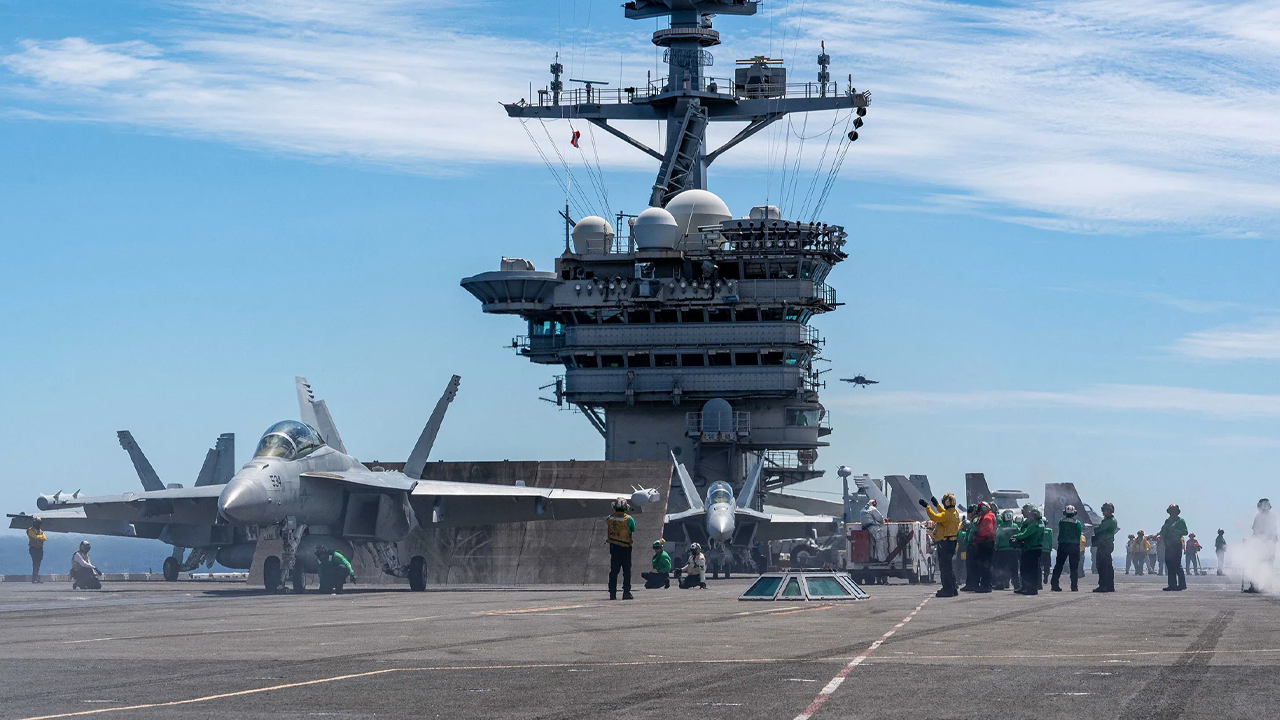
Darwin, October 3: As the Iran war enters its eighth month, the United States is sending a third aircraft carrier strike group to waters near…
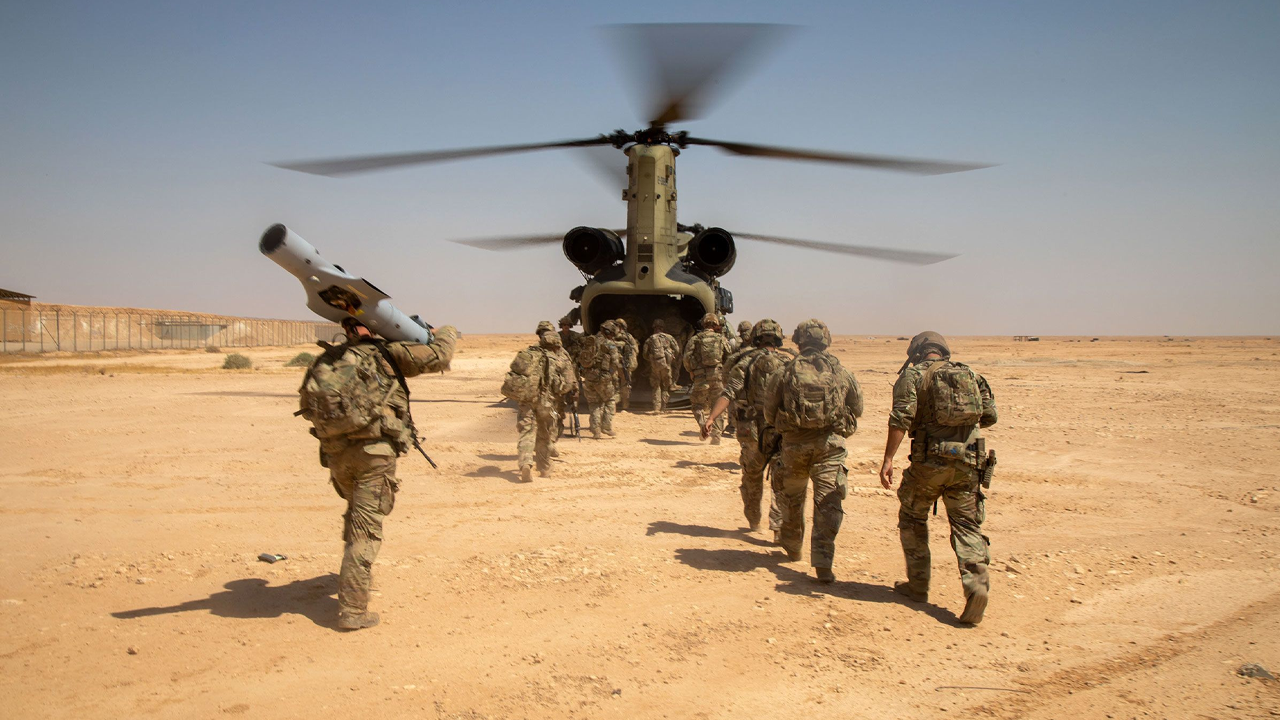
Darwin, September 30 : The United States is preparing to withdraw its military forces from Iraq after more than two decades of war and the…
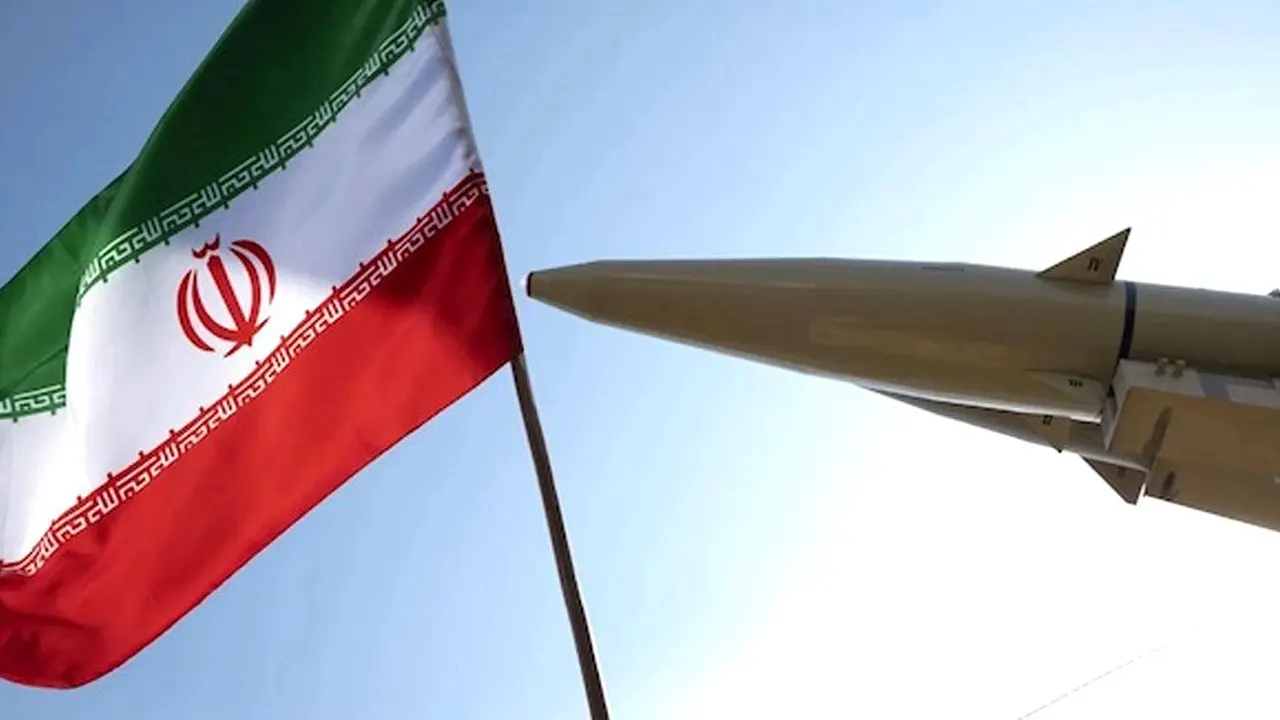
Darwin, September 30: Russia has urged Iran not to withdraw from the Treaty on the Non-Proliferation of Nuclear Weapons (NPT), calling on Tehran to remain…