Ten Injured After Car Ploughs Into Rugby League Fans in Australia
Darwin, October 04: Ten people, including three children, have been injured after a car crashed into a crowd of rugby league fans in Newcastle, eastern…



Darwin, 25 December:
The sudden death of Libya’s Chief of the General Staff, General Mohammed Ali Al-Haddad, in Turkish airspace has officially been described as the result of an airplane accident.
Turkish authorities, following an initial investigation, have ruled out sabotage and attributed the crash to a mechanical failure. Yet, given the current geopolitical realities of the Middle East and North Africa, the questions and suspicions surrounding the incident are far from unfounded.
The timing of the accident coincides uncomfortably with several sensitive developments: a reported arms deal between Pakistan and Khalifa Haftar, Turkey’s gradual recalibration of its Libya policy, and a delicate phase in Libya’s internal military balance. This makes it difficult to view the incident as merely an isolated accident.
Pakistan: A Quiet but Important Player
Pakistan is not traditionally a direct actor in the Libyan conflict. However, in recent years, Pakistan’s defense industry has become increasingly active in the global market. From small arms and ammunition to military vehicles and training aircraft, Pakistan has emerged as a viable alternative supplier. Turkey itself recently purchased 52 training aircraft from Pakistan.
Against this backdrop, Khalifa Haftar’s reported arms procurement deal with Pakistan is highly significant. The deal reportedly goes beyond light weapons and includes the JF-17, a tested fourth-generation fighter jet. Since no Libyan faction currently possesses combat aircraft, the introduction of JF-17s could decisively alter the balance on the battlefield.
Haftar is not only the dominant military figure in eastern Libya; he also maintains complex relationships with parts of the Western world, Russia, Egypt, and the United Arab Emirates. His defense engagement with Pakistan—along with the visit of Pakistan’s Army Chief, Field Marshal Asim Munir, to Benghazi—helps enhance Haftar’s international legitimacy.
This is where the complexity deepens. Turkey is one of Pakistan’s most important strategic allies, and Pakistan holds a similar place in Ankara’s foreign policy. Defense technology cooperation, naval and air force modernization, and diplomatic support have long defined the “special” nature of Turkey–Pakistan relations.
This raises a critical question: Was Pakistan’s arms deal with Haftar concluded with Turkey’s full consent, or does it signal a quiet divergence between the two allies?
The more plausible reality is that such a deal could not have moved forward without Ankara’s tacit approval—suggesting that Turkey’s perception of Haftar may be evolving.
Turkey, Haftar, and Limited Interest
For years, Turkey viewed Haftar as an adversary. During Haftar’s 2019–20 offensive to capture Tripoli, Turkey intervened directly to halt his advance, effectively turning Haftar into a strategic enemy.
Although Ankara later adopted a “One Libya” policy out of political necessity, its interest in Haftar never ran deep. Instead, Turkey invested heavily in western Libya’s state institutions, the UN-recognized government, and the formal military leadership.
One of the key pillars of this investment was Mohammed Ali Al-Haddad.
Al-Haddad was a staunch opponent of Haftar. His continued presence could have complicated the practical implementation of the “One Libya” policy.
Al-Haddad: A Symbol of Balance
Al-Haddad occupied a unique position within Libya’s military structure. Though he represented western Libya, he was not militia-dependent. He consistently advocated for transforming Libya’s armed forces into a unified, professional national army.
This stance made him a key figure in UN-led military dialogues and a potential bridge between Libya’s eastern and western divides.
Here lies the subtle tension with the Pakistan–Haftar arms deal. If Haftar moves closer to international arms suppliers and greater military legitimacy, the concept of a unified national army weakens.
In that sense, Al-Haddad represented a structural obstacle to Haftar’s emergence as a fully legitimized, unconstrained military force.
The Turkey Visit and an Uncomfortable Timing
Al-Haddad died while returning from an official visit to Turkey. The trip was part of high-level defense discussions, including future military cooperation, training, and structural reforms of Libya’s armed forces.
Notably, just one day before the crash, Turkey’s parliament voted to extend the mandate of Turkish troop deployment in Libya.
This indicates that Turkey remained actively engaged in Libya’s military equation and firmly aligned with western Libya’s state framework. Against this backdrop, Al-Haddad’s sudden death has created a significant vacuum—raising the question of who stands to benefit from his absence.
Suspicion Is Natural, but Not a Verdict
Based on available information, there is no evidence to label the incident as a planned attack. Reaching such a conclusion without proof would be irresponsible.
At the same time, it cannot be ignored that the Pakistan–Haftar arms deal, Turkey’s shifting priorities, Al-Haddad’s anti-militia stance, and the timing of the crash together form an unsettling political coincidence.
In international politics, perceptions and suspicions often matter as much as facts. In a fragile state like Libya, the sudden death of a key figure is never merely a personal tragedy—it opens the door to new power alignments and the reshaping of old equations.
Mohammed Ali Al-Haddad’s death may indeed have been an accident. But his absence is certain to have a significant impact on Libya’s military and political balance.
Within this context, the Pakistan–Haftar arms deal has taken on added significance, signaling that regional powers may be reassessing Libya once again.
At this moment, transparency in the investigation and responsible behavior by regional actors are crucial. Another miscalculation in Libya would not only destabilize one country, but could place the stability of the entire region at risk.

Darwin, October 04: Ten people, including three children, have been injured after a car crashed into a crowd of rugby league fans in Newcastle, eastern…
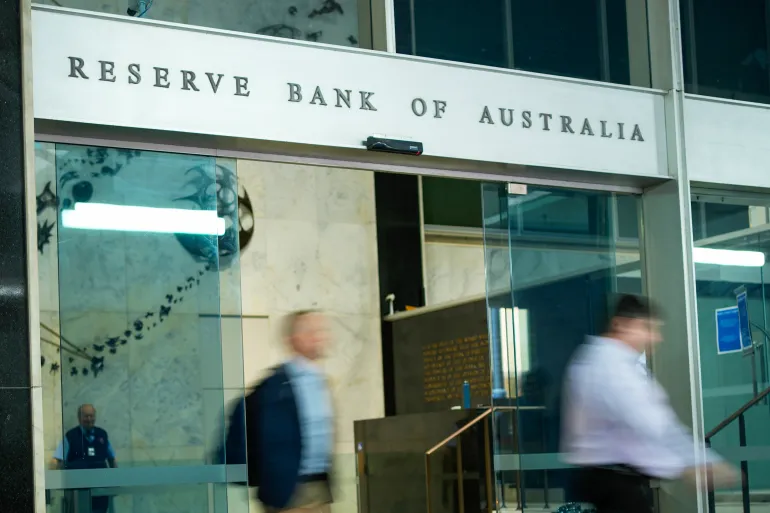
Darwin, October 4: Australia’s central bank has raised interest rates to their highest level in 15 years, increasing mortgage repayments for millions of Australian households….
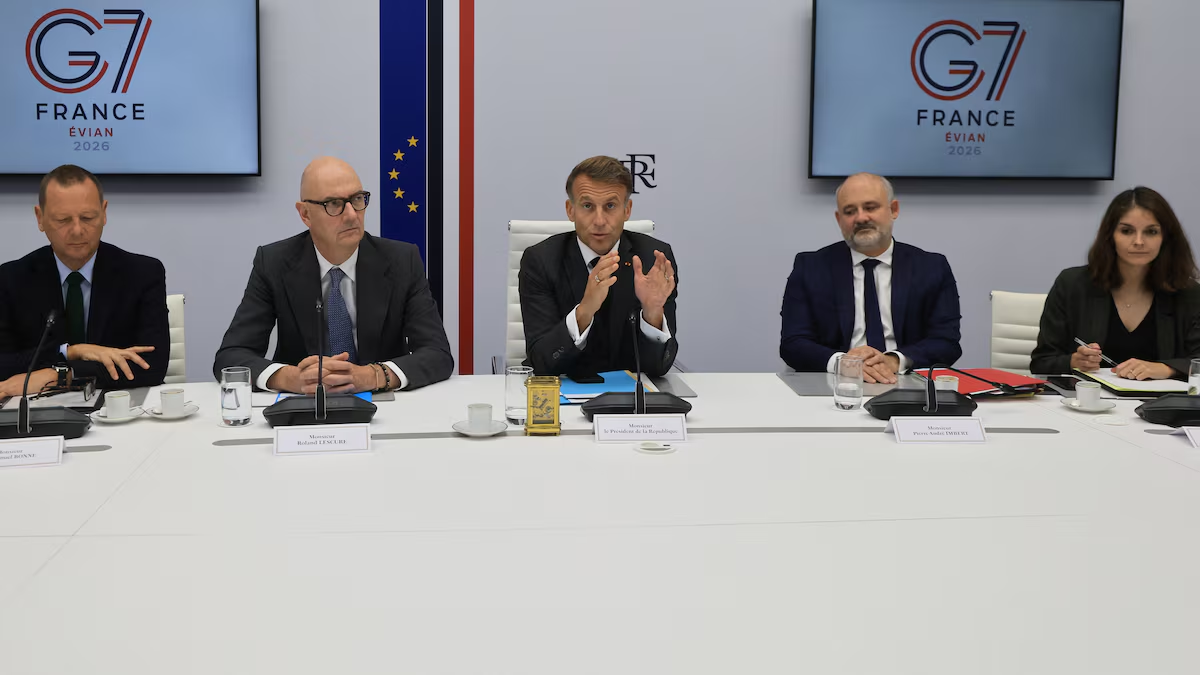
Darwin, October 3: Under pressure from US President Donald Trump to bring down rising fuel prices, G7 leaders are set to release up to 100…
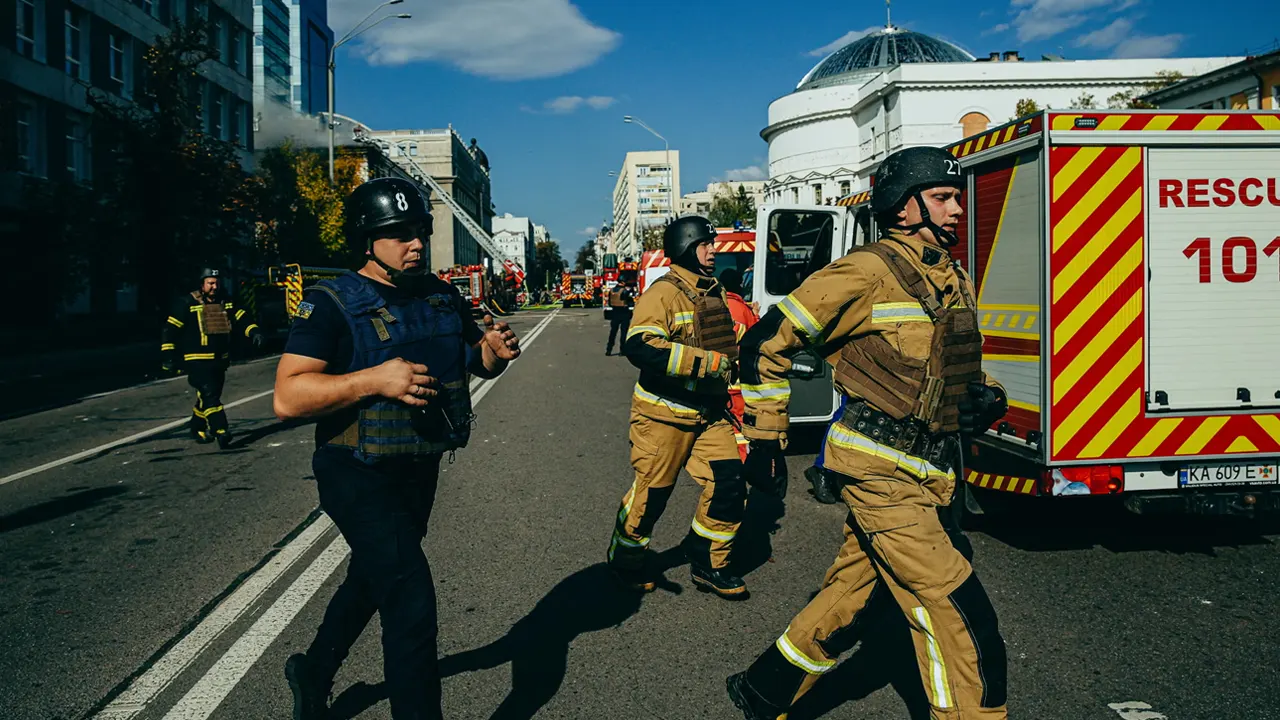
Darwin, October 3: Russia’s daily attacks are filling the lives of Kyiv residents with fear and uncertainty. From schools and hospitals to bridges, power plants…
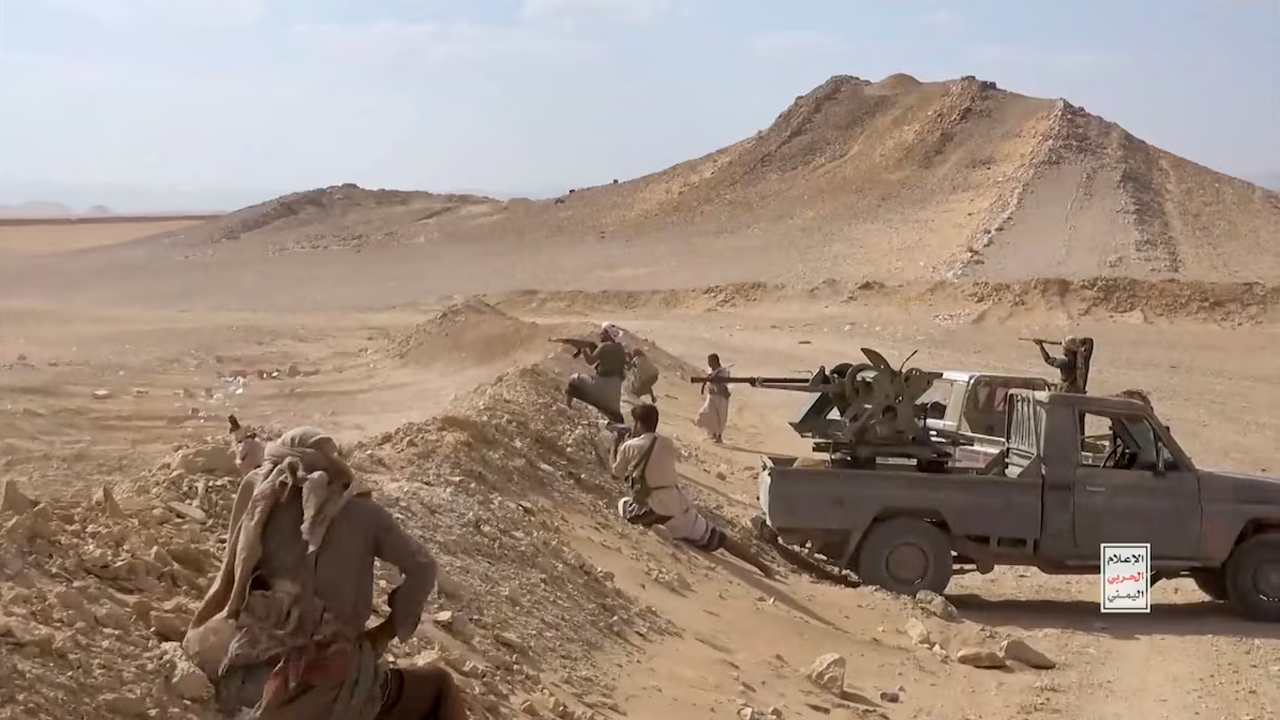
Darwin, October 3: At least 80 fighters have been killed over the past 24 hours in fierce fighting between Iran-backed Houthi rebels and Saudi-backed government…
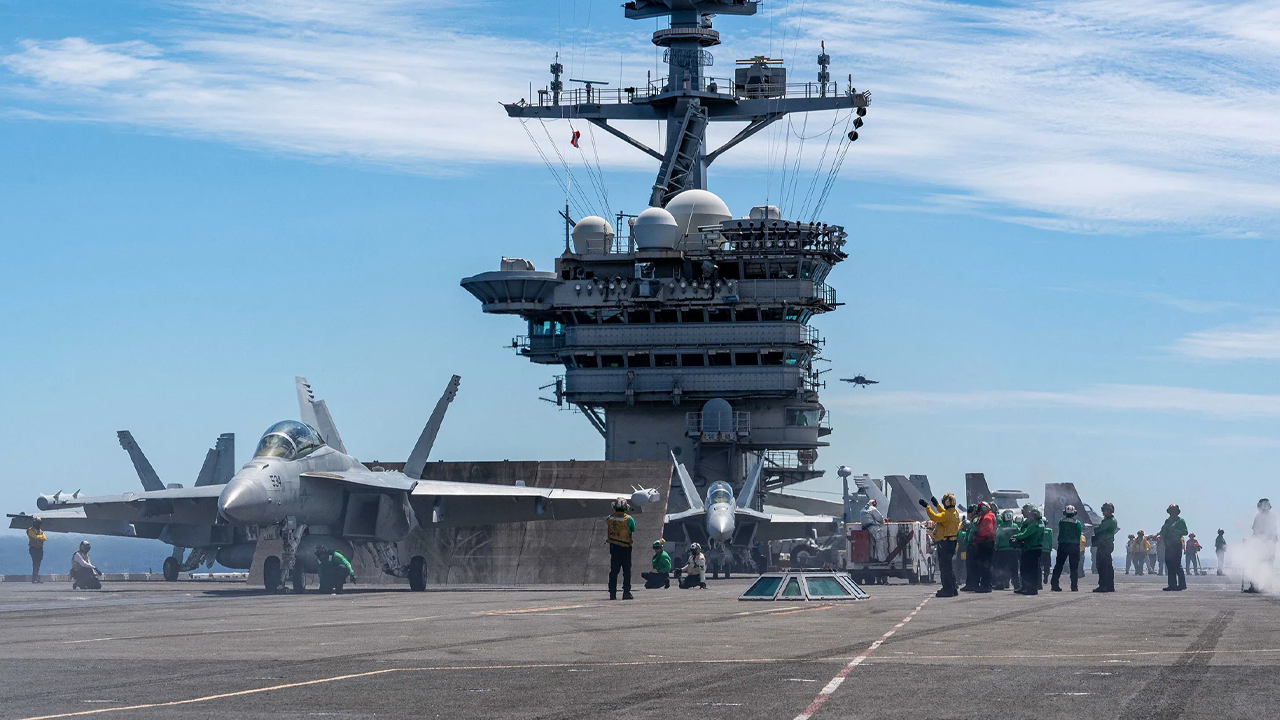
Darwin, October 3: As the Iran war enters its eighth month, the United States is sending a third aircraft carrier strike group to waters near…
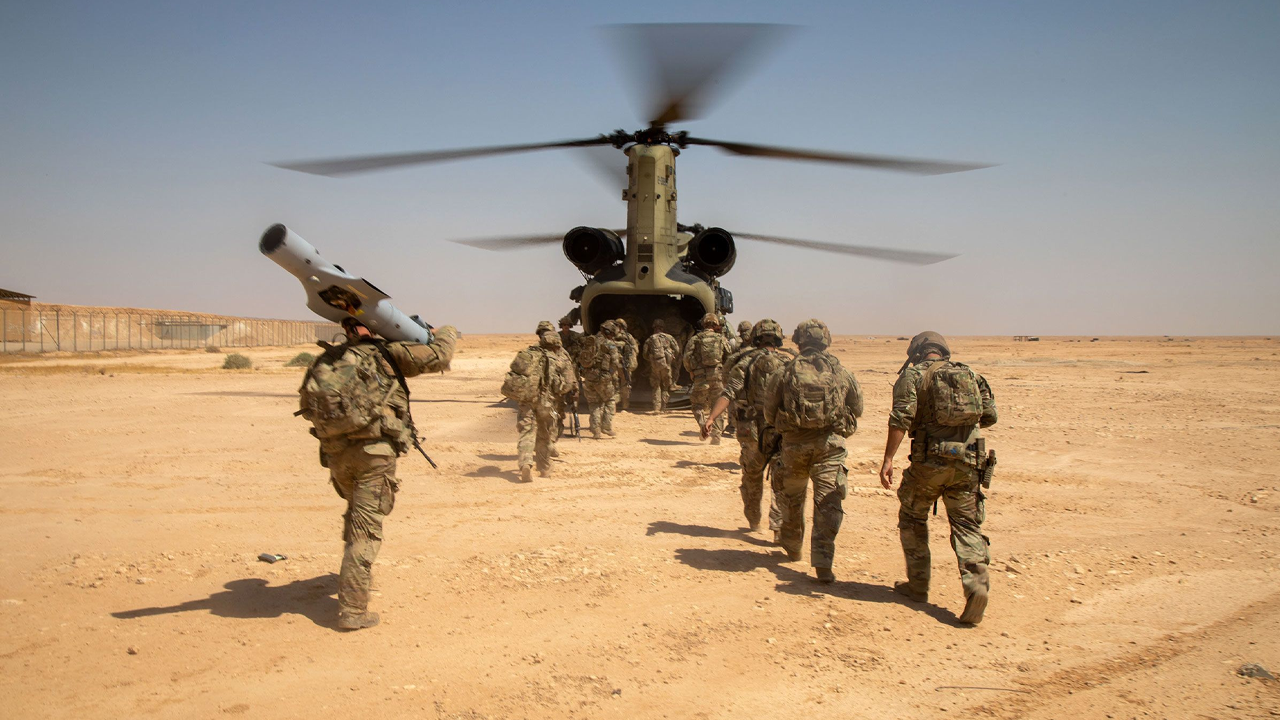
Darwin, September 30 : The United States is preparing to withdraw its military forces from Iraq after more than two decades of war and the…
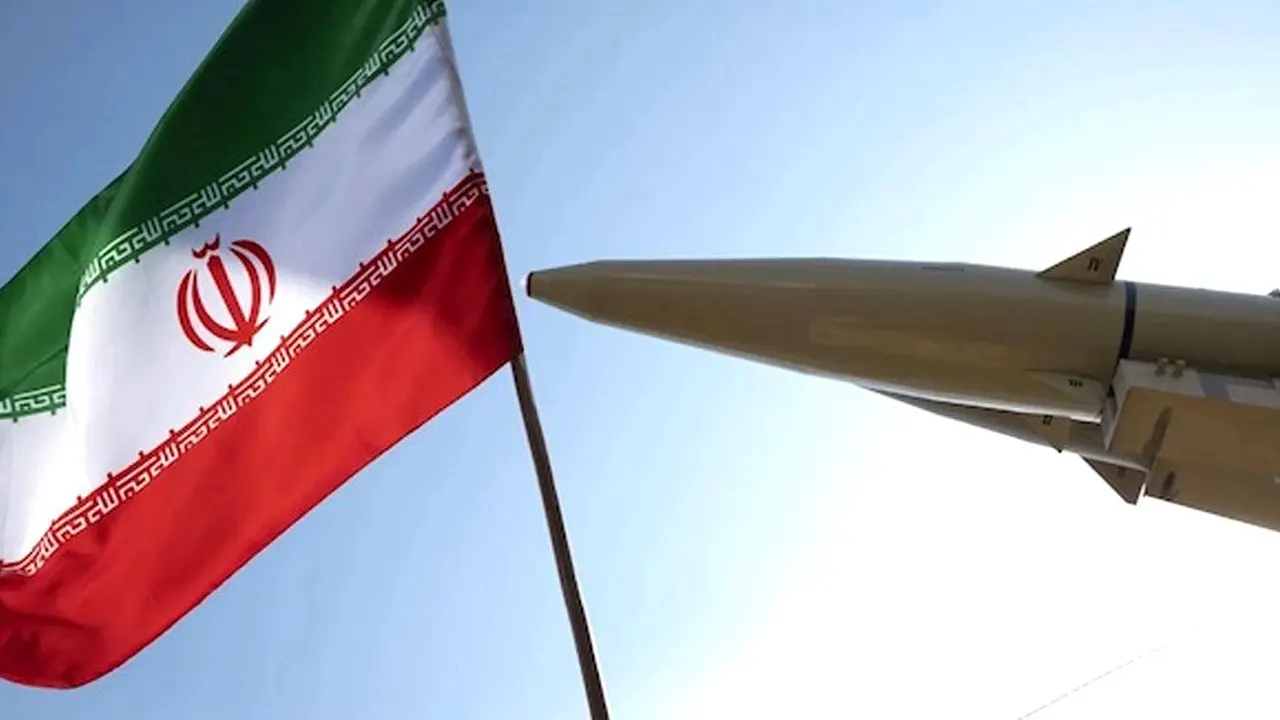
Darwin, September 30: Russia has urged Iran not to withdraw from the Treaty on the Non-Proliferation of Nuclear Weapons (NPT), calling on Tehran to remain…