Hayden Panettiere, ‘Heroes’ and ‘Remember the Titans’ Star, Dies at 36
Entertainment Desk: Hayden Panettiere, the actress best known for her roles in Heroes, Remember the Titans and Nashville, has died at the age of 36,…



For decades, the year 2026 sat on the horizon as a convenient sandbox for science fiction. It was far enough away to justify flying cars and Martian colonies, yet close enough to feel tangible. Now that we have arrived, the cinematic “2026” offers a fascinating, and occasionally haunting, mirror to our actual lives.
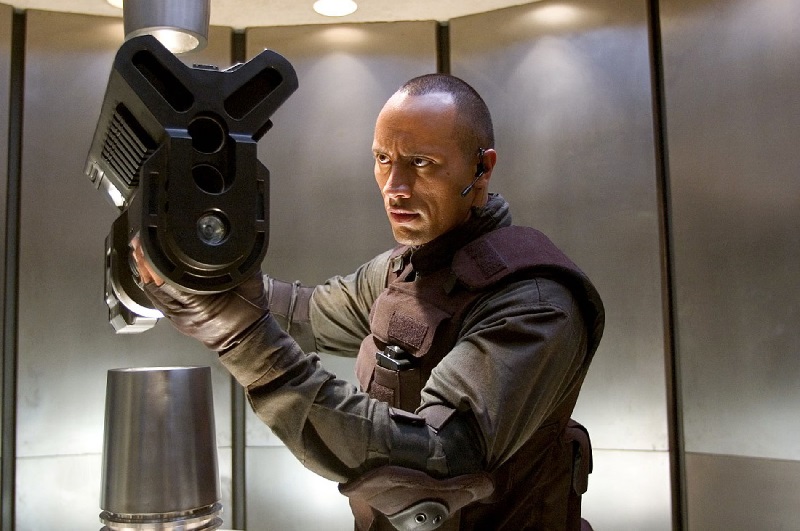
Dwayne Johnson.
Perhaps the most famous depiction of our current year comes from Fritz Lang’s silent masterpiece, Metropolis. Set exactly 100 years after its production, the film depicts a starkly divided society: billionaires in shimmering skyscrapers and laborers toiling in subterranean “caves of toil.” While we haven’t retreated underground, the film’s “Maschinenmensch” (the Robot Maria) feels strikingly relevant in the age of generative AI. Lang’s robot was built to disrupt social order—today, our “robots” are corporate-backed tools, but the anxiety regarding technology replacing the human soul remains identical.

Jessica Miglio.
While the original Apes films took place in the distant future, the modern trilogy positioned its pivotal collapse right now. In Dawn of the Planet of the Apes, set in 2026, humanity has been decimated by the “Simian Flu”—a virus that spread globally in a montage that looks eerily like news footage from 2020. Six years post-COVID, we aren’t annihilated, but the film’s core thesis—that society is often at the mercy of those who appeal to our worst instincts—feels more like a documentary than a fantasy.
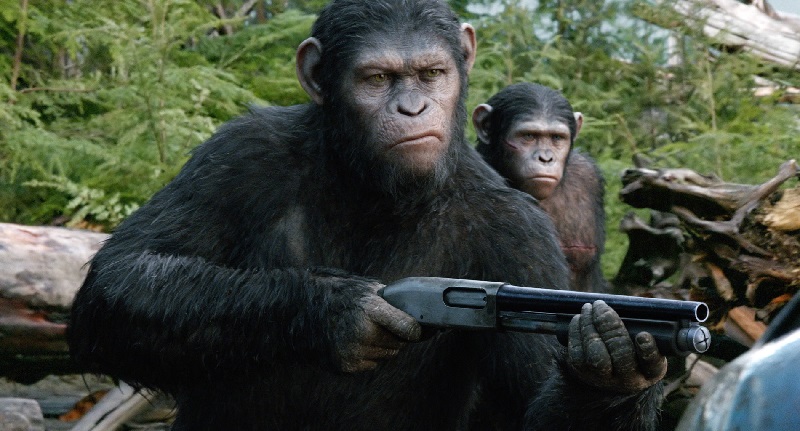
Dawn of the Planet of the Apes.
Within the Marvel Cinematic Universe (MCU), the timeline was pushed forward by the “five-year jump” in Avengers: Endgame. Consequently, much of the recent “Marvel dregs”—including the political paranoia of Secret Invasion and the quantum explorations of Ant-Man and the Wasp: Quantumania—officially take place in 2026. These films depict a world perpetually on the brink of cataclysm, exhausted by “wheel-spinning” crises that feel exhausting to the characters and the audience alike.
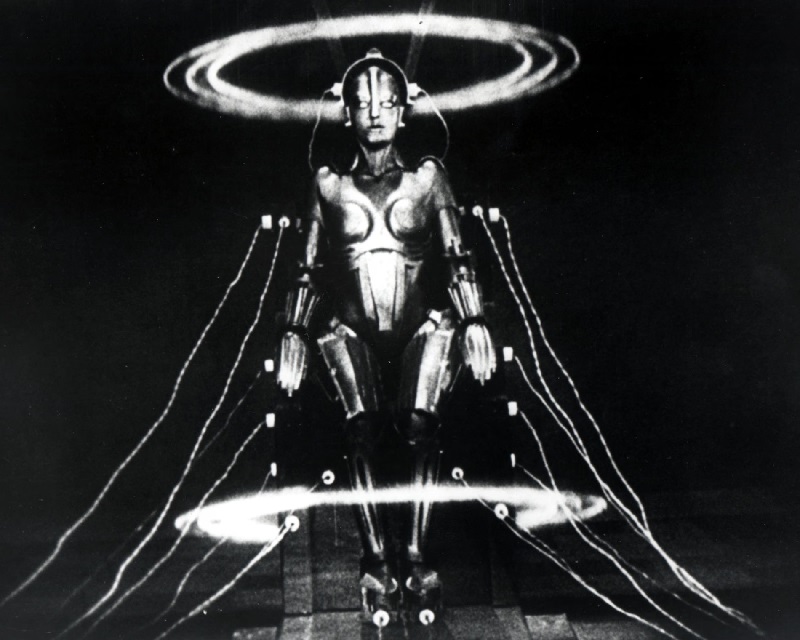
A still from Metropolis.
The video game adaptation Doom predicted that by 2026, we would discover a portal to Mars. While we haven’t found an ancient Martian city, the red planet remains a “stretch-goal hope” for the billionaire class. The film serves as a cautionary tale: before we try to sell the fantasy of Martian real estate, we might want to ensure the version of humanity we are sending there isn’t already mutated by its own greed.
As we navigate the actual 2026, it is clear that while we missed out on the portals to Mars, we are living squarely within the social and technological anxieties these filmmakers warned us about a century ago.

Entertainment Desk: Hayden Panettiere, the actress best known for her roles in Heroes, Remember the Titans and Nashville, has died at the age of 36,…

Entertainment Desk: Bollywood actor Aamir Khan recently tied the knot with Gauri Spratt in an intimate ceremony held at his residence in Mumbai’s Pali Hill….
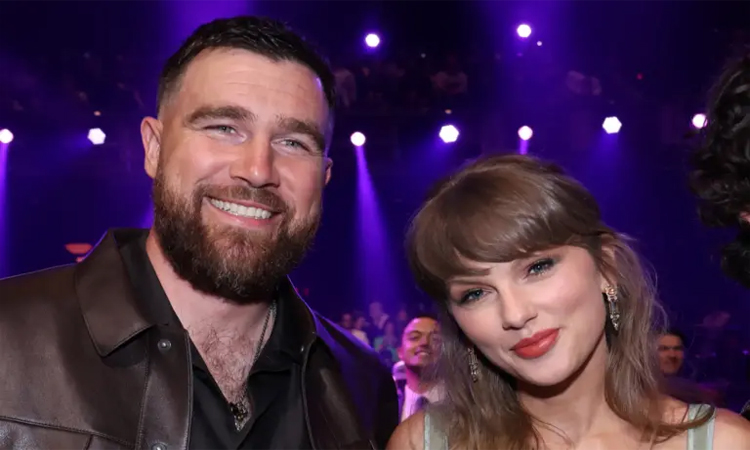
Darwin, 04 July : American pop star Taylor Swift and NFL star Travis Kelce officially tied the knot at a lavish ceremony in New York…

Darwin, 17 May : Bulgaria Wins Eurovision 2026 Amid Boycotts and Political Controversy Bulgaria has won this year’s Eurovision Song Contest, but the event was…

Entertainment Desk: Bollywood’s much-anticipated film ‘No Entry 2’ has suffered a setback as producer Boney Kapoor faces another major change in the cast. After prolonged…

Darwin, 10 May : Popular actress grabbed attention at the swearing-in ceremony of as the Chief Minister of Tamil Nadu, appearing in an elegant blue…

Darwin, 12 April : Legendary Indian singer Asha Bhosle has passed away. She was 92 years old at the time of her death. Indian media…

Darwin, 02 April : Bangladeshi actor Arifin Shuvo is gaining widespread recognition beyond national borders, drawing strong positive attention from major Indian media outlets for…