India Building New Highway in ‘Chicken’s Neck’ with 212 Million USD Investment
Darwin, September 04 : India’s central government has allocated Rs 2,077 crore for the construction of a new four-lane highway in the strategically important Siliguri…



Darwin, 09 April: Israeli Prime Minister Benjamin Netanyahu is facing growing political pressure at home following Israel’s apparent exclusion from the ceasefire process with Iran, according to a report by Al Jazeera published on Wednesday night (April 8).
Netanyahu’s recent statements appear to contradict his earlier promises at the start of the war, when he vowed to dismantle Iran’s ruling system and transform it into a pro-Israel state. However, developments on the ground have fallen far short of those ambitions.
Israel Sidelined in Ceasefire Talks
Israeli media reports indicate that Israel had no meaningful role in the ceasefire discussions held between Iran and the United States. This exclusion has significantly weakened Netanyahu’s political standing.
In response, Netanyahu is now shifting focus toward weakening Hezbollah and attempting to separate Lebanon from Iranian influence—moves seen as an effort to project continued control and strategic direction.
Analysts Offer Sharp Criticism
One of the sharpest assessments came from regional analysts, who argued:
“We did not come this far to hand Iran a victory.”
They suggested that Iran entered negotiations in a weaker position than at any time since 1988.
However, if the outcome allows Tehran to strengthen its strategic control—particularly around the Strait of Hormuz—then the gains made over the past 39 days could quickly erode.
Analysts further noted that while Donald Trump and Benjamin Netanyahu failed to dismantle Iran’s regime, they may have made its long-term stability more uncertain. The ultimate outcome now depends on internal developments within Iran and the effectiveness of ongoing diplomacy.
“No Clear Winner”—But Netanyahu Seen as Biggest Loser
The conflict has produced no decisive victor. However, many observers believe Netanyahu has suffered the most politically.
For years, he positioned Iran as Israel’s primary existential threat—delivering dramatic presentations at the United Nations, showcasing alleged intelligence, and lobbying successive U.S. administrations for military action. Yet the war ultimately failed to deliver on these long-standing objectives.
U.S. intelligence agencies had previously dismissed some Israeli projections about regime collapse in Iran as unrealistic—an assessment that now appears increasingly accurate.
Fierce Opposition Backlash
Israeli opposition leader Yair Lapid sharply criticized the government, stating:
“This is the greatest political failure in our history. Israel was not even present when critical national security decisions were made.”
Lapid added that while the military fulfilled its duties and the public showed resilience, Netanyahu failed politically and strategically, achieving none of his declared goals.
Similarly, left-wing leader Yair Golan described the ceasefire as “one of the most severe strategic defeats in Israel’s history,” warning of long-term security consequences.
U.S. Decisions Marginalize Israel
According to Israel’s Channel 12, Netanyahu had attempted to prevent a ceasefire even days before it was finalized. However, Donald Trump ultimately moved forward with his own strategy after issuing strong warnings to Tehran—reportedly without giving significant consideration to Israel’s position.
Military Reality on the Ground
Despite sustained attacks, Iran’s core structures remain intact:
From Tehran’s perspective, simply surviving a prolonged assault by major powers may be viewed as a strategic success.
Escalation Risks in Lebanon
Although agreeing to a ceasefire with Iran, Netanyahu has announced continued military operations in southern Lebanon, including plans to establish a buffer zone.
However, Hezbollah is historically well-entrenched and experienced in that অঞ্চলে, raising the risk of further escalation.
Global and Domestic Fallout
The war has had significant repercussions:
Domestically, the conflict is becoming a major political liability for Netanyahu, especially in an election year.
Overall, the conflict with Iran has proven:
*Militarily inconclusive
*Diplomatically complex
*Politically damaging for Netanyahu
As a result, serious questions are now being raised about his future leadership and the long-term viability of his Iran-centered political strategy.

Darwin, September 04 : India’s central government has allocated Rs 2,077 crore for the construction of a new four-lane highway in the strategically important Siliguri…

Darwin, September 04 : After several major artificial intelligence (AI) platforms experienced outages at roughly the same time, US billionaire and technology entrepreneur Elon Musk…
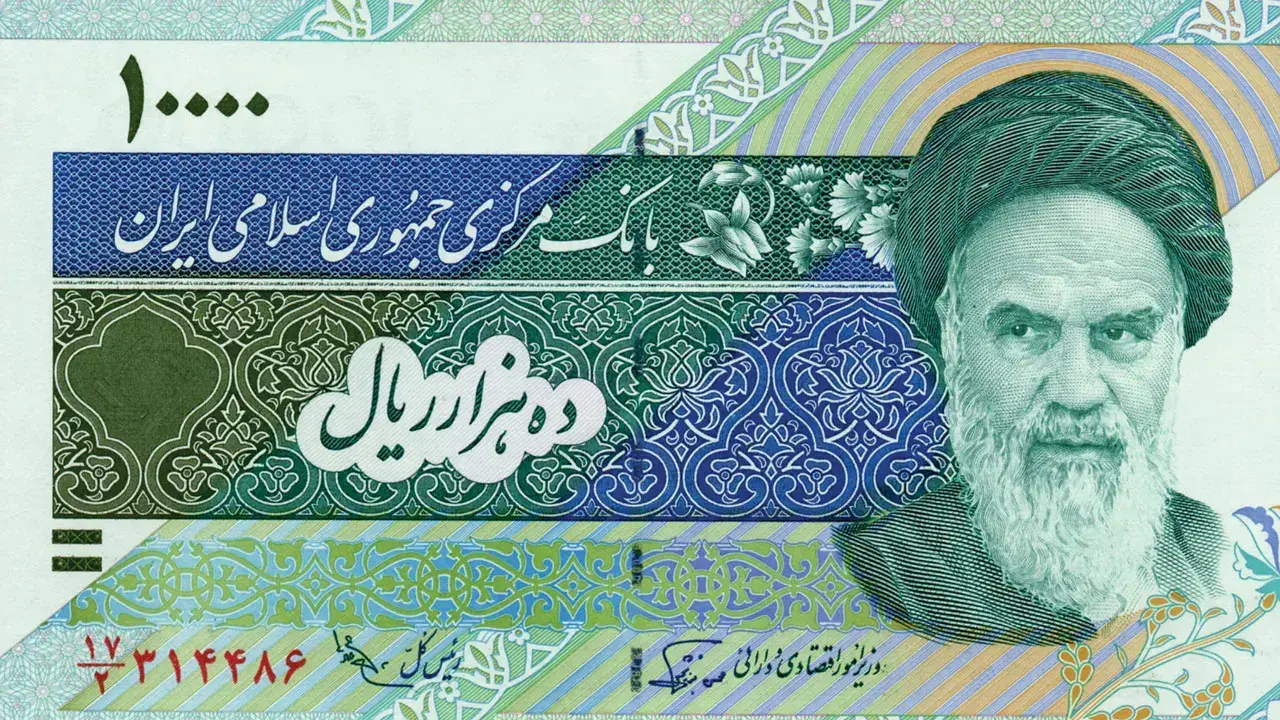
Darwin, September 03 : The Iranian rial has plunged to a record low, with one US dollar now fetching around 2.2 million Iranian rials, Reuters…

Darwin, September 02: Queensland has introduced strict new rules governing the use of e-bikes and e-scooters. From now on, people using these electric vehicles in…
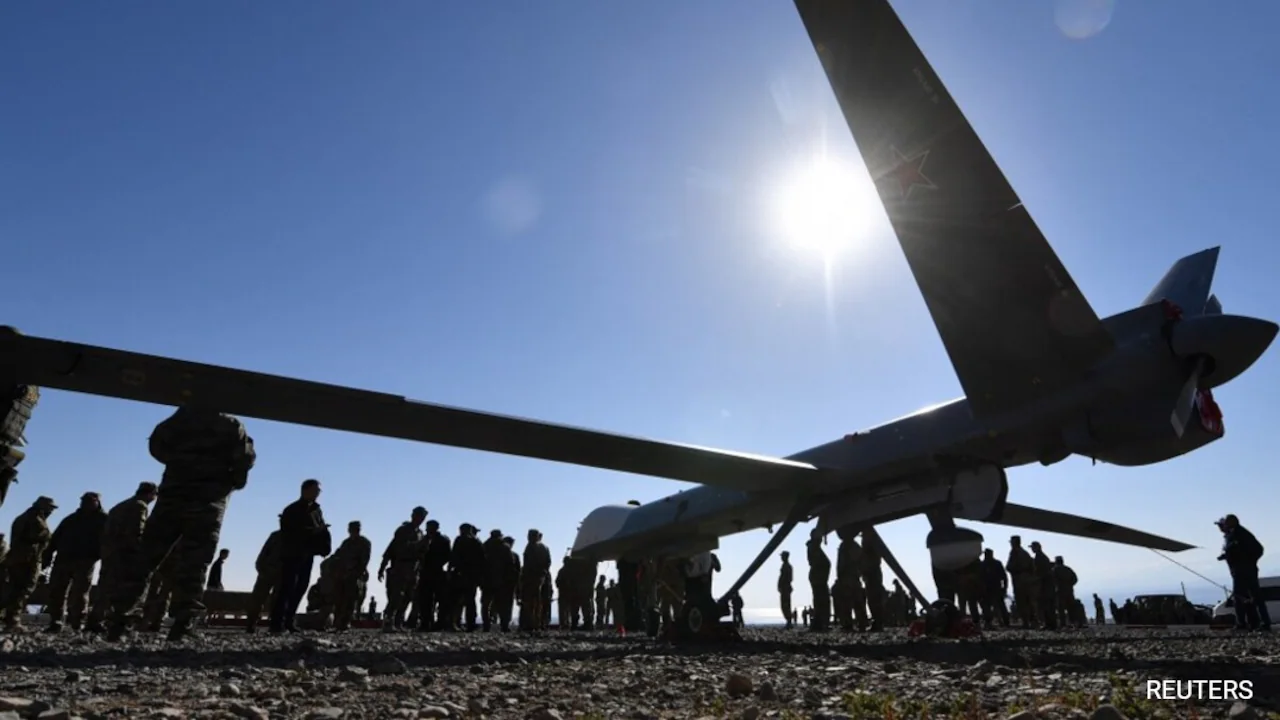
Darwin, September 02 : A total of 227 Indian nationals were recruited into the Russian armed forces, of whom 139 have already been discharged. However,…

Darwin, September 01 : Hours after a US attack, Iran launched missile strikes against American targets at several locations across the Middle East, according to…
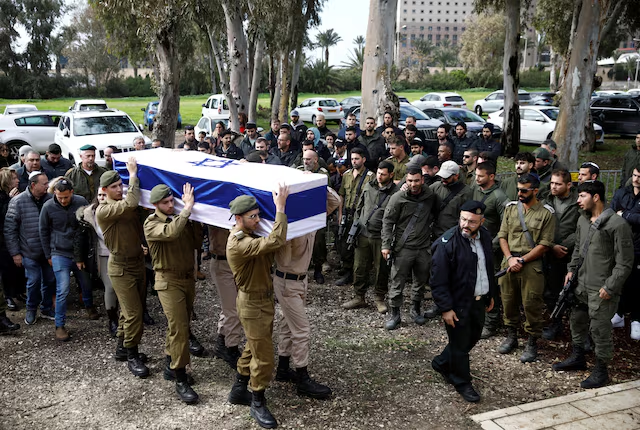
Darwin, September 01: Iran’s Armed Forces senior spokesman, Brigadier General Abolfazl Shekarchi, has claimed that more than 1,000 Israeli military personnel were killed and several…
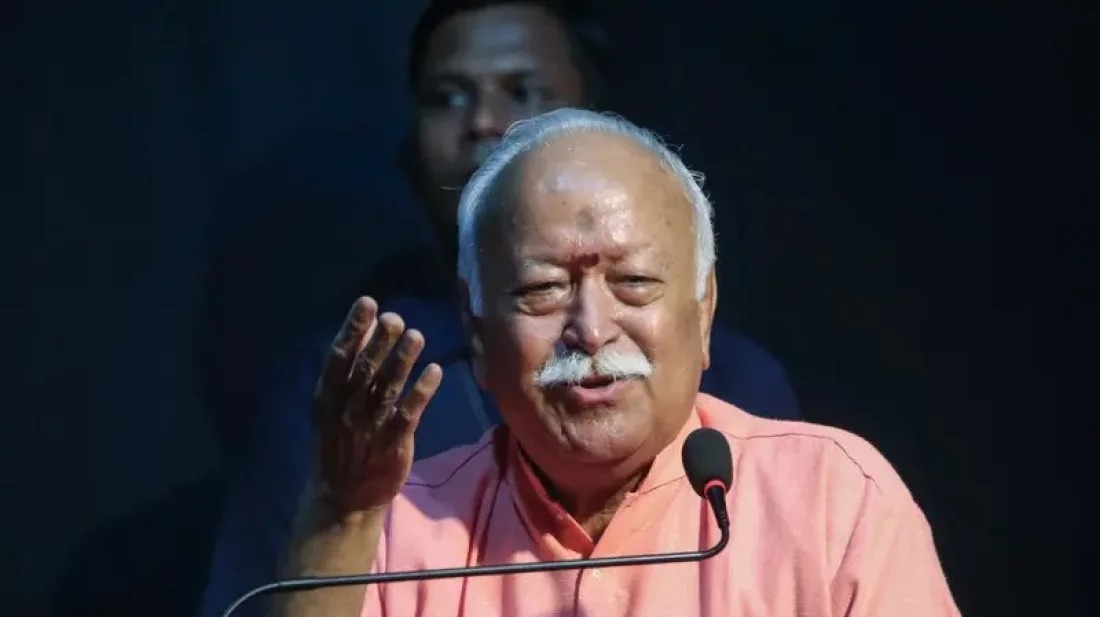
Darwin, August 30: According to a report by Indian news agency ANI, Mohan Bhagwat, chief of the Rashtriya Swayamsevak Sangh (RSS), the ideological parent organisation…