Navi Pillay, Who Fought for Gaza, Wins Nobel Peace Prize
Darwin, October 09: Navanetham “Navi” Pillay, a South African jurist who led a United Nations investigative commission that described Israel’s actions in Gaza as genocide,…



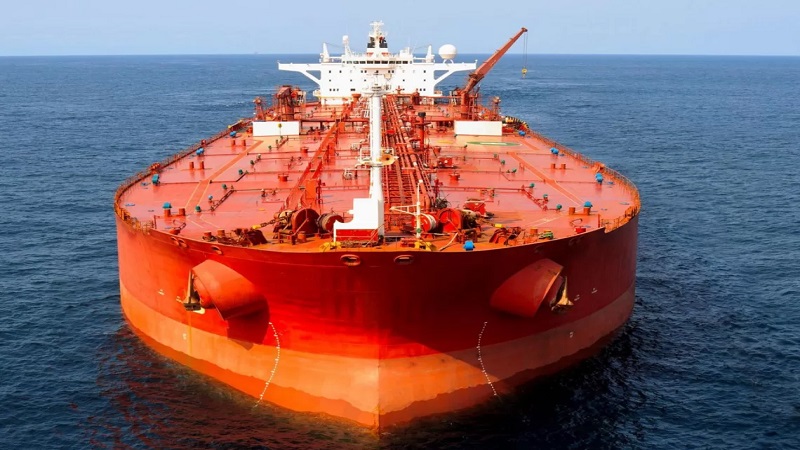
Darwin, April 18: Iran has announced the reopening of the strategic Strait of Hormuz following a ceasefire agreement in Lebanon. Meanwhile, U.S. President Donald Trump said he expects a deal to end the Iran war to be reached very soon.
According to a Reuters report, the global energy sector has been the hardest hit by the conflict, which began around 50 days ago. Since then, approximately 500 million barrels of crude oil and condensate have failed to reach global markets.
The disruption is largely due to the closure of the Strait of Hormuz and damage to energy infrastructure across the Middle East.
Belgium-based energy and commodities analytics firm Kpler described the situation as one of the largest supply disruptions in modern history.
Overall, the global energy market has lost an estimated $50 billion in revenue. Analysts say the impact of the crisis could be felt for months, if not years.
Ian Mowat, chief analyst at UK-based consultancy Wood Mackenzie, said the volume of oil lost due to the conflict is equivalent to about 10 weeks of global aviation fuel demand. It could also meet roughly five days of total global oil consumption.
Reuters estimates that the missing oil could cover nearly one month of U.S. demand or more than a month of Europe’s energy needs.
Additionally, the volume could fuel the U.S. military for about six years, based on its annual consumption of around 80 million barrels (as of 2021). It could also sustain the global shipping industry for nearly four months.
In March alone, Gulf Arab countries failed to produce about 8 million barrels of oil per day—roughly equivalent to the combined output of ExxonMobil and Chevron.
Jet fuel exports from Saudi Arabia, Qatar, the UAE, Kuwait, and Oman dropped sharply to just 4.1 million barrels in March and April combined, compared to 19.6 million barrels in February alone.
Kpler analyst Johannes Raubal noted that average oil prices hovered around $100 per barrel during the conflict, contributing to the $50 billion revenue loss. He added that this loss is roughly equivalent to 1% of Germany’s annual GDP, or the size of the entire economies of smaller nations such as Latvia or Estonia.
The damage to the global energy market is expected to take significant time to repair. Kpler data shows that global onshore oil inventories fell by about 45 million barrels in April, while supply disruptions reached nearly 12 million barrels per day since late March.
Heavy oil fields in Kuwait and Iraq may take four to five months to return to full production, potentially extending supply tightness into the summer.
In addition, due to damage to refinery infrastructure and issues at Qatar’s Ras Laffan LNG complex, it may take several years for the region’s energy infrastructure to fully return to normal.
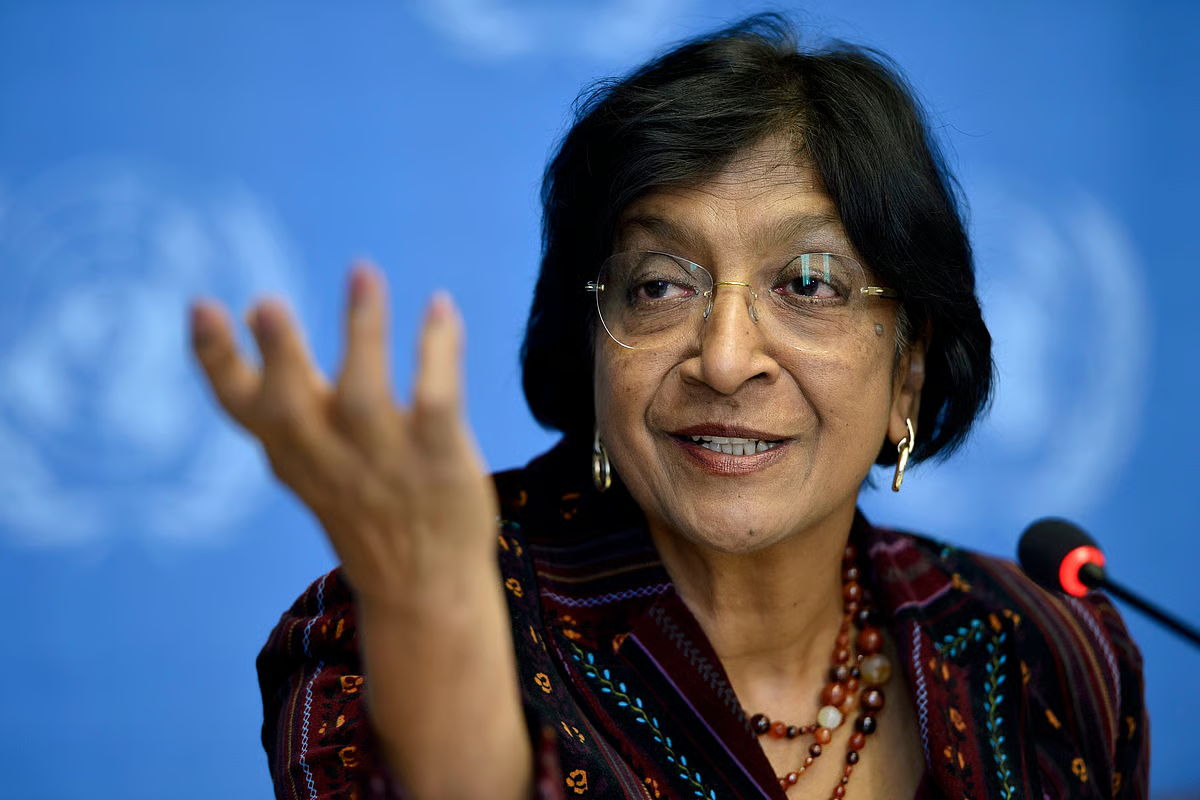
Darwin, October 09: Navanetham “Navi” Pillay, a South African jurist who led a United Nations investigative commission that described Israel’s actions in Gaza as genocide,…

Darwin, October 08: U.S. President Donald Trump said on Wednesday that he deserves to win the Nobel Peace Prize, while expressing doubts that he would…

ডারউইন, অক্টোবর ০৮: ভারতের পশ্চিমবঙ্গ রাজ্যে শিক্ষা ব্যবস্থায় বড়সড় বদলের খবর জানালেন মুখ্যমন্ত্রী শুভেন্দু অধিকারী। তার মতে, শিক্ষক নিয়োগে সমতা আনতে পশ্চিমবঙ্গ রাজ্যে আনুষ্ঠানিকভাবে বিলুপ্ত…

Darwin, October 07: Lionel Messi’s final match in international football, if this indeed was his last, was just like the man himself—filled with goals, assists, and…

Darwin, October 07: Russia has finalized preparations to provide Iran with a $1 billion loan. The funds will be transferred once Tehran provides the necessary…
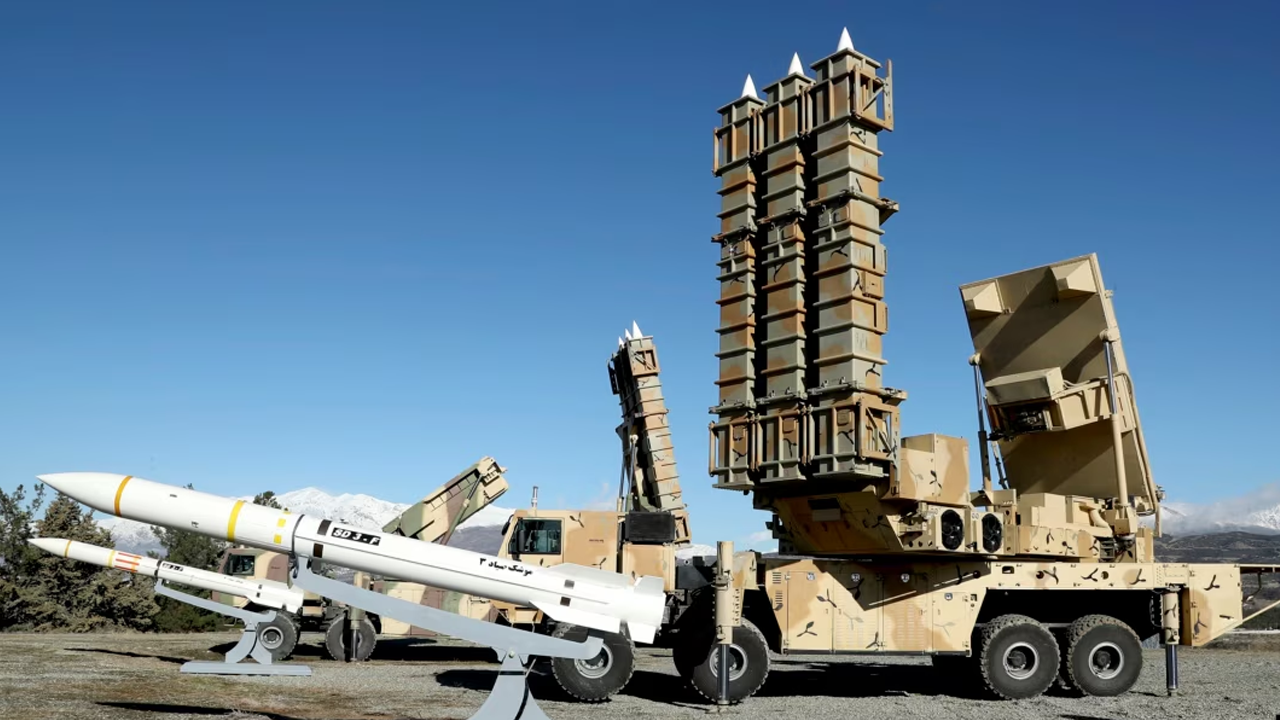
DARWIN, October 7: Iran has warned that it will deliver a stronger response if the United States or Israel launches another attack. The country also…

Darwin, October 05: Deaths in Australia are expected to outnumber births by the 2060s, according to a government report, marking a demographic milestone that countries…

Darwin, October 04: Ten people, including three children, have been injured after a car crashed into a crowd of rugby league fans in Newcastle, eastern…