Pritom Hasan and Shehtaz Monira End 10-Year Relationship, Move Towards Divorce
Darwin, October 05: Popular Bangladeshi singer and actor Pritom Hasan and model-actress Shehtaz Monira Hashem have decided to end their marriage after a decade together,…



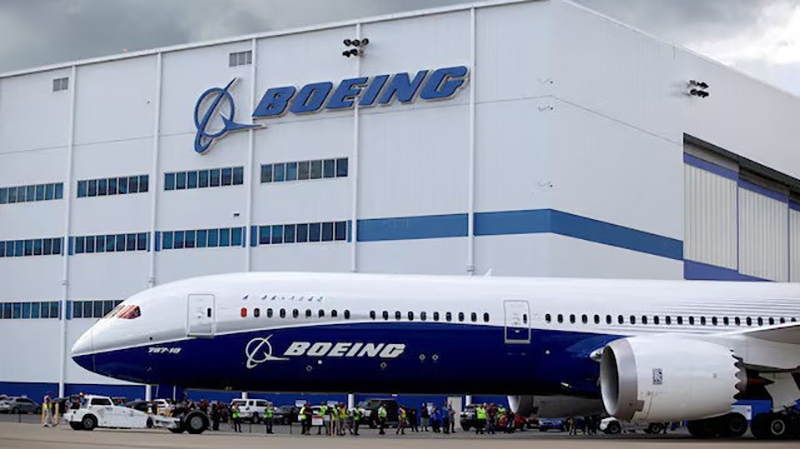
Melbourne, 28 July — As part of reciprocal tariff negotiations, Bangladesh has decided to purchase 25 aircraft from American aviation company Boeing. Some of these aircraft are expected to be delivered within the next one to two years.
Commerce Secretary Mahbubur Rahman shared this information with reporters at the Secretariat on Sunday.
At the same time, a wheat import agreement with the United States has also been finalized. A Bangladeshi delegation will depart for the U.S. tomorrow, Monday, in light of these developments.
Secretary Optimistic About Tariff Negotiation Outcome on August 1
The Commerce Secretary said, “After receiving the draft tariff agreement, we worked on it in several phases. We held two rounds of direct discussions in Washington, as well as online meetings. After consulting with relevant ministries and stakeholders, we conveyed our final position to the United States on July 23.”
He added, “At the request of the U.S. for more time, face-to-face meetings will be held at the office of the U.S. Trade Representative (USTR) on July 29 and 30. Bangladesh will be represented by the Commerce Advisor, Security Advisor, and the Commerce Secretary. A meeting may also take place on the 31st. The Bangladeshi delegation will leave tomorrow evening. Since discussions are ongoing, a result regarding tariffs may be reached by August 1.”
Aircraft Orders Increase Due to Tariff Issue
Regarding the Boeing aircraft purchase, the Commerce Secretary stated, “Boeing’s business is managed by the company itself, not the U.S. government. Bangladesh has placed an order for 25 aircraft from Boeing. India and Vietnam have each ordered 100, while Indonesia has ordered 50. Many countries have made similar orders. Boeing will supply based on its capacity. Those who ordered earlier will receive deliveries first. Boeing will deliver according to its business practices.”
“Bangladesh urgently needs some Boeing aircraft. A few may be delivered within the next couple of years. The government already had plans to expand the Bangladesh Biman fleet. Previously, there was an order for 14 Boeing aircraft. This has now been increased to 25 as part of the reciprocal issue,” he added.
He further said, “Our flag carrier’s hangar is Boeing-dependent. So, we must purchase Boeing aircraft. However, that doesn’t mean we won’t buy from Airbus or other companies. We haven’t said purchases will only be made from the United States.”
Why Wheat is Being Imported
Speaking on wheat imports, Mahbubur Rahman explained, “Around 9 million tons of wheat are imported annually by both the public and private sectors. It has never been sourced entirely from a single country. The U.S. was already one of the sources. Due to the current situation in the Red Sea, the supply chain is not what it used to be. As a result, depending on the U.S. and Canada has become essential in the national interest.”
He added, “We import wheat from Russia and Ukraine, but they don’t import from us. The U.S. buys $8.5 billion worth from Bangladesh. Therefore, it’s only fair that we also import from them. We should be proactive. We’ve requested the private sector to import from the U.S. to support us in the tariff issue.”
He also noted that a wheat import agreement with the U.S. has been finalized. Additionally, initiatives have been taken to import soybean and cotton from the private sector. Traders are scheduled to begin discussions with U.S. companies regarding soybean imports, and negotiations on cotton imports are already in the final stages.
While the agreement with the U.S. includes investment topics, the Commerce Secretary does not consider this the primary focus. He stated, “The U.S. has an overall trade deficit of $1.3 trillion. Their objective is to reduce this deficit, which is why they’ve imposed reciprocal tariffs.”
He assured that importing goods from the U.S. will not have any negative impact on the domestic market. “There are benefits to importing from the U.S.; otherwise, traders wouldn’t do it. The government is not forcing anyone. Imports from the U.S. won’t negatively affect the market,” he said.
Relocation of Production from China Could Benefit Bangladesh
The Secretary highlighted that U.S. tariff pressure is having a greater impact on China, prompting a trend of relocating production to other countries — a potential opportunity for Bangladesh.
He expressed hope that Bangladesh would not face higher tariffs than its competitors. “We expect Bangladesh to receive similar benefits as Vietnam or India,” he said.
U.S. Tariffs to be Effective August 1
Former U.S. President Donald Trump imposed a 35% tariff on Bangladesh’s export products, down slightly from the initially proposed 37%. This new tariff rate is scheduled to take effect from August 1, following the extended deadline.
Bangladesh had hoped the U.S. tariff rate would be around 20%. The government argued that since competitors like Vietnam enjoy around 20% tariff benefits, Bangladesh’s tariff should be even lower.
Chief Advisor Dr. Muhammad Yunus wrote to Trump requesting a tariff reduction. In his reply, Trump wrote, “If for any reason you decide to increase your tariffs, whatever rate you choose will be added to our imposed 35%.”
Trump also posted this letter on his ‘Truth Social’ platform on July 8.

Darwin, October 05: Popular Bangladeshi singer and actor Pritom Hasan and model-actress Shehtaz Monira Hashem have decided to end their marriage after a decade together,…
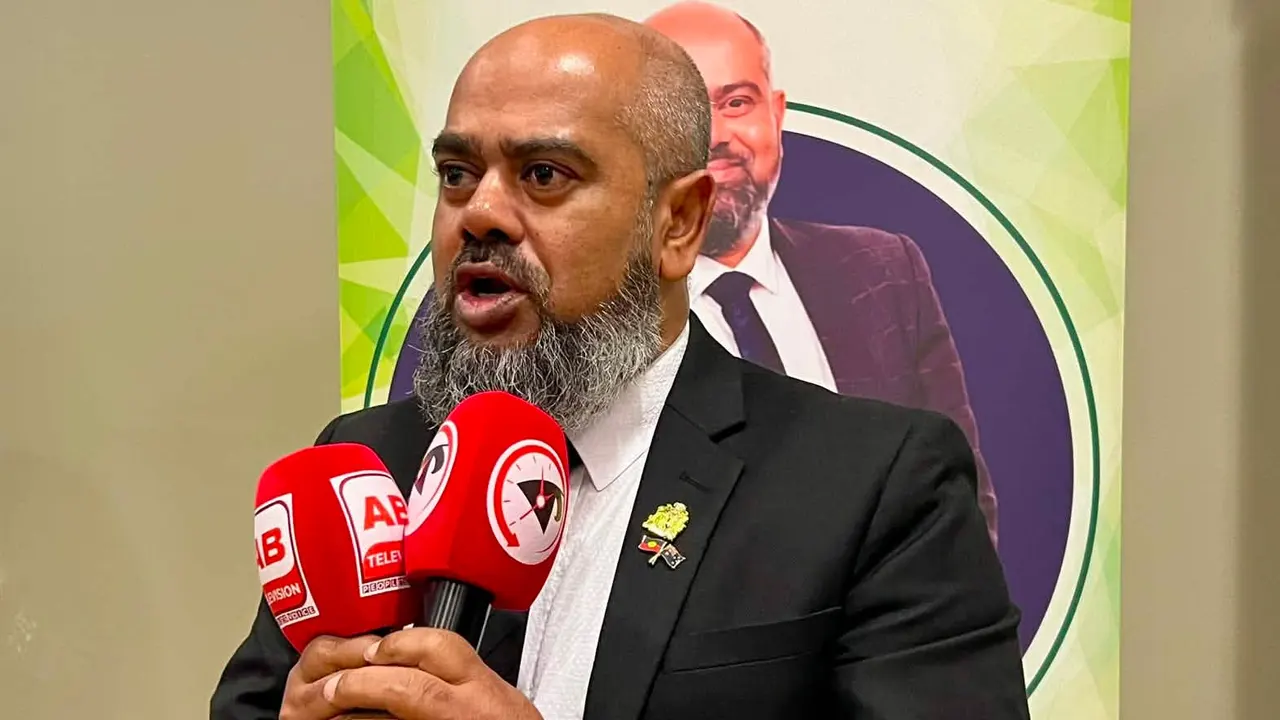
Darwin, September 06: Bangladeshi-Australian community leader and Campbelltown City Councillor and former Deputy Mayor Mohammad Ibrahim Khalil Masud has formally announced his candidacy for the…

Dhaka, September 6: One of the largest Pir-Mashaikh conferences was held in the capital Dhaka, bringing together around 3,000 delegates from home and abroad, including representatives…
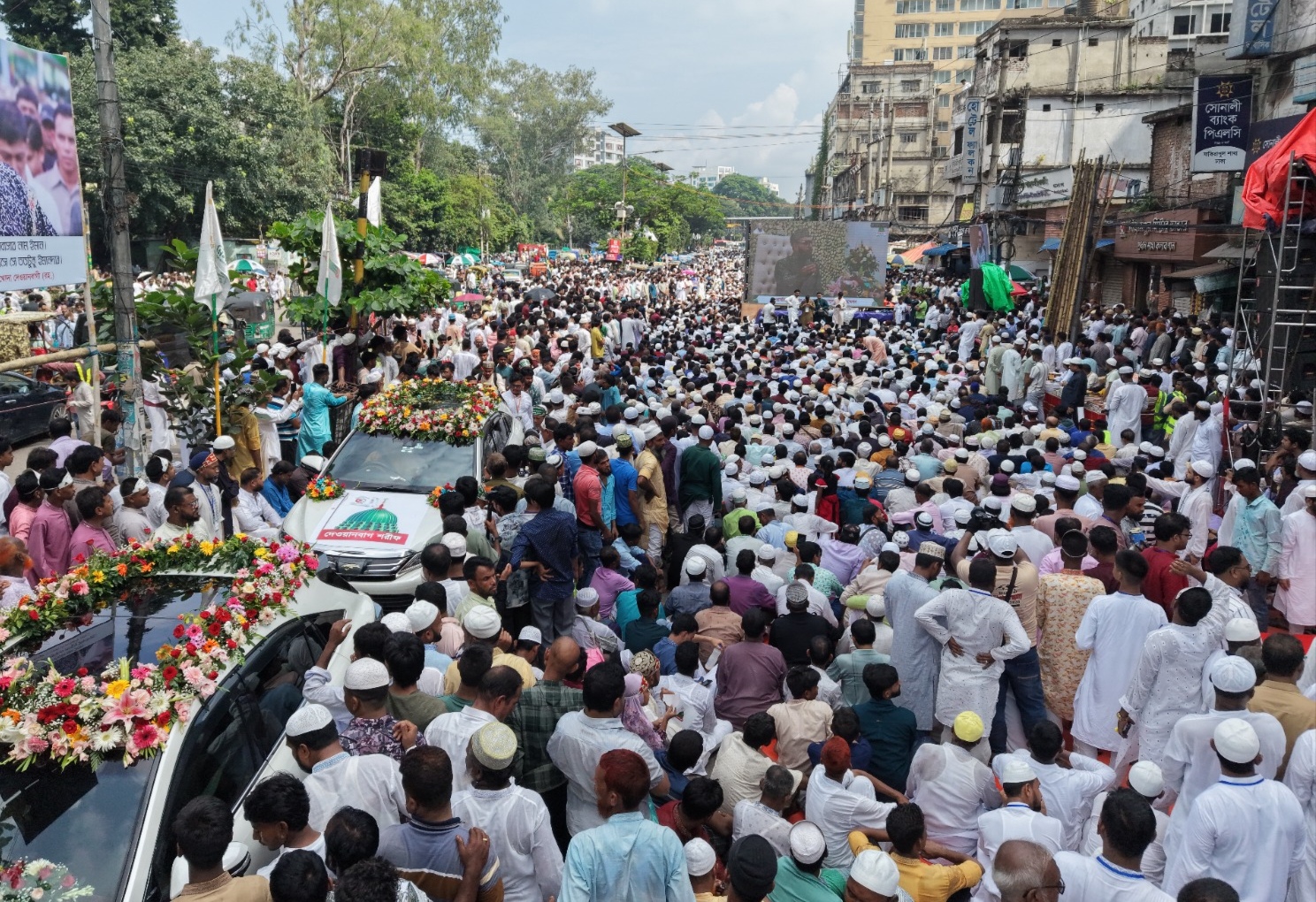
Darwin, August 27: More than 100,000 devotees took part in a colourful rally in Dhaka to mark the 1,501st birth anniversary of Prophet Muhammad (PBUH),…
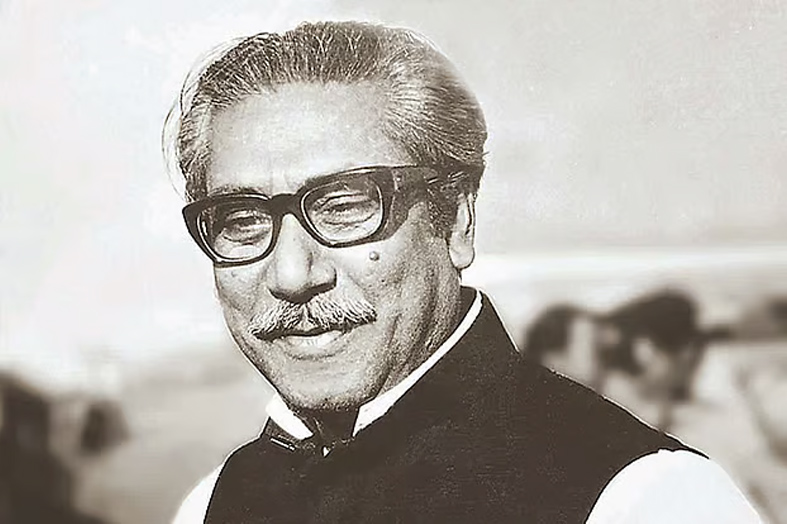
Darwin, August 15 : The death anniversary of Bangabandhu Sheikh Mujibur Rahman, the architect of independent Bangladesh, is being observed today, August 15. On this…

Darwin, 15 August : The United Nations has expressed concern over attempts to establish cells of al-Qaeda in Bangladesh. The concern was raised in a…

Darwin, August 10: The pass rate in this year’s Secondary School Certificate (SSC) and equivalent examinations in Bangladesh has fallen to 62.25 percent, the lowest…
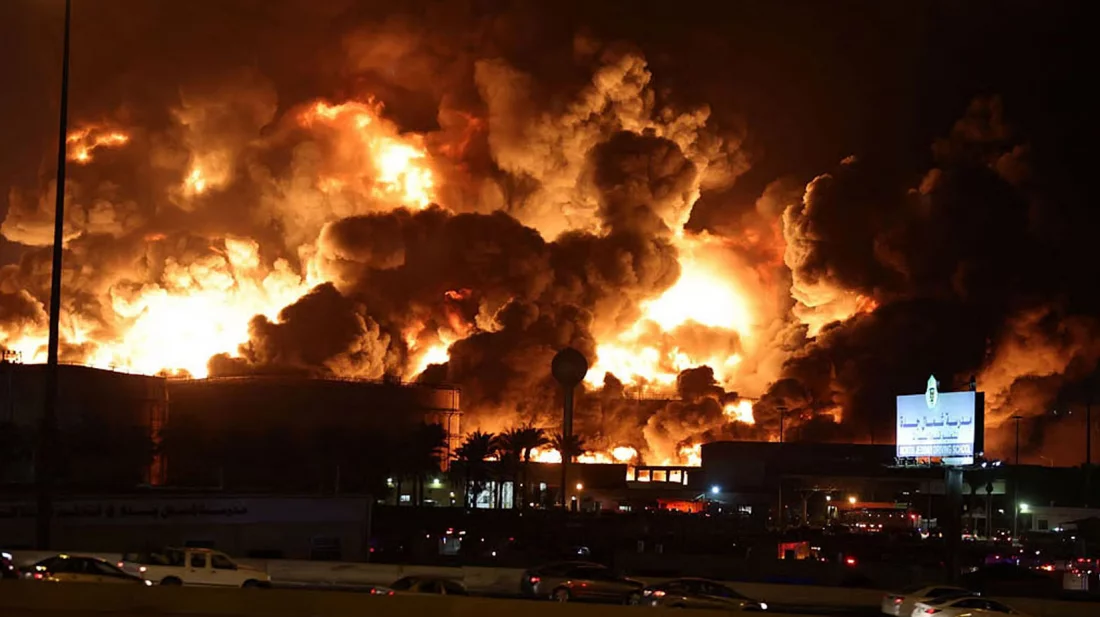
Darwin, August 10: Sixteen Bangladeshi workers have died in a devastating fire at a sofa factory in the Musa Sanaya area of Riyadh, the capital…