Deaths in Australia Expected to Outnumber Births by the 2060s, Report Says
Darwin, October 05: Deaths in Australia are expected to outnumber births by the 2060s, according to a government report, marking a demographic milestone that countries…



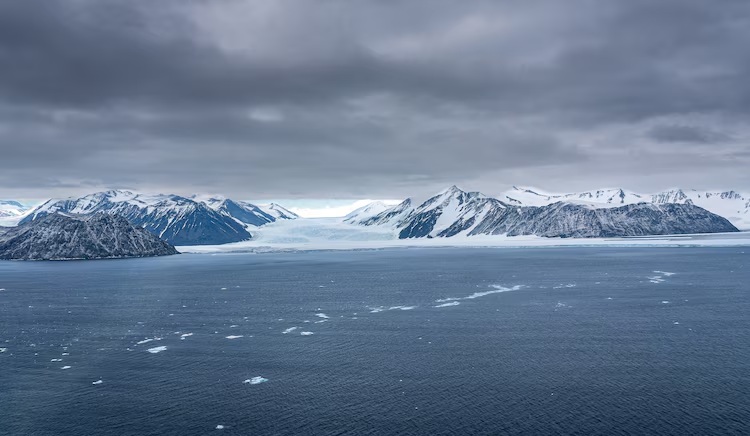
SYDNEY: Scientists have discovered methane, one of the most potent greenhouse gases, escaping at a high rate from cracks in the seabed of the Antarctic, raising new concerns about the accelerating impact of warming in the region.
The findings, published in Nature Communications, suggest that this methane discharge mechanism may be “widespread” throughout the Ross Sea area rather than a “rare phenomenon.”
Methane is a “super pollutant,” according to the U.S. Environmental Protection Agency, and is responsible for about one-third of current human-caused global warming. Critically, it is 25 times more potent than carbon dioxide at trapping heat in the atmosphere.
Researchers confirmed they measured streams of methane bubbles originating from fissures in the seabed of the Ross Sea, located on the northern coast of the continent. They identified numerous sites of fluid and gas seepage in the shallow coastal environments of Northern Victoria Land and McMurdo Sound, both within the Ross Sea, using acoustic surveys and Remotely Operated Vehicles (ROVs).
A large, global reservoir of methane is naturally stored beneath sea floors, and the new data suggests that as the Antarctic region warms at unprecedented rates, this stored gas is becoming vulnerable.
Link to Ice Mass Loss and Climate Change
Researchers suggest the methane leaks appear to be occurring in areas of the ocean experiencing seepage of hydrocarbon-rich fluids. The discovery in the Antarctic mirrors past research in the Arctic, where tens of thousands of methane seeps have been identified, many of which are linked to the degradation of glacial ice and permafrost.
The mechanism suggests that the ongoing reduction in the weight of Antarctic ice sheets and glaciers may decrease hydrostatic pressure on underlying reservoirs. This process can then enhance methane discharge onto the coast and into the ocean. Greenhouse gases stored in subsea permafrost in ice-free regions of the Antarctic are similarly vulnerable to climate change impacts.
The authors emphasized that there is a “continued gap” between the measured increase in atmospheric methane and the total emissions predicted from currently known sources, highlighting the critical need to understand the role of oceans and coastlines in methane release.
The scientists concluded that the increasing climate impacts in the Antarctic “highlight the importance of understanding the current and future dynamics of fluid and gas release from the significant reservoirs predicted in the region,” calling for more study to determine the full role of Antarctic methane emissions.

Darwin, October 05: Deaths in Australia are expected to outnumber births by the 2060s, according to a government report, marking a demographic milestone that countries…

Darwin, October 04: Ten people, including three children, have been injured after a car crashed into a crowd of rugby league fans in Newcastle, eastern…
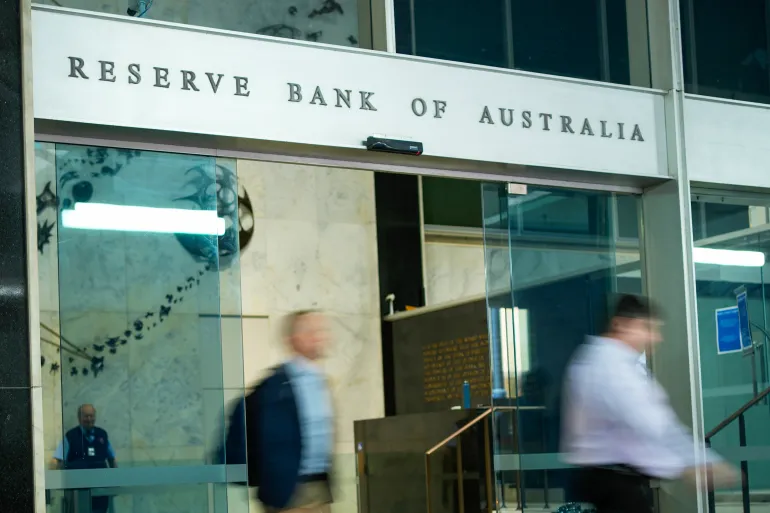
Darwin, October 4: Australia’s central bank has raised interest rates to their highest level in 15 years, increasing mortgage repayments for millions of Australian households….

Darwin, September 06: Bangladeshi-Australian community leader and Campbelltown City Councillor and former Deputy Mayor Mohammad Ibrahim Khalil Masud has formally announced his candidacy for the…

Darwin, September 02: Queensland has introduced strict new rules governing the use of e-bikes and e-scooters. From now on, people using these electric vehicles in…

Darwin, August 28: At least 39 Australian citizens are among nearly 1,500 people still missing following devastating flash floods and landslides in areas along the…

Darwin, 28 July : Australia’s new national emergency alert system, AusAlert, successfully completed its first nationwide trial on Monday. At 2:00 pm local time (AEST)…

Darwin, 10 July : India and Australia have signed a significant energy cooperation agreement, including uranium exports, during Indian Prime Minister Narendra Modi’s visit to…