Silver, Platinum and Palladium Prices Fall in Global Markets
Darwin, September 8: Precious metal prices declined in the international market on Tuesday. In the spot market, silver prices fell 0.5% to $65.76 per ounce….



WASHINGTON D.C. – Soaring beef prices in the US have escalated into a major political liability for the Trump administration, forcing President Donald Trump to address the issue on social media this week by publicly urging ranchers to lower the price of their cattle.
Beef inflation is significantly outpacing general food inflation, with retail prices for beef steaks up 16.6% in the 12 months to September, and ground beef rising 12.9%, according to the Bureau of Labor Statistics.
The price surge is driven by a domestic supply crisis: the US cattle inventory has fallen to its lowest level in nearly 75 years. Compounding the issue are years of drought and an intense strain from high costs for inputs like fertilizer and equipment.
President Trump’s attempts to intervene have been met with swift backlash from the agricultural industry. Ranchers worry that some of the administration’s proposed solutions will hurt their livelihoods without making a meaningful dent in grocery store prices.
The backlash was particularly strong after Trump proposed quadrupling US beef imports from Argentina. The National Cattlemen’s Beef Association condemned the plan, saying it “only creates chaos… while doing nothing to lower grocery store prices.”
Trump responded by noting he was helping farmers in other ways, but maintained his demand: “They also have to get their prices down, because the consumer is a very big factor in my thinking, also,” he wrote.
Justin Tupper, president of the US Cattlemen’s Association, believes only the four major meat packers would benefit from increased imports, stating, “I don’t see that lowering prices here at all.”
Agricultural experts argue the real problem is the consolidated nature of the US meat processing market, where just four firms control more than 80% of the slaughtering and packing.
Austin Frerick, an agricultural policy expert at Yale University, stated, “These are consolidated markets gouging ranchers and gouging consumers at the store.” The processing firms—Tyson, JBS, Cargill, and National Beef—have previously faced lawsuits alleging collusion to inflate beef prices.
Ranchers say this market dominance has left them vulnerable. Mike Callicrate, a rancher in Kansas, warned that the US “is not going to rebuild this cow herd—not until we address market concentration.”
Meanwhile, the Department of Agriculture did unveil a “big package” aimed at supporting small processors and opening more land for cattle grazing. However, experts like Derrell Peel of Oklahoma State University predict prices will remain elevated until at least the end of the decade, as replenishing herds is a slow process.
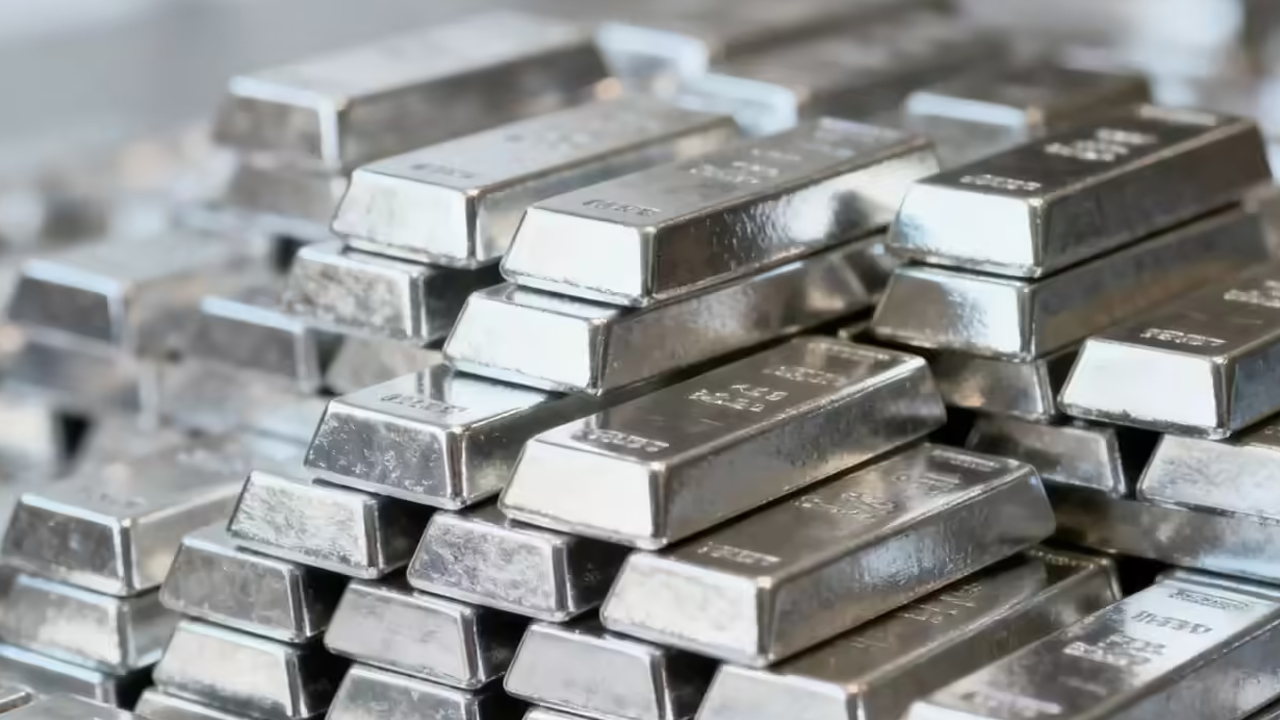
Darwin, September 8: Precious metal prices declined in the international market on Tuesday. In the spot market, silver prices fell 0.5% to $65.76 per ounce….
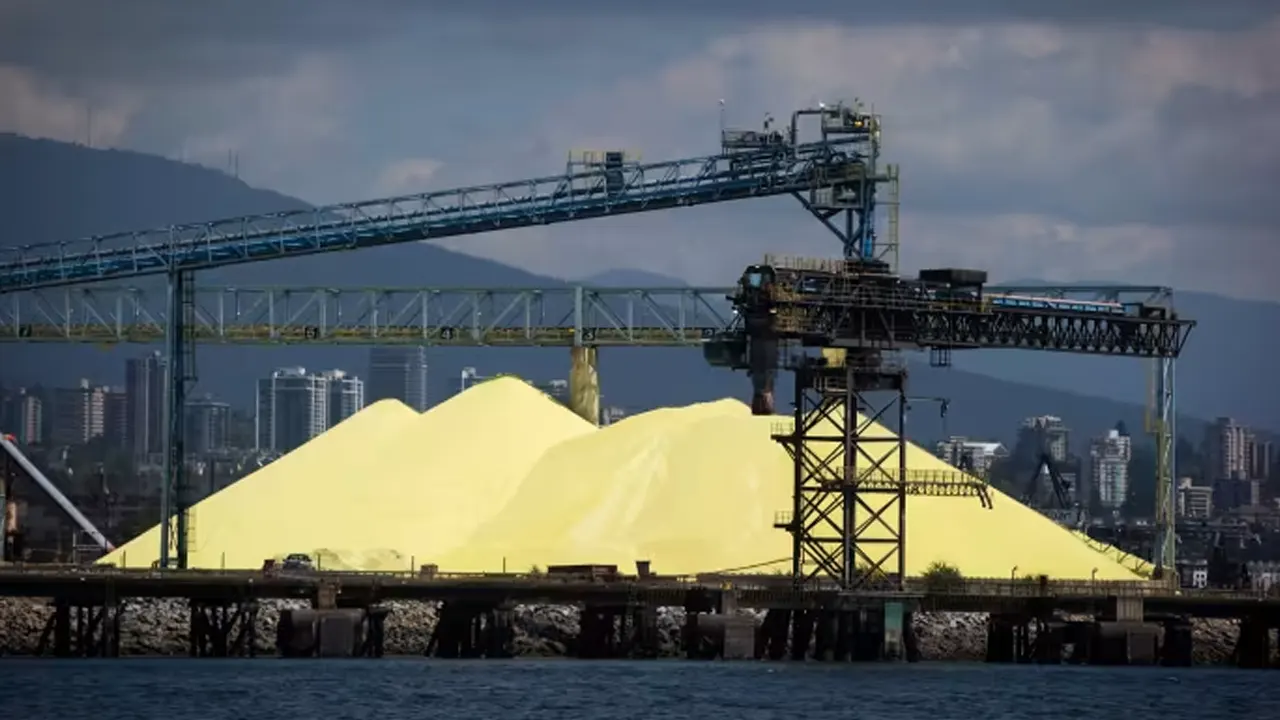
Darwin, August 03: Global sulfur prices have surged by 134% due to supply disruptions caused by the Iran–U.S. conflict, raising fertilizer production costs and increasing…

Darwin, 24 July : The European Union (EU) has fined tech giant Google €890 million (approximately US$1 billion) for violating the bloc’s digital antitrust rules….

Darwin, 26 June : International gold prices declined for a third consecutive day, with the precious metal now trading below the $4,000-per-ounce mark following the…
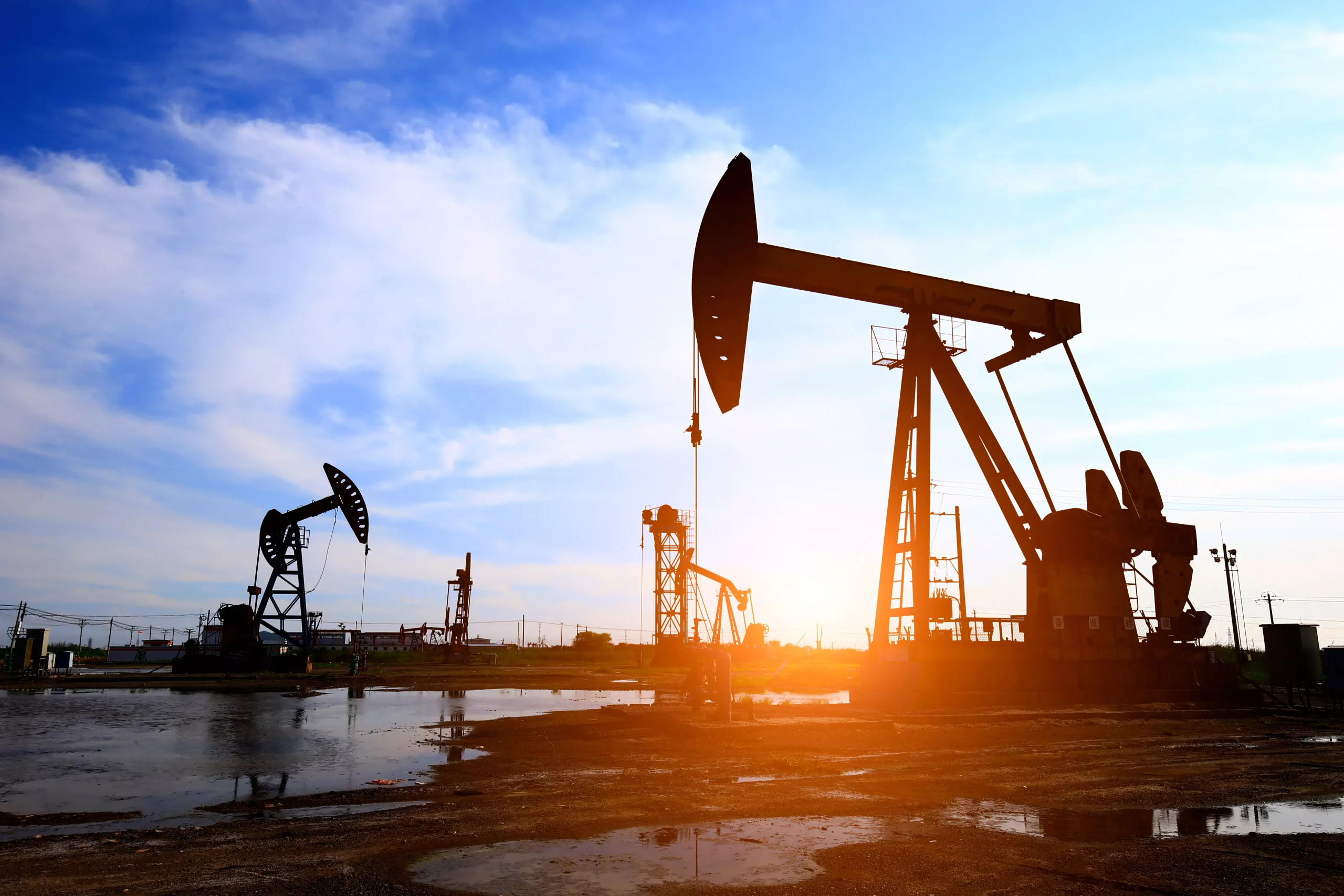
Darwin, 26 June : Global oil prices fell to their lowest levels since before the Iran conflict, as expectations of increased crude supplies from the…
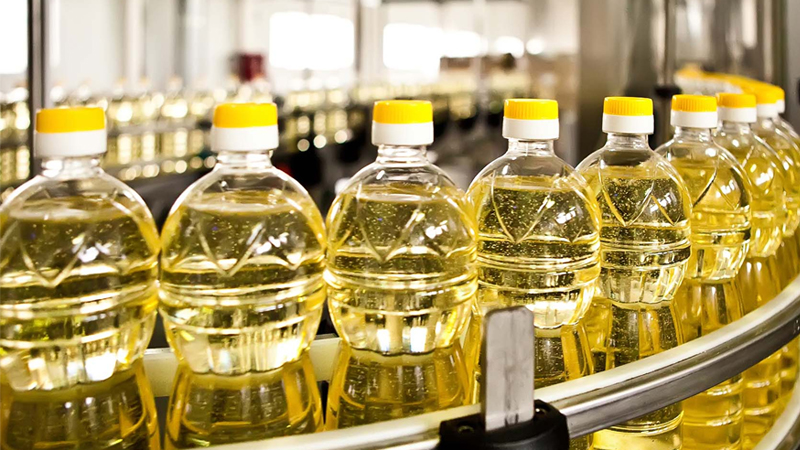
Darwin, 15 May: Prices of edible oils such as soybean, palm, and sunflower continue to rise in the global market, reaching their highest level since…

Darwin, 07 February: According to a report from BBC, Saudi Arabia expanded alcohol sales beyond diplomats at the end of 2025. Previously, only foreign diplomats…

Get fit with ease! Gold’s Gym Bangladesh and City Bank announce interest-free EMI, Amex discounts, and free nutrition plans for members.