Silver, Platinum and Palladium Prices Fall in Global Markets
Darwin, September 8: Precious metal prices declined in the international market on Tuesday. In the spot market, silver prices fell 0.5% to $65.76 per ounce….



A new analysis of global spending reveals that the decision by the United States to dramatically tighten its laws against foreign investment in 2018 was driven by a stunning security breach: the quiet purchase of a small insurer holding the personal details of American intelligence officers by a Chinese state-backed entity.
The case of Wright USA, an insurer specializing in liability policies for FBI and CIA agents, exposed the risk of Beijing’s $2.1 trillion global investment strategy.
In 2015, Wright USA was quietly purchased by China’s Fosun Group. Veteran journalist Jeff Stein uncovered that the company was privy to the personal information of many top secret service and intelligence officials.
“Someone with direct knowledge called me up and said, ‘Do you know that the insurance company that insures intelligence personnel is owned by the Chinese?'” Stein remembers.
Exclusive data seen by the BBC and compiled by the research lab AidData confirms the deal was deeply integrated with the Chinese state: four Chinese state banks provided a $1.2 billion loan, routed through the Cayman Islands, to facilitate the purchase.
The ensuing panic in Washington led to an inquiry by the US Treasury’s Committee on Foreign Investment in the United States (CFIUS), forcing the company to be sold back to Americans shortly after. High-level US sources confirmed this case was one of the key factors that led the Trump administration to tighten investment laws in 2018.
AidData’s four-year research effort, the first known comprehensive tally, reveals that since 2000, Beijing has spent $2.1 trillion outside its borders, with a roughly equal split between developing and wealthy countries—a finding that “came as a great surprise,” according to AidData’s Brad Parks.
Parks argues that Western governments initially failed to recognize these investments as part of a centralized strategy: “I think what they’ve learned over time is that actually Beijing’s party state is behind the scenes writing the cheques to make this happen.”
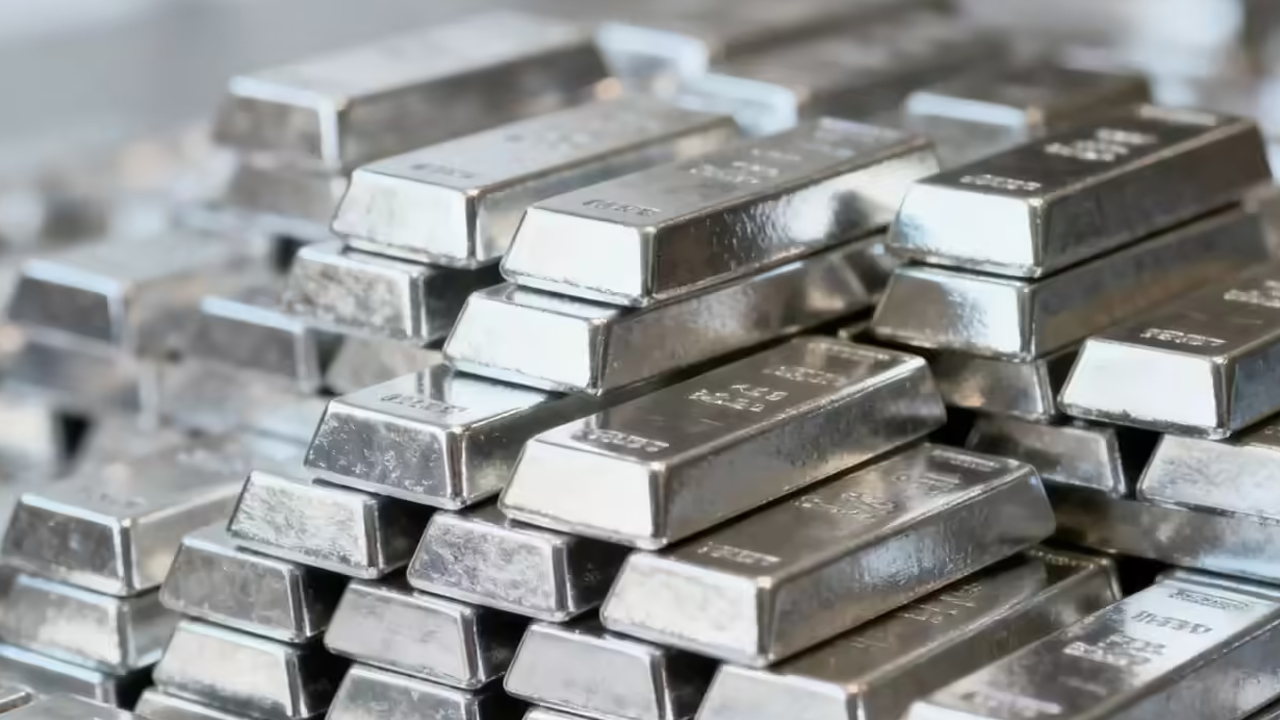
Darwin, September 8: Precious metal prices declined in the international market on Tuesday. In the spot market, silver prices fell 0.5% to $65.76 per ounce….
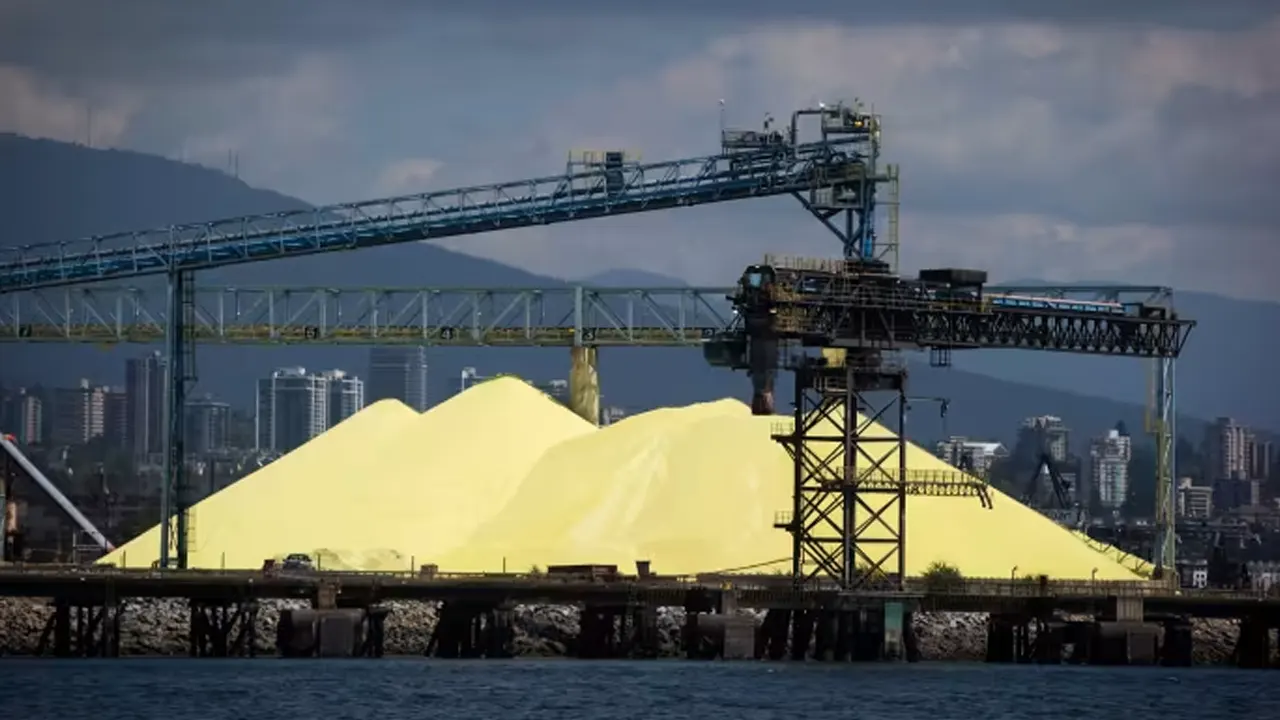
Darwin, August 03: Global sulfur prices have surged by 134% due to supply disruptions caused by the Iran–U.S. conflict, raising fertilizer production costs and increasing…
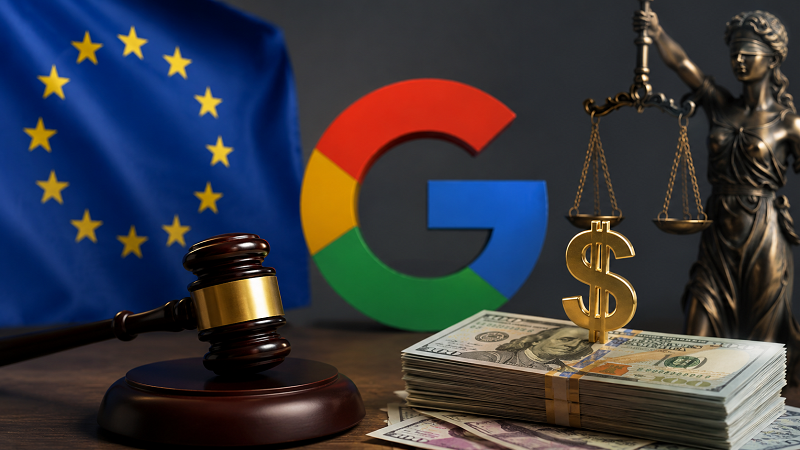
Darwin, 24 July : The European Union (EU) has fined tech giant Google €890 million (approximately US$1 billion) for violating the bloc’s digital antitrust rules….
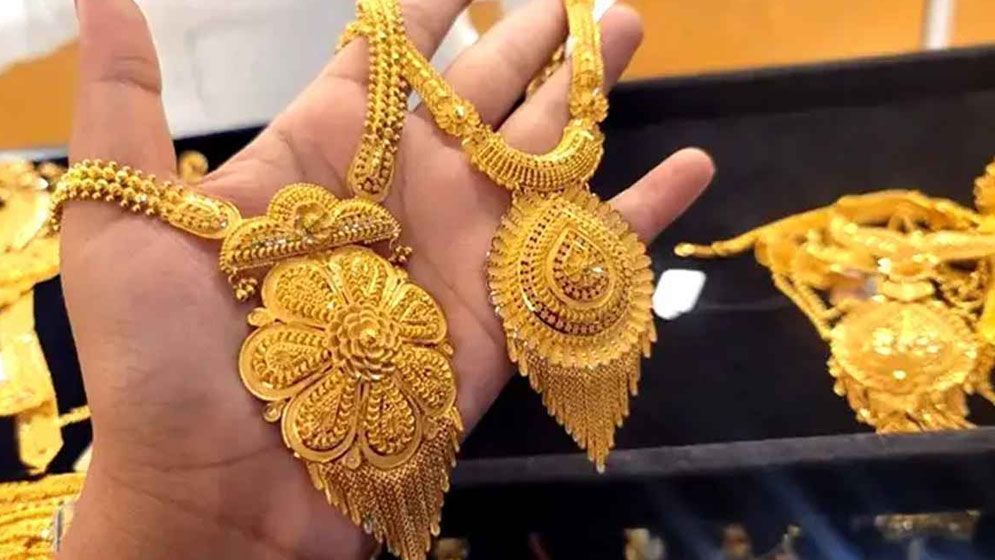
Darwin, 26 June : International gold prices declined for a third consecutive day, with the precious metal now trading below the $4,000-per-ounce mark following the…
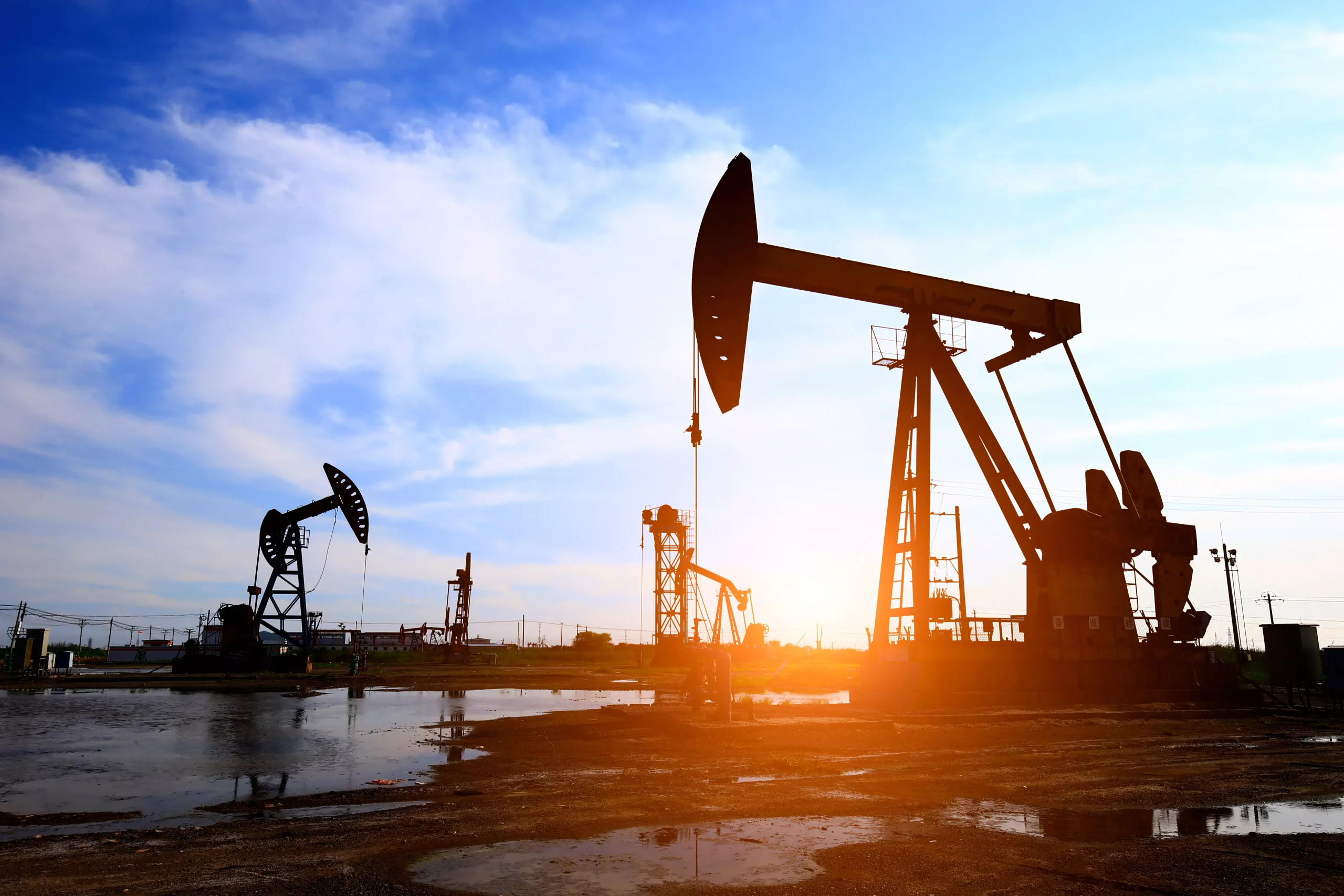
Darwin, 26 June : Global oil prices fell to their lowest levels since before the Iran conflict, as expectations of increased crude supplies from the…

Darwin, 15 May: Prices of edible oils such as soybean, palm, and sunflower continue to rise in the global market, reaching their highest level since…

Darwin, 07 February: According to a report from BBC, Saudi Arabia expanded alcohol sales beyond diplomats at the end of 2025. Previously, only foreign diplomats…

Get fit with ease! Gold’s Gym Bangladesh and City Bank announce interest-free EMI, Amex discounts, and free nutrition plans for members.