Silver, Platinum and Palladium Prices Fall in Global Markets
Darwin, September 8: Precious metal prices declined in the international market on Tuesday. In the spot market, silver prices fell 0.5% to $65.76 per ounce….



DHAKA : In a landmark move to deepen the liquidity of the country’s capital market, the government has agreed in principle to offload shares of ten highly profitable state-owned enterprises (SOEs) and multinational companies.
The decision was finalized during a high-level meeting at the Ministry of Finance on Wednesday, chaired by Finance Adviser Dr. Salehuddin Ahmed. The initiative aims to address the long-standing issue of market depth and bring fundamentally strong stocks to the Dhaka Stock Exchange (DSE).
The government has identified an initial batch of 10 companies for listing, including both state-run energy firms and global multinational subsidiaries. The list includes:
Unilever Bangladesh Limited, Nestlé Bangladesh PLC, Syngenta Bangladesh, Novartis (Bangladesh), and Sinovia Bangladesh.
Karnaphuli Gas, Sylhet Gas Fields, North-West Power Generation, Pashchimanchal Gas, and KAFCO.
Dr. Salehuddin Ahmed emphasized that the stock market has stabilized within a legal framework, but now requires high-quality “blue-chip” shares to regain public trust. “To regain confidence, we have decided that shares of good, fundamentally strong government companies should be offloaded,” the Adviser stated.
A significant portion of the discussion centered on multinationals like Unilever, where the Bangladesh government holds a 40% stake. Abu Ahmed, Chairman of the Investment Corporation of Bangladesh (ICB), questioned the delay in listing these firms.
“If Nestlé can be listed in Bombay (Mumbai), what is the problem here?” he remarked, noting that these companies are already listed in neighboring markets like Pakistan and Thailand. He suggested a “carrot and stick” approach: offering tax incentives for those who list, and potentially increasing taxes for those who remain private.
Addressing past failures to list SOEs, Dr. Salehuddin noted that the current initiative has official ministry-level approval, moving further than any previous attempt. While multinationals require board-level approvals from their global headquarters, the Bangladesh government has issued a “clear message” that the public interest must come first.
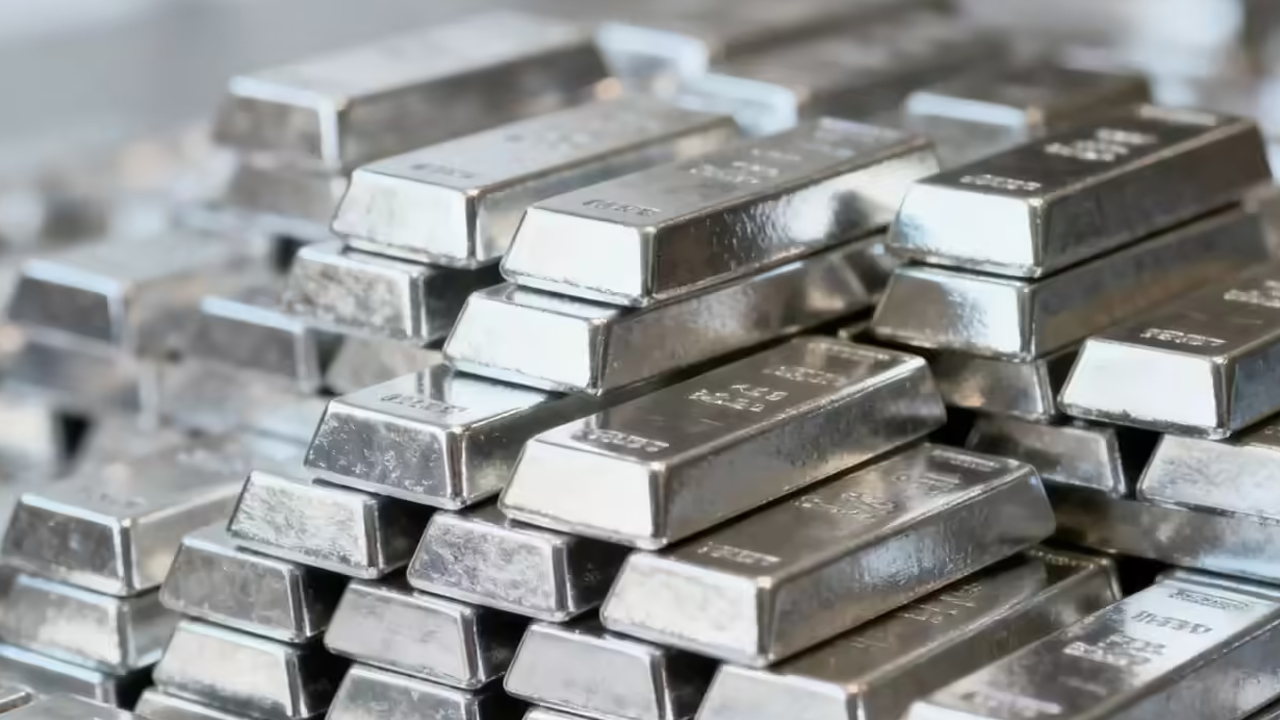
Darwin, September 8: Precious metal prices declined in the international market on Tuesday. In the spot market, silver prices fell 0.5% to $65.76 per ounce….
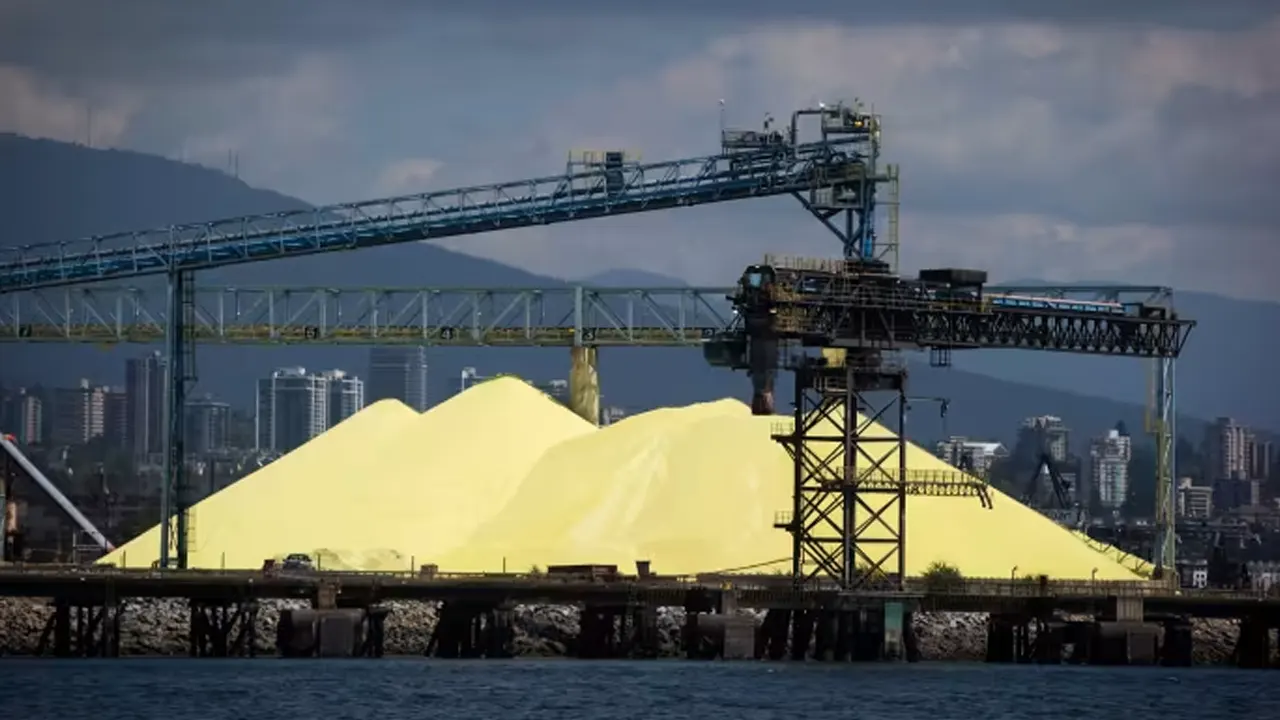
Darwin, August 03: Global sulfur prices have surged by 134% due to supply disruptions caused by the Iran–U.S. conflict, raising fertilizer production costs and increasing…

Darwin, 24 July : The European Union (EU) has fined tech giant Google €890 million (approximately US$1 billion) for violating the bloc’s digital antitrust rules….
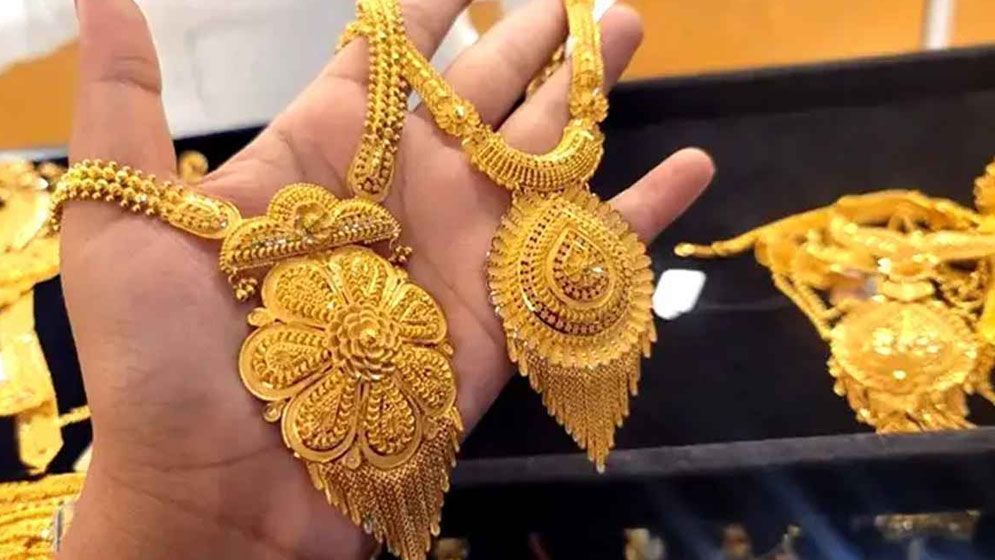
Darwin, 26 June : International gold prices declined for a third consecutive day, with the precious metal now trading below the $4,000-per-ounce mark following the…

Darwin, 26 June : Global oil prices fell to their lowest levels since before the Iran conflict, as expectations of increased crude supplies from the…
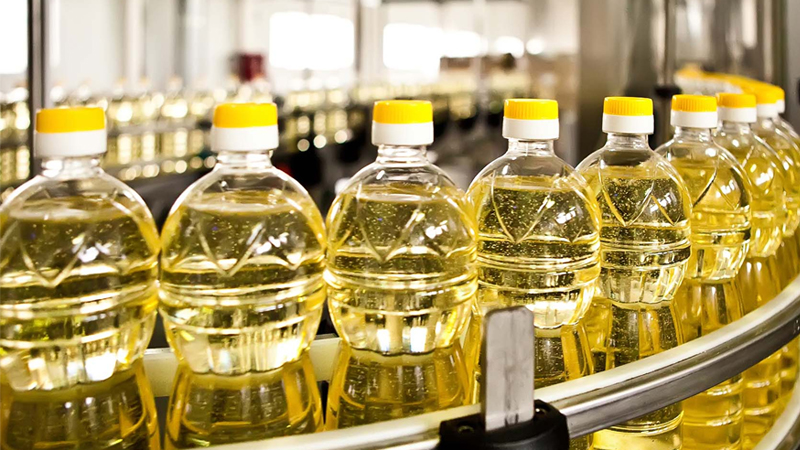
Darwin, 15 May: Prices of edible oils such as soybean, palm, and sunflower continue to rise in the global market, reaching their highest level since…

Darwin, 07 February: According to a report from BBC, Saudi Arabia expanded alcohol sales beyond diplomats at the end of 2025. Previously, only foreign diplomats…

Get fit with ease! Gold’s Gym Bangladesh and City Bank announce interest-free EMI, Amex discounts, and free nutrition plans for members.