Pritom Hasan and Shehtaz Monira End 10-Year Relationship, Move Towards Divorce
Darwin, October 05: Popular Bangladeshi singer and actor Pritom Hasan and model-actress Shehtaz Monira Hashem have decided to end their marriage after a decade together,…



“These impulses come over me all of a sudden, and I cannot resist them,” confesses Hedda Gabler, the notorious 19th-century anti-heroine who remains one of the greatest, and most difficult, roles for women ever written.
With the release of director Nia DaCosta’s (The Marvels) new film, Hedda, the controversy surrounding Ibsen’s plotting, discontented new bride is reignited. The film, starring Tessa Thompson as Hedda, is a queer reimagining that transports the claustrophobic psychodrama to 1950s England, an era Thompson describes as one of “great pretending.”
DaCosta’s film boldly gender-swaps Hedda’s former lover, Ejlert Løvborg, to Eileen (Nina Hoss). Tessa Thompson’s Hedda is re-envisioned as the illegitimate, mixed-race daughter of the deceased General Gabler, adding complex layers of class and race to the play’s original exploration of gender and desire.
Unlike Ibsen’s original, the film unravels over one decadent, destructive soirée. DaCosta explains that Hedda is a “questioner” whose desire to expose the falseness in others—and herself—manifests in “quite violent and destructive” ways, reflecting the character’s dark, mercurial core.
The character, often nicknamed the “female Hamlet” due to her fathomless complexity, has fascinated and divided audiences since her 1891 stage premiere.
Hedda, trapped in a loveless marriage to academic George Tesman, finds herself stifled by patriarchal society. She plots the downfall of her former lover, Løvborg, manipulating him into destroying his prized manuscript in an attempt to exercise her “power to mould a human destiny.” When her scheme backfires, the play climaxes with her suicide.
The core question remains: Is Hedda a monster lashing out of pure spite, or a tragic victim of an unfair system she cannot escape? Her wily schemes and inscrutable motives have made it impossible for audiences and critics—including big-name actors from Maggie Smith to Cate Blanchett—to agree on her nature.

In new film Hedda, the action is re-envisioned in 1950s England (Credit: Prime Video)
Ibsen wrote the play before the women’s suffrage movement gained full momentum, yet the story predicted the social upheaval to come, centering a woman fed up with patriarchal strictures—a situation that still resonates today. The play’s continual reinvention is a testament to its contemporary power.
Significantly, Ibsen named the character Gabler (her maiden name) rather than Tesman (her married name). The playwright explicitly stated his intention was to signify that Hedda was “her father’s daughter,” implying she would not be cowed by the institution of marriage.
Upon its premiere, the play shocked genteel European society. As Kirsten Shepherd, a professor of English and theatre studies at the University of Oxford, notes, male critics at the time “didn’t know what to make of an unwomanly, unfeminine woman,” often resorting to “animalistic imagery” to describe a woman who dared to exist outside the dominant, passive mode of femininity.
The film’s release ensures that the uncomfortable but compelling debate over Hedda’s desires, destructiveness, and ultimate tragedy will continue to be discussed in the modern era.
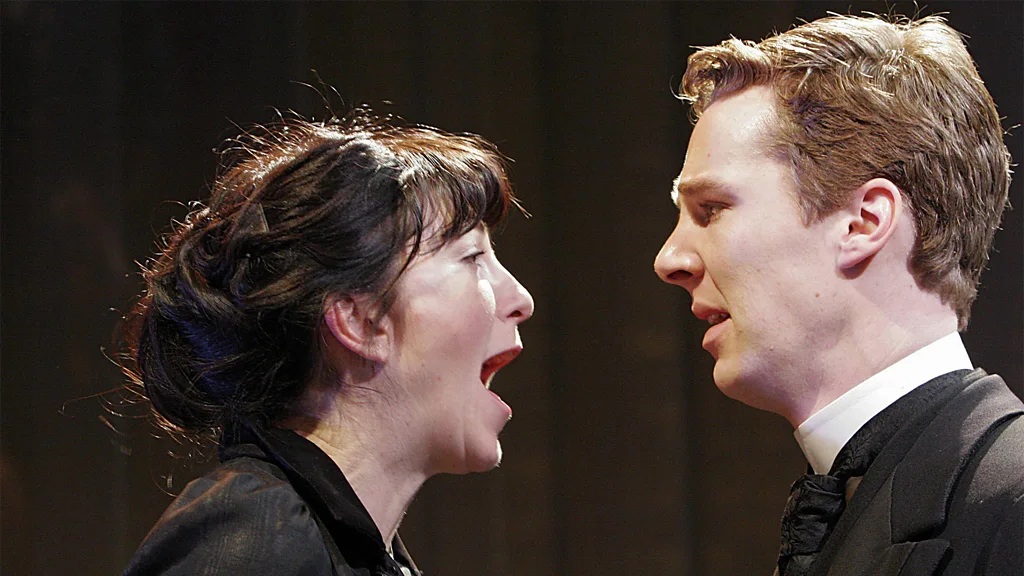
Cate Blanchett is among the many famous actresses who have taken on the role (Credit: Getty Images)
The seeds of Hedda Gabler’s struggle for independence were sown long before the 1891 play. Professor Kirsten Shepherd notes that Hedda “follows a succession of [Ibsen’s] plays that increasingly deal with women’s roles in society,” starting with the groundbreaking A Doll’s House in 1879.
The plot of A Doll’s House, where heroine Nora famously walks out of her unhappy marriage, was directly inspired by the tragic experiences of Ibsen’s contemporary, novelist Laura Kieler. Kieler, seeking money to repay debts, was refused help by Ibsen. After she obtained the funds fraudulently, her husband divorced her and had her committed to an asylum.
Ibsen later wrote of his awareness that “a woman cannot be herself in modern society.” While Nora was granted the freedom Kieler was denied, the playwright’s supposed “apology through art” was sarcastically challenged years later when Kieler wrote her own play, Men of Honour. Shepherd confirms Ibsen was following Kieler’s story, making him “sharply aware of the limitations for talented women in society” around the time he was writing Hedda Gabler.
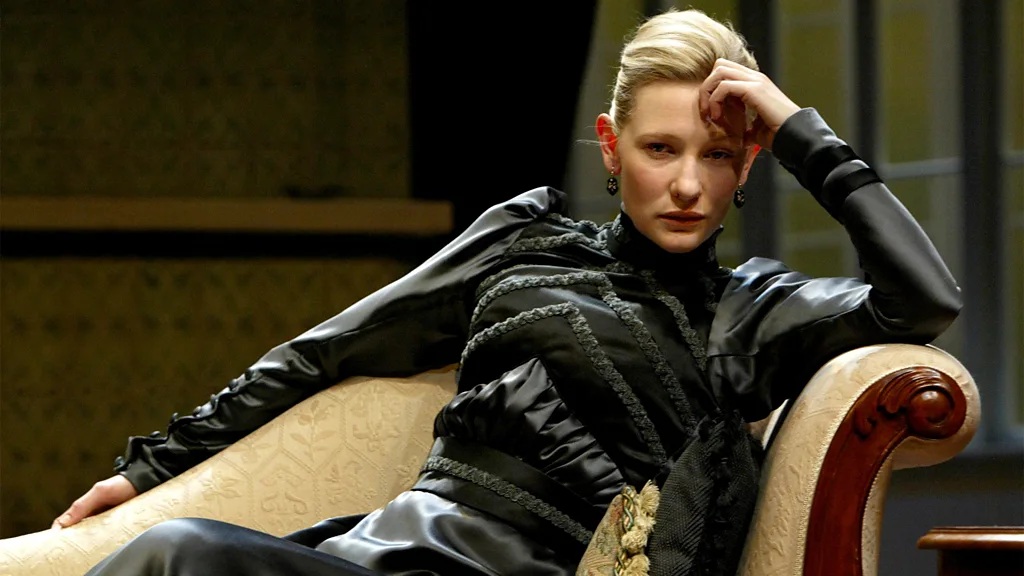
Cate Blanchett is among the many famous actresses who have taken on the role (Credit: Getty Images)
What sets Hedda apart from Ibsen’s other independent protagonists, like Nora, is her decisive destructive, cruel, and merciless nature. Shepherd asks why Ibsen would create a leading female character so unappealing to the audience.
Compounding this difficulty was Hedda’s explicit aversion to motherhood. Ongoing allusions that she is pregnant and that her suicide is the killing of her unborn child were intentionally shocking, placing her character in dialogue with dark myths about murderous mothers.
“You couldn’t allude to pregnancy in a frank way like that” on stage at the time, says Shepherd, cementing the play’s reputation for scandal.
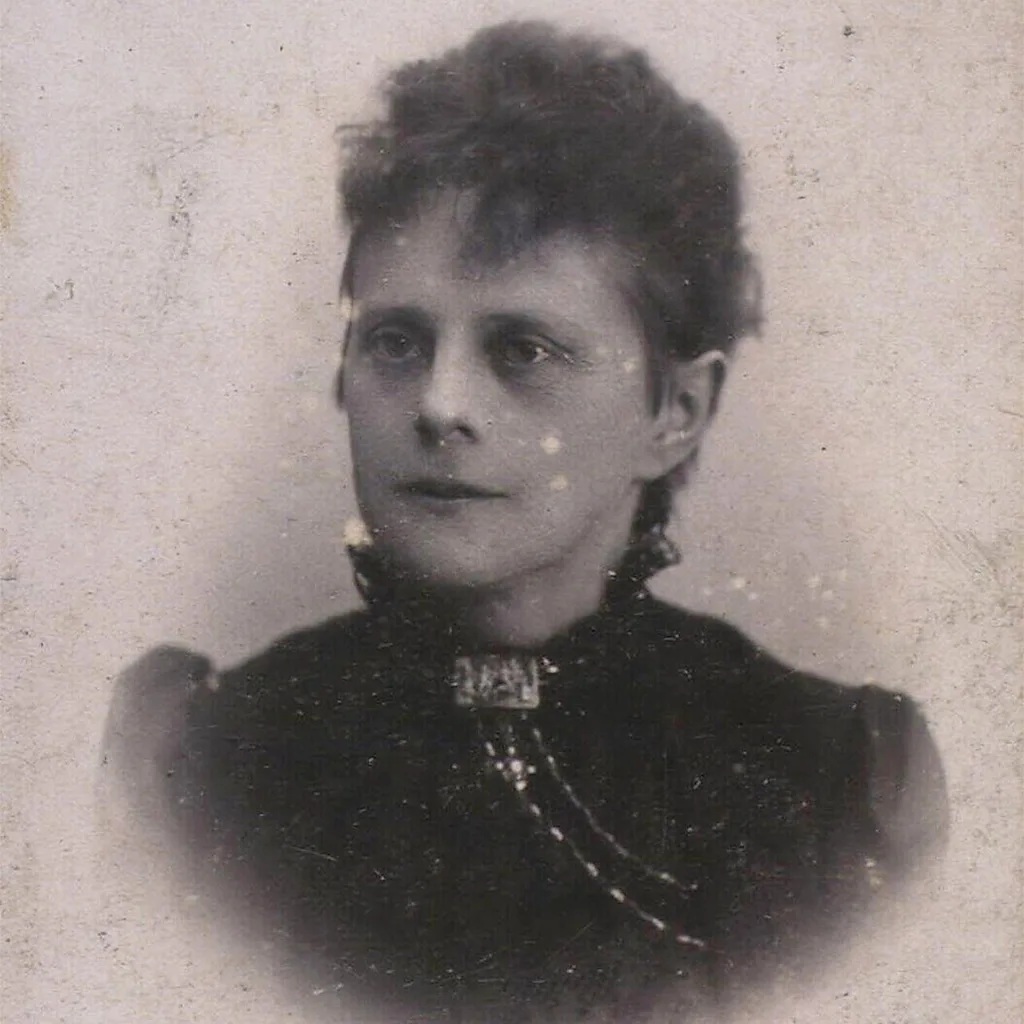
A young Benedict Cumberbatch playing Hedda’s husband Tesman, opposite Eve Best, in 2006 (Credit: Alamy)
The play’s controversial standing was ironically sealed by its 1891 London stage debut. To avoid censorship, actor Elizabeth Robins staged an opulent production at the small-scale Independent Theatre, bringing “a kind of panache to Ibsen that people hadn’t been expecting.” This stylish yet horrifying staging cemented Hedda Gabler’s position as a major European work.
Director Nia DaCosta’s new film seeks to recapture this “splendour, feverishness and voluptuousness” that she feels has been lost in recent revivals, digging into the piece’s psychological thriller aspects and dark humour. DaCosta says Hedda, the “best pretender of them all,” uses her many “masks” as a “survival technique.”
Ultimately, the enduring longevity of Hedda lies in her tragic ambiguity. Modern interpretations see her reflected in contemporary figures. Playwright Nina Segal argues that Hedda is reminiscent of “Britney Spears and Lindsay Lohan—these women who are put on a pedestal in order to be dragged down,” who draw immense interest but garner “so little empathy.” This continued resonance across different eras confirms Hedda Gabler as a masterpiece whose complexity cannot be contained.

Darwin, October 05: Popular Bangladeshi singer and actor Pritom Hasan and model-actress Shehtaz Monira Hashem have decided to end their marriage after a decade together,…

Entertainment Desk: Hayden Panettiere, the actress best known for her roles in Heroes, Remember the Titans and Nashville, has died at the age of 36,…
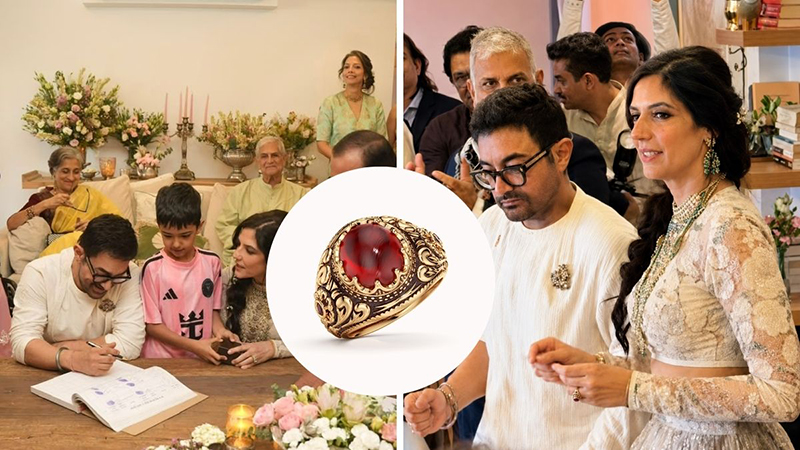
Entertainment Desk: Bollywood actor Aamir Khan recently tied the knot with Gauri Spratt in an intimate ceremony held at his residence in Mumbai’s Pali Hill….

Darwin, 04 July : American pop star Taylor Swift and NFL star Travis Kelce officially tied the knot at a lavish ceremony in New York…
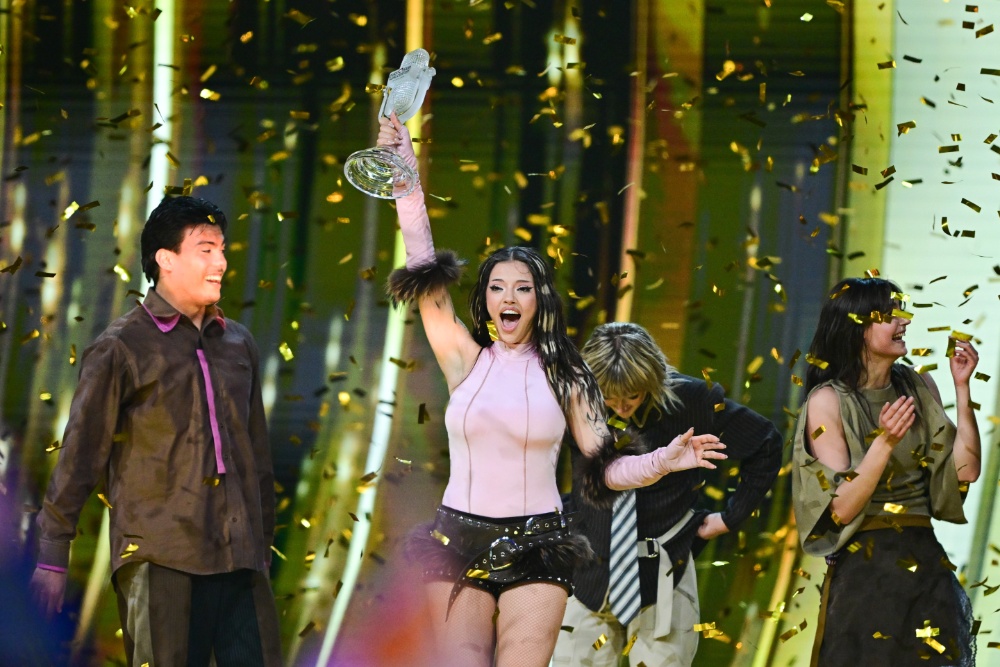
Darwin, 17 May : Bulgaria Wins Eurovision 2026 Amid Boycotts and Political Controversy Bulgaria has won this year’s Eurovision Song Contest, but the event was…

Entertainment Desk: Bollywood’s much-anticipated film ‘No Entry 2’ has suffered a setback as producer Boney Kapoor faces another major change in the cast. After prolonged…
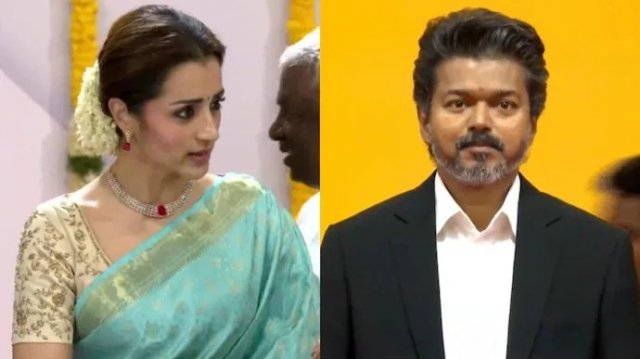
Darwin, 10 May : Popular actress grabbed attention at the swearing-in ceremony of as the Chief Minister of Tamil Nadu, appearing in an elegant blue…
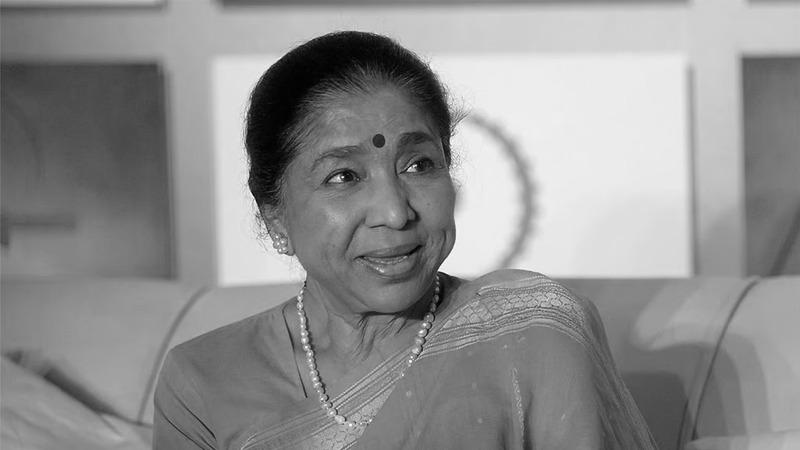
Darwin, 12 April : Legendary Indian singer Asha Bhosle has passed away. She was 92 years old at the time of her death. Indian media…