Successful Human Trial of Russia’s Cancer Vaccine
Darwin, August 02: Russia’s newly developed cancer vaccine, “NeoOncoVac,” has shown promising results in the early stage of human trials. Researchers involved in the project…



A medical mystery observed in Israel 25 years ago has culminated in a profound shift in pediatric guidance, leading to a dramatic reduction in peanut allergies among young US children.
Dr. Gideon Lack, then a practicing allergist in London, was stunned when only a handful of doctors in a Tel Aviv lecture raised their hands to indicate they had patients with peanut allergies—a condition that was soaring in the UK and US.
The difference, he discovered, was a common Israeli snack: Bamba, a peanut puff given to babies as early as 4 to 6 months old.
“By thinking we were protecting them, we were actually causing the problem,” Dr. Lack told CNN, referencing the old guidance that advised delaying introduction of peanuts until age three for high-risk babies.
To prove his hypothesis, Lack and his colleagues launched the LEAP (Learning Early About Peanut) study in 2015, a randomized controlled trial of high-risk infants.
Infants who avoided peanuts until age 5 developed peanut allergies at a rate of 13.7%.
Infants who consumed peanuts early (before age 1) developed the allergy at a rate of just 1.9%.
This demonstrated a more than 80% reduction in incidence.
Following the 2015 and 2017 updates to US guidelines, which endorsed the early introduction of peanuts, the medical community’s “zigzag” approach finally paid off.
A study published last month in the journal Pediatrics confirmed the success:
Rates of peanut allergies in US children aged 3 and under have fallen by 33% since the 2015 recommendation change.
This suggests that nearly 40,000 children may have avoided a peanut allergy diagnosis.
Dr. Lack’s research continues to evolve. The current focus is on the dual-exposure hypothesis: the idea that early exposure to food proteins through ingestion promotes tolerance, but exposure through inflamed skin (like with eczema) promotes sensitization and allergy development.
“For years, we used to think that food allergies cause eczema,” Lack said. “Now we know it’s the reverse.”
Lack is now co-leading the SEAL study, which is testing whether early and aggressive treatment of infant eczema (within the first 12 weeks) using moisturizers and topical steroids can prevent the initial skin-based sensitization, thereby reducing the likelihood of a food allergy developing later.
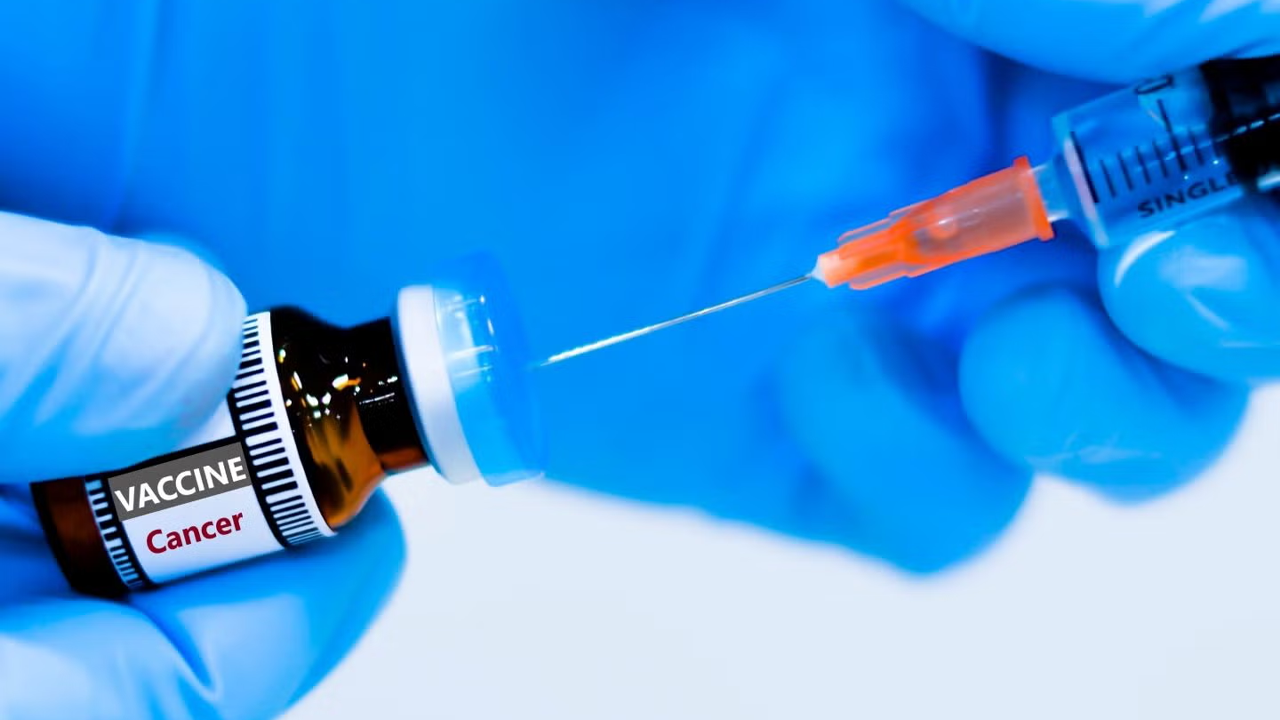
Darwin, August 02: Russia’s newly developed cancer vaccine, “NeoOncoVac,” has shown promising results in the early stage of human trials. Researchers involved in the project…

Darwin, 28 May : Russian scientists have developed a new vaccine aimed at combating the deadly Bundibugyo strain of Ebola, according to an announcement made by…

Darwin, 13 May : Health authorities in Western Australia have confirmed the detection of poliovirus in wastewater in Perth, marking the first such finding in…

Darwin, 09 May : The UK government suspects that a third British citizen has been infected with hantavirus, which spread aboard the cruise ship MV…

Darwin, 05 May: Bangladesh has reported its deadliest single day in the ongoing measles outbreak, with 17 children dying in the past 24 hours, according…

New research suggests your body handles a single big meal better than you think—but there’s a limit. Learn why five days of feasting is the danger zone.

The CDC officially abandoned universal newborn hepatitis B vaccination, recommending ‘shared decision-making,’ a major policy shift driven by the ACIP committee appointed by Robert F. Kennedy Jr.

A new £1m scanner at Royal Brompton Hospital using Cadmium Zinc Telluride (CZT), made by British firm Kromek, has cut lengthy lung scans from 45 to 15 minutes. The “amazing feat of engineering” allows for highly detailed 3D images while reducing the radioactive dose by 30%, ushering in a “revolution” in medical imaging.