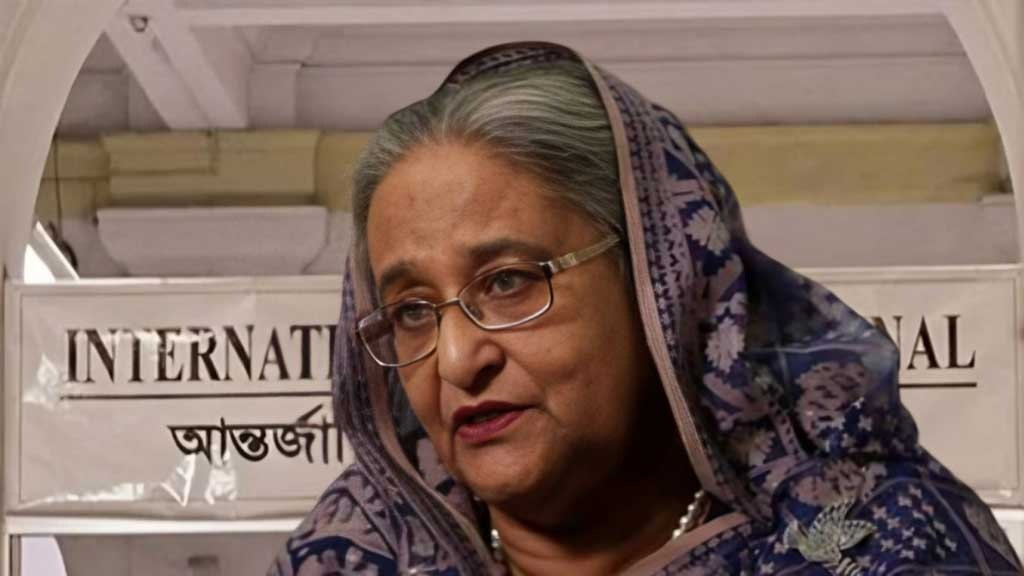
Security forces have implemented extremely tight measures across Dhaka following the announcement that the International Crimes Tribunal-1 (ICT-1) will deliver its verdict on November 17 in the high-stakes case against former Prime Minister Sheikh Hasina and two former senior officials.
The defendants—Sheikh Hasina, former Home Minister Asaduzzaman Khan Kamal, and former Inspector General of Police Chowdhury Abdullah Al-Mamun—face serious charges of crimes against humanity connected to the violence during the July Uprising last year that ultimately led to the government’s collapse.
In anticipation of the politically charged verdict, security around the tribunal complex has been dramatically reinforced.
Police, Border Guard Bangladesh (BGB), and Armed Police Battalion (APBn) personnel have been deployed to the court area.
Army patrols were also observed, underscoring the gravity of the case.
The charges allege that the defendants orchestrated or were complicit in a widespread and systematic attack on innocent, unarmed student protesters.
The five counts detailed in the prosecution’s complaint include shocking allegations of state-sanctioned violence. Among the most severe charges:
Count 2 specifically accuses Hasina of ordering the extermination of student protesters through the use of helicopters, drones, and lethal weapons. The aides allegedly facilitated and executed this directive.
Specific Murders: The defendants are charged with responsibility for the murder of student protester Abu Sayed in Rangpur (Count 3) and the shooting and killing of six unarmed protesters in Chankharpul (Count 4).
Count 5 details the shooting of six students in Ashulia, alleging that five were burned after death, and one was reportedly set on fire while still alive, constituting murder and torture as crimes against humanity.
The former IGP, Chowdhury Abdullah Al-Mamun, is noted to have become an approver in the case. The trial proceedings concluded on October 23, paving the way for the historic verdict on November 17