Pritom Hasan and Shehtaz Monira End 10-Year Relationship, Move Towards Divorce
Darwin, October 05: Popular Bangladeshi singer and actor Pritom Hasan and model-actress Shehtaz Monira Hashem have decided to end their marriage after a decade together,…



Darwin, Special Correspondent:
A long and eventful chapter in Bangladesh’s political history has come to an end. Begum Khaleda Zia, former Prime Minister of Bangladesh, Chairperson of the Bangladesh Nationalist Party (BNP), and widely known as the country’s “Uncompromising Leader,” has passed away at the age of 80.
Khaleda Zia had been suffering from multiple age-related complications for a long time and was undergoing treatment at a private hospital in the capital under close medical supervision. According to party and family sources, she breathed her last in the early hours of the morning. Her death has cast a deep pall of grief and silence across Bangladesh’s political landscape.
First Female Prime Minister, Symbol of Firm Leadership
Begum Khaleda Zia holds a unique and historic place in Bangladesh as its first female Prime Minister. Following the restoration of parliamentary democracy in 1991, she assumed office for the first time. She later served a second term from 2001 to 2006.
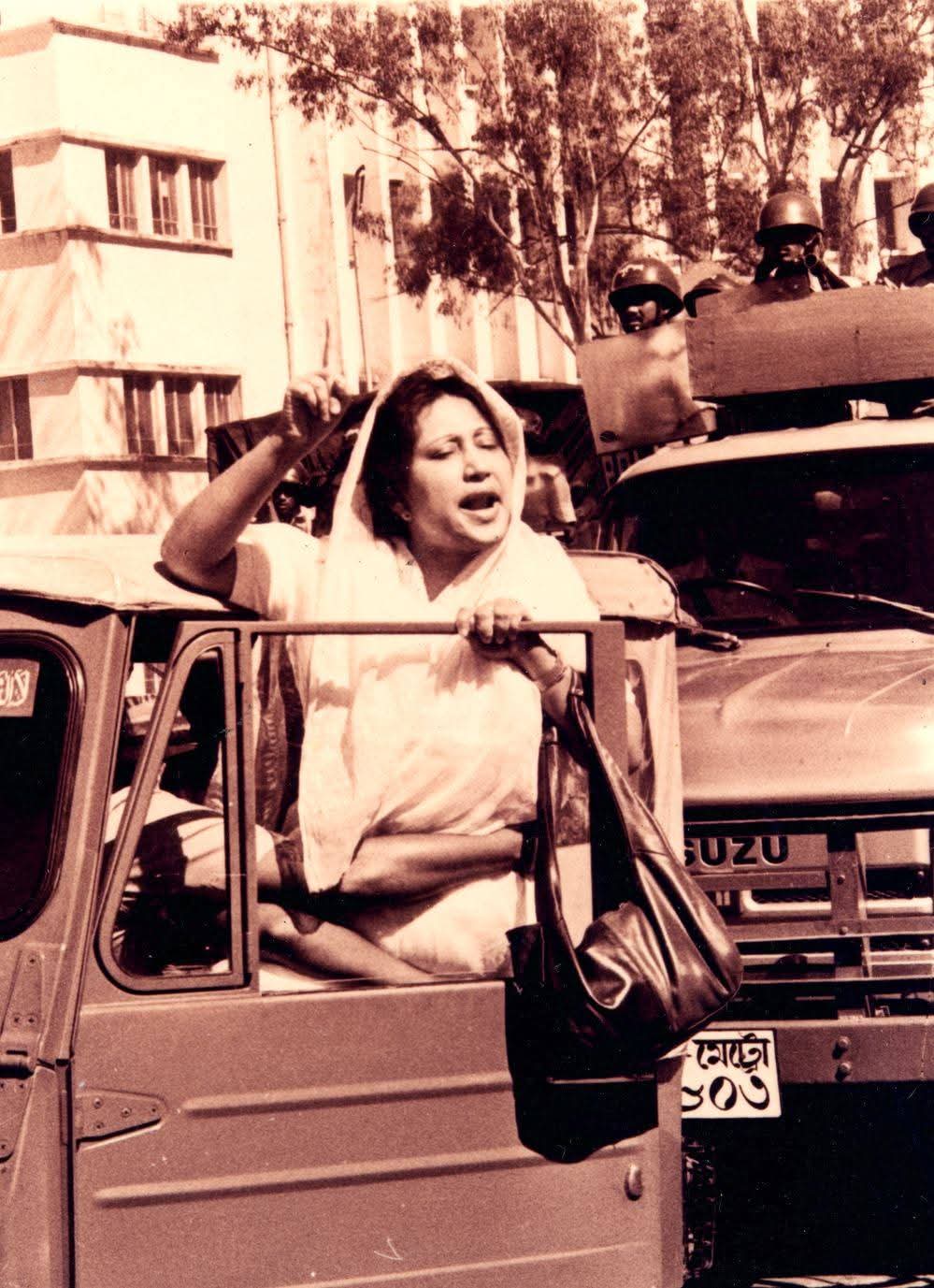
In the post-military-rule era, her role in strengthening democratic institutions, consolidating multi-party politics, and firmly establishing the space for opposition politics was significant. Known for her unwavering political stance, refusal to compromise, and resolute leadership, she earned the title of Bangladesh’s “Uncompromising Leader.”
From Homemaker to Prime Minister
Khaleda Zia’s journey from a homemaker to the first female Prime Minister of Bangladesh was marked by relentless struggle. Born on 15 August 1946 in Jalpaiguri’s Nayabasti area in undivided India, she was originally named Shanti. Later, her family settled permanently in Dinajpur.
She passed her matriculation examination from Dinajpur Government School in 1960 and later studied at Dinajpur Surendranath College. During her college years, she married Ziaur Rahman, then a captain in the Pakistan Army.
In 1965, while pursuing her degree, she moved to West Pakistan due to her husband’s posting. During the Liberation War of 1971, after Major Ziaur Rahman declared Bangladesh’s independence from the Kalurghat radio station, Khaleda Zia went into hiding in Chattogram with her two young sons. On 2 July 1971, she was arrested by Pakistani forces and remained under house arrest until her release on 16 December 1971, following Bangladesh’s victory.
Politics of Rivalry, Struggle, and Controversy
Throughout her long political career, Khaleda Zia faced numerous ups and downs. Her enduring political rivalry with Awami League leader Sheikh Hasina shaped Bangladesh’s politics for decades, with the nation’s political discourse often revolving around these two towering figures.
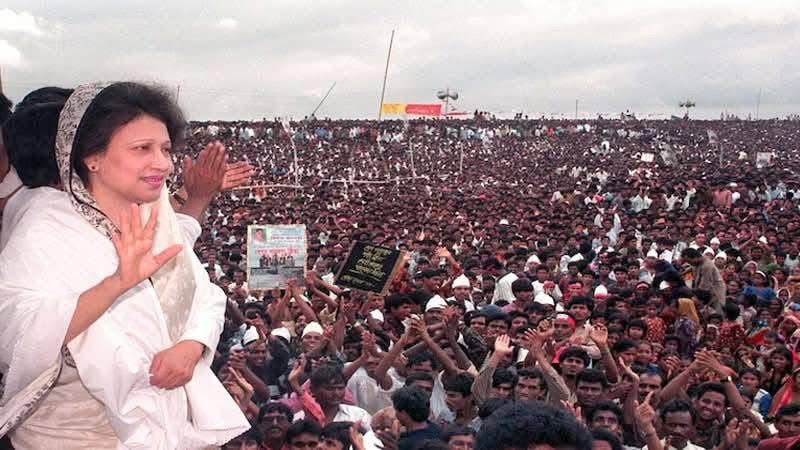
Despite imprisonment, illness, and adverse political circumstances, she continued to lead her party and remained a symbol of resistance and perseverance for BNP supporters.
Outpouring of Grief and Reactions
Following her death, the BNP announced mourning programs, with party leaders describing her as “an uncompromising soldier of democracy” and “a symbol of the struggle to protect people’s voting rights.”
Condolences have poured in from political parties, social organizations, prominent personalities, and ordinary citizens. Social media platforms have been flooded with emotional tributes remembering her political legacy.
Former Prime Minister Sheikh Hasina also expressed her condolences, stating that Khaleda Zia’s contributions to the movement for democracy were immense. Indian Prime Minister Narendra Modi extended his sympathies as well.
Diplomatic missions from France, the United Kingdom, Australia, and the European Union, among others, expressed their condolences.
The European Union stated that Khaleda Zia’s life and leadership would remain a memorable chapter in Bangladesh’s political history.
Legal Battles and Acquittal
After the July mass uprising, the President granted clemency in the Zia Charitable Trust case, in which she had been sentenced to seven years, and the Zia Orphanage Trust case, which carried a ten-year sentence. However, Khaleda Zia refused to remain free under presidential pardon.
Instead, she chose to prove her innocence through legal means. After prolonged legal battles, the country’s highest court ultimately acquitted her in both cases, declaring her innocent.
Final Farewell
Details of Khaleda Zia’s funeral and burial will be announced in accordance with the decisions of her family and party. She will be laid to rest with state honors.
As an uncompromising leader, Begum Khaleda Zia will remain eternally remembered in Bangladesh’s political history. Her absence will be deeply felt in the nation’s political life for years to come.
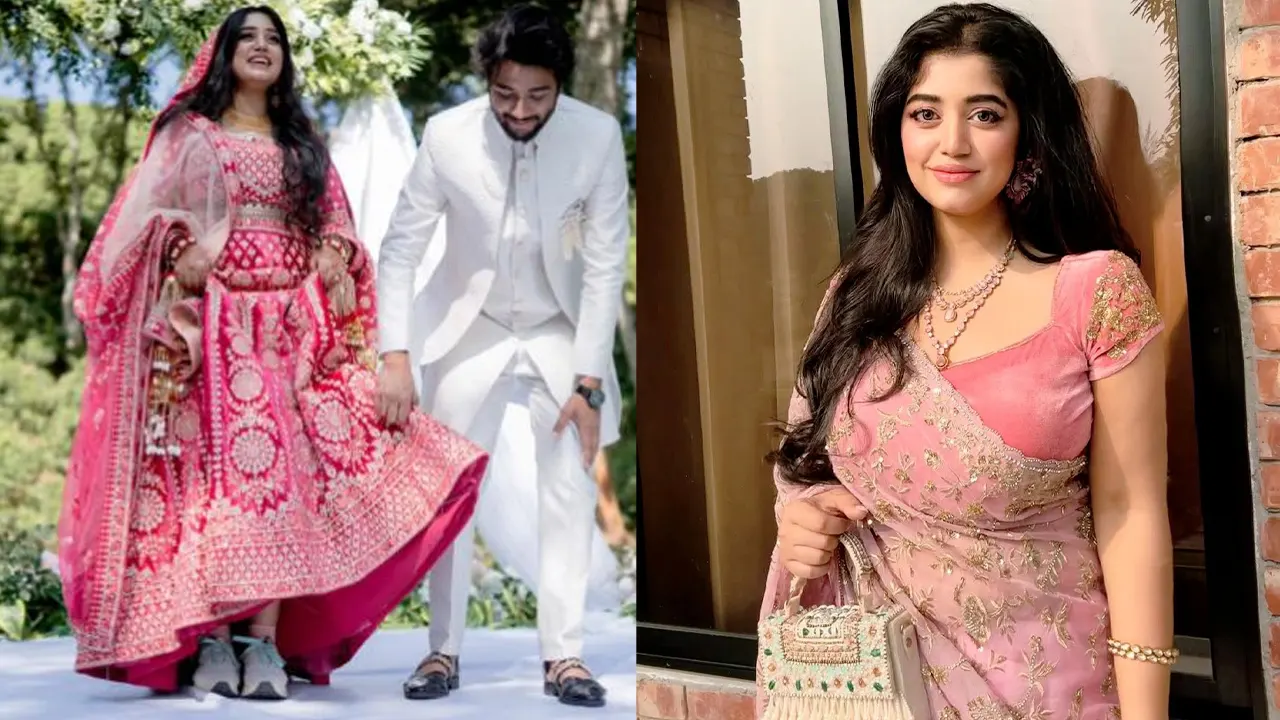
Darwin, October 05: Popular Bangladeshi singer and actor Pritom Hasan and model-actress Shehtaz Monira Hashem have decided to end their marriage after a decade together,…
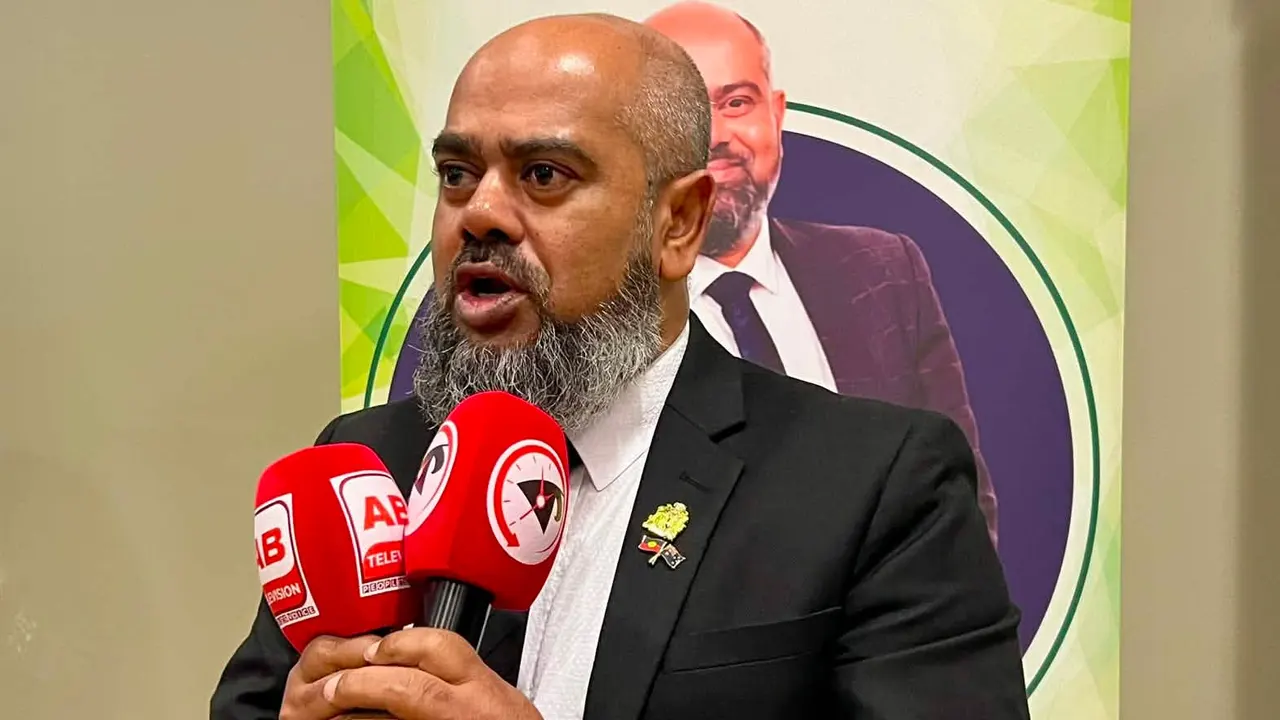
Darwin, September 06: Bangladeshi-Australian community leader and Campbelltown City Councillor and former Deputy Mayor Mohammad Ibrahim Khalil Masud has formally announced his candidacy for the…

Dhaka, September 6: One of the largest Pir-Mashaikh conferences was held in the capital Dhaka, bringing together around 3,000 delegates from home and abroad, including representatives…
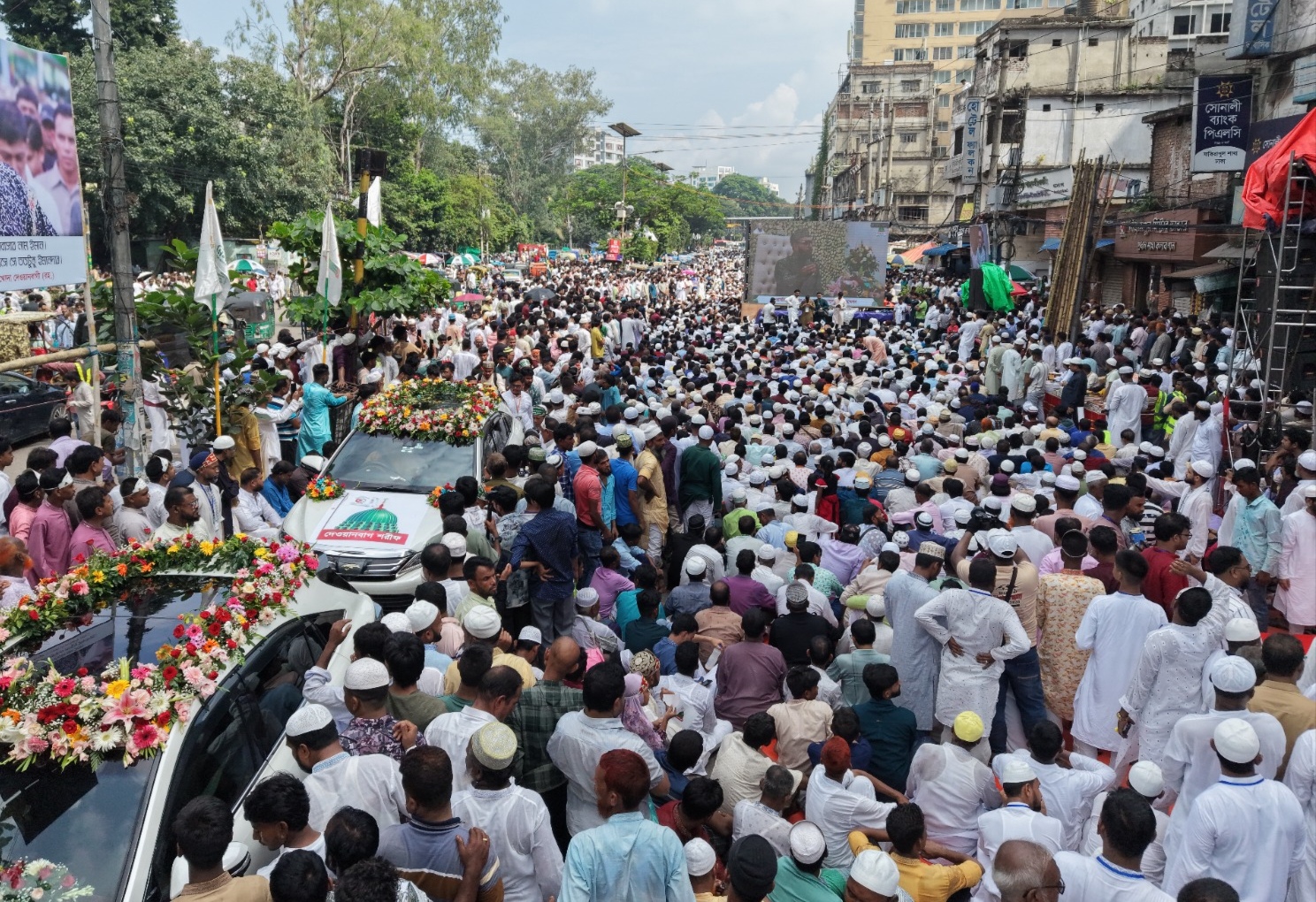
Darwin, August 27: More than 100,000 devotees took part in a colourful rally in Dhaka to mark the 1,501st birth anniversary of Prophet Muhammad (PBUH),…
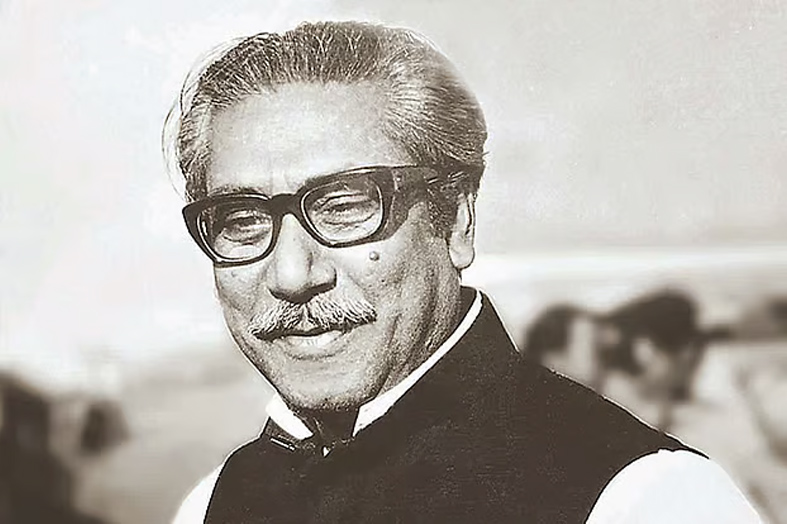
Darwin, August 15 : The death anniversary of Bangabandhu Sheikh Mujibur Rahman, the architect of independent Bangladesh, is being observed today, August 15. On this…

Darwin, 15 August : The United Nations has expressed concern over attempts to establish cells of al-Qaeda in Bangladesh. The concern was raised in a…
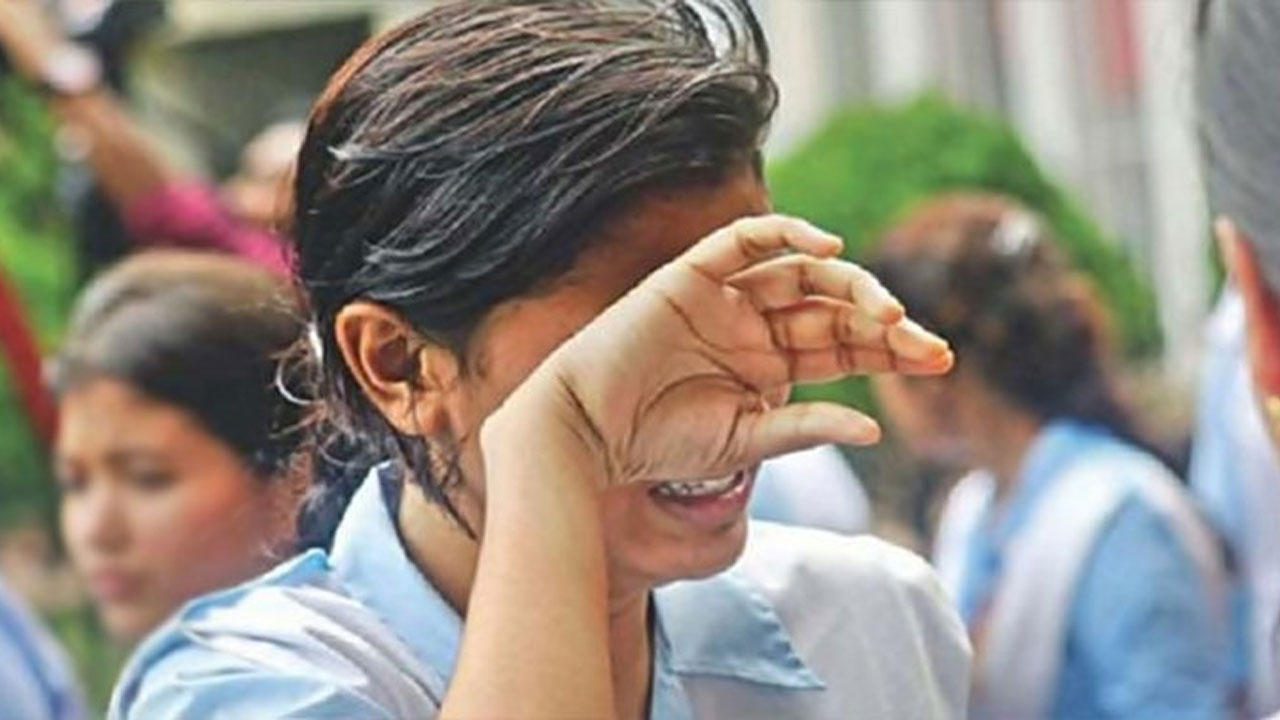
Darwin, August 10: The pass rate in this year’s Secondary School Certificate (SSC) and equivalent examinations in Bangladesh has fallen to 62.25 percent, the lowest…
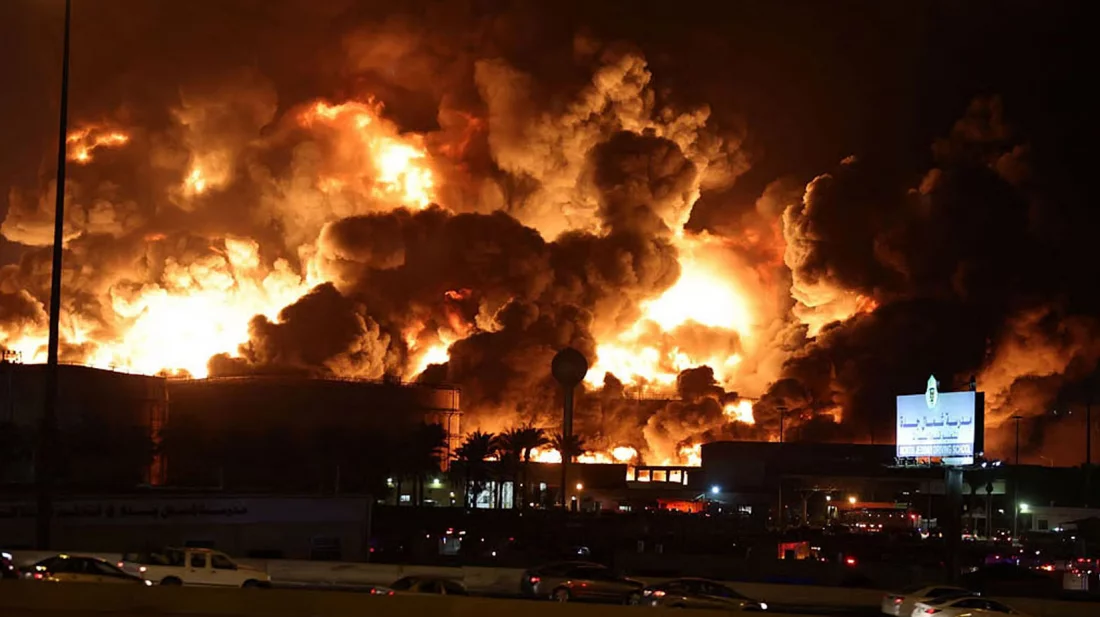
Darwin, August 10: Sixteen Bangladeshi workers have died in a devastating fire at a sofa factory in the Musa Sanaya area of Riyadh, the capital…