Pritom Hasan and Shehtaz Monira End 10-Year Relationship, Move Towards Divorce
Darwin, October 05: Popular Bangladeshi singer and actor Pritom Hasan and model-actress Shehtaz Monira Hashem have decided to end their marriage after a decade together,…



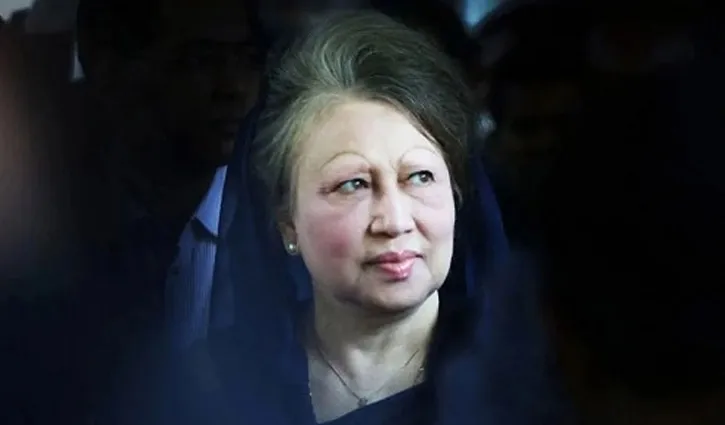
Dhaka: Begum Khaleda Zia’s death marks the conclusion of one of the most influential chapters in South Asian politics. Known for her “uncompromising” stance against autocracy, her journey from a quiet housewife to a global political icon remains unparalleled in the history of Bangladesh.
Khaleda Zia entered politics following the tragic assassination of her husband, President Ziaur Rahman, in 1981. At a time when the BNP was in a state of flux, she took the helm and transformed the party into a formidable force for democracy.
In 1991, she became the first woman to lead Bangladesh and only the second in the Muslim world.
She played a pivotal role in the 1990 mass uprising that toppled military rule and oversaw the transition back to a parliamentary form of government.
Her government made primary education free and compulsory, significantly increasing female literacy rates across the country.
Despite facing years of imprisonment, legal battles, and failing health, she remained the “Deshnetri” (Leader of the Country) to millions. Her steadfast refusal to abandon her political principles earned her the title of “Mother of Democracy” among her followers.
As Bangladesh enters a period of mourning, her name is destined to be written in gold in the annals of the nation’s democratic struggle.

Darwin, October 05: Popular Bangladeshi singer and actor Pritom Hasan and model-actress Shehtaz Monira Hashem have decided to end their marriage after a decade together,…
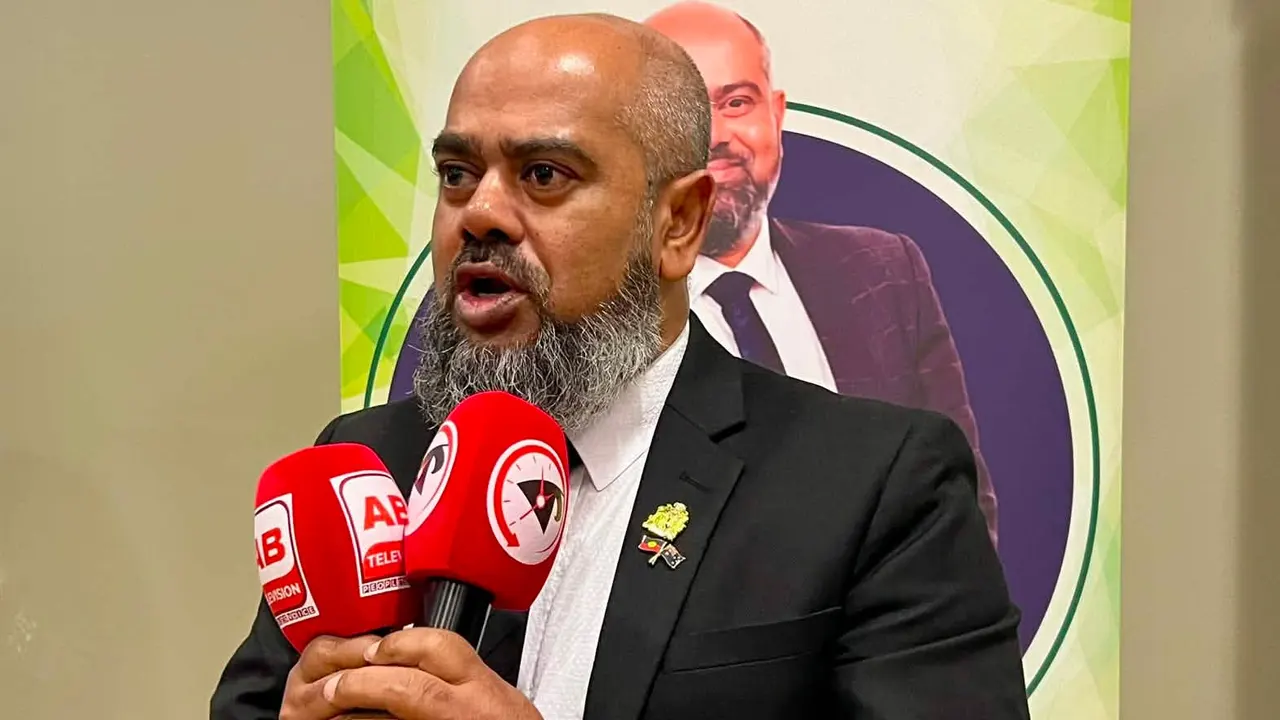
Darwin, September 06: Bangladeshi-Australian community leader and Campbelltown City Councillor and former Deputy Mayor Mohammad Ibrahim Khalil Masud has formally announced his candidacy for the…

Dhaka, September 6: One of the largest Pir-Mashaikh conferences was held in the capital Dhaka, bringing together around 3,000 delegates from home and abroad, including representatives…
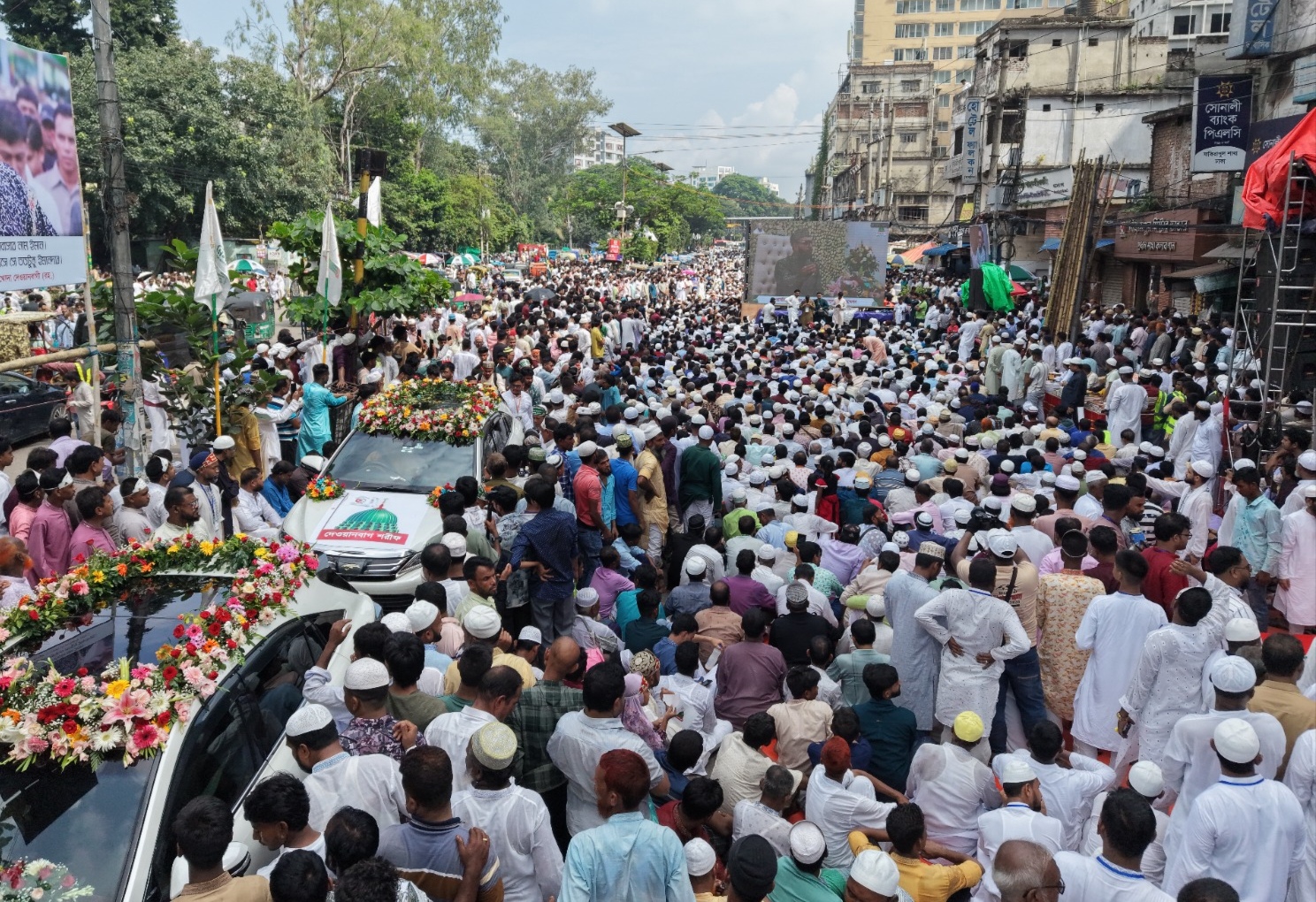
Darwin, August 27: More than 100,000 devotees took part in a colourful rally in Dhaka to mark the 1,501st birth anniversary of Prophet Muhammad (PBUH),…
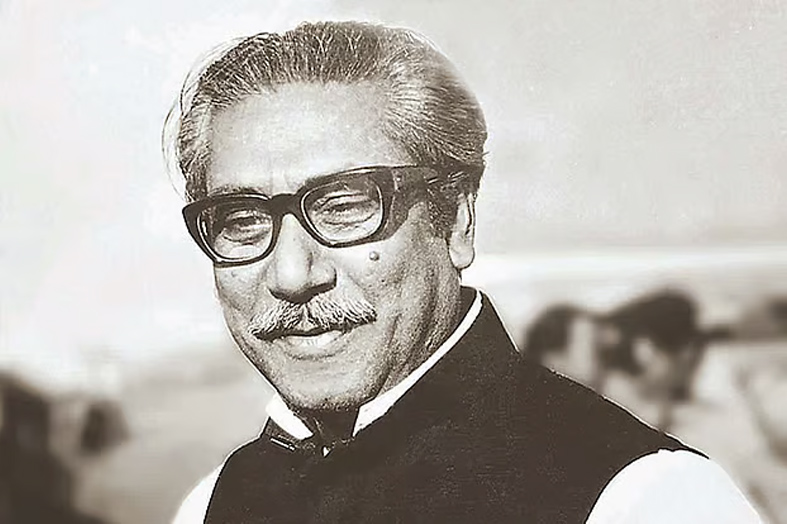
Darwin, August 15 : The death anniversary of Bangabandhu Sheikh Mujibur Rahman, the architect of independent Bangladesh, is being observed today, August 15. On this…

Darwin, 15 August : The United Nations has expressed concern over attempts to establish cells of al-Qaeda in Bangladesh. The concern was raised in a…
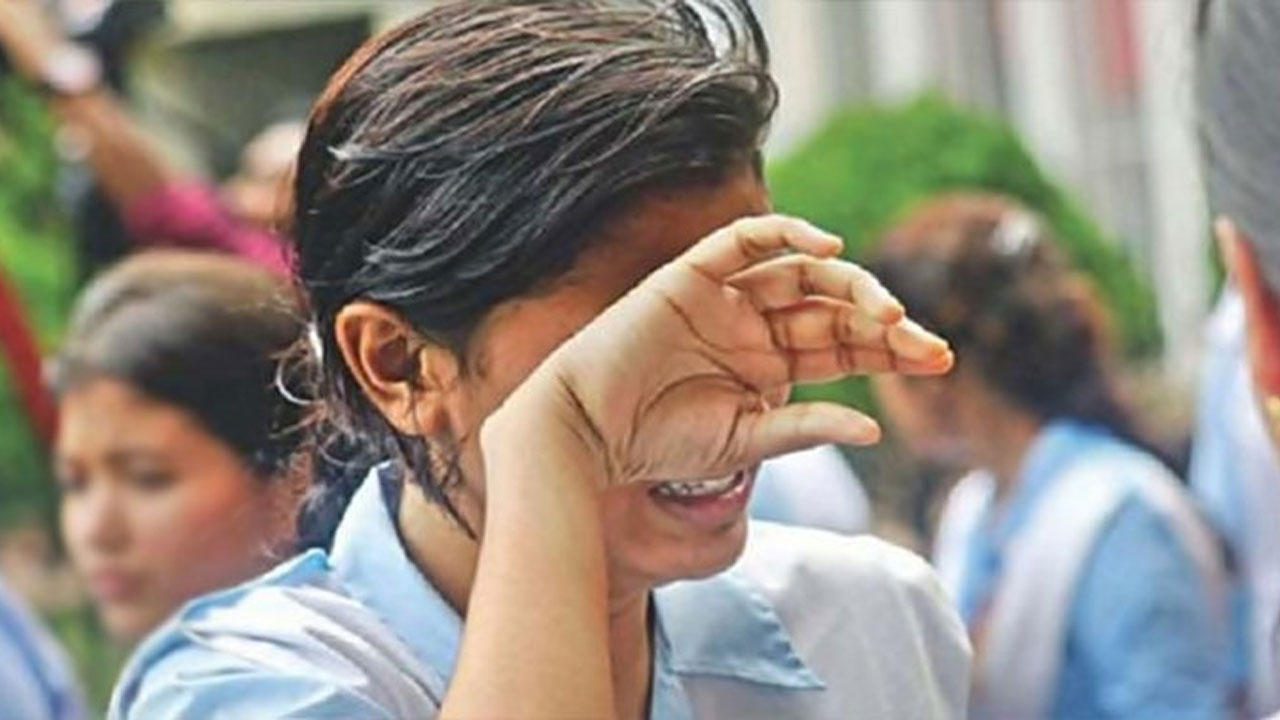
Darwin, August 10: The pass rate in this year’s Secondary School Certificate (SSC) and equivalent examinations in Bangladesh has fallen to 62.25 percent, the lowest…

Darwin, August 10: Sixteen Bangladeshi workers have died in a devastating fire at a sofa factory in the Musa Sanaya area of Riyadh, the capital…