Lionel Messi Ends His Epic International Career with a Goal and Two Assists
Darwin, October 07: Lionel Messi’s final match in international football, if this indeed was his last, was just like the man himself—filled with goals, assists, and…



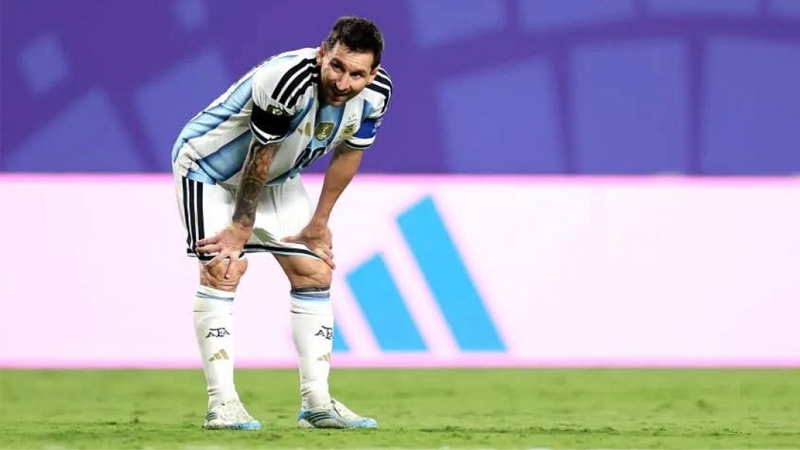
Sports Desk: Once known for tearing defenses apart with his blistering pace, Lionel Messi no longer runs as relentlessly as he once did. Yet, that has arguably made him even more dangerous. At 39, he remains the heartbeat of Argentina’s attack at the World Cup. Statistics show that he spends nearly half of his time on the pitch walking, but he still leads the tournament in goals, assists, and chance creation.
If Argentina become the first team since 1962 to win back-to-back FIFA World Cup titles, Lionel Messi will undoubtedly be at the heart of that achievement.
The 39-year-old superstar is playing in his sixth World Cup, equaling the all-time record shared by Portugal’s Cristiano Ronaldo and Mexico’s Guillermo Ochoa. In this edition of the tournament, Messi has already scored eight goals and provided three assists.
He is currently tied with France’s Kylian Mbappé at the top of the Golden Boot race. However, this is no longer the explosive Messi who burst onto the scene for Barcelona in 2003.
As footballers age, most inevitably see a decline in their physical abilities. Some reinvent themselves to remain effective. Cristiano Ronaldo, for example, evolved into a lethal penalty-box finisher after losing some of his trademark pace.
Messi’s transformation has been different. Rather than merely adapting to physical limitations, he has reinvented himself to maintain complete control over the game.
At this World Cup, he is running less than ever before, yet creating more opportunities than almost anyone else. So far, he has attempted 33 shots and created 21 scoring chances for his teammates. His combined total of 54 shots and chances created is the highest by any player since Diego Maradona at the 1986 World Cup.
Remarkably, 47 percent of the distance Messi has covered during the tournament has been while walking—the highest proportion among all regular outfield players.
He has averaged just 8.2 kilometers per 90 minutes, the lowest figure among all Argentina outfield players who have played at least 20 minutes in the tournament.
His sprint numbers have also dropped significantly. Messi has averaged just 2.7 sprints per match at this World Cup, compared to 5.3 four years ago.
Despite covering less ground, his influence has not diminished. In fact, opponents have managed to keep him from scoring or assisting in only one of his last 15 World Cup matches—and that came against Poland. Across those 15 games, Messi has contributed 16 goals and seven assists.
Since making his unofficial Barcelona debut at the age of 16 in a friendly against José Mourinho’s Porto, Messi has continually reinvented his game. From a lightning-fast right winger to a false nine, then a creative playmaker, he has now evolved into a footballer capable of dictating the rhythm and outcome of matches while running less than ever before.
That is precisely why, even at 39, Lionel Messi remains Argentina’s greatest hope on football’s biggest stage.
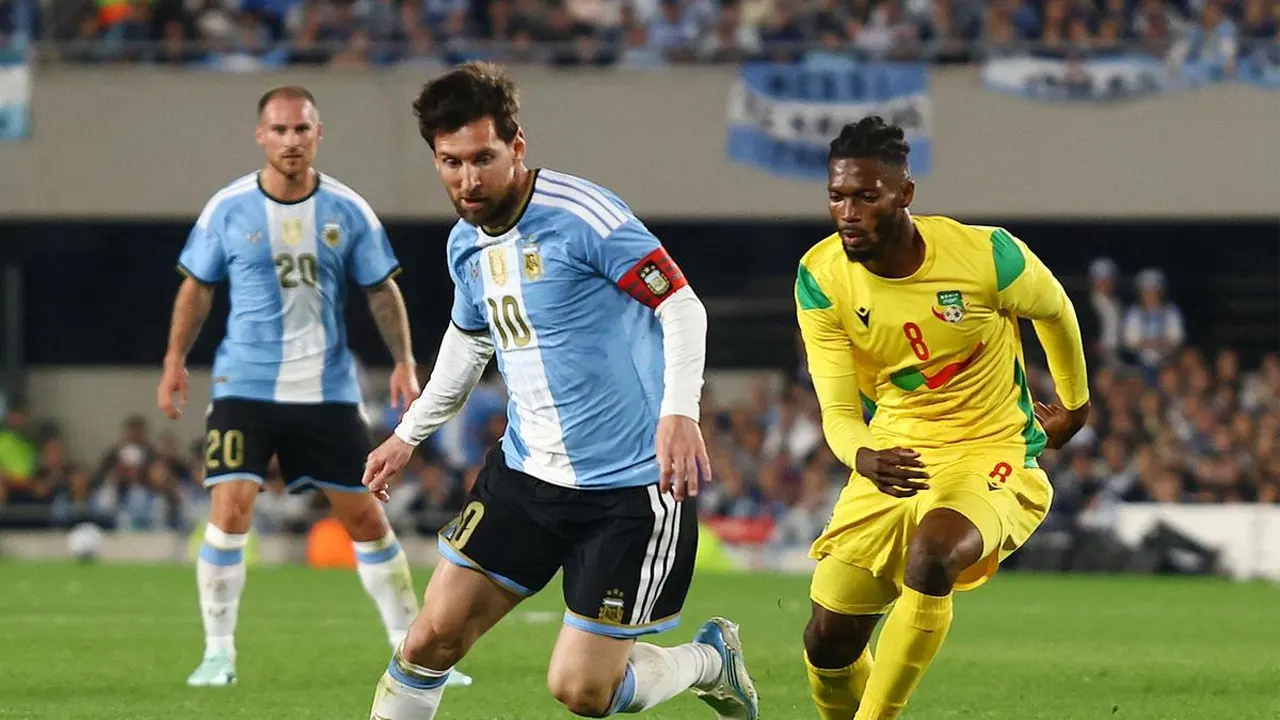
Darwin, October 07: Lionel Messi’s final match in international football, if this indeed was his last, was just like the man himself—filled with goals, assists, and…
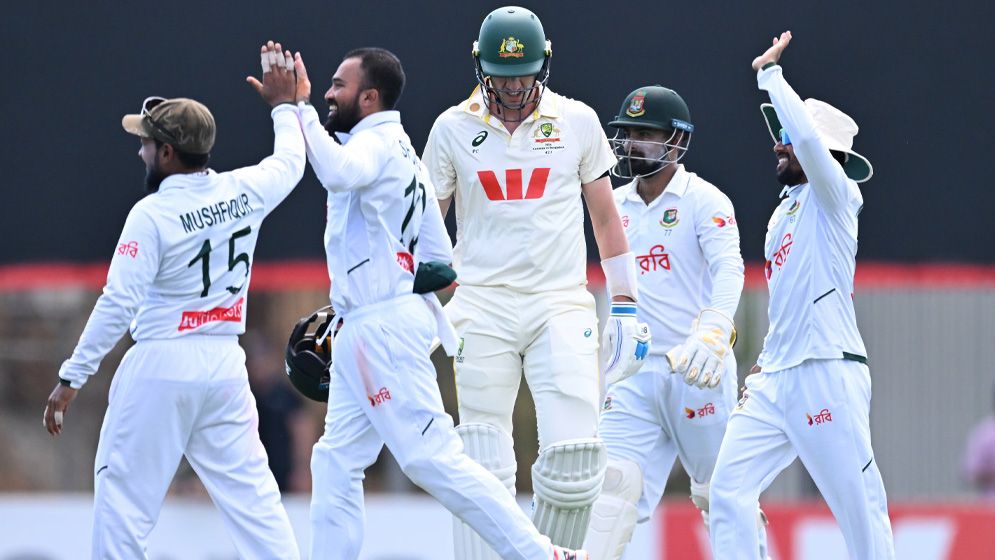
Darwin, August 16 : Darwin witnessed a new dawn for Bangladesh cricket today. In a historic triumph on Australian soil, the Tigers defeated the hosts…
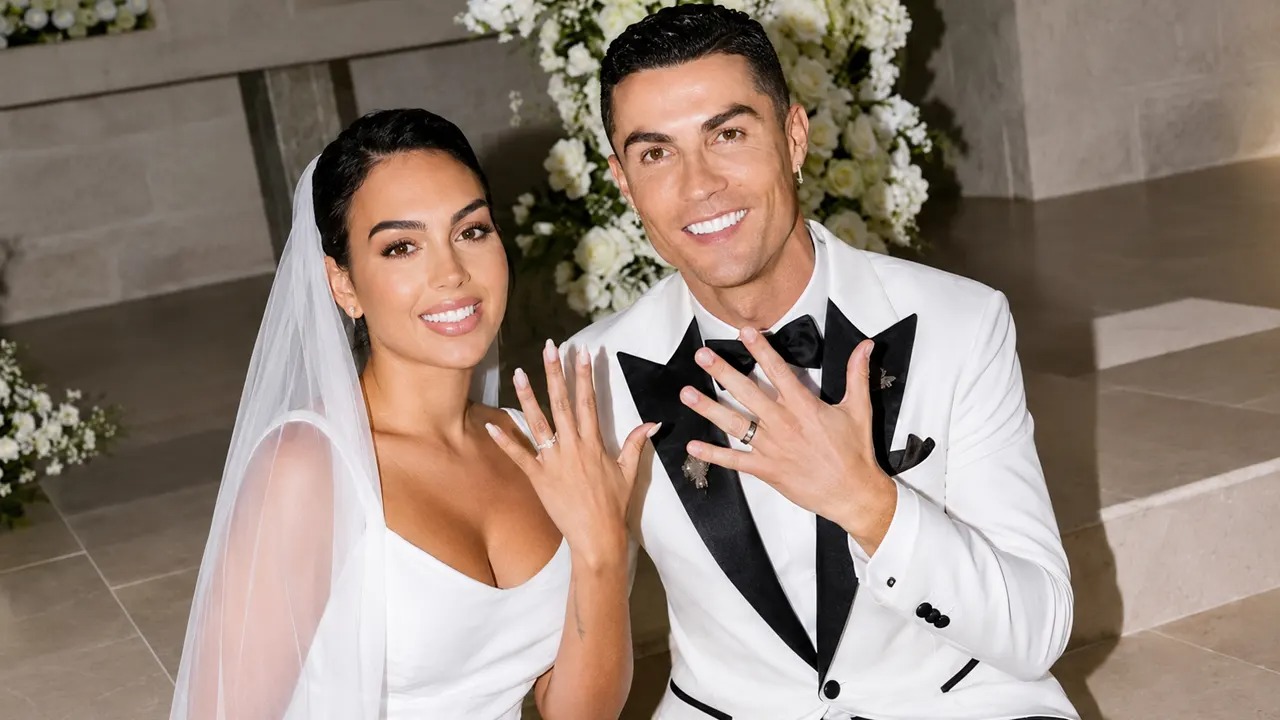
Sports Desk, August 12: The long-awaited wedding has finally taken place. Portuguese football star Cristiano Ronaldo has married his longtime partner, Georgina Rodriguez, after nearly…

Sports Desk: A resignation letter only a few lines long has come to symbolize the growing frustration across the football world. On Friday morning, Carlos…
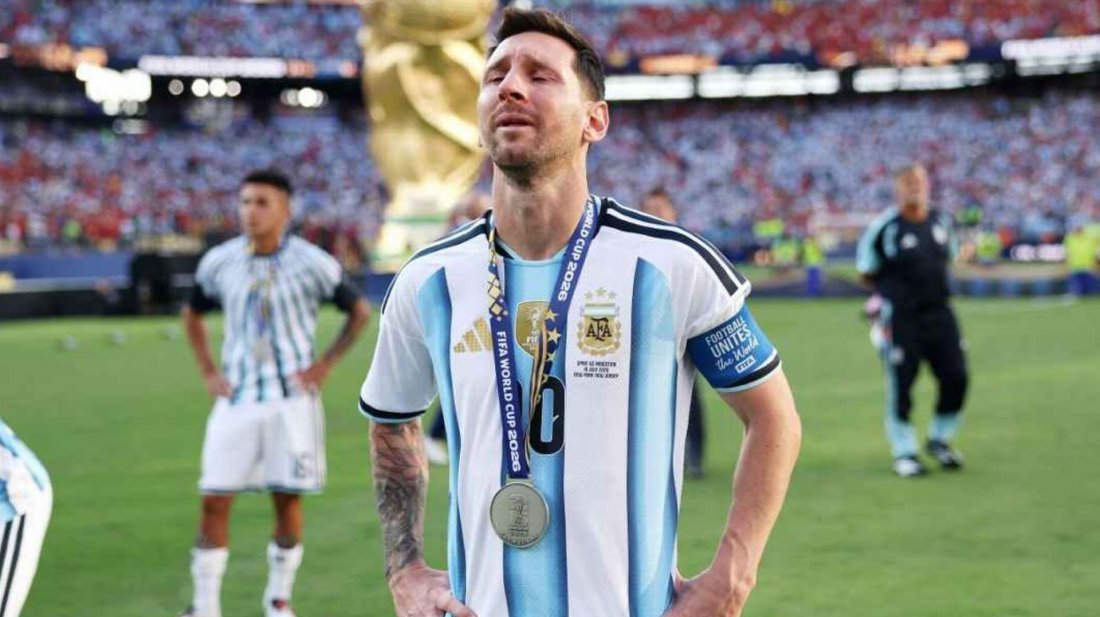
Sports Desk: Argentina’s dream of retaining the World Cup title has been shattered. A day after losing the final to Spain, captain Lionel Messi broke…

Sports Desk: France captain Kylian Mbappé made FIFA World Cup history by becoming the first player ever to win the Golden Boot twice after finishing…
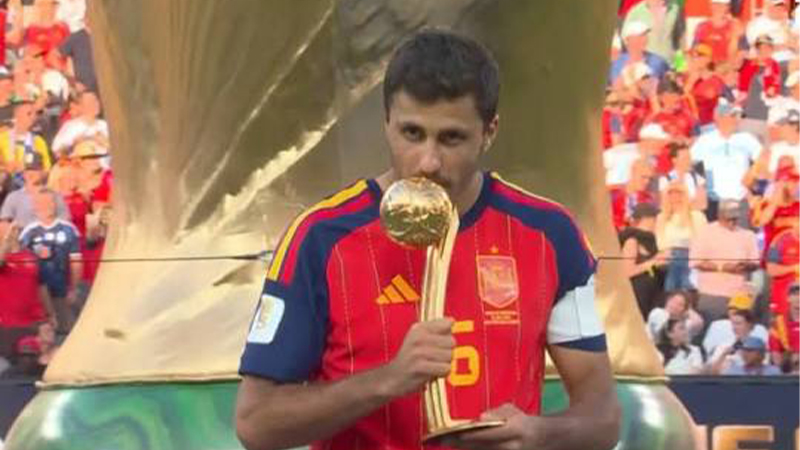
Sports Desk: Spain midfielder Rodri was named the winner of the Golden Ball as the best player of the 2026 FIFA World Cup after inspiring…
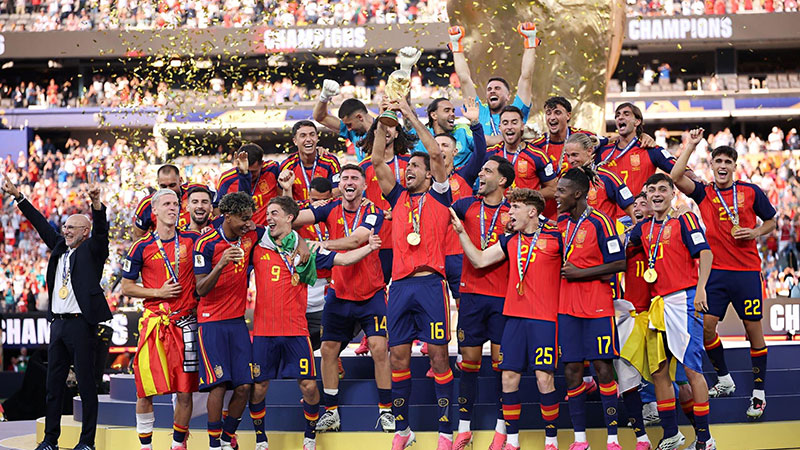
Sports Desk: Spain were crowned FIFA World Cup champions for the second time in their history after defeating Argentina 1-0 in extra time in the…